
Last updated: August 20, 2026
Any links on this page that lead to products on Amazon are affiliate links and I earn a commission if you make a purchase. Thanks in advance – I really appreciate it!
Quick answer: The best women’s cowboy boots for dancing are the ones that match your dance style and floor. For indoor two-step, swing, or other dancing with regular turns, a smooth leather outsole usually pivots more naturally. For line dancing, beginners, or uneven outdoor surfaces, a stable boot with a predictable, grippier outsole can be the better choice. In either case, look for a secure instep fit, room for your toes, and a manageable stacked heel—usually around 1.5 to 2.5 inches.
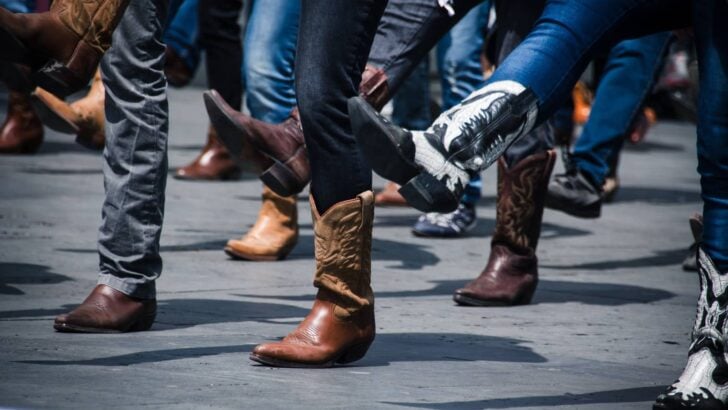
Most cowboy-boot advice is written for the ranch, the barn, or everyday wear. This guide is for the woman heading to a wedding, a line-dancing class, or a country bar who needs a pair that looks right and still feels good after several hours on the floor. The best cowboy boots for dancing are not necessarily the flashiest pair; they are the pair that fits your foot, suits the floor, and does not punish you by the third dance.
| Boot | Best for | Why pick it |
|---|---|---|
| Chisos No. 3 | Indoor partner dancing and long events | Leather sole, stacked leather heel, and removable insole |
| Corral White Glitter Inlay and Crystals | Weddings and statement outfits | Dressy Western styling with a leather outsole |
| Lane Lexington Bootie | Short dresses, jeans, and a dressier night out | Ankle-height Western styling with convenient side-zip entry |
| Dan Post Blue Bird Snip Toe | Classic Western styling | Traditional profile with a comfort-focused insole |
| Ariat Heritage Round Toe | Line dancing and first-time boot buyers | Duratread outsole provides more predictable traction |
| Corral Southwest Tooled-Inlay and Studs | A bold Western statement | Decorative leather boot with a dance-friendly profile |
Table of Contents
Reviews of the Best Women’s Cowboy Boots for Dancing
Best all-around comfort pick
Chisos No. 3
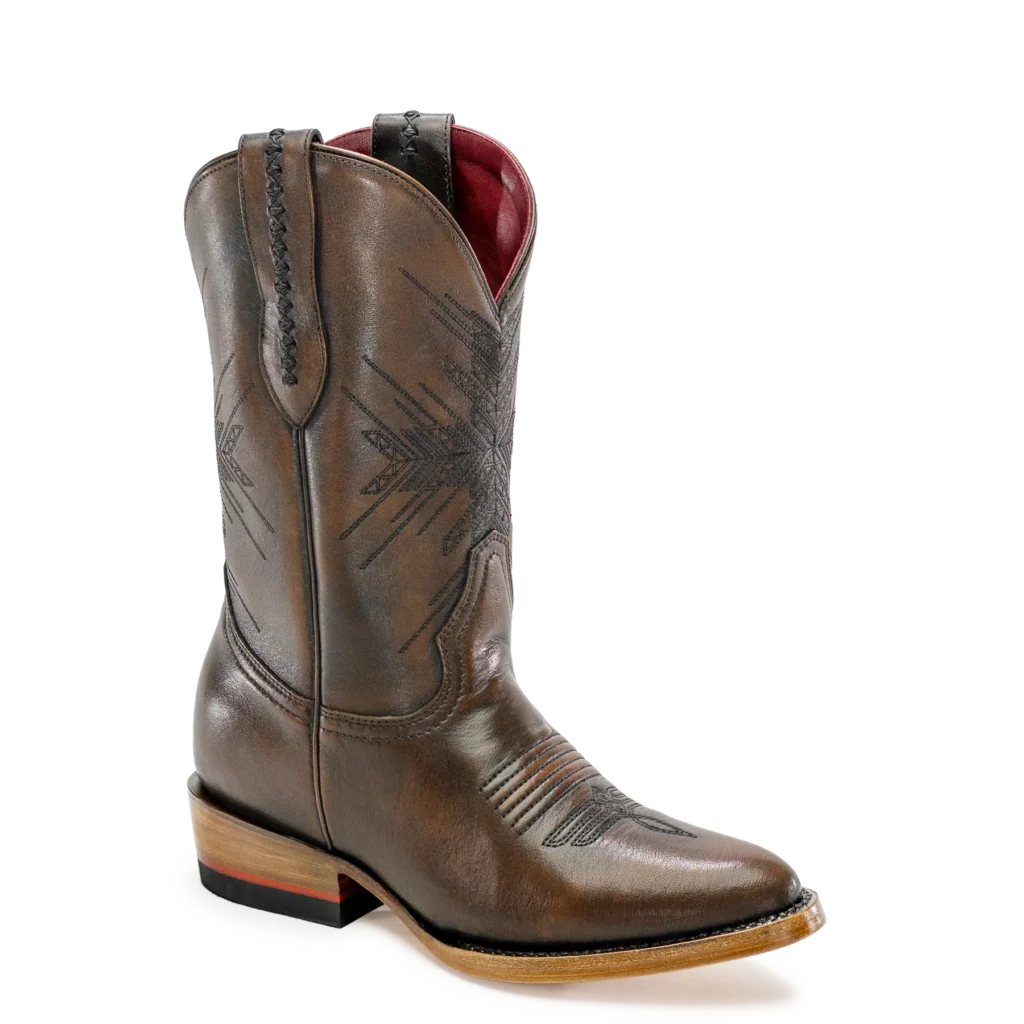
The Chisos No. 3 is my top pick for dancers who want a premium boot they can continue wearing after the event. Its stated construction includes a leather sole, stacked leather heel, traditional leather heel counter, and removable insole—features that make sense for indoor dancing where you want both a secure fit and a sole that can pivot.
Best for: Indoor two-step, social dancing, and buyers who want a polished boot they will wear again.
Who should skip it: If this is strictly a one-night purchase, the premium price may be hard to justify. It is also still a full-grain leather boot: order early and wear it enough to confirm the fit before the event.
Corral White Glitter Inlay and Crystals
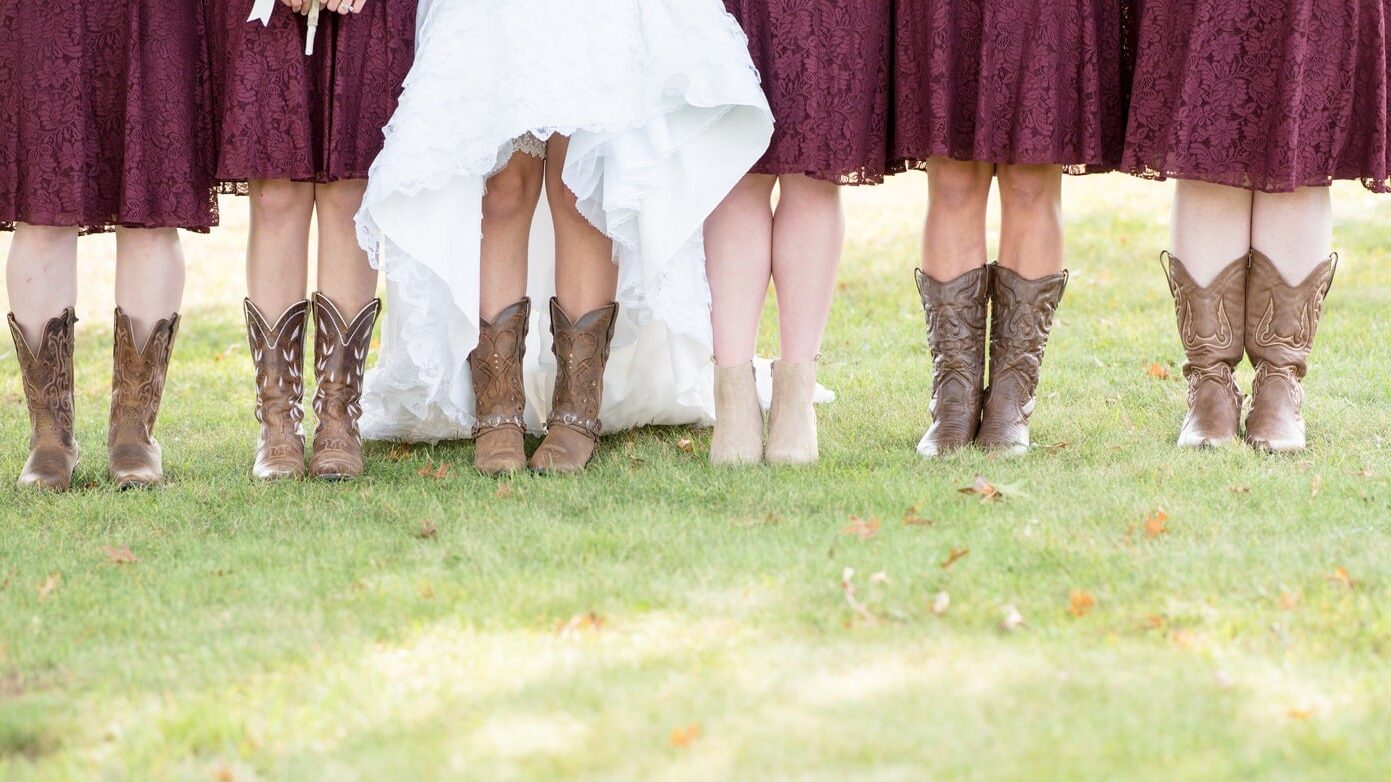
This Corral boot is for the buyer who wants her boots to be part of the outfit, especially for a country wedding, bachelorette weekend, or reception. The key functional feature is its leather outsole; for indoor dancing with turns, that matters more than the crystals. The styling is unmistakably dressy Western, and the heel remains within a manageable range for many wearers.
Best for: Weddings, reception dancing, and a bright statement look with dresses or jeans.
Who should skip it: If glitter and crystal detailing are not your style, this is less versatile than a plain leather boot. Confirm the current heel height and outsole details on the listing before ordering.
Lane Lexington Bootie
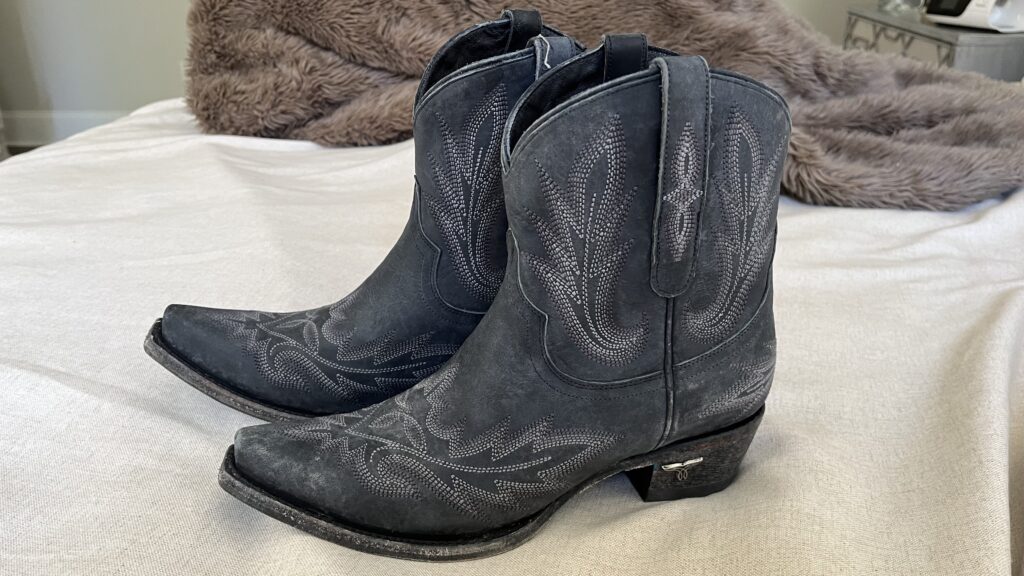
The Lane Lexington gives you a Western-inspired boot without the commitment of a tall shaft. That makes it an appealing option with shorter dresses, skirts, or slim jeans, and the side zipper is convenient when you are changing before or after an event. Its listed 2.75-inch heel is more of a fashion heel than a low, all-night dancing heel, so it is best for someone already comfortable in that height.
Best for: A dressier country-bar look, a wedding outfit, or a buyer who prefers an ankle-height boot.
Who should skip it: If you are new to heels or expect several hours of hard line dancing, a lower heel may be the wiser choice. Verify the current outsole and heel specifications before buying.
Dan Post Blue Bird Snip Toe
The Blue Bird is a good fit for someone who wants a traditional cowgirl silhouette without going all the way to rhinestones. The distressed leather, turquoise underlay, and snip toe make the boot distinctly Western, while the removable comfort insole is a practical feature for an event where you will be on your feet.
Best for: Jeans, skirts, country bars, and a classic Western outfit.
Who should skip it: A snip toe is not the best match for every foot shape, especially if you need generous toe room. Check the current product details and try the boot on with the socks you will dance in.
Ariat Heritage Round Toe
The Ariat Heritage Round Toe is a sensible choice for a first-time buyer who values a familiar Western brand and a more grippy outsole. Ariat’s Duratread outsole has more traction than a smooth leather sole, which can feel more secure for casual line dancing, beginners, and imperfect surfaces.
Best for: Line dancing, casual events, and buyers who prefer a bit more traction underfoot.
Who should skip it: For two-step, swing, or any dance with frequent quick pivots, the grippier outsole may feel less fluid than a leather sole. It is not a universal “budget” pick—compare current pricing with the other options before you decide.
Corral Southwest Tooled-Inlay and Studs
If you want a decorative boot but do not care for white glitter or crystals, this Corral style is the bolder alternative. Tooled-inlay work and studs give it a strong Southwestern look, while the leather-outsole construction makes it worth considering for indoor dancing with turns.
Best for: A distinctive Western outfit that needs more personality than a plain brown boot.
Who should skip it: The detailing is specific and may not pair with as much of your wardrobe as a simpler boot. Confirm the heel height, outsole, and current sizing details for this exact model before ordering.
What Makes a Cowboy Boot Good for Dancing?
Three things separate a boot that works on a dance floor from one that only looks the part: the sole, the heel, and how the boot fits after you have actually walked in it.
Start with the sole. On a clean indoor floor, a smooth leather outsole generally releases and pivots more easily than a grippy rubber sole. That can make turns feel more natural in two-step, swing, and other partner dancing. But there is no universally perfect sole: on concrete, outdoors, a dusty floor, or a slick surface, a leather sole can be too slippery. Match the sole to the floor and the kind of dancing you expect to do.

Keep the heel manageable. A stacked cowboy heel around 1.5 to 2.5 inches is a practical range for many people because it gives you the Western look without putting all your weight onto the ball of your foot. If you rarely wear heels, stay toward the lower end of that range. A higher heel may look sharp in a photo, but it can become tiring quickly when you are standing, walking, and dancing for hours.
Do not underestimate break-in. Full-grain leather needs time to flex and adapt. Wear a new pair for short sessions before the event, on the same socks you plan to use that night. A cushioned insole helps, but it does not replace a proper fit or enough wear time to identify a rubbing spot.
Line Dancing vs. Two-Step: Choose the Right Sole
| If you are mainly… | Prioritize | Watch for |
|---|---|---|
| Line dancing | Stable heel, cushioned insole, secure instep fit, and a sole that feels predictable on that floor | Some line dances include turns and pivots; avoid an outsole that grips so aggressively it catches during rotation |
| Two-step or swing | A smooth leather outsole that releases cleanly during regular turns | Heavy lug soles or very tacky rubber that can make pivots feel restricted |
| Wedding reception | Comfort, an already-softened leather upper, and a heel you know you can stand in | Wearing brand-new boots for the first time at the event |
| Outdoor or uneven surface | Enough traction for the actual surface and weather conditions | Assuming a slick leather sole is automatically safe outside |
How to Get the Fit Right Before the Event
Fit comes before style. A cowboy boot should feel secure across the instep, with enough toe room to wiggle your toes. A little heel movement in a new boot can be normal, but the boot should not feel loose across the top of your foot or allow your heel to slide around enough to cause rubbing. Read my detailed guide on what heel slip is normal in cowboy boots before ordering.
Buy early, not the week of. Give any full-grain leather boot two to three weeks of short, real wear sessions before the event. Walk in them, climb stairs, and wear the same socks you plan to dance in. Even a boot with a cushioned insole can rub or pinch until the leather begins to flex with your foot.
Do not size up automatically. A larger size can create more heel movement and blisters rather than solving a stiff-new-boot problem. Follow the brand’s sizing guidance, and if you have a high instep, choose a boot style and entry design that suits it. My guide to women’s cowboy boots for high insteps can help narrow those choices.
Check the exchange policy first. Boot sizing varies by maker, toe shape, and leather. If you are shopping close to an event date, an easy exchange policy is more valuable than a small price difference.
FAQs: Cowboy Boots for Dancing
What are the most comfortable cowboy boots for dancing?
The most comfortable cowboy boots for dancing fit securely through the instep, leave room for your toes, have a manageable stacked heel, and match the sole to the floor. For indoor partner dancing with regular turns, many people prefer a smooth leather sole. For line dancing or a less predictable surface, a more grippy sole can be the better choice.
Can you dance in rubber-sole cowboy boots?
Yes. Rubber and rubber-blend soles can feel stable for line dancing, beginners, concrete, and some outdoor floors. Their extra grip can make fast pivots feel less natural than they do in a leather-soled boot, so consider the type of dancing and the surface before choosing.
Do cowgirl boots need to be broken in before dancing?
Yes. Wear new leather boots in short sessions before the event so you can identify rubbing, pressure points, or excessive heel movement while you still have time to exchange them. Do not make a wedding reception or long dance night the first time you wear a new pair.
What heel height is best for dancing in cowboy boots?
For many wearers, a stacked heel around 1.5 to 2.5 inches offers a workable balance of Western style and stability. If you do not regularly wear heels or expect to be on your feet all night, staying toward the lower end is usually more comfortable.
Should I buy cowboy boots a size bigger for dancing?
Not automatically. Buying a full size larger can cause excess heel movement and rubbing. Start with the brand’s size guidance and focus on a secure instep, toe room, and the correct width. If the fit is painful rather than merely snug, exchange the boot instead of hoping it will stretch enough.
Final Recommendation
If you are buying cowboy boots for one event, choose for the dance and floor first—not simply the most cushioning or sparkle. For indoor partner dancing with regular turns, a leather-soled boot such as the Chisos No. 3 is worth considering. For line dancing, a secure boot with a more predictable, slightly grippier outsole may be the better call. If the occasion is a wedding and you want a decorative boot that is part of the outfit, the Corral White Glitter Inlay and Crystals style stands out. Whatever you choose, wear the pair enough before the event to discover rubbing, heel movement, or pressure points while there is still time to exchange it.
Related Cowboy Boot Guides
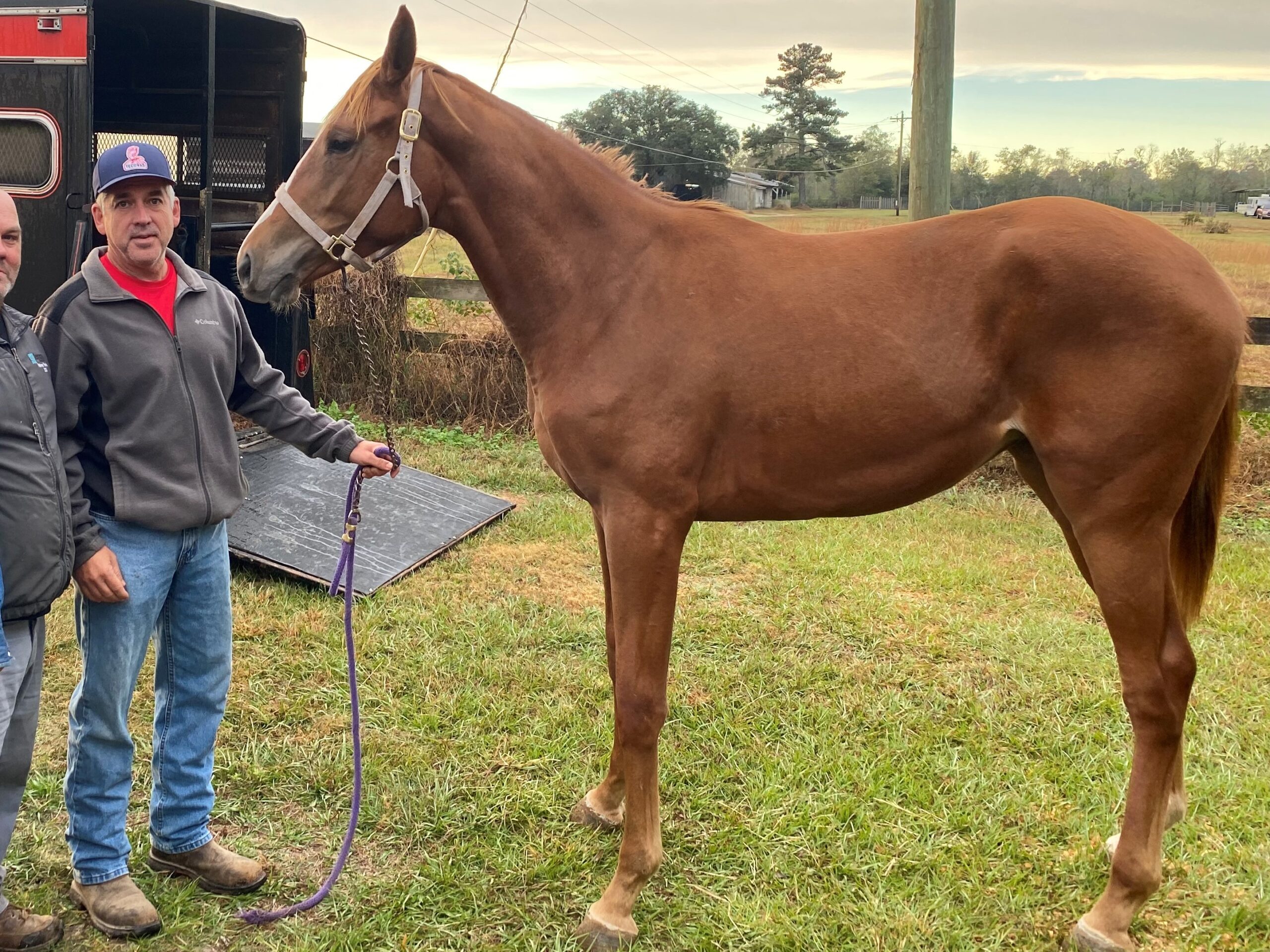
About Miles Henry
Racehorse Owner & Author | 30+ Years in Thoroughbred Racing
Miles Henry (legal name: William Bradley) is a professional horseman based in Folsom, Louisiana. He holds Louisiana Racing License #67012 and has spent over three decades managing Thoroughbreds at premier tracks including Fair Grounds, Delta Downs, and Evangeline Downs.
Expertise & Hands-On Experience: Beyond the track, Miles has decades of experience in specialized equine care, covering everything from hoof health and nutrition to training protocols for Quarter Horses, Friesians, and Paints. Every guide on Horse Racing Sense is rooted in this “boots-on-the-ground” perspective.
30 of their last 90 starts
Equibase Profile.

Connect with Miles: