Last updated: May 26, 2026
After 30 years of attending yearling sales, I’ve watched buyers pay premium prices for a ‘blue roan’ that turned completely white by age four.
What is a Blue Roan horse? A blue roan horse is a black-based horse carrying the dominant roan gene (Rn), which creates a stable mixture of black and white hairs across the body. Unlike gray horses, blue roans do not progressively lighten with age — their coat pattern remains consistent for life.
Quick identification: Blue roans have a dark head and lower legs with a smoky, evenly mixed body. They do not show progressive facial whitening like gray horses.
Blue roans are commonly mistaken for gray or grullo horses because all three can appear steel-blue under arena lights or summer sun. The difference is that a blue roan is genetically stable, while gray progressively lightens with age, and grullo carries the dun gene with primitive markings. Correct identification depends on understanding how the roan gene affects body distribution, contrast, and seasonal coat changes.
In auction and breeding barns, these three colors are frequently misidentified — and the price gap can be significant. The fastest way to avoid a costly mistake is to focus on how the horse changes over time:
- Gray: Lightens progressively and often shows early “white goggles” around the eyes.
- Blue Roan: Maintains a stable dark head and legs for life with evenly mixed white body hairs.
- Grullo: Must show a dorsal stripe and remains genetically dun-based, not roan.
Under arena lighting, these differences can be subtle — which is why coat progression and genetics matter more than first impressions.
| Feature | Blue Roan | Grullo (Blue Dun) | Gray |
|---|---|---|---|
| Base Color | Black | Black + Dun Gene | Any base color |
| Head & Legs | Remain dark | Dark with primitive markings | Lighten first over time |
| Dorsal Stripe | No | Yes (required trait) | No |
| Color Over Time | Stable for life | Stable for life | Progressively turns white |
Table of Contents
How to Tell Blue Roan, Gray, and Grullo Apart at a Glance
You don’t need a genetics test to identify these three coat colors in the field. In 30 years at Louisiana sale barns, I’ve used the same three visual checks every time — and they work in under two minutes, even under bad arena lighting.
Test 1: The Mask Check — Look at the Head First
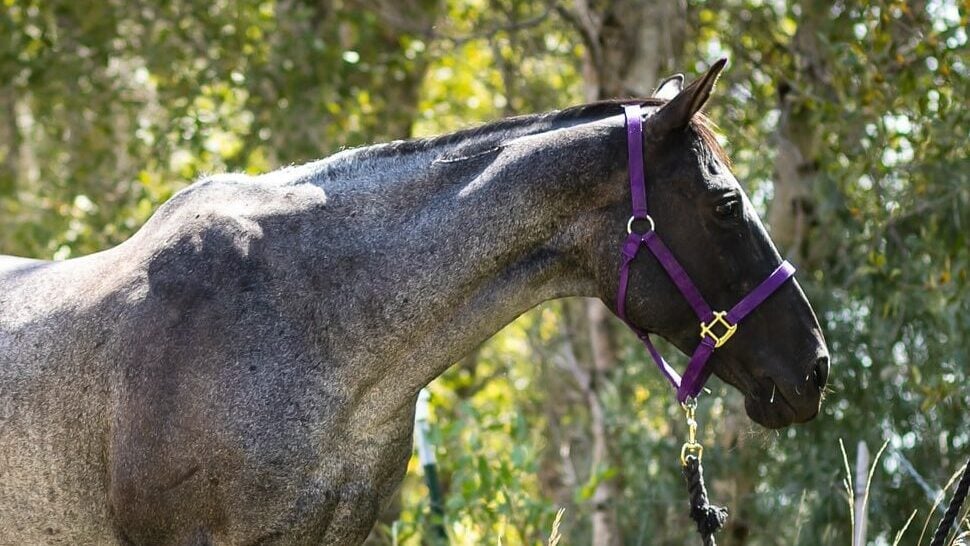
The head is the fastest tell in equine coat color identification. On a blue roan, the head stays dark — often a rich, near-solid black — for the horse’s entire life. Grullos also maintain a dark head, frequently with a darker “mask” across the forehead and face that is characteristic of dun-based genetics. Gray horses behave completely differently: graying almost always begins at the face, producing soft white rings around the eyes (“gray goggles”) and a progressively paler muzzle, even in young horses still in their dark stage.
The Mask Check — in the field:
- Dark, solid head that stays dark for life → Blue Roan or Grullo
- White rings around the eyes or pale muzzle → Gray (even if the body still looks dark)
- Head slightly darker than body with a defined facial “mask” → Likely Grullo
Test 2: The Leg Check — Look for Zebra Stripes
Primitive leg markings — faint horizontal striping on the lower legs, also called “zebra bars” or “tiger stripes” — are a dun-gene marker that grullos carry and blue roans do not. If you see faint banding across the cannon bones or knees, you are almost certainly looking at a dun-based horse, not a roan. Blue roans have clean, solid dark legs with no banding whatsoever. Gray horses may show leg banding in early life if they were born with a dun base, but their legs will progressively lighten along with the rest of the coat — which is itself a useful tell.
The Leg Check — in the field:
- Horizontal stripes or banding on lower legs → Grullo (dun gene confirmed)
- Clean, solid dark legs with no markings → Blue Roan
- Legs getting lighter year over year → Gray
Test 3: The Dorsal Stripe — The Smoking Gun for Grullo
A dorsal stripe — a continuous dark line running from the withers to the tail along the spine — is the single most reliable identifier for the dun gene, and a grullo must have one. If the horse has a clear dorsal stripe, it is dun-based. Blue roans do not carry dun genetics and will never show a dorsal stripe as part of their color pattern. Gray horses occasionally show a dorsal stripe if their underlying base color is dun, but unlike a grullo, that stripe will fade and eventually disappear as the graying process continues. A grullo’s dorsal stripe remains crisp and dark for life.
The Dorsal Check — in the field:
- Clear, dark dorsal stripe that runs from withers to tail → Grullo (dun gene present)
- No dorsal stripe at all → Blue Roan or Gray
- Faint stripe that is fading or disappearing with age → Likely Gray over a dun base
Since you can’t exactly wash a horse at a sale, I do the next best thing: I check the hair at the very base of the tail and deep inside the ear. On a true Blue Roan, the hair deep in those protected areas remains soot-black. If you see white “frosting” starting at the roots inside the ear or around the tail head on a young horse, that’s almost always a sign it’s a Gray beginning to turn. It’s a subtle tell that most buyers miss while they’re staring at the body coat.
Seasonal Coat Changes That Can Lead to Misidentification
Even experienced horsemen get fooled when seasonal coat changes shift a horse’s appearance dramatically between summer and winter. A blue roan that looks crisp and steel-blue in February can look rusty and washed-out by August. A grullo that reads clearly dun in winter can look almost silver-gray after a full summer in a Louisiana pasture. Understanding how these coat types respond to seasonal change is one of the most practical identification skills you can have at a sale or in the field.
How Blue Roans Change With the Seasons
Blue roans are among the most seasonally variable of the three coat types — and that variability is one of the most common sources of misidentification. In winter, a blue roan typically presents at its sharpest: the body coat is dense, the black-and-white hair mixture reads as a deep steel blue, and the contrast between the dark head and roaned body is at its clearest. As the horse sheds into its summer coat, the shorter hair lies flatter, the white hairs become more visible, and the overall impression lightens. By August, heavy sun exposure can bleach the body coat further, creating what horsemen call the “frost-out” effect — a washed, pale appearance that can easily be mistaken for a young gray in transition.
Down here in Louisiana, the August sun is brutal on a black-based horse. I’ve seen some of the best blue roans in the state start looking “rusty” or sun-scorched by mid-summer, making them look almost like a bay roan or a muddy grullo. If you’re trying to identify a horse in late summer, don’t trust the body coat — trust the ears and the legs, which don’t sun-bleach as easily. The leg color and the hair deep inside the ear will tell you what that horse actually is, regardless of what the body coat looks like in August heat.
How Grullos Change With the Seasons
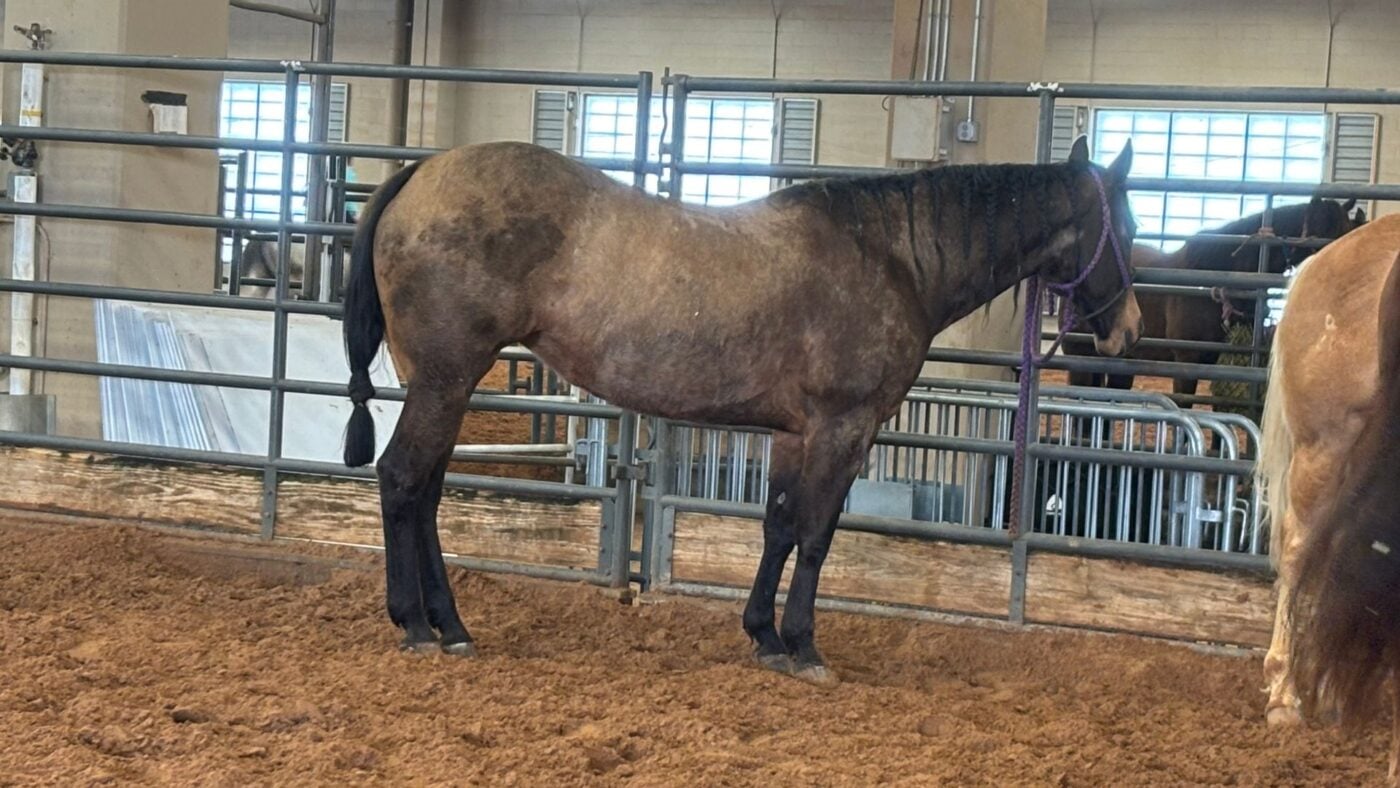
Grullos tend to darken significantly in winter and lighten in summer, which can push them toward either end of the identification spectrum depending on the time of year. A grullo in full winter coat often reads as a dark, smoky charcoal — similar enough to a blue roan that the dorsal stripe becomes the only reliable separator. As the summer coat comes in, the dun factor becomes more visible and the primitive markings — dorsal stripe, leg barring, and facial mask — sharpen in contrast. If you’re evaluating a grullo in winter and you can’t find a clear dorsal stripe, wait for the summer coat or check the lower legs carefully for faint barring before drawing a conclusion.
Grullo seasonal ID tips:
- Winter coat: Darker overall — dorsal stripe may appear less defined; leg barring can wash out
- Summer coat: Primitive markings sharpen — best time to confirm dun genetics visually
- Year-round constant: Dorsal stripe never disappears entirely the way it does on a graying horse
How Young Grays Change — and Why They Fool Everyone
Young gray horses in their first three to four years are the most dangerous misidentification trap of the three — because they actively look like blue roans or grullos before the graying process becomes obvious. A gray horse born on a black base will spend its first year or two looking like a dark steel horse with minimal white hairs. Without gray goggles or obvious facial lightening, that horse can pass as a blue roan at a glance. The difference is that the graying process is always moving — every season, every coat shed, the horse gets lighter. A blue roan’s seasonal changes reset back to baseline. A young gray never resets. Each summer coat is lighter than the last, and each winter coat fails to return to the original depth of color. That progressive drift, tracked across even two seasons, is the definitive tell.
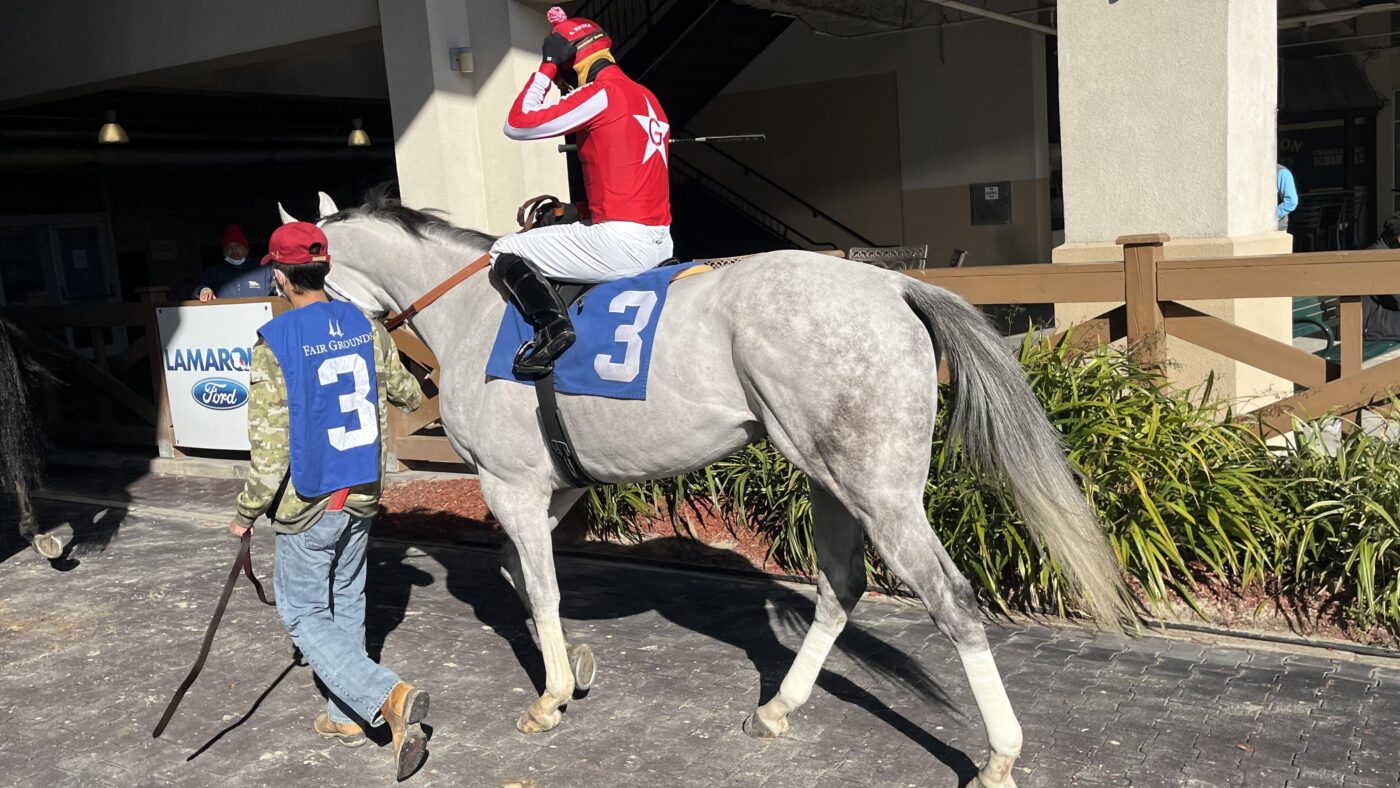
The riskiest time to buy a “blue roan” at auction is during fall and winter sales, when young horses are in their darkest coat of the year. A two-year-old gray on a black base, in a heavy winter coat with minimal facial whitening, can look nearly identical to a blue roan under arena lights. Ask for photos from the previous summer. If the body coat was noticeably lighter in summer than it is now in winter — and lighter than it was the summer before that — you are looking at a gray, not a roan. A blue roan’s summer coat lightens slightly and then recovers. A gray’s never does.
Genetic Verification: The Only Way to Be 100% Certain
The three field checks above will solve most identification questions, but they have limits. A horse in a heavy transitional shed, under poor lighting, or in its first two years of life can fool even experienced horsemen. When you are paying a color premium — or making a breeding decision based on coat genetics — visual identification alone is not enough. A DNA test is the only way to confirm what gene a horse is actually carrying.
What the Test Actually Looks For
Three separate genes are responsible for the three coats this article covers, and each one requires a different genetic marker to confirm. The roan gene (Rn) is a dominant allele — a blue roan carries at least one copy of Rn paired with a black base (Extension “E” and no Agouti). The dun gene (D) is what separates a grullo from every other dark coat; a horse without a confirmed D allele cannot be a true grullo regardless of what it looks like.
The gray gene (G) is also dominant and progressive — a single copy is enough to trigger the graying process, which is exactly why young grays are so dangerous to misidentify at a sale. A hair follicle panel from a certified equine genetics lab will confirm or rule out all three in a single submission.
What a coat color DNA panel confirms:
- Roan (Rn): Confirms true roan versus seasonal or age-related coat variation
- Dun (D): Confirms grullo — no D allele means no grullo, regardless of coat appearance
- Gray (G): Detects the graying gene before visible symptoms appear — critical for young horses
- Extension & Agouti: Confirms the black base required for both blue roan and grullo
Where to Get a Certified Test
The UC Davis Veterinary Genetics Laboratory is the most widely recognized equine coat color testing facility in North America and the one most accepted by AQHA, Paint Horse Association, and breed registries for color verification disputes. Their coat color panel tests for roan, dun, gray, and base color alleles from a simple hair pull with the root follicle attached — no blood draw, no vet visit required. Results typically return within one to two weeks. For a horse you are buying at a premium, that turnaround is worth building into your purchase agreement as a contingency.
In 30 years, I’ve seen experts get it wrong at the sale barn because a horse was in a weird transitional shed. If you’re paying a “Blue Roan” premium, don’t just trust your eyes or the registration papers — they can be wrong. A simple hair pull for a DNA test is the only way to know if that horse is a true roan or just a flashy gray in disguise. It’s the best $25 you’ll ever spend in this business.
Does Coat Color Affect a Horse’s Value?
The short answer is yes — significantly, and in ways that aren’t always rational. Color premiums at Quarter Horse and Paint sales are real, well-documented, and frequently exploited by sellers who know that buyers respond emotionally to unusual coat colors. Understanding the price dynamics for blue roan, grullo, and gray horses protects you from overpaying and, if you are selling, helps you position a horse correctly.
Blue Roan: The Premium Color
Blue roan consistently commands one of the highest color premiums in the Quarter Horse and Paint markets, particularly in working cow horse, reining, and ranch horse disciplines. The combination of relative rarity, visual distinctiveness, and the fact that the coat pattern retains the same overall pattern through adulthood makes blue roans highly desirable for both performance buyers and recreational riders.
At Louisiana and Texas sale barns, it is not unusual to see a blue roan with average or below-average conformation sell above horses with superior build simply because of coat color. That emotional premium is real — and it is exactly what makes misidentification so costly when a seller is labeling a young gray as a roan.
Grullo: The Specialty Premium
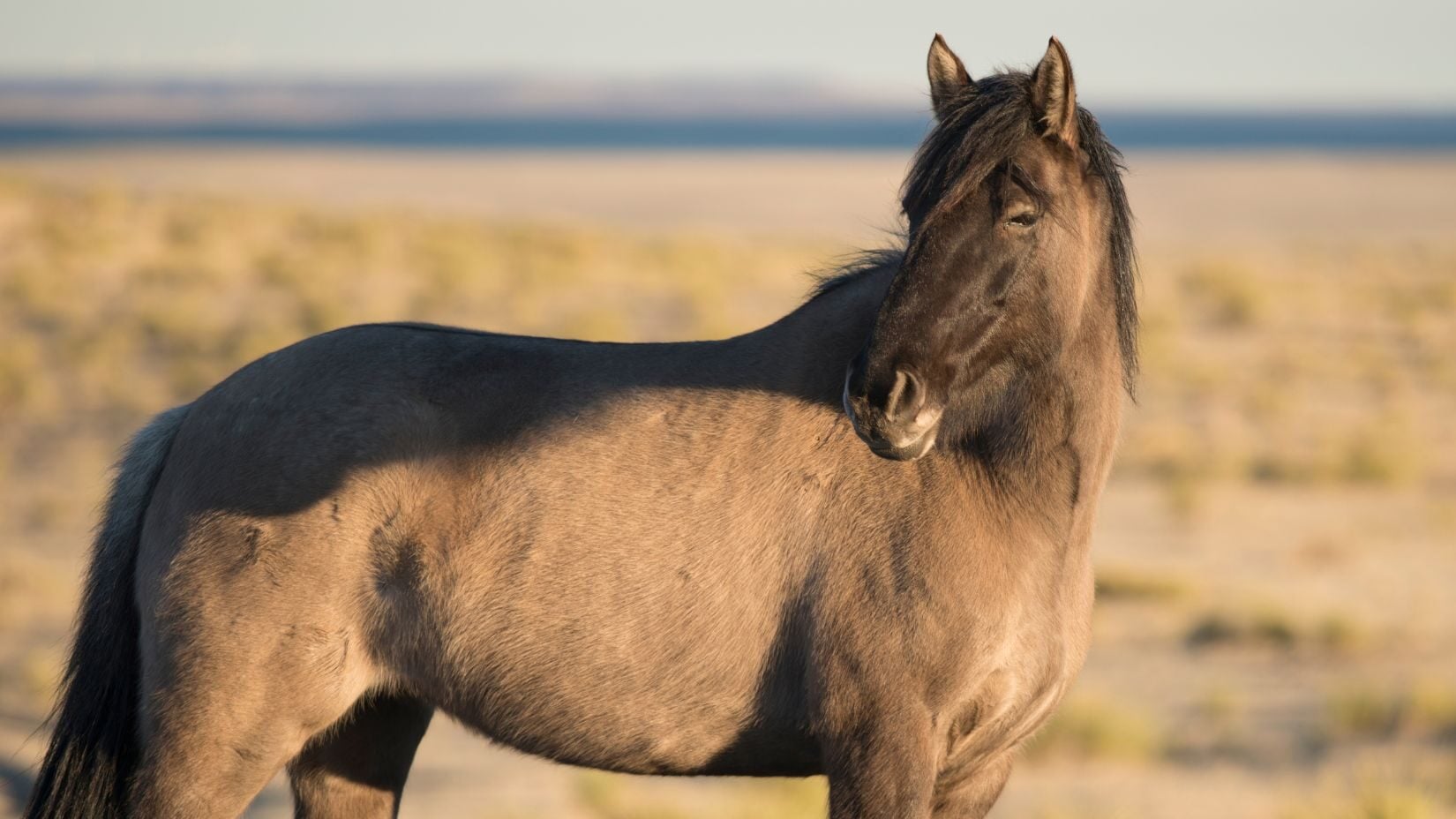
Grullo commands a strong premium in specific markets — primarily cutting, working ranch, and Western pleasure — where dun coloring carries deep cultural cachet tied to the classic “Spanish mustang” aesthetic. The premium is most pronounced when primitive markings are sharp and well-defined: a crisp dorsal stripe, clear leg barring, and a defined facial mask add value in the show pen and in breeding programs where color consistency is a selling point.
Outside of those specific disciplines, grullo premiums are softer than blue roan premiums and more dependent on performance record and bloodlines. A grullo with a weak pedigree will not command the same return as a blue roan with the same bloodlines in a general sale.
Gray: The Discount Color in Breeding Programs
Gray horses present a paradox: visually striking as young horses, they are frequently discounted in serious breeding programs because the dominant gray gene masks all other color genetics in offspring. A gray stallion bred to any mare will produce gray foals at a predictable rate regardless of the mare’s color — which makes color planning nearly impossible for breeders trying to produce roans, duns, or other specialty colors.
In Thoroughbred racing, gray is common enough that it carries no premium, and The Jockey Club’s longstanding practice of registering both gray and roan horses under the combined designation “Gray or Roan” has historically created additional confusion at claiming races and in bloodstock evaluation.
I call it the “color tax” — the extra money buyers pay at auction simply because a horse looks unusual under the lights. I’ve watched blue roans with bad hocks sell for $4,000 more than a correct bay with a better pedigree sitting two stalls over. The color tax is real, and sellers know it. My rule is simple: if I’m paying a color premium, I want the DNA panel in hand before I write the check. A pretty coat on a gray horse wearing a roan’s price tag is an expensive mistake I’ve seen made more than once.
| Factor | Blue Roan | Grullo | Gray |
|---|---|---|---|
| General Market Premium | High — broad appeal across disciplines | Moderate — discipline-specific | Low to neutral — discounted in breeding |
| Strongest Market | Ranch, reining, recreational | Cutting, working ranch, Western pleasure | Racing, general performance |
| Breeding Value of Color | Predictable if genetically confirmed | High in dun-breeding programs | Masks all other color genetics |
| Misidentification Risk | High — young grays frequently sold as roans | Moderate — dark winter coat causes confusion | Low — graying eventually becomes obvious |
FAQs
Can a blue roan turn gray over time?
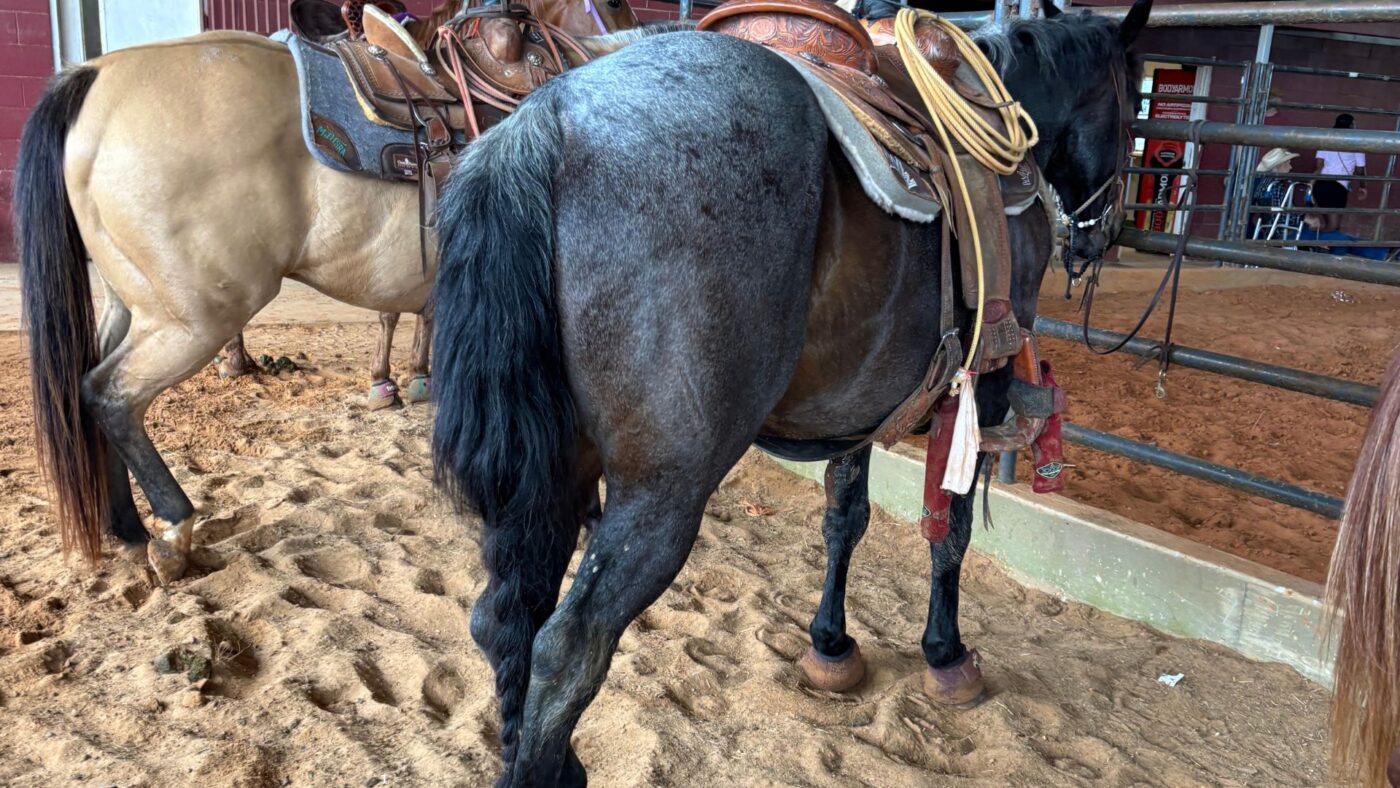
No. A true blue roan carries the dominant roan gene (Rn), which produces a stable coat pattern that does not change progressively with age. The body coat may lighten slightly in summer and deepen in winter due to seasonal shedding, but the overall pattern — dark head, dark legs, roaned body — does not undergo progressive whitening. If a horse you believed was a blue roan is getting noticeably lighter each year, it is almost certainly carrying the gray gene (G), not the roan gene.
How can I tell if my blue roan foal will eventually turn white?
Look at the face. If a young horse has white “goggles” around the eyes or a pale muzzle while the body is still dark, it is almost certainly a Gray — not a Blue Roan. True Blue Roans keep their dark head and solid black legs for their entire life. The graying process almost always shows at the face first, even before the body coat begins to change. If the head stays dark through the first two coat cycles, you are almost certainly looking at a true roan.
Can a blue roan horse have a dorsal stripe?
No. A true Blue Roan is a black-based horse carrying the roan gene (Rn), which does not produce a dorsal stripe. If you see a clear, continuous dark line running down the spine, the horse is genetically a Grullo — dun-based, not roan. Countershading, a faint shadow along the topline, can occasionally appear on dark-coated horses including roans, but it is not a true genetic dorsal stripe and lacks the crisp, continuous definition of a dun-based marking. When in doubt, check the lower legs for zebra bar markings, which always accompany a true dun dorsal stripe.
Why is my blue roan turning red in the summer?
This is almost always sun-scorch — UV bleaching of the black base coat. The black hairs in a blue roan’s coat are prone to UV damage, which oxidizes the pigment and shifts the color toward a rusty or brownish red by mid-summer. It does not change the horse’s genetics or coat pattern. The winter coat will return to its normal steel-blue color once the bleached hairs shed out. If the reddish color persists through winter and deepens year over year, that is worth investigating further — but seasonal sun-scorch is by far the most common cause.
Is a blue roan worth more than a grullo?
Generally, yes, in the broader market, though both currently command strong premiums in Western disciplines. Blue roans tend to fetch higher prices in the open market due to their relative rarity; they are considerably less common than bay or sorrel coats in AQHA registries, and their visually striking steel-blue appearance under arena lighting. Grullos command their strongest premiums in cutting, working ranch, and Western pleasure disciplines, where dun coloring carries cultural value. Outside those specific markets, blue roan premiums are typically broader and more consistent. In either case, the color premium should always be verified with a DNA panel before paying above market value.
What is the rarest roan color?
Among the classic roan types — red roan, bay roan, and blue roan — Blue roan is often perceived as the rarest of the common roan variations because black-based roans occur less frequently in many breeds than bay or chestnut base horses in most breeds. Within roan variations, a blue roan with exceptionally strong contrast between a near-solid black head and a heavily roaned body is particularly uncommon and typically commands the highest color premium at auction.
Can registration papers confirm a blue roan?
Not reliably. AQHA maintains separate color codes for roan and gray, but registration color is assigned at birth based on visual assessment — not genetic testing. Young gray horses on a black base are frequently registered as roan before the graying process becomes obvious. The Jockey Club goes further, registering both gray and roan Thoroughbreds under the combined designation “Gray or Roan” with no genetic distinction at all. For any purchase where color affects price, treat registration papers as a starting point, not a guarantee. A DNA panel from UC Davis is the only confirmation that holds up.
Can two blue roans produce a gray foal?
Only if one or both parents also carry the gray gene. Gray is a dominant gene that cannot skip a generation or appear spontaneously — at least one parent must carry and pass on the G gene for a foal to gray out. If both parents are confirmed true Blue Roans with no gray gene present, they cannot produce a gray foal. This is exactly why DNA testing matters in breeding programs: a horse can carry both the roan gene and the gray gene simultaneously, and without genetic confirmation, a gray foal from two apparent “roans” will come as an expensive surprise.
If I had to give one piece of advice to someone buying a colored horse at auction, it would be this: slow down before you open your wallet. The three checks in this article — head, legs, dorsal stripe — take less than two minutes and will save you thousands. If you still aren’t sure, pull a hair sample and send it to UC Davis. The field tricks will get you 95% of the way there. The DNA test covers the other 5% — and in this business, that other 5% is where the expensive mistakes live.
Want to go deeper into the DNA? Read my full Blue Roan Horse Guide for a complete breakdown of the Rn allele and breeding strategies.
About Miles Henry
Racehorse Owner & Author | 30+ Years in Thoroughbred Racing
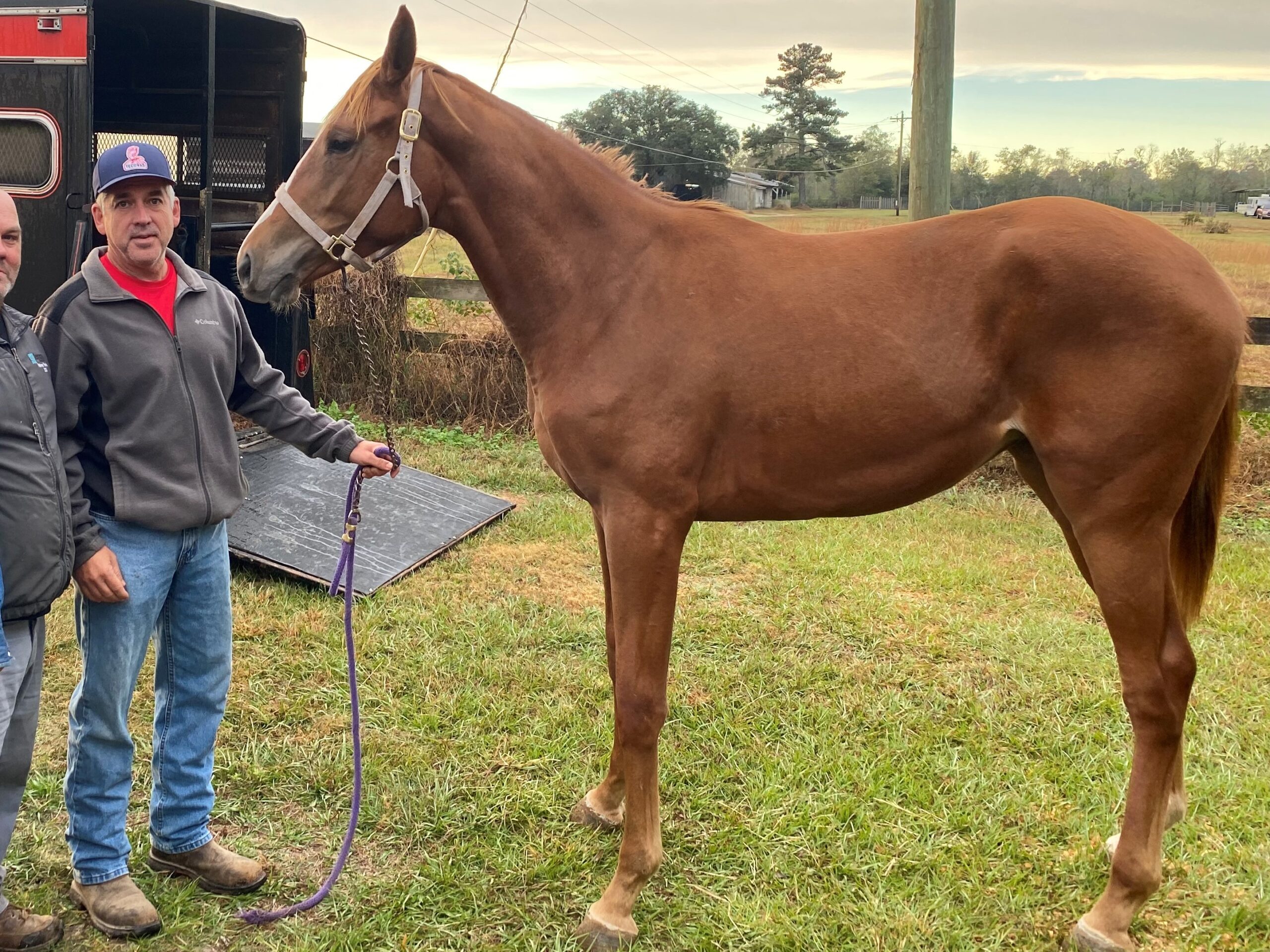
Miles Henry (legal name: William Bradley) is a professional horseman based in Folsom, Louisiana. He holds Louisiana Racing License #67012 and has spent over three decades managing Thoroughbreds at premier tracks including Fair Grounds, Delta Downs, and Evangeline Downs.
Expertise & Hands-On Experience: Beyond the track, Miles has decades of experience in specialized equine care, covering everything from hoof health and nutrition to training protocols for Quarter Horses, Friesians, and Paints. Every guide on Horse Racing Sense is rooted in this “boots-on-the-ground” perspective.
30 of their last 90 starts
Equibase Profile.

Connect with Miles: