
Last updated: September 28, 2026
On paper, the Preakness looks like a Derby rematch, but it rarely plays out that way. If you’re trying to decide how much weight to give Derby form, or whether a horse that skipped Louisville belongs on your ticket, it helps to know what kind of horse this race actually rewards.
The Preakness Stakes winning profile is usually a horse with enough tactical speed to get position early without being hard-used to do it. Horses that lead, press, or sit within striking range win more often than deep closers, and recent results show a horse doesn’t need a Kentucky Derby start to be a serious Preakness threat.
I looked at what recent winners have in common, what post position does and doesn’t tell you, what the two-week turnaround changes, how to treat the Laurel Park year, and the checklist I use before I make a bet.
Table of Contents
How the Preakness Differs From the Derby
The Kentucky Derby often rewards survival. The Preakness puts a bigger premium on position. At 1 3/16 miles, the Preakness is a sixteenth of a mile shorter than the Derby, and the field is usually much smaller, often 8 to 12 horses instead of the Derby’s 20. Fewer horses mean less traffic, cleaner early placement, and fewer excuses for a horse that can’t get himself into position.
A closer can still win the Preakness, but he usually needs the race to come apart. If he’s eight or ten lengths back with dirt in his face early, and the pace is honest rather than collapsing, he’s got a lot to overcome. Over the years, I’ve watched plenty of Derby closers come back two weeks later and look flat-footed turning for home. I’d rather have the horse that can put himself in the race without being used hard.

What Recent Preakness Winners Have in Common
Here’s how the last 10 winners got the job done, and whether they came out of the Derby. I’ll roll this table forward each year.
| Year | Winner | Ran in the Derby? | How he or she won |
|---|---|---|---|
| 2026 | Napoleon Solo | No | Stalked the leader from post 10, took over on the far turn |
| 2025 | Journalism | Yes (2nd) | Rallied from off the pace through traffic trouble |
| 2024 | Seize the Grey | No | Led wire to wire on a muddy track |
| 2023 | National Treasure | No | Led wire to wire |
| 2022 | Early Voting | No | Stalked the leader and took over in the stretch |
| 2021 | Rombauer | No | Rallied from midpack |
| 2020 | Swiss Skydiver | No | Pressed the pace and won a stretch duel (run in October that year) |
| 2019 | War of Will | Yes | Stalked and slipped through inside |
| 2018 | Justify | Yes (won) | Led wire to wire |
| 2017 | Cloud Computing | No | Stalked the leaders and ran them down |
How I classified these trips: “close to the pace” means leading, pressing, or sitting within a few lengths of the lead through the early stages, based on race charts and replays. It’s a handicapping profile, not a guarantee.
Looking at those winners, one thing jumps out: most of them had early position. Rombauer and Journalism were the exceptions, making their winning moves from farther back. The other thing is how many skipped the Derby. Seven of these 10 winners didn’t run in Louisville.
Why Tactical Speed Matters
The Preakness gets labeled a speed race, but I think tactical race is more accurate. The ideal Preakness horse doesn’t have to have the lead. He needs enough early foot to avoid getting shuffled back, but he shouldn’t have to be sent hard just to stay involved.
I think of these as honest horses. They don’t need the pace to fall apart in front of them to win. They make their own luck by staying within striking distance, taking dirt without fighting the rider, and responding when they’re asked. In a race without a meltdown, that kind of horse can outrun a flashier closer who needs everything to fall apart in front of him.
Lone speed deserves respect too. When one horse figures to get an easy lead with nobody pressing him, he can wire the field, the way National Treasure and Seize the Grey did. So count the speed horses before anything else. If there’s only one, he’s a real threat. If there are two or three, they can soften each other up for the stalkers behind them.
What Post Position Tells You
Post position matters, but I don’t want to oversell it. At old Pimlico, middle posts produced a large share of past winners, and post 6 has the most wins in the historical record. That’s interesting context, not a betting system, since those numbers span different field sizes, gate setups, track conditions, and generations of horses.
What matters more is whether the draw fits a horse’s running style. A speed horse drawn outside may need enough early foot to clear the field or tuck in without getting hung wide. A rail horse needs a clean break and a rider who can keep him from getting buried. I use the post as a tiebreaker after pace, form, and fitness, not as the reason to bet a horse.
Napoleon Solo showed how that works in 2026. He broke from post 10, his rider moved him over quickly, and he settled right behind the leader. The post mattered less than his ability to get position.

The Two-Week Turnaround
The two weeks between the Derby and the Preakness shape the field more than most bettors realize. In that time, a Derby horse has to bounce back physically and mentally from one of the toughest races he’ll ever run, his trainer has to decide whether to run back or wait, and fresh horses are pointing for the Preakness.
Derby winners skip more often now. Golden Tempo was the third Kentucky Derby winner in five years to pass on the Preakness, after Rich Strike in 2022 and Sovereignty in 2025. Many trainers now prefer more recovery time after a hard Derby, especially when the horse had a taxing trip or a demanding spring campaign.
Fresh horses have had the edge lately. A horse that skipped the Derby doesn’t carry its physical toll. Trainer Chad Brown won with Cloud Computing and Early Voting, both of whom bypassed the Derby. In 2026, Napoleon Solo, Iron Honor, and Chip Honcho filled the top three at Laurel without having run in Louisville. Three Derby starters came back—Ocelli, Incredibolt, and Robusta—but none finished in the top three.
Watch for bounce and trip horses. This is where studying the Derby replay pays off. A Derby horse that gave everything to win or place, especially one that dug in through a long stretch battle, can come back flat. On the other hand, a horse that ran well in the Derby despite traffic or a wide trip may be better than his finish shows. Journalism, second in the Derby, had the class to overcome trouble and win.
Horseman’s Take: I’ve had horses come back off a hard effort two weeks later looking fine, sharp in their works, eating well, moving well in the paddock, and then run flat when they hit the track. The body absorbs stress that doesn’t show on the surface. A horse can look ready and not be ready. So when a respected trainer passes on the Preakness because a horse isn’t quite right, or confidently runs one back after a hard Derby, pay attention. Those decisions can tell you more than the betting line, especially when a trainer has nothing to gain by forcing a horse into the race.
Laurel Park and the Return to Pimlico
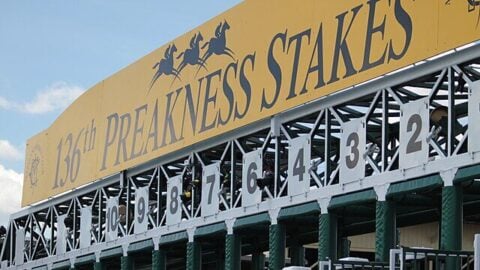
The 2025 running was the last Preakness at the old Pimlico. The 2026 race moved to Laurel Park while Pimlico is rebuilt, with the Preakness expected back at the new Pimlico in 2027.
Napoleon Solo showed why I use post position as a tiebreaker in 2026. He won from post 10 at Laurel, proving that an outside draw is manageable when a horse has enough tactical speed to secure position without getting caught wide. The post mattered less than his ability to stay involved early and keep going.
Old Pimlico post and pace history is useful background, not a blueprint. Tactical speed is still the first thing I’ll look for, but I’ll keep an open mind until the new track builds a real sample.

My Preakness Handicapping Checklist
Before I ever look at the odds, I want to know three things about a Preakness horse. Does he put himself in the race? Has he shown he can handle dirt kicked in his face? And did his last race take something out of him or build his confidence? From there, I work through this list:
- Count the speed horses. One means a lone speed threat. Two or three usually set it up for a stalker.
- Find the tactical horses. Look for horses that break alertly and can settle just off the lead. These are your main targets.
- Check the fresh horses. A horse that skipped the Derby, has solid prep races at a mile or longer, and has tactical speed deserves a close look, especially at a price.
- Watch the Derby replay. Upgrade horses that ran well despite traffic or a wide trip. Be careful with horses that emptied the tank.
- Use post position as a tiebreaker. A middle post helps a horse you already like. A wide post means he needs the speed to overcome it.
- Keep the bets tight. With a smaller field, a win bet on your top pick and a small exacta usually make more sense than spreading wide.
None of these angles replaces studying the entries, the pace setup, workouts, track condition, and price. A horse can fit the profile perfectly and still be a bad bet if the odds are too short. For the betting side, see my guides to pace figures and exotic bets. If you’re betting, set a budget you can afford to lose. If gambling stops being fun, call or text 1-800-GAMBLER.
Preakness Stakes Winning Profile: FAQs
What type of horse usually wins the Preakness?
Horses with tactical speed: runners that break well, lead or stay within practical striking distance, and keep finishing. In the 10-race sample above, eight winners had early position under that definition.
Do deep closers win the Preakness?
Sometimes, but not often. Rombauer in 2021 and Journalism in 2025 won from well back, but the shorter distance and smaller field usually favor horses that are closer to the pace.
Do horses that skip the Kentucky Derby do well in the Preakness?
Lately, yes. Seven of the last 10 Preakness winners didn’t run in the Derby, and in 2026 the top three finishers were all horses that skipped it.
Can a fresh horse beat Kentucky Derby horses in the Preakness?
Yes. A horse that skips the Derby avoids its physical toll and the two-week turnaround. Freshness alone does not make a winner, but recent results show that Derby participation is not a requirement: seven of the 10 winners in this sample skipped Louisville.
The Preakness isn’t a smaller Derby. The Preakness Stakes winning profile is a horse that can be in the race early without being hard-used to get there. Start with the pace picture, give the fresh runners a fair look, and study which Derby horses had more left than their finish suggests. The best bet isn’t always the Derby horse with the biggest name. It’s often the one whose running style, condition, and price fit the race in front of him.
About Miles Henry
Racehorse Owner & Author | 30+ Years in Thoroughbred Racing
Miles Henry (legal name: William Bradley) is a professional horseman based in Folsom, Louisiana. He holds Louisiana Racing License #67012 and has spent over three decades managing Thoroughbreds at premier tracks including Fair Grounds, Delta Downs, and Evangeline Downs.
Expertise & Hands-On Experience: Beyond the track, Miles has decades of experience in specialized equine care, covering everything from hoof health and nutrition to training protocols for Quarter Horses, Friesians, and Paints. Every guide on Horse Racing Sense is rooted in this “boots-on-the-ground” perspective.
30 of their last 90 starts
Equibase Profile.

Connect with Miles: