
Last updated: August 30, 2026
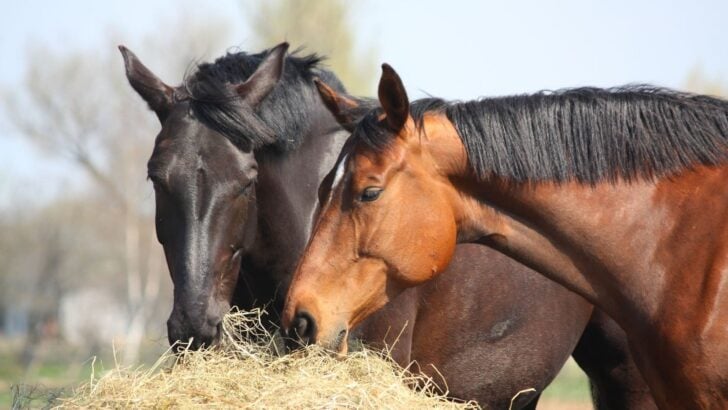
If your horse has heaves, one of the first things most owners look at is the feed bucket and hay rack. I know that was one of my first concerns with our own mare: are we feeding her in a way that makes breathing harder, and what changes might actually help?
The foundation of feeding a horse with heaves is reducing the dust and mold it breathes while eating. Choose the cleanest forage you can, soak or properly steam hay when appropriate, and avoid feeding setups that put your horse’s nose directly into dusty forage. These changes may reduce flare-ups and respiratory irritation, but they do not replace veterinary diagnosis or treatment when medication is needed.
In this article, I’ll cover the feeding changes that can make the biggest difference for horses with heaves, including hay choices, soaking versus steaming, forage alternatives, and feeding practices that help keep irritants out of your horse’s breathing zone.
Table of Contents
What Are Heaves?
Heaves is a chronic respiratory disease in horses caused by an overreaction to airborne irritants such as dust, mold spores, and other particles in hay, bedding, and the barn environment. It is also called recurrent airway obstruction (RAO), although veterinarians now generally place it under the broader equine-asthma spectrum.
When a horse with heaves breathes in those irritants, the small airways can tighten, become inflamed, and produce more mucus. The horse then has to work harder to move air in and out of its lungs. Because hay and the feeding environment are common sources of dust and mold exposure, what you feed – and how you feed it – can make a meaningful difference in day-to-day management.
A horse struggling to breathe may use its abdominal muscles more during exhalation, which can create the visible “heave line” along the flank that gives the condition its familiar name. There is no cure for heaves, but many horses do well long-term when owners reduce airborne irritants, make thoughtful feeding changes, and follow a veterinarian-directed management plan.
Common signs include chronic coughing, nasal discharge, exercise intolerance, wheezing, flared nostrils, and increased effort when breathing out. A veterinarian should diagnose heaves and rule out other causes of coughing or breathing difficulty.
This is a real chronic respiratory disease – not a minor inconvenience. Severe or poorly controlled equine asthma can permanently affect a horse’s lungs and ability to exercise. Feeding and environmental changes reduce the irritant load, but they don’t replace veterinary diagnosis or medication when medication is needed. If your horse is coughing, wheezing, breathing harder than normal, or struggling to recover after work, contact your veterinarian before trying to manage the problem through feed changes alone.
Feeding Tips for Horses With Heaves
The foundation of feeding a horse with heaves is reducing the dust, mold, and airborne particles your horse breathes around every meal. For many horses, hay is the biggest exposure source, so the type of forage you choose, how you prepare it, and where you feed it can make a meaningful difference in day-to-day management.
Soaking Hay for Horses With Heaves
Even hay that looks clean can release dust and small particles when a horse pulls, shakes, and chews it. For a horse with heaves or equine asthma, those particles may be enough to trigger coughing or make breathing more difficult. Soaking hay is a practical way to reduce respirable dust before feeding, although horses with more severe disease may need a more aggressive low-dust management plan.
I have learned with our own mare that clean-looking and clean-smelling hay are not always the same thing as low-dust hay. A horse with sensitive airways may react to particles we do not notice.
Soaking does not make poor-quality hay safe. Never use it to salvage hay that is moldy, musty, or spoiled. Feed soaked hay promptly, discard the soaking water, and keep tubs, nets, and feeding areas clean so wet forage and contaminated water do not become another source of microbial growth.

Steamed Hay for Horses With Heaves
Proper hay steaming can substantially reduce respirable dust and may reduce microbial contamination compared with feeding dry hay, making it a useful option for some horses with equine asthma. Unlike soaking, steaming can reduce dust without producing soaking wastewater or removing as many soluble nutrients from the forage.
The important thing is that the hay is heated thoroughly and consistently. A steamer designed for horse hay makes it easier to achieve reliable results, while homemade systems may not heat forage evenly enough to provide the same level of dust reduction. If your horse has significant asthma, discuss a homemade setup with your veterinarian before relying on it as the main forage-management change.
Steaming is a management tool, not a cure. Some horses still need veterinary treatment, including medications such as bronchodilators or corticosteroids, especially during a flare-up.
Low-Dust Forage Alternatives
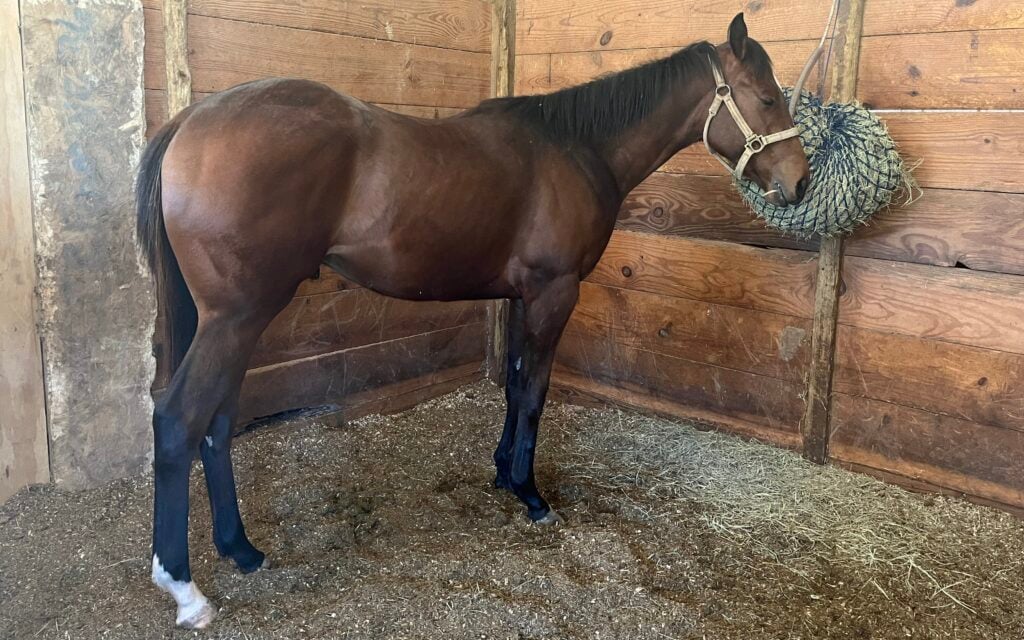
Hay cubes, hay pellets, and complete pelleted feeds can be useful lower-dust options when a horse cannot tolerate dry long-stem hay or when soaking and steaming are not practical. The right choice depends on your horse’s body condition, dental health, workload, metabolic status, and nutritional needs, so make a major forage change with your veterinarian or an equine nutritionist. My comparison of hay cubes versus pellets explains the practical differences between those forage options.
A Horseman’s Take: For general hay feeding questions that go beyond the heaves-specific advice here – how much to feed, how to test it, how to store it properly – my guide to feeding horses hay covers that in full. The short version for a heaves horse: the type and preparation of hay matters more than usual, but the amount you feed and how you store it follows the same rules as any horse.
Can Omega-3 Supplements Help Horses With Heaves?
Some horses with equine asthma may benefit from omega-3 supplementation because certain omega-3 fatty acids have anti-inflammatory properties. However, supplements are a supporting tool – they are not a replacement for reducing dust and mold exposure, improving ventilation, or following your veterinarian’s treatment plan.
Before adding an omega-3 supplement, ask your veterinarian or an equine nutritionist whether it fits your horse’s total ration and nutritional needs. For most horses with heaves, improving forage quality and reducing airborne irritants will have a much bigger impact than any single supplement.
Avoid Round Bales for Horses With Heaves
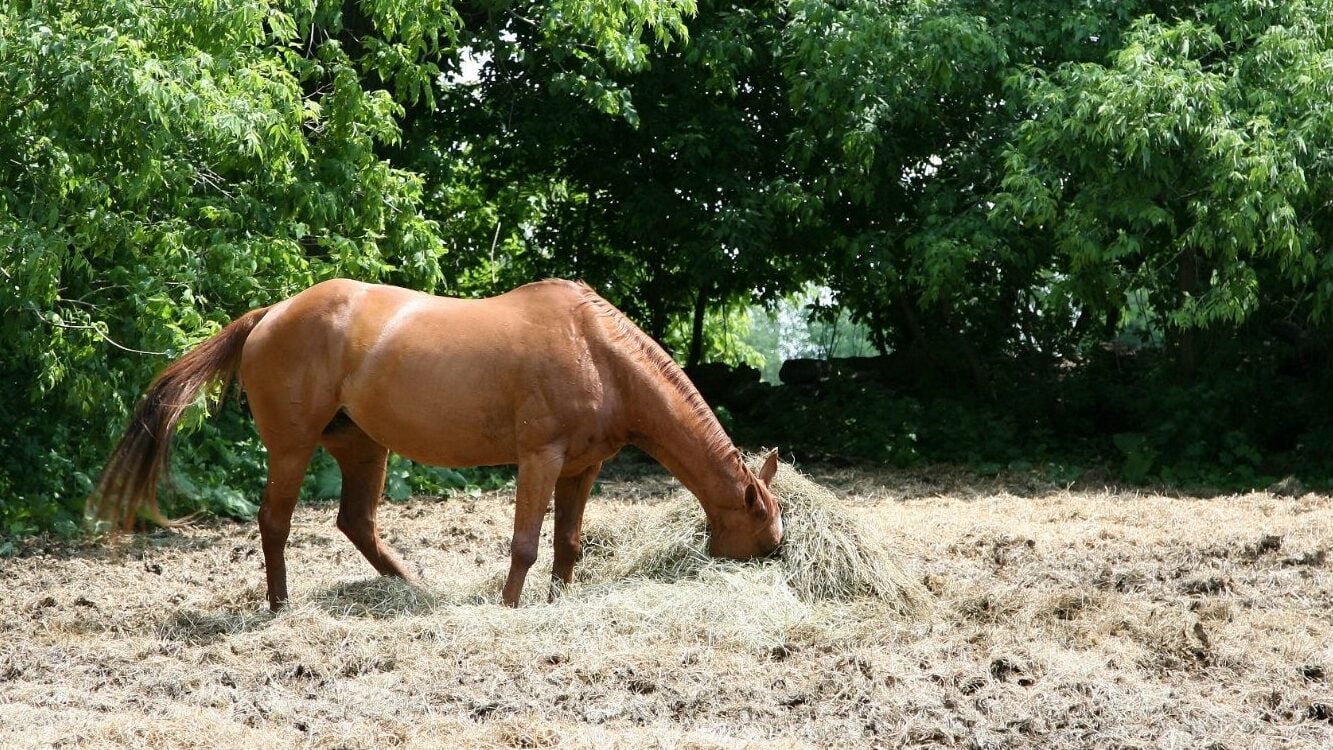
If your horse has heaves, feeding directly from a round bale is one of the first practices I would reevaluate. I understand why people use round bales – they’re convenient, especially with multiple horses, and during hay season we sometimes have them delivered to our own barn. We keep ours stored up high and dry because proper storage matters for hay quality regardless of whether a horse has respiratory issues.
The problem with round bales is not simply the bale itself – it’s how horses eat from them. Many horses bury their noses deep into the bale, putting dust, mold spores, and organic particles directly into their breathing zone. Even a good-quality round bale can be a poor choice for a horse with sensitive airways when fed this way.
If your veterinarian believes a round bale must remain part of the feeding program, ask whether unrolling it and feeding inspected hay from the bale is appropriate rather than allowing nose-first feeding. For many horses with heaves, however, square-bale hay prepared to reduce dust or a suitable low-dust forage alternative is the more practical option.
For a closer look at round-bale storage, quality, and feeding setups, round hay bales: uses, costs, and weight covers the details.

Reducing Dust: Bedding and Barn Management for Horses With Heaves
Feeding changes are one of the biggest steps you can take for a horse with heaves, but they address only part of the horse’s daily exposure to airborne irritants. Stall bedding, manure and urine management, and the overall barn environment matter just as much – especially for horses that spend significant time indoors.
Some types of sawdust and straw can create more airborne dust than other bedding choices. For our own horses, we have settled on kiln-dried pine shavings because they keep stalls clean without the dust issues we have seen with some other materials. Bedding pellets made from compressed pine shavings are another lower-dust option some owners like, although I have not personally used them. Hemp, peat, shredded paper, and other low-dust products may also be worth considering depending on availability, cost, absorbency, and how your horse responds.
Ammonia from urine can irritate the respiratory tract, so choose bedding that manages moisture well and remove wet spots promptly. Stall mats can reduce the amount of bedding required and make daily stall care easier. Dust does not stay in one stall, so it is better to improve the whole barn environment than focus only on the affected horse’s stall. When possible, turn the horse out before sweeping aisles, shaking bedding, moving hay, or doing other dusty barn jobs.
Good barn ventilation helps move airborne particles and ammonia out of the horse’s breathing space. A horse with heaves may react strongly to dust and irritants in its environment, so avoid keeping it in poorly ventilated stalls or next to dry, dusty paddocks and roads whenever practical.
Below is a video with tips on managing a horse with heaves.

Feeding a Horse With Heaves: FAQs
Is there a cure for heaves in horses?
No, there’s no cure, but eliminating allergen exposure often substantially reduces clinical signs. Hay – especially fed in round bales – and dusty bedding are two of the biggest sources of the mold and dust that trigger heaves.
How do I know if my horse has heaves?
Horses with more serious cases may struggle to breathe, cough, and wheeze even at rest, and have real difficulty with exertion – running can become difficult or impossible. Milder cases might just show a chronic cough, reduced performance, or a visible heaving line along the flank. A veterinarian can confirm the diagnosis and rule out other causes.
What is the best hay for a horse with heaves?
The best hay is clean, low-dust forage that your individual horse tolerates well. Some horses improve with steamed or soaked hay, while others do better on hay cubes, pellets, or a complete feed. The right choice depends on the horse, but moldy or dusty hay should be avoided regardless of type.
Does soaking hay work as well as steaming for a horse with heaves?
Both soaking and high-temperature steaming can reduce dust exposure from hay. Soaking is often less expensive and can help some horses, but it requires clean handling, prompt feeding, and disposal of the soaking water. Proper steaming can reduce respirable particles without creating soaking wastewater, but the equipment must heat the hay consistently. The better choice depends on your horse’s sensitivity, your setup, and your veterinarian’s plan – some severely affected horses may need a low-dust pelleted or cubed forage option instead of long-stem hay.
Can a horse with heaves still be ridden or worked?
Often, yes, once the condition is well-managed – but that depends on severity and your veterinarian’s assessment. A horse in the middle of a flare, working hard to breathe, needs rest and management changes first, not exercise.
Sources and Additional Reading
- American Association of Equine Practitioners. “Be a Dust Buster: Equine Asthma Treatment & Management Hinges on Reducing Respirable Particles in the Environment.”
- Merck Veterinary Manual. “Asthma in Horses (Heaves, Recurrent Airway Obstruction, Inflammatory Airway Disease).”
- University of Florida IFAS Extension. “Understanding Equine Asthma (Heaves).”
About Miles Henry
Racehorse Owner & Author | 30+ Years in Thoroughbred Racing
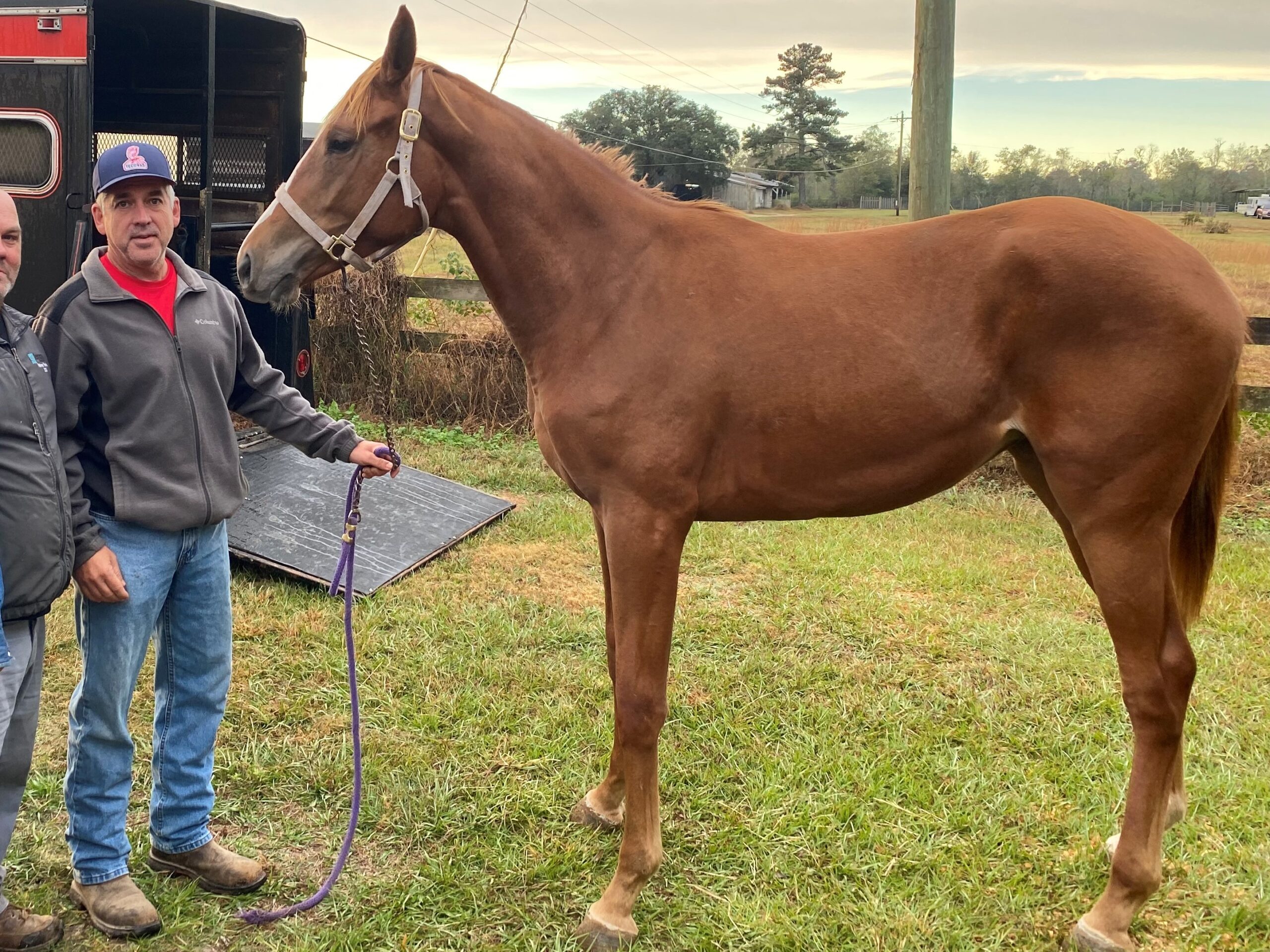
Miles Henry (legal name: William Bradley) is a professional horseman based in Folsom, Louisiana. He holds Louisiana Racing License #67012 and has spent over three decades managing Thoroughbreds at premier tracks including Fair Grounds, Delta Downs, and Evangeline Downs.
Expertise & Hands-On Experience: Beyond the track, Miles has decades of experience in specialized equine care, covering everything from hoof health and nutrition to training protocols for Quarter Horses, Friesians, and Paints. Every guide on Horse Racing Sense is rooted in this “boots-on-the-ground” perspective.
30 of their last 90 starts
Equibase Profile.

Connect with Miles: