
Last updated: November 10, 2026
Any links on this page that lead to products on Amazon are affiliate links and I earn a commission if you make a purchase. Thanks in advance – I really appreciate it!
Maybe you just bought a good felt hat and it’s still 90 degrees out, or you’ve noticed half the crowd at a rodeo switched to felt overnight and wondered whether there’s a rule you missed. There’s a rule, sort of, and plenty of cowboys bend it.
The dates aren’t the whole story, though. Weather, the occasion, and where you live all play a part, and there’s some old etiquette that still matters.
Table of Contents
When to Wear a Felt Cowboy Hat
Labor Day to Memorial Day is the felt season Resistol follows. Justin Boots uses Easter instead of Memorial Day as the spring switch. That difference alone tells you these are customs, not a dress code.
Down South, either date can feel out of step with the weather. Justin notes that some people start wearing straw as early as March, around the Houston Livestock Show and Rodeo, and keep it on into the fall if the heat hangs on.
For a wedding, funeral, or formal dinner, felt is generally the dressier choice, even outside its usual season. A black felt hat is a safe bet for a formal event.

Can You Wear a Felt Cowboy Hat in the Summer?
Yes. Felt isn’t off-limits in summer. The trade-off is comfort: felt is built for warmth, and straw lets more air through. Some people wear felt all year, and others switch to straw as soon as the weather warms up.
For a summer wedding or a dressier evening out, a felt can still be a good choice, and the season doesn’t make it wrong. For hours outside in the heat, straw is usually the more comfortable hat.
My felt hat is from American Hat Makers, and on a hot day it seems to absorb and hold the heat. I discuss it and their straw hat in my American Hat Makers felt and straw hat review.

Felt vs. Straw Cowboy Hats
| Feature | Felt | Straw |
|---|---|---|
| Traditional seasonal guideline | Labor Day to Memorial Day | Memorial Day to Labor Day |
| Warmth | Generally warmer; holds more heat | Usually cooler; allows more airflow |
| Dress | Generally dressier; common for formal occasions | Often more casual, depending on style and quality |
| Best for | Cooler weather, dressier occasions | Hot weather and outdoor work |
If you’re buying your first felt, it helps to know what separates a cheap cowboy hat from an expensive one before you spend the money.

If you’ve ever wondered how a felt cowboy hat gets its shape, this video shows a hat maker shaping and cutting one.


Weathering a Felt Hat
Weathering, or distressing, means making a new felt hat look like it’s been worn for years. It’s not the same as weatherproofing, which is about protecting a hat from rain. Some people just don’t want a hat that looks fresh off the shelf.
The methods you’ll find online include rubbing, sanding, staining, and deliberately creasing the hat. Tenth Street Hats describes several ways to distress a wool felt fedora, and Hats Unlimited covers using sandpaper to get a worn look. These techniques permanently change the hat, though, and not every method suits every type of felt.
Go slow if you decide to try it. Test the method on an inconspicuous area first, and don’t start with an expensive fur felt. If you have a good hat, talk to a hatter before you distress it.

The other way to weather a felt hat is to wear it. Sun, sweat, dust, and a few seasons of being pulled on and off give a hat character that’s hard to fake.
If your felt gets caught in the rain, follow the maker’s drying instructions. For its fur-felt hats, Resistol recommends turning down the leather sweatband and standing the hat on it to dry naturally. Never rest a wet hat on its brim, which can distort its shape, and keep it away from direct heat.
Cowboy Hat Etiquette
Choosing felt for a wedding or a funeral doesn’t mean keeping it on through the service. Traditional etiquette, as American Hat Makers lays it out, is to wear your hat outside and take it off indoors, except in informal places. Take it off for the national anthem and the Pledge of Allegiance, in church or during a prayer, and at an indoor funeral or wedding. During a solemn moment, hold it over your heart. A particular venue or family may have its own expectations, so follow their lead.
Indoor rodeos and country concerts are common exceptions to the indoor rule, and you’ll see plenty of felt hats under the lights.

Then there’s the folklore. Don’t set your hat on a bed, which is supposed to bring bad luck, and if you set it down, put it crown down so the luck doesn’t spill out.
Hat Seasons Aren’t Just a Cowboy Tradition
Seasonal hat rules weren’t limited to cowboys. In early 1900s New York, men’s straw hat season ended on September 15, known as Felt Hat Day, according to the New York Public Library. In 1922, gangs of boys started knocking straw hats off men’s heads a few days early, and the fighting went on for eight days.
That doesn’t mean today’s cowboy hat calendar came from New York. It does show how seriously people once took the switch.
About Miles Henry
Racehorse Owner & Author | 30+ Years in Thoroughbred Racing
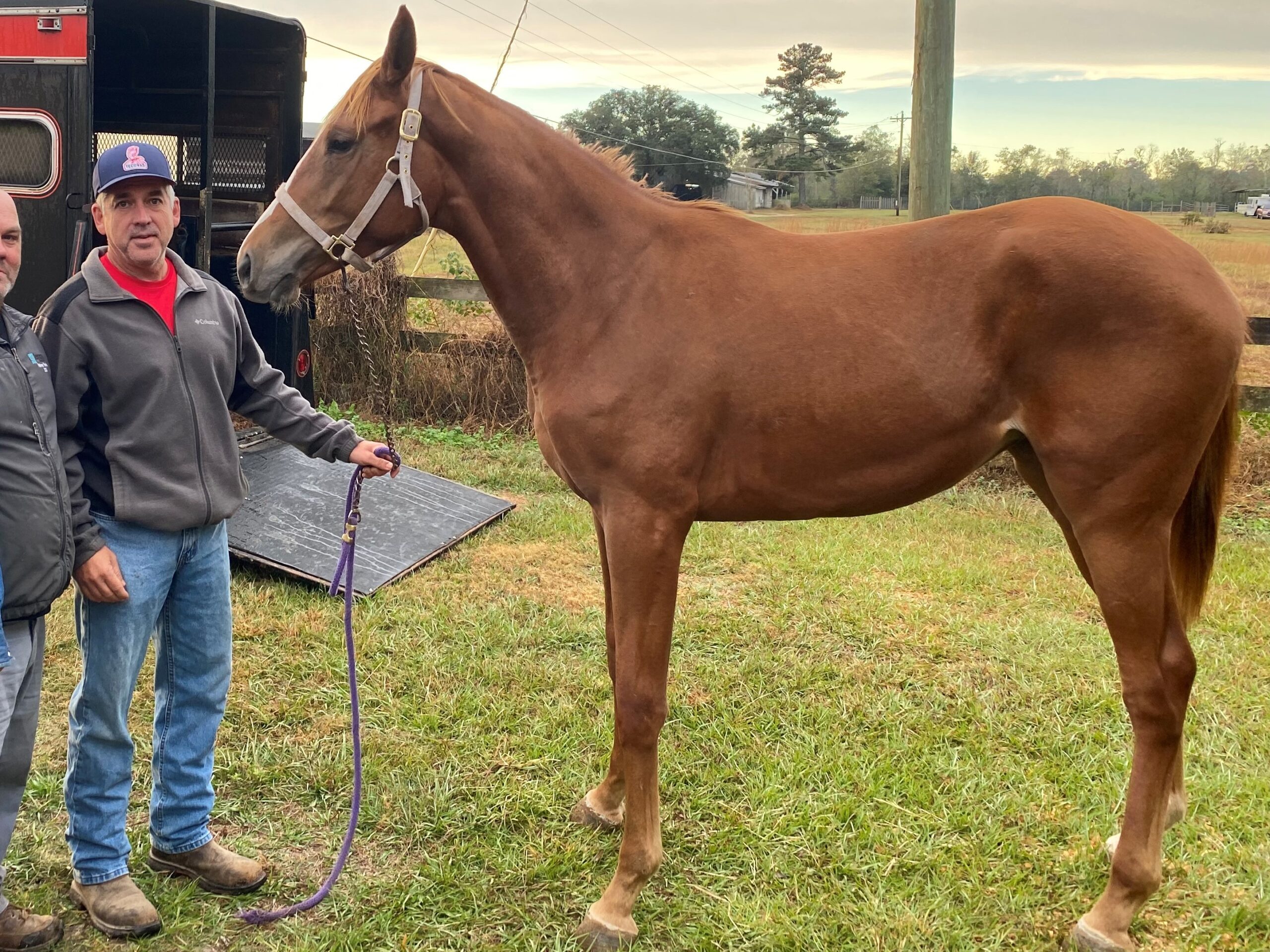
Miles Henry (legal name: William Bradley) is a professional horseman based in Folsom, Louisiana. He holds Louisiana Racing License #67012 and has spent over three decades managing Thoroughbreds at premier tracks including Fair Grounds, Delta Downs, and Evangeline Downs.
Expertise & Hands-On Experience: Beyond the track, Miles has decades of experience in specialized equine care, covering everything from hoof health and nutrition to training protocols for Quarter Horses, Friesians, and Paints. Every guide on Horse Racing Sense is rooted in this “boots-on-the-ground” perspective.
30 of their last 90 starts
Equibase Profile.

Connect with Miles: