
Last updated: July 2, 2026
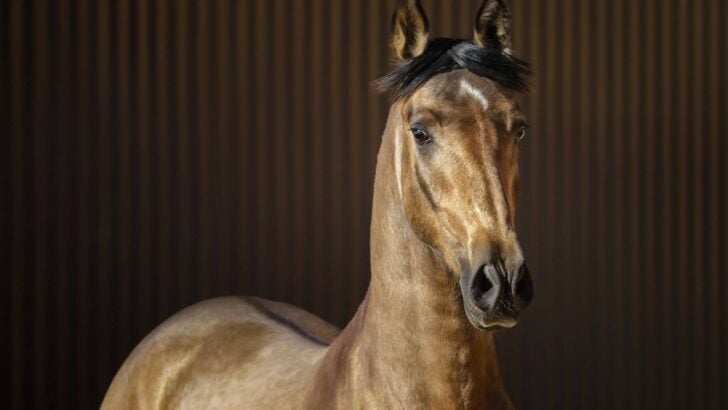
A dun coat gives you a natural starting point for choosing a name. Warm bay duns tend to suit earthy or western-style names, while grullas usually fit cooler, darker tones. If you start with color, let the coat guide the direction — but always make sure the name still sounds right when you’re calling it across the barn.
Good dun horse names tend to match the coat color, the horse’s build, and the presence you want the name to carry.
- Classic dun stallions: Canyon, Duke, Hawk, Titan, Maverick, Blaze, Kingston, Doc, Ace, Royal
- Classic dun mares: Aurora, Sierra, Amber, Willow, Celeste, Calypso, Dancer, Duchess, Sahara, Sandy
- Red dun: Copper, Sienna, Autumn, Ruby, Scarlett, Phoenix, Rusty, Maple, Crimson, Ginger
- Grulla / blue dun: Smoky, Shadow, Slate, Ghost, Sterling, Ash, Flint, Dusk, Steel, Pewter
- Gender-neutral: Dunny, Peanut, Biscuit, Toffee, Coco, Timber, Cookie, Cougar, Penny
- Pedigree-style: Doc’s Gold, Dunbar, Dunmore — a good fit if you want the name to carry bloodline or ranch tradition
Table of Contents
Tips for Naming Your Dun Horse
A few practical considerations before you commit to a name:
What works well for dun horse names:
- Match the coat color — duns have enough visual distinctiveness that a color-based name reads as intentional rather than generic. A red dun named Copper or Sienna makes immediate sense to anyone who sees the horse. A name that works for a buckskin may not land the same way on a dun with visible striping.
- Say it out loud first — a name should be easy to call across a pasture. Short names or names with hard consonants carry better at distance.
- Consider barn name vs registered name — if you’re registering a Quarter Horse, you have 18 characters and specific restrictions. The barn name can be anything; the registered name is the one you’ll be working around rules for.
- Watch personality before committing — a foal named “Blaze” that turns out to be the quietest horse in the barn will get called something else by everyone anyway. Give yourself a few weeks if you can.
- Pedigree naming is legitimate — incorporating a sire or dam’s name into your horse’s name is a respected tradition in the cutting horse and Quarter Horse world, not a sign of limited creativity.
Names for Male Dun Horses
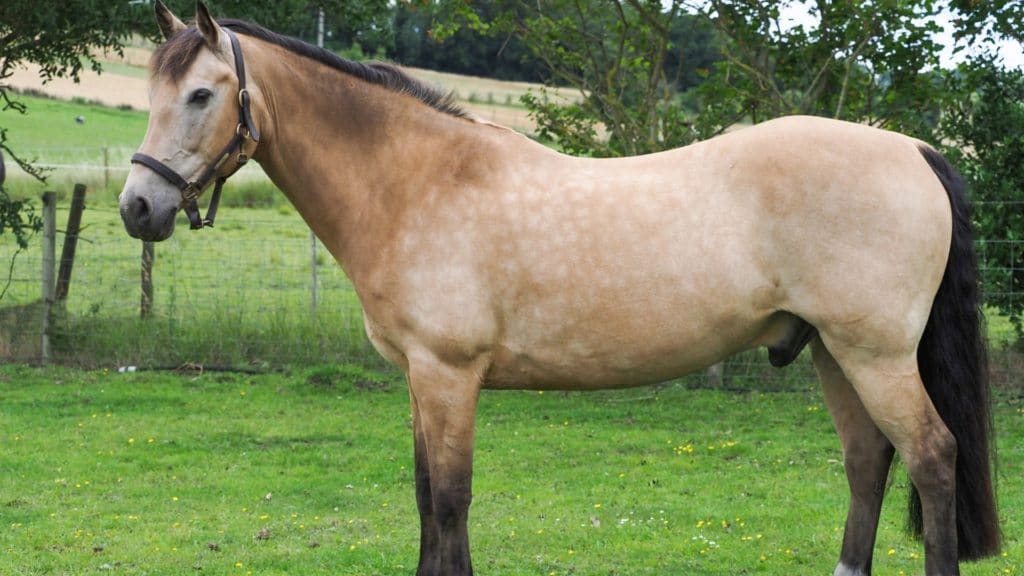
Male dun horses carry a natural presence that suits strong, grounded names. The options below are organized by theme — pick the direction that fits your horse’s build and temperament.
| Nature-Inspired | Strong and Majestic | Classic and Western |
|---|---|---|
| Canyon | Titan | Duke |
| Aspen | Thor | Doc |
| River | Maverick | Ace |
| Hawk | Blaze | Royal |
| Forest | Kingston | Buster |
| Flint | Magnus | Little Joe |
| Ridge | Ranger | King |
| Stone | Atlas | Charlie |
| Mesa | Rebel | Buddy |
| Dusk | Maximus | Oliver |
Names for Female Dun Horses
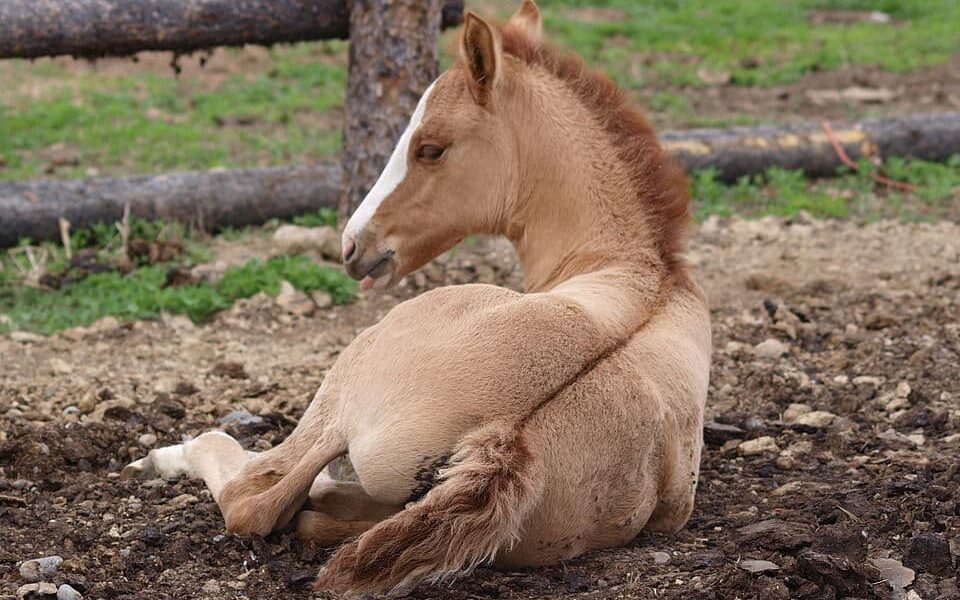
Dun mares often carry a quiet elegance alongside their distinctive coat. Names that reflect the earthy gold tones or the horse’s temperament tend to suit them well.
| Elegant and Sophisticated | Nature-Inspired | Playful and Spirited |
|---|---|---|
| Aurora | Willow | Zara |
| Serena | Ivy | Piper |
| Isabella | Daisy | Bella |
| Vienna | Amber | Luna |
| Celeste | Sierra | Ruby |
| Duchess | Sahara | Dancer |
| Calypso | Meadow | Sunny |
| Queen | Prairie | Summer |
| Cleopatra | Sandy | Honey |
| Princess | Goldie | Crackin |
Names for Red Dun Horses
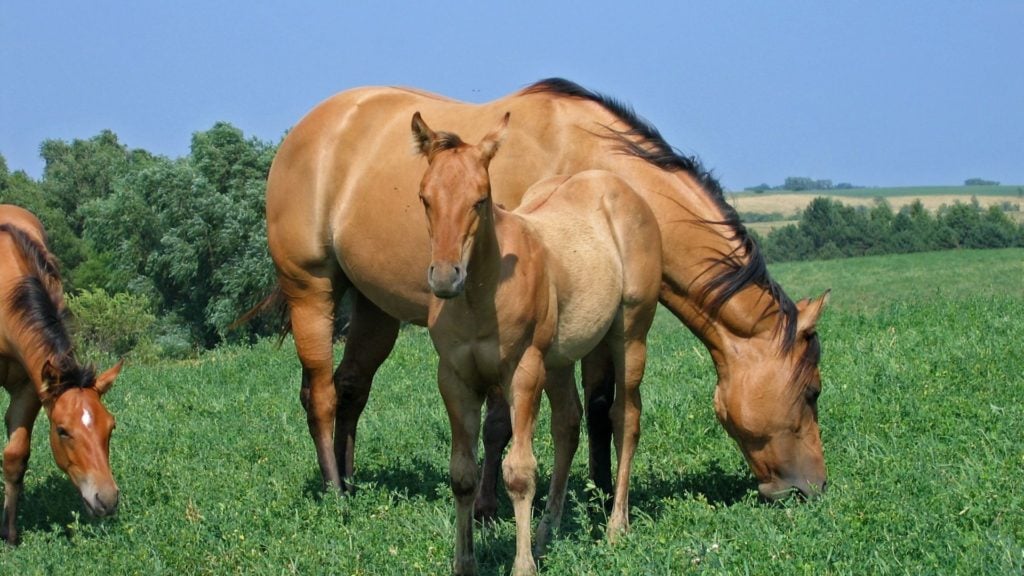
Red duns have a peach-to-reddish body with dark red stripes and barring rather than black — the chestnut base coat is what gives them that warm tone instead of the gold you see in a classic bay dun. The overall appearance is warm and striking. Names that reference fire, copper, autumn, or earth tones work particularly well for this color.
| Color-Inspired | Fire and Energy | Nature and Earth |
|---|---|---|
| Copper | Blaze | Amber |
| Sienna | Ruby | Maple |
| Sorrel | Scarlett | Clay |
| Ginger | Phoenix | Autumn |
| Rusty | Ember | Sunny |
| Honey Flames | Red Baron | Crimson |
| Cherry Bliss | Fury | Peach |
| Red Bloom | Scarlet | Tigger |
Names for Grulla and Blue Dun Horses
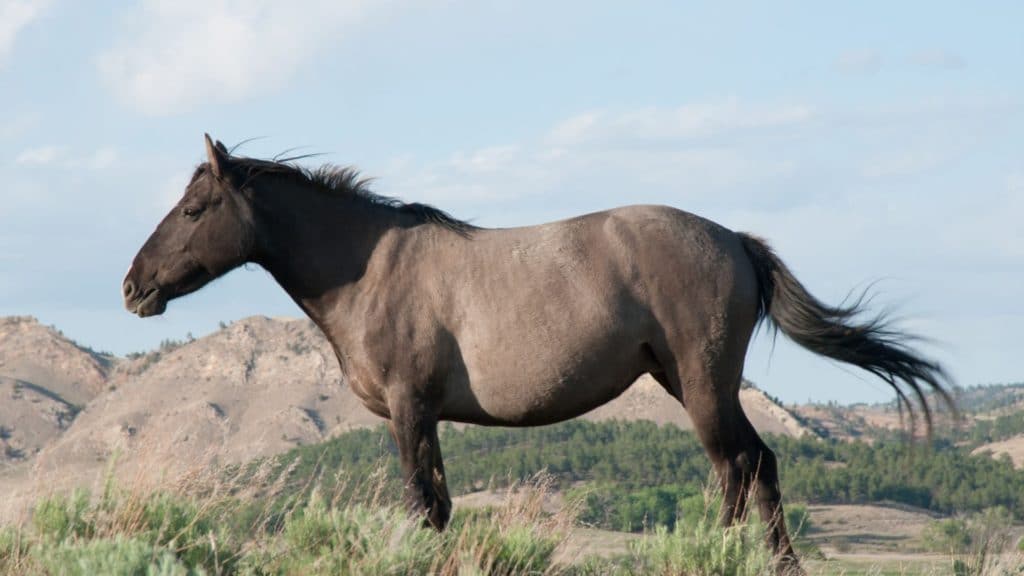
Grulla horses have a black base coat modified by the dun dilution gene, producing a smoky, slate, or mouse-colored body with dark dorsal striping and leg barring. They’re among the rarest and most visually striking of the dun variations. The dun gene creates a range of color combinations in grullas — from the silver grulla with near-white body color to the blue dun with a gray-blue cast. Names that reference smoke, steel, shadow, or cool earth tones fit this coat well.
| Smoky and Steel | Shadow and Night | Cool Earth Tones |
|---|---|---|
| Smoky | Shadow | Slate |
| Sterling | Ghost | Pewter |
| Steel | Dusk | Flint |
| Ash | Eclipse | Pebble |
| Gunmetal | Raven | Stone |
| Silver | Phantom | Granite |
Gender-Neutral Dun Horse Names
These names work across any dun color and any gender — practical picks that hold up well as barn names and everyday call names.
| Warm and Practical | Western Heritage | Personality-Based |
|---|---|---|
| Peanut | Cougar | Biscuit |
| Coco | Dunny | Cookie |
| Penny | Timber | Toffee |
| Sandy | Ranger | Buddy |
| Sahara | Scout | Tigger |
Famous Dun Horses in History
Some of the most influential Quarter Horse and cutting horse bloodlines have a strong connection to dun color programs. The horses below aren’t all duns themselves — Doc Bar was chestnut, Smart Little Lena was bay — but their offspring and descendant lines produced many celebrated dun horses, and their names have become embedded in the naming conventions of the cutting and Quarter Horse world. If you’re considering a pedigree-based name for your dun, these are the bloodlines worth knowing. For more on what makes these colors distinctive, see our dun horse colors and markings guide.
Doc Bar is one of the most successful cutting Quarter Horse sires of all time. A chestnut himself, many of his famous offspring carried dun coloring, including Doc’s Starlight, Doc’s Playmate, and Doc’s Oak.
Doc O’Lena, also sired by Doc Bar, was an NCHA Futurity champion who earned more than $21,000 and went on to sire dozens of cutting champions, including another futurity winner, Lenaette.
Smart Little Lena, sired by Doc O’Lena, was the first NCHA Triple Crown winner and held the record for cutting horse earnings — $643,275 — until 2010. A bay himself, his offspring spread the Doc O’Lena influence widely and have earned more than $50 million in the NCHA alone. Notable descendants include Two Two Smart, Smart War O’Lena, ImASmartLittleSugar, and Barb A Doc.
Zippos Mr. Good Bar, an NSBA and American Quarter Horse Hall of Fame inductee, sired the legendary Vital Signs Are Good, considered among the most significant AQHA competitors of his era.
Top Deck sired over 400 Quarter Horse foals earning 15 world championships. His well-known descendants include Top Flight, Moon Deck, Go Man Go, and Jet Deck.
Horseman’s Perspective: Pedigree-based names are more common than they look at first glance — “Doc’s Oak,” “Smart War O’Lena,” and “ImASmartLittleSugar” all carry lineage right in the name. If you know your horse’s bloodlines, weaving in a sire or dam name is a legitimate and respected naming tradition in the Quarter Horse and cutting world. For ideas on how racehorse naming works, see why racehorse names are so weird — the same creative logic applies.
FAQs: Dun Horse Names
What is a good name for a dun horse?
Good dun horse names draw from the coat’s earthy gold and tan tones, the horse’s western heritage, or the primitive markings that define the dun pattern. Popular choices include Canyon, Maverick, Amber, Sierra, Copper, and Dunny. For a grulla, names like Smoky, Shadow, and Slate fit the color better than warm-toned names.
What is the difference between a dun and a buckskin?
Both duns and buckskins have a gold or tan body with a dark mane and tail, which is why they’re often confused. The key difference is the dorsal stripe: duns have a dark stripe running down the spine (and often leg barring and shoulder striping), while buckskins do not. The dun dilution gene creates the primitive markings; the cream gene that produces buckskins does not.
What are some cool horse names?
Some standout horse names that work across colors and breeds include Eclipse, Maverick, Blaze, Flint, Titan, and Phoenix. For a dun specifically, names that reference the coat color or the dun’s distinctive markings tend to fit better than generic choices. See our full list of cool horse names for more options.
What do you name a buckskin horse?
Good buckskin names often reference the golden coat color: Bucky, Buckwheat, Dusty, Buttermilk, and Gold are popular choices. Buckskins share the tan coat of a dun but without the primitive markings, so names that don’t reference striping fit better. See our buckskin horse guide for a full list.
What is a grulla horse?
A grulla is a dun horse with a black base coat. The dun gene acts on that black base to produce a smoky, slate, or mouse-colored body with the characteristic dun stripe and leg barring. Grullas are among the rarest dun color variations and are particularly valued in the Quarter Horse and western performance world for their striking appearance.
Why are racehorse names so weird?
Thoroughbred naming rules limit names to 18 characters and prohibit using names of Grade I stakes winners, famous sires, or current racehorses — which pushes breeders toward creative combinations and puns. Quarter Horse and cutting horse names follow different conventions and often incorporate pedigree, which is why names like ImASmartLittleSugar exist. For the full story, see our article on why racehorse names are so weird.
Key Takeaways: Dun Horse Names
- Match the coat type — classic dun suits earthy gold names, red dun suits warm copper and fire names, grulla suits cool slate and shadow names
- The dorsal stripe is the defining feature — it’s what separates a dun from a buckskin and connects the modern horse to its wild ancestors
- Famous dun bloodlines run deep — Doc Bar, Doc O’Lena, and Top Deck shaped modern cutting and Quarter Horse breeding; many of their most celebrated offspring were duns
- Pedigree naming is a legitimate tradition — incorporating sire or dam names into your horse’s name is standard in the cutting horse and Quarter Horse world
- Barn name and registered name are different jobs — the registered name follows rules; the barn name just needs to be easy to call and feel right

About Miles Henry
Racehorse Owner & Author | 30+ Years in Thoroughbred Racing
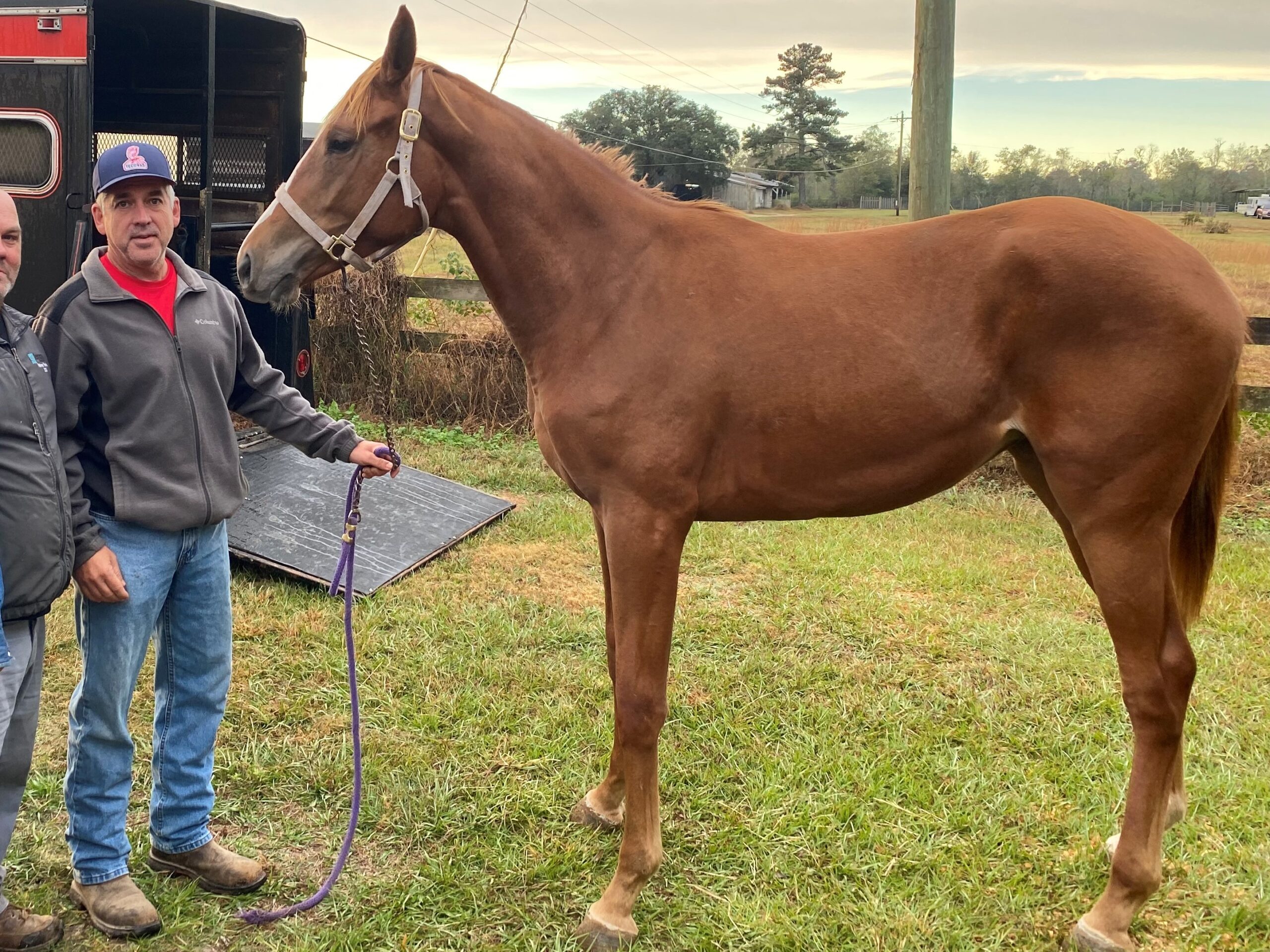
Miles Henry (legal name: William Bradley) is a professional horseman based in Folsom, Louisiana. He holds Louisiana Racing License #67012 and has spent over three decades managing Thoroughbreds at premier tracks including Fair Grounds, Delta Downs, and Evangeline Downs.
Expertise & Hands-On Experience: Beyond the track, Miles has decades of experience in specialized equine care, covering everything from hoof health and nutrition to training protocols for Quarter Horses, Friesians, and Paints. Every guide on Horse Racing Sense is rooted in this “boots-on-the-ground” perspective.
30 of their last 90 starts
Equibase Profile.

Connect with Miles: