
Last updated: June 10, 2026
Who are the greatest female racehorses of all time?
- Kincsem — 54-for-54, still the longest undefeated career by a Thoroughbred racehorse and the clearest No. 1 on record alone
- Ruffian — 10-for-10, one of the most brilliant American fillies ever produced and still the emotional benchmark for greatness
- Zenyatta — 19 wins from 20 starts and still the only female to win the Breeders’ Cup Classic against males
- Winx — 33 consecutive wins and a world-record 25 straight Group 1 victories
- Rachel Alexandra — 2009 Horse of the Year and the first filly in 85 years to win the Preakness Stakes
- Black Caviar — 25-for-25 and the modern standard for sprint dominance
- Regret, Genuine Risk, and Winning Colors — the only three fillies to win the Kentucky Derby
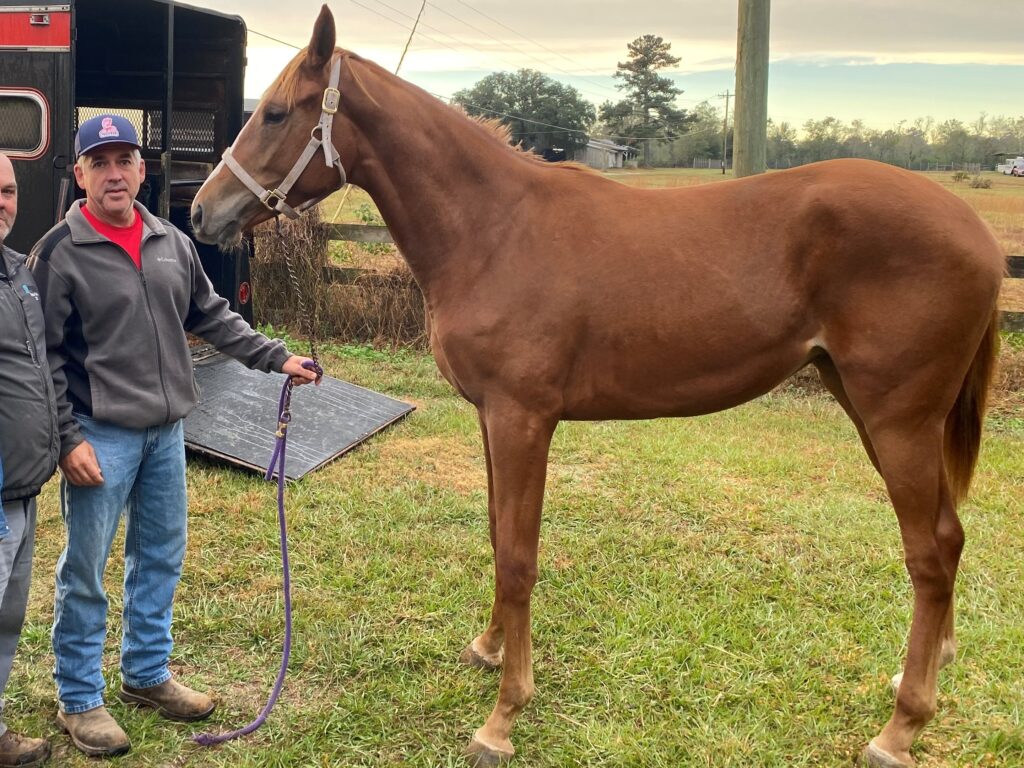
I recently bought a yearling filly with an exceptional bloodline, and when I mentioned her to my grandson, he shrugged and said there had never really been any great female racehorses. You still hear that view from people who don’t follow racing closely. The history of the sport says otherwise. The best mares and fillies didn’t merely hold their own. They won classics, beat colts, carried championship seasons, and in some cases built records no male horse has ever matched.
After Kincsem, any ranking becomes subjective — different eras, distances, and racing conditions make direct comparisons impossible. What follows is the case for each horse rather than a strict numbered list.
Table of Contents
Greatest Female Racehorses — Career Records at a Glance
| Horse | Record (W/S) | Win % | Defining Achievement | Era |
|---|---|---|---|---|
| Kincsem | 54 / 54 | 100% | Perfect career; longest undefeated run by a Thoroughbred racehorse | 1870s |
| Regret | 9 / 11 | 82% | First filly to win the Kentucky Derby (1915) | 1910s |
| Top Flight | 12 / 16 | 75% | Champion juvenile filly; first filly to win the Pimlico Futurity | 1930s |
| Gallorette | 21 / 72 | 29% | Champion handicap mare; defeated top males, including in the Metropolitan Handicap | 1940s |
| Busher | 15 / 21 | 71% | 1945 Horse of the Year; beat males in major American races | 1940s |
| Ruffian | 10 / 10 | 100% | Undefeated American filly whose brilliance became part of racing folklore | 1970s |
| Genuine Risk | 10 / 20 | 50% | Second filly to win the Kentucky Derby; placed in all three Triple Crown races | 1980s |
| Lady’s Secret | 25 / 45 | 56% | Breeders’ Cup Distaff winner and one of the toughest mares of the 1980s | 1980s |
| Winning Colors | 8 / 18 | 44% | Third filly to win the Kentucky Derby (1988) | 1980s |
| Rags to Riches | 8 / 11 | 73% | First filly in 102 years to win the Belmont Stakes (2007) | 2000s |
| Zenyatta | 19 / 20 | 95% | Only female to win the Breeders’ Cup Classic | 2000s–2010s |
| Rachel Alexandra | 13 / 19 | 68% | 2009 Horse of the Year; first filly in 85 years to win the Preakness | 2000s |
| Black Caviar | 25 / 25 | 100% | Perfect career and one of the greatest sprinters in Australian history | 2010s |
| Winx | 37 / 43 | 86% | 33 consecutive wins and a world-record 25 straight Group 1 victories | 2010s |
Early Trailblazers: The Fillies Who Changed Expectations
Long before modern fans argued about Ruffian, Zenyatta, or Rachel Alexandra, a handful of fillies had already changed what the sport believed female horses could do. The most important early names in a Thoroughbred flat-racing discussion are Kincsem and Regret, because both forced the sport to widen its idea of what greatness looked like.
Kincsem (1874)
Kincsem, foaled in Hungary in 1874, has the cleanest statistical case of any horse on this list. She went 54-for-54 and retired undefeated, a record that still gives her the strongest claim to the No. 1 spot among female racehorses and, on pure record, one of the strongest claims among racehorses of any gender. When a horse wins everywhere, against everyone, and never loses, the ranking argument gets very short very quickly.
That is why I rank Kincsem first before the article even begins its historical deep dive. Once you move beyond her, the debate opens up. But she is the one name on this list whose record almost ends the conversation before it starts.
Regret (1912)
Regret made history as the first filly to win the Kentucky Derby in 1915, and that is the kind of achievement that keeps a horse on every serious shortlist forever. A filly winning America’s most famous race changed expectations not just for one season but for generations after it. More than a century later, the list of Derby-winning fillies is still only three names long, which tells you how difficult that feat remains.
The 1930s and 1940s: Mares That Defined an Era
Between the early classic era and the television age, female stars kept proving the same point: when they were entered aggressively, they were fully capable of beating top males. Top Flight, Gallorette, and Busher matter because they kept that truth alive in decades when those chances were still limited.
Top Flight (1929)
Top Flight was one of the standout fillies of the early 1930s and became the first filly to win the Pimlico Futurity. That mattered because the race was open to males and because prestige matters in how a horse is remembered. She helped establish the idea that elite fillies were not novelty acts when placed in open company.
Gallorette (1942)
Gallorette was not the kind of mare you summarize best with win percentage alone. What made her historically important was durability, class, and her ability to beat high-class males over a long campaign, highlighted by victories that made her impossible to dismiss.
As an owner, I understand why mares like Gallorette are sometimes underrated by modern readers. They do not always come with the clean, compact resume of an undefeated champion, but campaign toughness against open company is a form of greatness too. Racing history gets flatter when you ignore horses who kept showing up and beating whoever was entered against them.
Busher (1942)
Busher was the best American racehorse of 1945 by any sensible reading of that season, and the Horse of the Year title reflected it. She beat males in major races and then stood alone for decades as the last filly or mare to win that honor until Rachel Alexandra came along in 2009.
Miles’s Take — what these mares proved: The old mistake is thinking great female racehorses are rare exceptions. What history really shows is that the opportunities were rare. When fillies and mares were trained boldly and entered where they belonged, they proved over and over that the talent gap was much smaller than casual fans assume.
Modern Legends: Female Racehorses Who Beat the Boys
The modern era gave these performances more visibility, but the basic story stayed the same. Ruffian, Genuine Risk, Winning Colors, and Lady’s Secret each left a mark that went beyond divisional success.
Ruffian (1972)
Ruffian remains one of the most gifted American racehorses ever seen, regardless of sex. She won her first 10 starts, shattered records, and carried the kind of aura only a few horses ever create. Even people who were not alive when she ran still know her name, which is one of the clearest tests of sporting greatness.
She also represents something rankings struggle to capture: emotional force. Kincsem has the stronger record. But Ruffian, at her best, may be the filly most Americans still mean when they say greatness looked obvious the moment it stepped on the track.

Genuine Risk (1977)
Genuine Risk became only the second filly to win the Kentucky Derby when she did it in 1980, and then backed that performance up by placing in the other two Triple Crown races. That is what keeps her from being remembered as a one-day wonder. Her Derby win was historic, but the full Triple Crown campaign is what made it undeniable.
As an owner, I understand why most trainers avoid taking on colts when they do not have to. The risk is higher and the reward is not always enough to justify it. That is exactly what makes Genuine Risk’s Triple Crown campaign so remarkable: her connections did not just take one shot, they stayed in and kept proving she belonged.
Winning Colors (1985)
Winning Colors became the third filly to win the Kentucky Derby in 1988, and the fact that no filly has done it since only makes her performance look larger with time. She won it the hard way, too, using speed and daring rather than a perfect collapse in front of her. That front-running Derby is one of the clearest examples of a filly imposing her style on elite males rather than merely outlasting them. D. Wayne Lukas trained her to run exactly that way — aggressive from the gate, daring anyone to come and get her — and on the first Saturday in May 1988, nobody could.
Lady’s Secret (1982)
Lady’s Secret earned the nickname “The Iron Lady” because she actually ran like one. She held up under a demanding campaign, won 25 races, and gave the 1980s another female star whose toughness was part of the appeal. Not every great mare needs a single mythic moment; some build their case by showing up repeatedly and delivering at a championship level.
21st-Century Stars: The Most Dominant Modern Female Racehorses
Modern racing gave the argument global range. Rags to Riches, Zenyatta, Rachel Alexandra, Black Caviar, and Winx showed that female greatness was not confined to one country, one surface, or one running style.
Rags to Riches (2004)
Rags to Riches won the 2007 Belmont Stakes and became the first filly to do it in 102 years. Beating Curlin in that race gave the performance lasting weight, because she was not stealing a weak edition of a classic. She beat a horse who would define the era.
Zenyatta (2004)
Zenyatta combined something very few champions ever manage: elite record, unforgettable style, and broad popularity. She won 19 of 20 starts, closed from impossible-looking positions, and became the only female ever to win the Breeders’ Cup Classic against males. That single fact is enough to secure her place near the top of any modern shortlist.
For many American fans, Zenyatta is the modern answer to the question because she felt larger than the sport while she was running. Horses with her kind of late-running drama create converts. They make people who were only half-watching become full racing fans.
Rachel Alexandra (2006)
Rachel Alexandra’s 2009 season is still one of the clearest examples of a filly being campaigned with conviction and rewarded for it. She became the first filly in 85 years to win the Preakness Stakes and the first filly or mare since Busher in 1945 to be named Horse of the Year. That was not a sentimental title. It was the sport acknowledging that she had been the best horse in America that season.
As an owner who watches the Preakness closely every year, I still think Rachel Alexandra’s win was one of the defining moments of the decade. It was not only the quality of the horse. It was the decision to place her boldly and let her answer the question on the track.
Black Caviar (2006)
Black Caviar retired 25-for-25 and set the modern benchmark for sprint dominance. Perfect careers are rare enough. Perfect sprint careers at the highest level are rarer still, because one bad step, one poor break, or one off day can end the run instantly. She never gave the sport that opening.
Winx (2011)
Winx put together one of the great winning streaks in modern sport: 33 consecutive victories, including a world-record 25 straight Group 1 wins. Watching Winx’s streak from the United States felt a bit like watching Secretariat highlights in real time. Every start became an event. Even from another continent, you knew you were watching one of those rare horses whose reputation was still not catching up to what she was actually doing.
Miles’s Take — what the modern mares confirmed: The more horses you own, the more you appreciate how hard it is to keep one sound, place it correctly, and have everything come together on the right day. That is why mares like Zenyatta, Rachel Alexandra, Black Caviar, and Winx stand so far above ordinary champions. They were not just talented. They were managed, campaigned, and delivered at a level that almost never happens.
Why Female Racehorses Matter in Racing History
What this history also shows is that opportunity matters almost as much as talent. Busher in 1945 and Rachel Alexandra in 2009 were both entered boldly against the best available company, and both ended up Horse of the Year. The sport did not suddenly discover in 2009 that fillies could be great. It simply got another reminder of what happens when connections believe in one enough to run her where the real prizes are.
Kincsem never lost. Ruffian never lost. Zenyatta beat the boys in the Breeders’ Cup Classic. Rachel Alexandra won the Preakness. Winx won 33 straight races. Racing history is not the story of great male horses with a few exceptional mares mixed in. It is the story of great horses, and some of the greatest happened to be female.
Key Takeaways: Greatest Female Racehorses in History
- Kincsem is the clearest No. 1 on record alone — 54-for-54 is still the strongest statistical case any female racehorse has ever presented
- Ruffian remains the emotional benchmark in American racing — undefeated, brilliant, and still central to any conversation about the greatest filly ever seen in the United States
- Only three fillies have won the Kentucky Derby — Regret, Genuine Risk, and Winning Colors; that list has not changed since 1988
- Zenyatta owns the modern American crossover achievement — she is still the only female to win the Breeders’ Cup Classic against males
- Rachel Alexandra’s 2009 season was a true Horse of the Year campaign — not a sentimental title, but a championship earned against the strongest company available
- Black Caviar and Winx gave Australia two different forms of perfection — one through a 25-for-25 sprint career, the other through a 33-race winning streak and 25 straight Group 1 victories
- The real lesson is not that great mares are rare — it is that when elite female horses are placed boldly, they repeatedly prove they belong in racing’s main story
Frequently Asked Questions
Who is the greatest female racehorse of all time?
Kincsem is the strongest candidate on record alone because she went 54-for-54 and never lost in any of her starts. After Kincsem, the argument becomes more subjective and usually centers on Ruffian, Zenyatta, Winx, Rachel Alexandra, and Black Caviar depending on whether you value undefeated records, versatility, longevity, or success against males.
Has a filly ever won the Kentucky Derby?
Yes. Three fillies have won the Kentucky Derby: Regret in 1915, Genuine Risk in 1980, and Winning Colors in 1988. No filly has won the race since Winning Colors.
Have female racehorses beaten male horses in major races?
Yes. Rachel Alexandra won the Preakness Stakes against colts, Zenyatta won the Breeders’ Cup Classic against males, Rags to Riches won the Belmont Stakes against colts, and Busher beat males in major American races in 1945. Those victories are a major reason these mares are remembered as all-time greats rather than simply divisional champions.
Why don’t more fillies race against colts?
Owners and trainers often choose sex-restricted races because they offer safer placement, major purses, and less risk to breeding value. That means the fillies capable of beating colts are often never asked to try. The ones who are entered boldly and succeed become historically important very quickly.
What is the difference between a filly and a mare?
A filly is a female horse under the age of four, while a mare is a female horse aged four and older. In racing coverage, the terms matter because many major races are restricted by age and sex.
Who is the most famous modern female racehorse?
In the United States, Zenyatta is probably the most famous modern female racehorse because of her 19 wins, her dramatic closing style, and her Breeders’ Cup Classic victory. Internationally, Winx and Black Caviar belong in the same conversation.
Are female racehorses as good as males?
At the elite level, they can be. The historical record includes female horses who beat males in classics, won major open races, and produced careers that would rank among the best in the sport regardless of sex. The bigger limitation has often been opportunity, not ability.
About Miles Henry
Racehorse Owner & Author | 30+ Years in Thoroughbred Racing
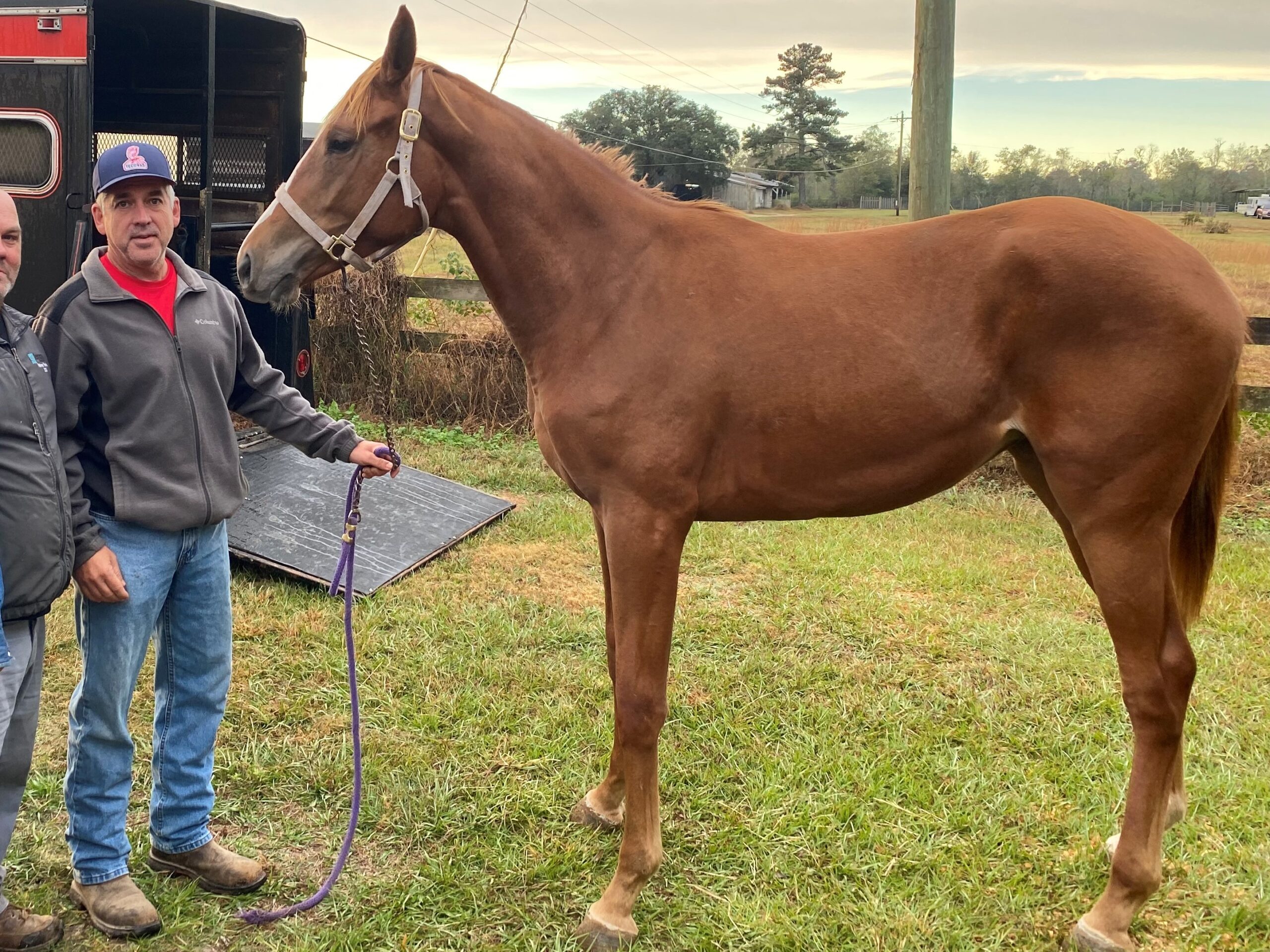
Miles Henry (legal name: William Bradley) is a professional horseman based in Folsom, Louisiana. He holds Louisiana Racing License #67012 and has spent over three decades managing Thoroughbreds at premier tracks including Fair Grounds, Delta Downs, and Evangeline Downs.
Expertise & Hands-On Experience: Beyond the track, Miles has decades of experience in specialized equine care, covering everything from hoof health and nutrition to training protocols for Quarter Horses, Friesians, and Paints. Every guide on Horse Racing Sense is rooted in this “boots-on-the-ground” perspective.
30 of their last 90 starts
Equibase Profile.

Connect with Miles: