
Published on: June 8, 2026
What are the major horse racing tracks in the United States?
The major US Thoroughbred tracks are Churchill Downs, Saratoga Race Course, Keeneland, Belmont Park, Gulfstream Park, Fair Grounds, Oaklawn Park, Santa Anita Park, Monmouth Park, and Del Mar. Each track has distinct surface characteristics, seasonal timing, and signature Grade 1 races that shape the national racing calendar from January through November.
Understanding where a race is being run matters almost as much as understanding who is running in it. Track configuration, surface composition, and the typical pace of races at a given oval all influence outcomes in ways that the past performances alone don’t always capture. This guide covers the major US Thoroughbred tracks organized by racing season — the way a horseplayer actually thinks about the calendar — with handicapping notes for each.
About this guide: I’ve owned and raced Thoroughbreds across decades of seasons, primarily at Fair Grounds in New Orleans — the same track where 2026 Kentucky Derby winner Golden Tempo broke his maiden and won the Lecomte Stakes. I’ve watched horses run at most of the tracks on this list and studied the rest closely. The handicapping notes here reflect that first-hand experience alongside practical surface data.
How I selected these tracks: This guide covers racetracks that consistently host Grade 1 stakes, Triple Crown prep races, Breeders’ Cup qualifiers, Triple Crown races, or championship-level summer and fall meets. Pimlico Race Course is covered below in the Spring Classics section. Additional venues — including Colonial Downs (Arlington Million) and Ruidoso Downs (All-American Futurity) — are covered in the biggest races in the US guide.
Responsible Gaming: Horse racing betting carries significant financial risk. This guide is for educational and handicapping purposes only. If you or someone you know has a gambling problem, contact the National Council on Problem Gambling at 1-800-522-4700.
Table of Contents
Major US Race Tracks — At a Glance
| Track | Location | Primary Season | Surface | Signature Race |
|---|---|---|---|---|
| Gulfstream Park | Hallandale Beach, FL | Winter (Jan–Apr) | Dirt, turf | Pegasus World Cup (G1) |
| Fair Grounds | New Orleans, LA | Winter–Spring (Nov–Mar) | Dirt, turf | Louisiana Derby (G2) |
| Oaklawn Park | Hot Springs, AR | Winter–Spring (Jan–May) | Dirt | Arkansas Derby (G1) |
| Santa Anita Park | Arcadia, CA | Winter–Spring (Dec–Jun) | Dirt, turf | Santa Anita Handicap (G1) |
| Pimlico / Laurel | Baltimore / Laurel, MD | Spring (May) | Dirt | Preakness Stakes (G1) |
| Churchill Downs | Louisville, KY | Spring (Apr–Jun, Nov) | Dirt, turf | Kentucky Derby (G1) |
| Belmont Park | Elmont, NY | Spring–Summer (May–Jul) | Dirt, turf | Belmont Stakes (G1) |
| Monmouth Park | Oceanport, NJ | Summer (May–Sep) | Dirt, turf | Haskell Stakes (G1) |
| Saratoga Race Course | Saratoga Springs, NY | Summer (Jul–Sep) | Dirt, turf | Travers Stakes (G1) |
| Del Mar | Del Mar, CA | Summer (Jul–Sep) | Dirt, turf | Pacific Classic (G1) |
| Keeneland | Lexington, KY | Spring (Apr) & Fall (Oct) | Dirt, turf | Breeders’ Cup Classic (G1) |
Winter Tracks: November Through March
Gulfstream Park — Hallandale Beach, Florida
Gulfstream Park runs its premier meet from January through April in Hallandale Beach, Florida — the first major stakes circuit of the calendar year. The one-mile dirt oval is known as a speed-favoring surface; horses that can control the pace or sit just off the lead have a structural advantage here. The stretch is honest but not long, which limits deep closers who need a significant pace collapse to generate momentum. The January timing adds another variable: horses arriving off fall layoffs sometimes need a race to reach their best form, which means the freshest-looking horses on paper aren’t always the ones firing their best run.
Gulfstream’s signature race is the Pegasus World Cup (Grade 1, $3 million), held in late January. The Pegasus is now a “Win and You’re In” qualifier for the Breeders’ Cup Classic, with the winner earning an automatic starting position and entry fees paid. Past winners include Arrogate, Gun Runner, and Knicks Go — elite older horses who used the Pegasus as a statement win heading into the championship season.
Gulfstream handicapping note: On Pegasus World Cup day, watch the undercard races carefully. Gulfstream’s surface can shift between favoring speed and rewarding closers based on maintenance and weather. If the first few races are won wire-to-wire, the pace setup for the Pegasus favors front-runners and pressers. If closers are running through tired horses early in the card, look for deep closers at value prices in the main event.
Fair Grounds — New Orleans, Louisiana
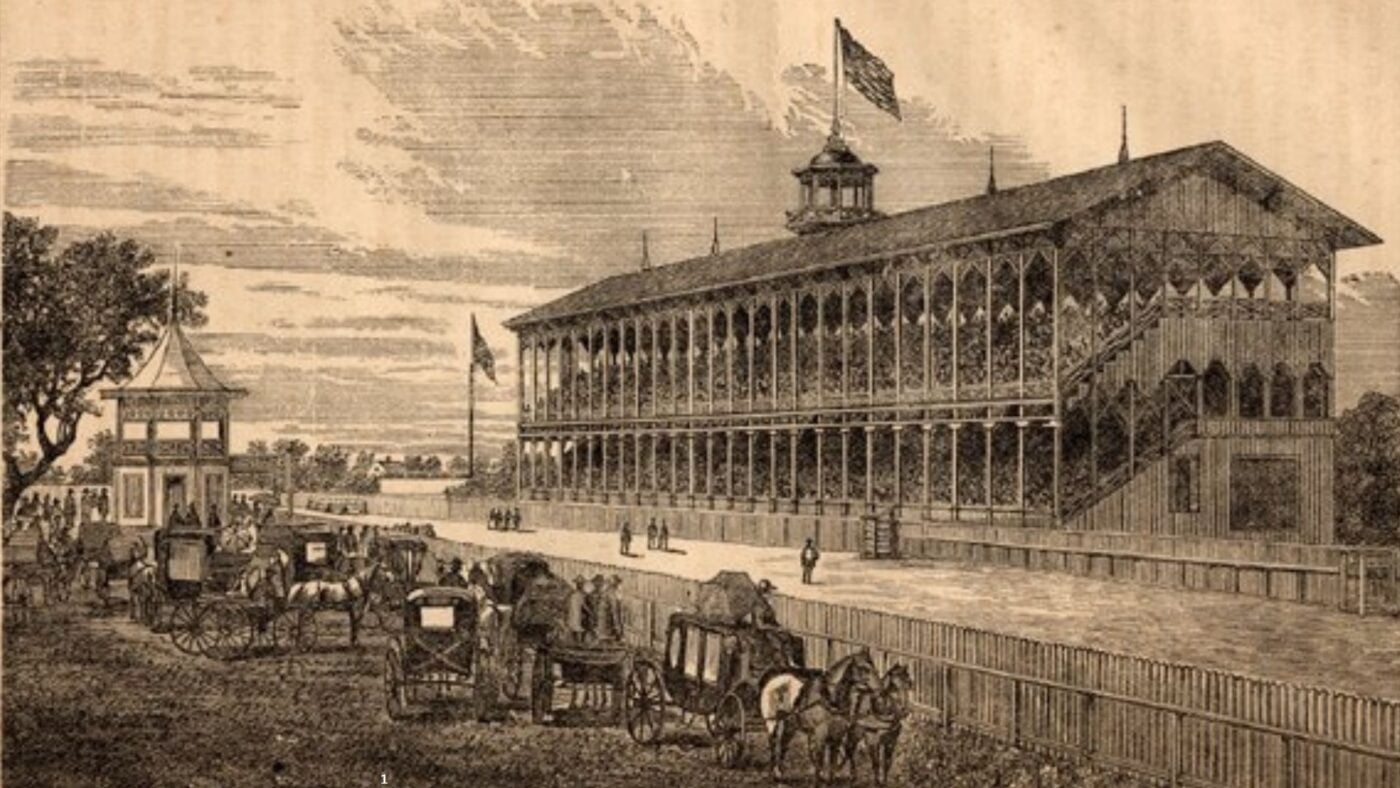
Fair Grounds Race Course in New Orleans is the oldest Thoroughbred track in the country, having operated continuously since 1838 — predating Saratoga by 25 years. Originally opened as the Louisiana Race Course, it has survived the Civil War, multiple fires, and Hurricane Katrina. The meet runs from late November through late March — the heart of the winter Derby prep circuit in the South. The one-mile dirt oval sits in the Gentilly neighborhood of New Orleans, and its demanding surface has a reputation for producing horses that arrive at Churchill Downs physically ready rather than simply fast.
In 2026, Fair Grounds was the launching pad for the Kentucky Derby winner. Golden Tempo broke his maiden there in December 2025, won the Grade 3 Lecomte Stakes in January, and ran his entire Derby prep circuit at the track — including a third-place finish in the Grade 2 Louisiana Derby in March. Trainer Cherie DeVaux chose the Fair Grounds prep circuit deliberately: its 1 3/16-mile Louisiana Derby is the longest-distance major prep in the country, giving Golden Tempo more development time and a genuine stamina test before the 1¼-mile Derby. Those third-place finishes drifted his odds to 23-1. DeVaux was unconcerned.
Miles’s Take — Fair Grounds from an owner’s perspective: I’ve run horses at Fair Grounds across many seasons. What makes it different from other winter tracks is the way the meet builds — you see horses developing week by week from November through the Louisiana Derby in late March. The crowd that follows the Fair Grounds circuit knows their horses. The clockers are sharp. And the surface, which can play wet and deep in a New Orleans winter, does something that a fast Gulfstream track doesn’t: it filters out horses that aren’t physically ready. A horse that wins at Fair Grounds in February has been asked real questions. When you see a Fair Grounds closer fire a big effort late in a Grade 2 field and connections are confident enough to skip the Preakness and aim for the Derby, pay attention. That’s exactly what DeVaux saw in Golden Tempo — and she was right.
The Fair Grounds Road to the Kentucky Derby circuit includes the Lecomte Stakes (Grade 3, January), the Risen Star Stakes (Grade 2, February), and the Louisiana Derby (Grade 2, $1 million, March) — the longest Derby prep distance at 1 3/16 miles. The meet is owned by Churchill Downs Incorporated, which gives Fair Grounds horses familiarity with Churchill-style surfaces heading into May.
Oaklawn Park — Hot Springs, Arkansas
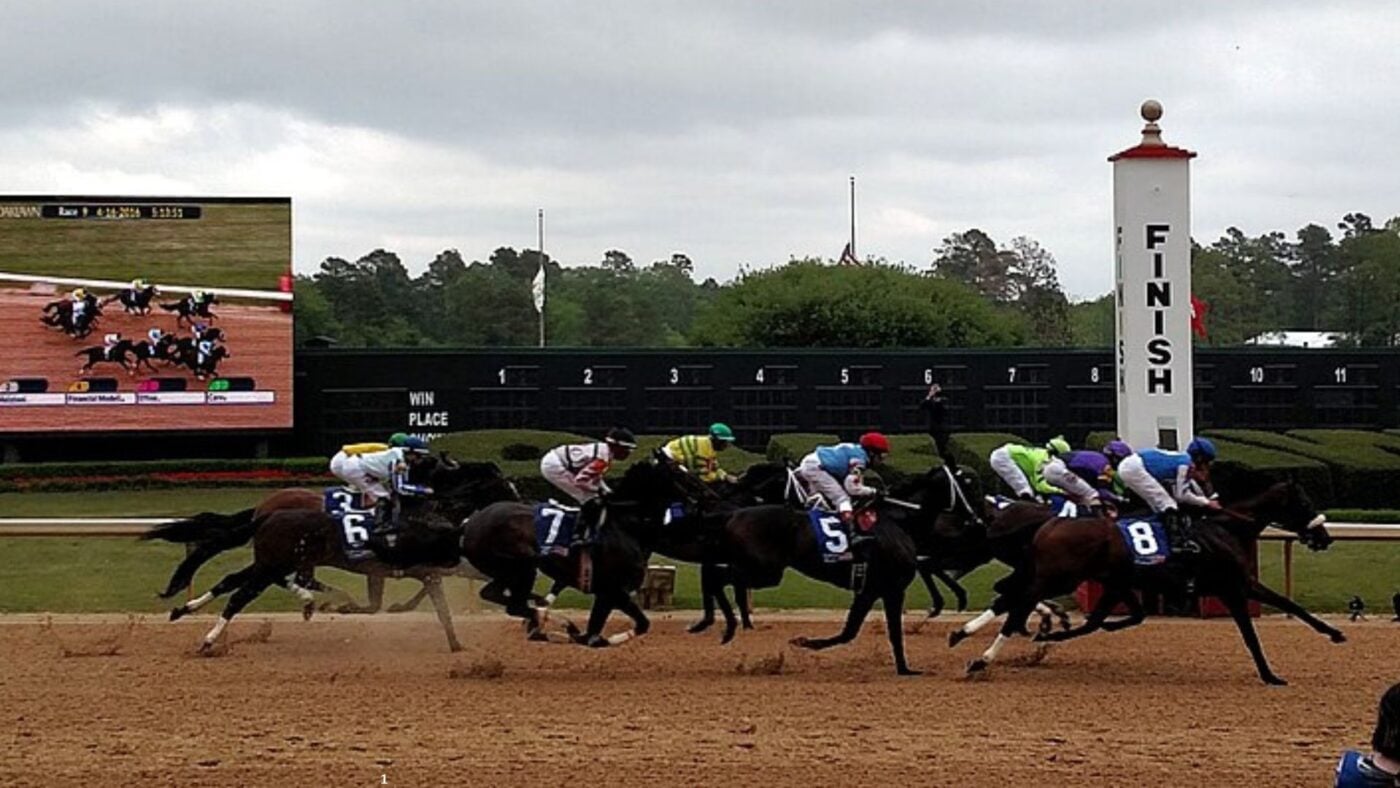
Oaklawn Park in Hot Springs, Arkansas runs from early January through early May. Its winter-to-spring meet is one of the most important Derby prep circuits in the country, centered on a demanding 1 1/8-mile dirt oval that has produced multiple Triple Crown starters and winners. The track’s deep, demanding surface rewards horses with legitimate stamina — horses that win here in Grade 1 company have typically been asked something real.
The signature race is the Arkansas Derby (Grade 1, $1.25 million), held in late March or early April and serving as one of the final major Derby preps. Notable Arkansas Derby winners include American Pharoah (2015), Smarty Jones (2004), and Curlin (2007) — all horses who went on to significant Triple Crown performances. For handicappers, Oaklawn’s dirt tends to favor horses with tactical speed and stamina over pure speed types who need a soft pace to hold.
Santa Anita Park — Arcadia, California
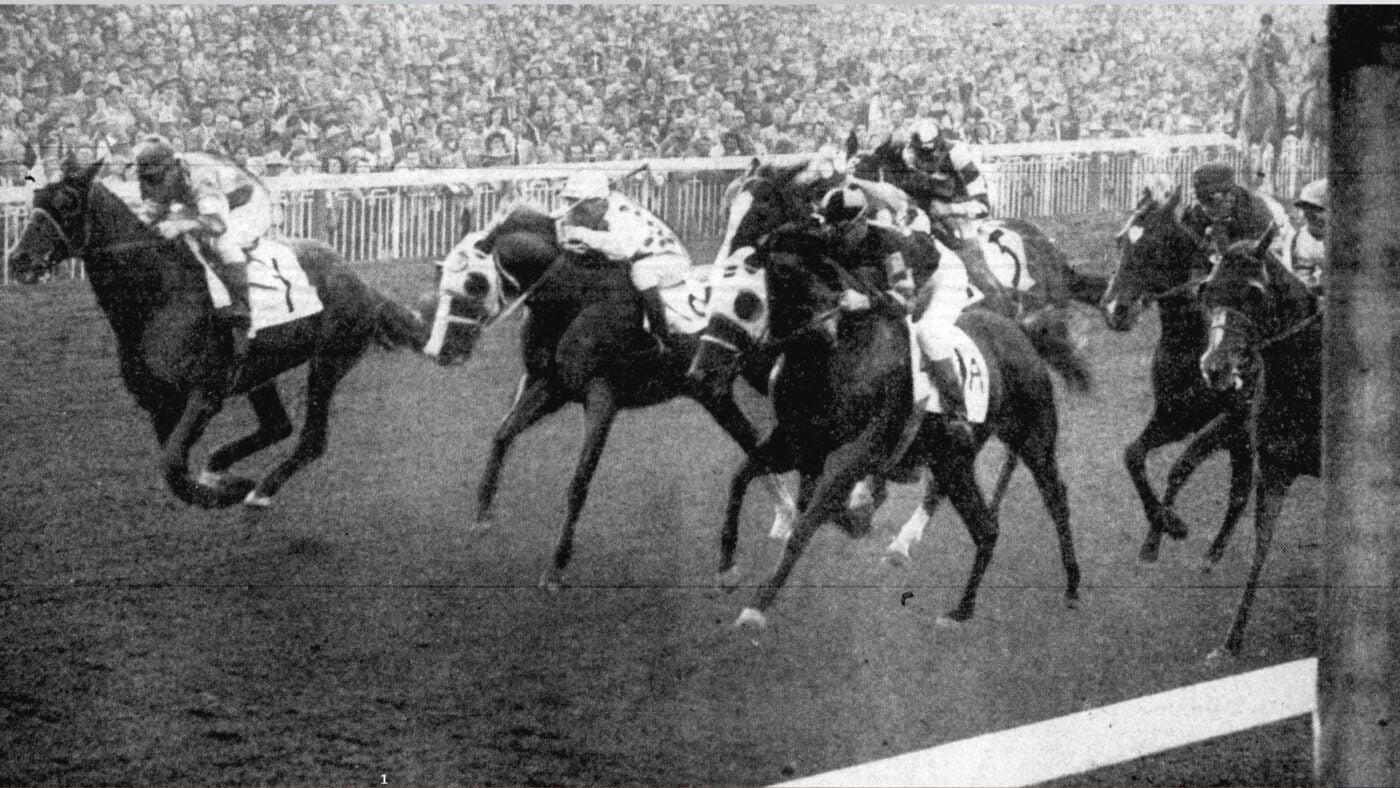
Santa Anita Park sits against the backdrop of the San Gabriel Mountains in Arcadia, California — one of the most visually striking racetracks in the world. The meet runs from late December through June, making it the primary winter and spring venue on the West Coast. The main one-mile dirt oval plays fast, generally rewarding speed and tactical pace horses, though the turf course has hosted some of the finest grass races in the country.
Santa Anita’s signature event is the Santa Anita Handicap (Grade 1) — “The Big ‘Cap” — one of the oldest and most historically significant races in American racing. Past winners include Seabiscuit, Affirmed, and John Henry. The track also hosts the Santa Anita Derby (Grade 1, $1 million) each April, a major Kentucky Derby prep that has sent multiple Classic starters to Churchill Downs. For Derby handicappers, Santa Anita horses often arrive at Churchill with fewer race miles than their Eastern counterparts — factor the lower number of starts when assessing fitness.
Spring Classics: March Through June
Churchill Downs — Louisville, Kentucky
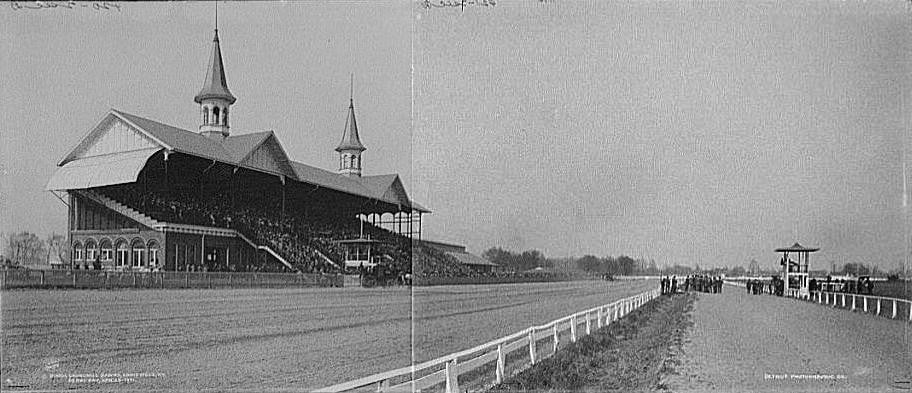
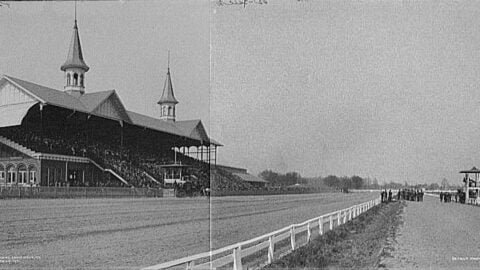
Churchill Downs is the most famous racetrack in America. Home to the Kentucky Derby since 1875, it hosts two major meets annually — a spring meet from late April through late June and a fall meet in November. The 1 1/8-mile oval with its distinctive twin spires is known for a surface that plays fair but can develop a speed bias on certain days. The short run to the first turn from the starting gate is one of Churchill’s defining characteristics for Derby handicapping — it means post position and early pace are resolved quickly, before horses have room to adjust.
Beyond the Kentucky Derby, Churchill hosts the Kentucky Oaks (Grade 1, $1.5 million) the day before — the premier race for three-year-old fillies — and the Clark Stakes (Grade 1) in November as part of the fall meet. Churchill Downs Incorporated, which owns the track, also owns Fair Grounds, Gulfstream Park, and a network of regional tracks, giving the spring meet a broad pipeline of horses familiar with CDI surfaces.
Churchill Downs handicapping note: Track bias on Derby day is one of the most underused variables in public handicapping. Watch the first four or five races on the card — if speed horses are consistently holding on or pulling away in the stretch, the surface is favoring pace. If closers are finishing strongly through tired leaders, the pace setup is setting up for a deep run in the Derby. The track is harrowed between races, which can smooth out but not eliminate a developing bias.
Belmont Park — Elmont, New York
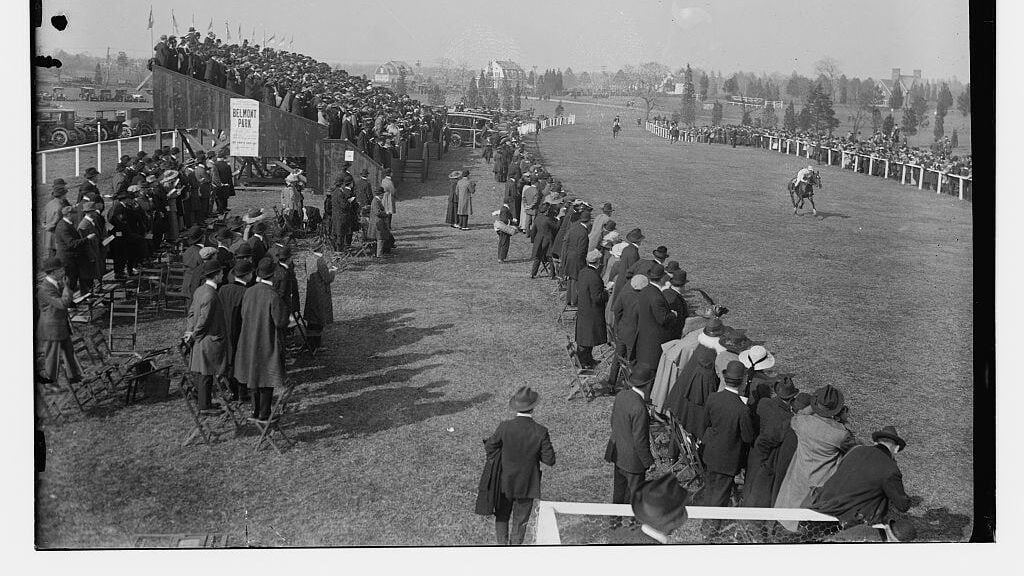
Belmont Park hosts the spring-summer meet from May through July and is home to the Belmont Stakes — the third leg of the Triple Crown. The main dirt oval is the largest in North America at 1½ miles in circumference. When running at full distance, Belmont’s wide oval and long stretch consistently reward horses with sustained acceleration over those with a sharp speed burst — it is the classic closers’ track, where horses that need room to unwind their best run find the most favorable configuration of any major American oval.
The facility is currently undergoing a major renovation, with the new Belmont Park scheduled to open in September 2026. During the renovation period, the Belmont Stakes has been temporarily held at Saratoga at a shortened distance of 1¼ miles — a fundamentally different race than the traditional 1½-mile Test of the Champion. When the Belmont runs at Saratoga, treat it as the Travers Stakes, not as a stamina test. Historical Belmont stamina data does not apply to the Saratoga editions.
Pimlico Race Course — Baltimore, Maryland
Pimlico Race Course in Baltimore is home to the Preakness Stakes — the second leg of the Triple Crown — and one of the oldest racetracks in the country, dating to 1870. Outside of Preakness weekend in May, Pimlico operates a limited meet, and the track’s primary identity in modern racing is as the home of the middle jewel. Pimlico’s tight, elongated oval with a short stretch is a tactically demanding configuration: horses that can control the pace from the front or press it from just off the leader hold a structural advantage, and pure deep closers rarely win without a pace collapse.
Pimlico is currently undergoing a major $400 million renovation. During the reconstruction, the Preakness has temporarily moved to nearby Laurel Park — which has a longer stretch and different surface characteristics than Pimlico’s traditional configuration. When handicapping Laurel editions of the Preakness, discard Pimlico speed-bias data entirely and treat the race as its own distinct handicapping puzzle. The renovated Pimlico is expected to reopen as a modernized facility within the next several years.
Summer Circuit: June Through August
Saratoga Race Course — Saratoga Springs, New York
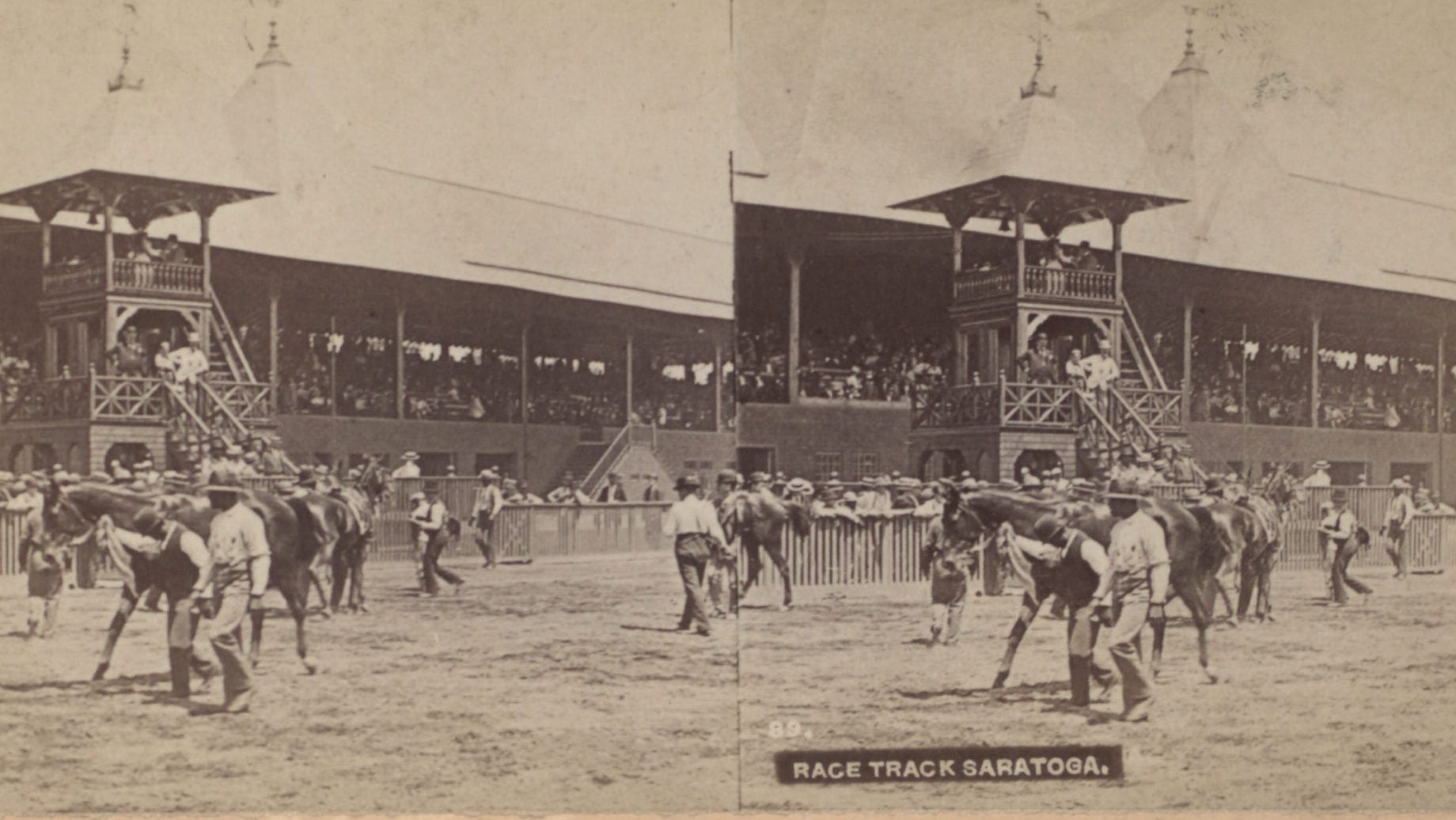
Saratoga Race Course is one of the oldest and most storied Thoroughbred tracks in the country, dating to its first meet in 1863 — predated only by Fair Grounds in New Orleans, which has operated since 1838. Saratoga carries a reputation as “The Graveyard of Champions” for the number of heavily favored horses that have been upset there.
Saratoga’s main dirt track plays fair with a slight bias toward horses that can stalk from just off the pace — pure front-runners who lead wire-to-wire face a more challenging surface here than at tracks with longer straights. The turf courses are among the best-maintained in North America, and European invaders regularly target Saratoga’s grass races. The signature race is the Travers Stakes (Grade 1, $1.25 million) — the Mid-Summer Derby — run in late August over 1¼ miles and historically the race that identifies the best three-year-old in the country heading into the Breeders’ Cup. The Travers routinely draws the top horses from the Triple Crown trail and often produces the division’s defining late-summer performance. For current entry status, see the 3-Year-Old Division Watch.
Miles’s Take — What makes Saratoga different: The Saratoga meet produces more upsets per week than any comparable stakes circuit in the country. Part of that is the horses — the best in the country are all competing simultaneously, which means any race can go multiple ways. Part of it is the surface, which rewards horses that rate and stalk rather than horses that go to the front and dare the field to catch them. And part of it is the six-week schedule — horses run back quickly and some arrive at their peak while others have peaked a week earlier. When a horse wins at Saratoga at a double-digit price, it usually means the public misjudged the pace setup or underestimated how the surface would play that day. Those are exactly the angles worth tracking.
Saratoga also hosts the Whitney Stakes (Grade 1, $1 million, August) for older horses and the Alabama Stakes (Grade 1) for fillies — both carrying serious Eclipse Award implications. The Saratoga meet also serves as the temporary home of the Belmont Stakes during the current Belmont Park renovation, adding a second classic to the summer card in 2024, 2025, and 2026.
Monmouth Park — Oceanport, New Jersey
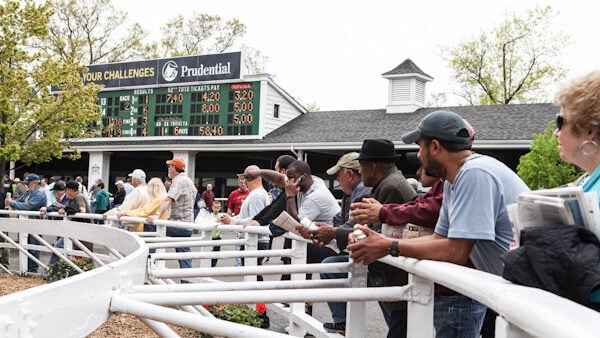
Monmouth Park runs its summer meet from May through September along the New Jersey Shore. The 1 1/8-mile oval is a speed-favoring surface — the stretch is honest but not long enough for pure deep closers to fully unwind. Horses that can sit just off the pace and sustain a run through the stretch hold a structural advantage here, which makes Monmouth a poor track to bet heavy favorites who rely on a sweeping late move.
The signature race is the Haskell Stakes (Grade 1, $1 million), held in mid-July and serving as the premier summer test for three-year-olds. The Haskell is often the first race where Triple Crown horses meet horses who bypassed the spring classics to specifically target this race — which means the field is typically fresher and more competitive than the pace-depleted Triple Crown trail horses. For the current year’s Haskell entry picture, see the 3-Year-Old Division Watch.
Del Mar — Del Mar, California
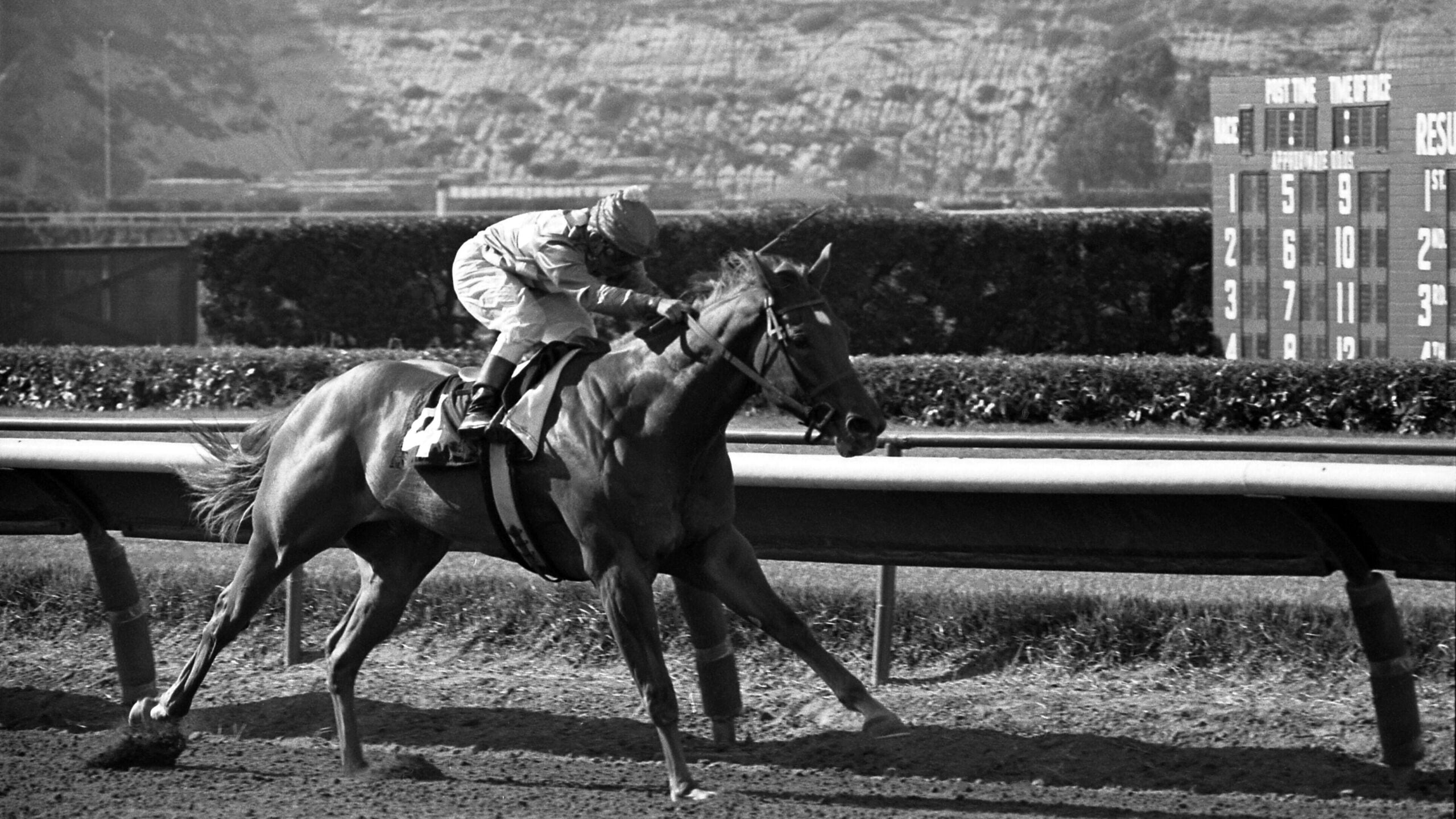
Del Mar runs its summer meet from late July through mid-September at “Where the Turf Meets the Surf” — the track’s famous slogan captures the coastal setting in San Diego County. The main dirt oval plays fast, and the turf course is among the best in the West. Del Mar’s meet draws top horses from the Santa Anita circuit who have been freshened during the spring and return for the summer championship races.
The signature race is the Pacific Classic (Grade 1, $1 million), held in August for horses three and older at 1¼ miles on dirt — a “Win and You’re In” qualifier for the Breeders’ Cup Classic. Flightline’s 19-length demolition of the field in the 2022 Pacific Classic remains one of the most dominant single-race performances in modern American racing. Del Mar also hosted the Breeders’ Cup in 2021, giving it championship pedigree beyond its regional reputation.
Fall Championships: September Through November
Keeneland — Lexington, Kentucky
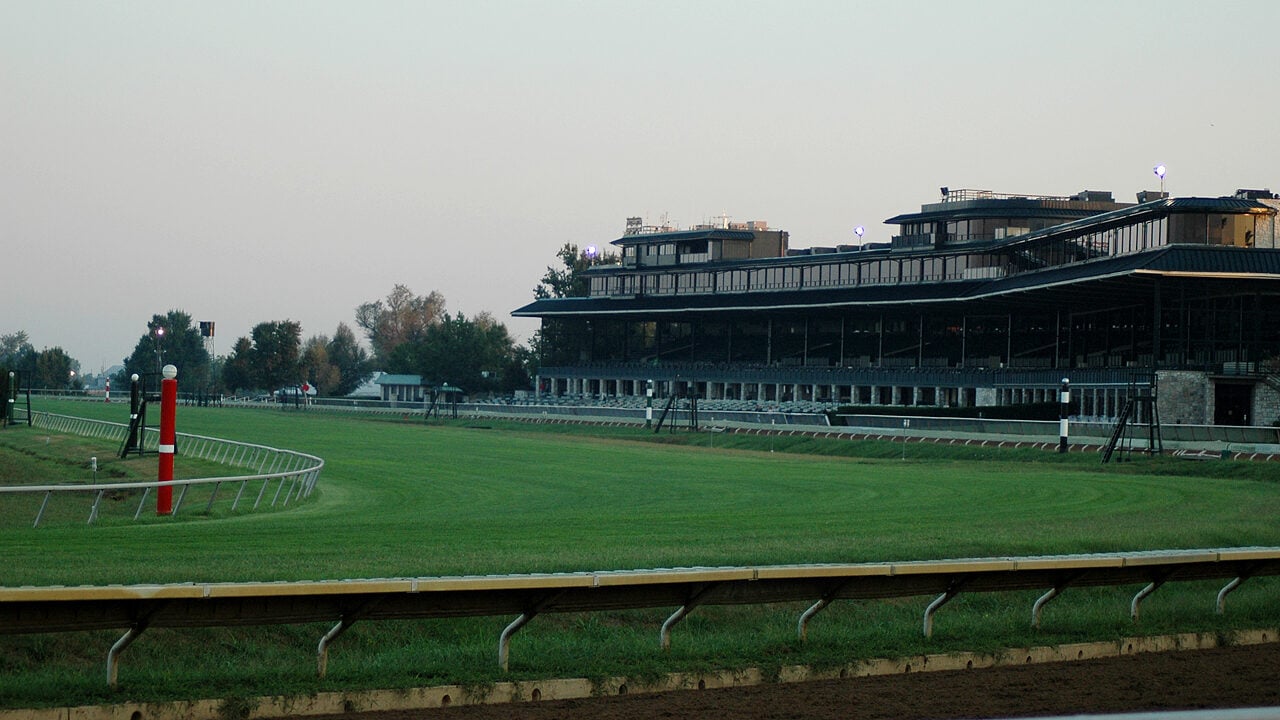
Keeneland is unique among American racetracks in that it runs only two short meets per year — a spring meet in April and a fall meet in October — yet carries more championship weight than tracks that run six months of racing. Located in Lexington, Kentucky, in the heart of Thoroughbred country, Keeneland Race Course sits on a limestone-based subsoil that creates a surface that plays fast and true. Horses with tactical speed that can rate and sustain consistently perform well here.
The fall meet hosts the Breeders’ Cup World Championships in 2026 — October 30-31, with 14 Grade 1 races and more than $34 million in total purses and awards. The 2026 running marks the fourth time Keeneland has hosted the World Championships, following 2015, 2020, and 2022. Horses who train at Keeneland between summer starts and return for the fall championship meet carry a legitimate home-track familiarity edge over shippers arriving for the first time.
Keeneland handicapping note: Keeneland’s short meet means the surface doesn’t develop the deep bias that can emerge at tracks running 100+ days per year. The dirt plays honest and relatively speed-favoring in both spring and fall, though the fall meet’s cooler temperatures and firmer footing tend to produce faster times than the spring meet. For the Breeders’ Cup, the consistency of the Keeneland surface means past performances from the track’s own meet are reliable form indicators — horses who have run well at Keeneland previously tend to run well there again.
Beyond the Breeders’ Cup, Keeneland’s spring meet hosts the Blue Grass Stakes (Grade 1) as one of the final major Kentucky Derby preps in April, and the fall meet includes the Shadwell Turf Mile and the Coolmore Turf Mile as key “Win and You’re In” Breeders’ Cup qualifiers. Keeneland is also the site of the world’s most important Thoroughbred auction — the November Breeding Stock Sale, which immediately follows the Breeders’ Cup and draws buyers from every major racing nation.
Key Takeaways: Major US Horse Racing Tracks
- The calendar divides into four seasons — winter (Gulfstream, Fair Grounds, Oaklawn, Santa Anita), spring classics (Churchill Downs, Belmont Park, Pimlico), summer circuit (Saratoga, Monmouth, Del Mar), and fall championships (Keeneland)
- Surface bias matters as much as class — speed-favoring tracks (Gulfstream, Monmouth) structurally disadvantage deep closers; long-stretch tracks (Belmont Park, Saratoga) reward horses that can sustain a run
- Fair Grounds is the oldest Thoroughbred track in the country — operating since 1838, it’s also a legitimate Derby pipeline; the longer-distance prep circuit and demanding winter surface consistently produce physically ready horses that show up at Churchill ready to run
- Keeneland is the fall championship home — hosting the Breeders’ Cup regularly, its short two-meet calendar keeps the surface honest and makes past Keeneland form among the most reliable predictors in the sport
- Saratoga’s reputation for upsets is earned — the surface rewards stalkers over front-runners; the six-week compressed schedule means horses at different fitness peaks all compete simultaneously; public favorites are consistently overbet
- The Belmont Stakes runs at Saratoga during renovation — treat those editions as the Travers Stakes, not the traditional 1½-mile stamina test; historical Belmont data does not apply
- Track bias on major race day deserves attention before betting — watch the undercard races at Churchill on Derby day, at Saratoga on Travers day, and at Keeneland on Breeders’ Cup day; the surface condition that day shapes which running styles are rewarded
Frequently Asked Questions
What is the most famous horse racing track in the United States?
Churchill Downs in Louisville, Kentucky is the most famous horse racing track in the United States, home to the Kentucky Derby since 1875. Fair Grounds Race Course in New Orleans is the oldest continuously operating Thoroughbred track in the country, dating to 1838. Saratoga Race Course, which first raced in 1863, is the most prestigious summer venue and is often called the Graveyard of Champions.
What track hosts the Breeders’ Cup in 2026?
The 2026 Breeders’ Cup World Championships runs October 30-31 at Keeneland Race Course in Lexington, Kentucky. It is the fourth time Keeneland has hosted the event, following 2015, 2020, and 2022. The 2027 Breeders’ Cup moves to the new Belmont Park in Elmont, New York.
What is Fair Grounds Race Course known for?
Fair Grounds Race Course in New Orleans is the oldest continuously operating Thoroughbred track in the United States, having operated since 1838 — 25 years before Saratoga. It hosts a major winter Derby prep circuit featuring the Lecomte Stakes, Risen Star Stakes, and Louisiana Derby — the longest-distance major prep at 1 3/16 miles. In 2026, Fair Grounds was the developmental home of Kentucky Derby winner Golden Tempo, who broke his maiden there in December 2025 and ran his entire Derby prep circuit at the track under trainer Cherie DeVaux.
Which US race track has the longest stretch run?
Belmont Park in Elmont, New York has the longest stretch run of any major US Thoroughbred track, measuring approximately 1,097 feet. This gives deep closers more room to generate momentum than at tracks with shorter stretch runs like Gulfstream Park or Monmouth Park. Note that Belmont Park is currently under renovation — the track is expected to reopen in September 2026 with a new facility.
What makes Saratoga known as the Graveyard of Champions?
Saratoga earned its ‘Graveyard of Champions’ nickname from a long history of upsets — heavily favored horses, including some of the greatest in American racing history, have been beaten there at odds that seemed impossible. Man o’ War’s only career defeat came at Saratoga in 1919. The combination of high-quality competition compressed into a six-week meet, a surface that rewards stalkers and often punishes front-runners, and the social pressure of racing at the sport’s most prestigious summer venue all contribute to the unpredictability.
Which tracks are on the Road to the Kentucky Derby?
The Road to the Kentucky Derby qualifying circuit includes races at dozens of tracks across the country. The most important prep circuits are at Fair Grounds (Lecomte, Risen Star, Louisiana Derby), Gulfstream Park (Holy Bull, Fountain of Youth, Florida Derby), Santa Anita (Robert B. Lewis, San Felipe, Santa Anita Derby), Oaklawn Park (Rebel Stakes, Arkansas Derby), and Keeneland (Blue Grass Stakes). The 20 horses with the most qualifying points earn starting spots.
What is the difference between Saratoga and Belmont Park?
Both tracks are in New York and are operated by NYRA, but they serve different roles in the racing calendar. Belmont Park hosts the spring-summer meet in Elmont and is home to the Belmont Stakes — the longest classic at 1½ miles with the country’s longest stretch run. Saratoga hosts the prestigious six-week summer meet in Saratoga Springs — a smaller, more intimate oval with a reputation for upsets. During the current Belmont Park renovation, the Belmont Stakes has temporarily moved to Saratoga at a shortened distance of 1¼ miles.
What US tracks are best for turf racing?
Saratoga Race Course, Keeneland, and Belmont Park are generally considered the premier turf venues in the United States, offering well-maintained grass courses that attract top European competition. Colonial Downs in Virginia — home of the Arlington Million since 2023 — is noted for having the widest grass course in North America. Del Mar’s turf course is the top venue on the West Coast.
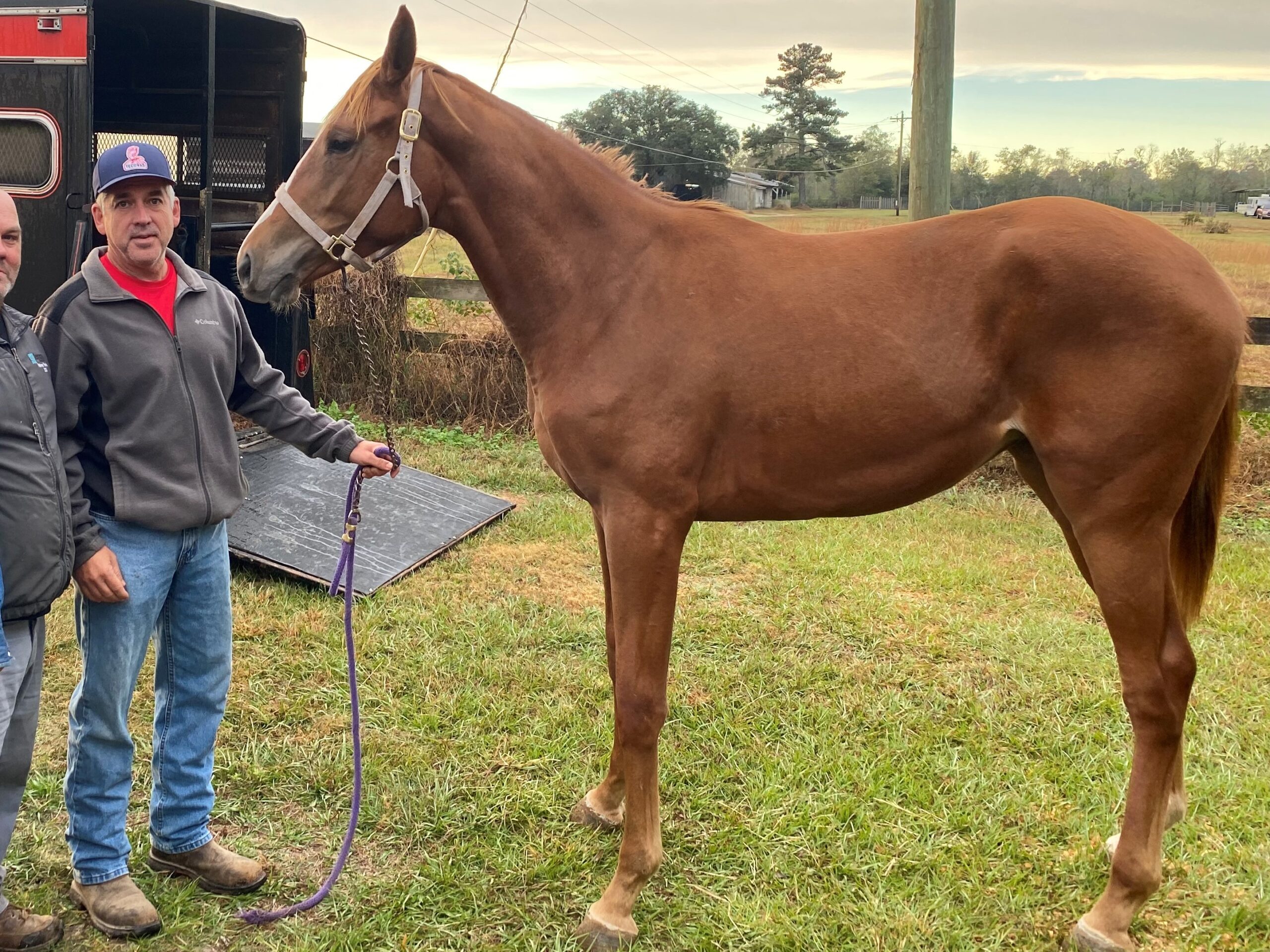
About Miles Henry
Racehorse Owner & Author | 30+ Years in Thoroughbred Racing
Miles Henry (legal name: William Bradley) is a professional horseman based in Folsom, Louisiana. He holds Louisiana Racing License #67012 and has spent over three decades managing Thoroughbreds at premier tracks including Fair Grounds, Delta Downs, and Evangeline Downs.
Expertise & Hands-On Experience: Beyond the track, Miles has decades of experience in specialized equine care, covering everything from hoof health and nutrition to training protocols for Quarter Horses, Friesians, and Paints. Every guide on Horse Racing Sense is rooted in this “boots-on-the-ground” perspective.
30 of their last 90 starts
Equibase Profile.

Connect with Miles: