

Last updated: July 23, 2026
Over the years owning and working around Thoroughbreds and Quarter Horses in Louisiana, I’ve seen how often palomino horses are misidentified in the field. Our family has owned many palominos over the years, and my grandson ropes on one today — a horse so light he can almost look white at first glance. But true palominos range from rich gold to pale cream depending on season, sun exposure, and coat condition. Genetically, a palomino is a chestnut base with one cream dilution gene, which is what separates it from buckskins, cremellos, and the flaxen chestnuts that only look palomino-like.
What is a palomino horse? A palomino is a golden to cream-colored horse with a white or light mane and tail and dark skin. It is a color, not a breed, produced when a single cream dilution gene (Cr/n) acts on a chestnut (e/e) base coat. The gold comes from partial dilution of red pigment — one cream gene lightens chestnut to gold; two produces cremello.
Field test: Dark skin around the muzzle and eyes confirms palomino. Pink skin means double-dilute (cremello). Black points on the legs mean buckskin. A reddish cast without cream genetics means flaxen chestnut.
About this guide: Written by Miles Henry, Louisiana racehorse owner and horseman with 30 years of experience working with Thoroughbreds, Quarter Horses, and palominos at Fair Grounds, Evangeline Downs, and Delta Downs. Genetic information is cross-referenced with UC Davis Veterinary Genetics Laboratory protocols and peer-reviewed equine genetics research.
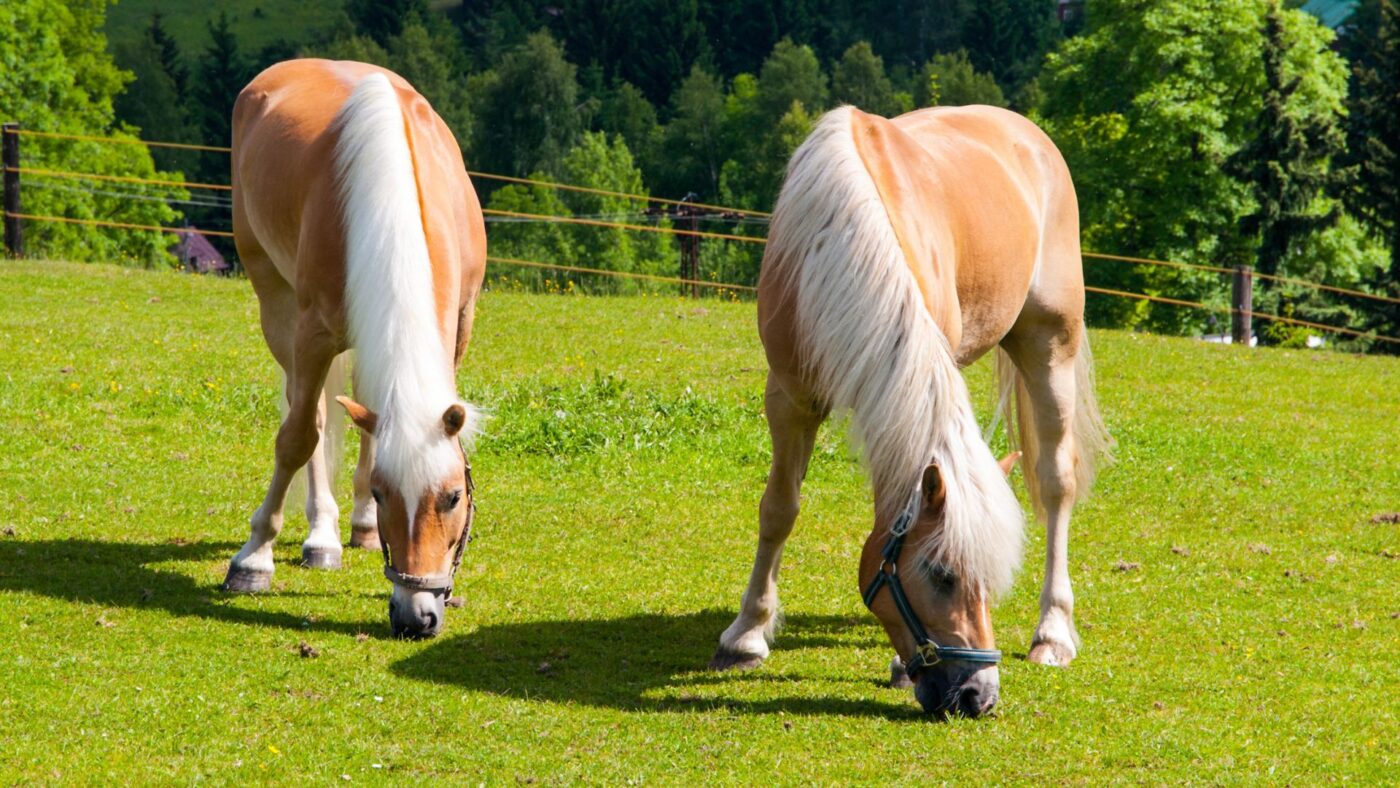
Table of Contents
What Is a Palomino Horse?
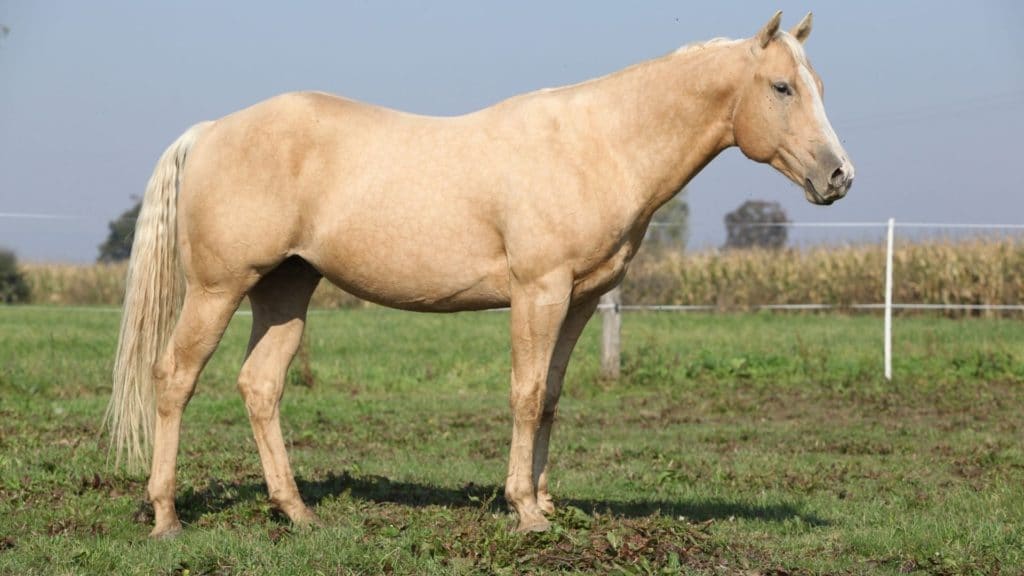
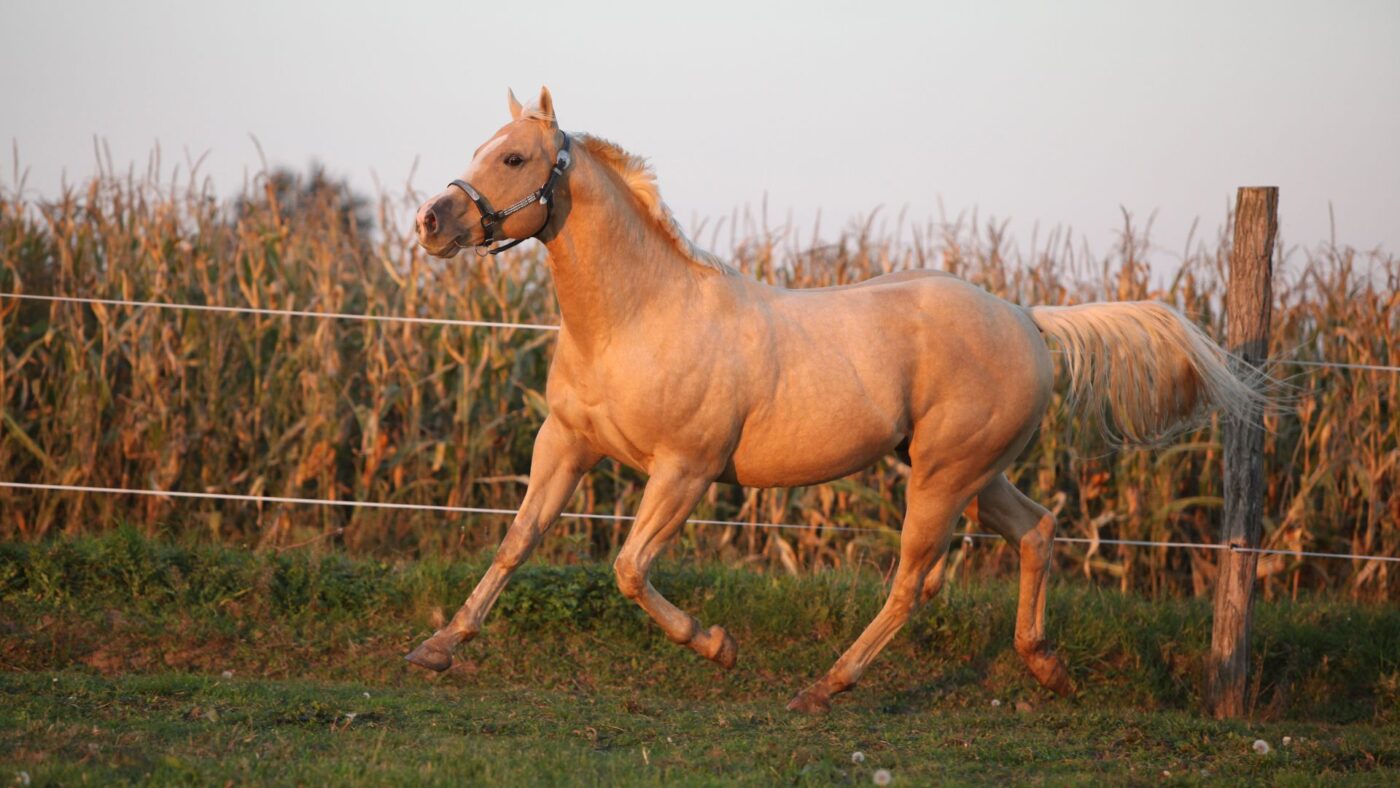
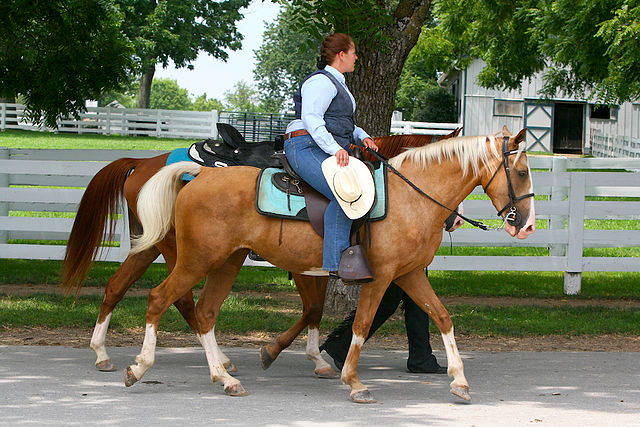
A palomino horse is defined by a golden or cream-colored coat paired with a white or light mane and tail. Palomino is a color, not a breed, and occurs across many horse breeds wherever the cream dilution gene is present. The classic shade is often described as the color of a newly minted gold coin, though the range runs from pale cream to deep rich gold.
Key identifying features:
- Golden to cream body color — ranging from pale ivory to deep honey gold
- White or light mane and tail — no dark hairs preferred by registries
- Dark skin around the muzzle and eyes — not pink like cremello horses
- Eyes typically brown or hazel — not blue like double-dilutes
- Genetically: chestnut base (e/e) + one cream gene (Cr/n)
I once owned a golden palomino stallion whose coat seemed to change with the seasons — deepening to rich honey in winter, brightening to champagne gold in summer sun. This seasonal variation is completely normal and part of what makes palominos so fascinating to identify. For how palominos compare to every other coat color, see our complete horse coat colors guide.
| Characteristic | Detail |
|---|---|
| Height | 14–16 hands (varies by breed) |
| Common breeds | Quarter Horse, Saddlebred, Morgan, Arabian, Paint, Andalusian |
| Typical price range | $3,000–$50,000+ depending on training and bloodlines |
| Lifespan | 25–30 years (breed-dependent) |
| Genetic formula | e/e (chestnut base) + Cr/n (one cream gene) |
The Genetics of the Golden Coat
The palomino’s golden coat is not a separate base color — it is a dilution of chestnut. Understanding how one gene creates the gold is the key to identifying and breeding these horses with any certainty.
The e/e Base and the Cr/n Gene
Every palomino is genetically a chestnut at heart. They carry the e/e genotype at the Extension locus, meaning they produce no black pigment. The single cream gene (Cr/n) partially dilutes the red pigment of that chestnut coat, shifting it from copper-red to gold while turning the mane and tail white or flaxen. Think of it as one coat of white paint over a red base — the gold comes from the mixture, not from a separate pigment.
The palomino genetic formula:
- e/e — chestnut base: no black pigment production possible
- Cr/n — one cream gene: partially dilutes red to gold, turns mane and tail white
- e/e + Cr/n = palomino
- e/e + Cr/Cr = cremello (double dilute — two cream genes strip almost all pigment)
- E/_ + Cr/n = buckskin (cream gene on a bay base, not chestnut)
Why Palominos Don’t “Breed True” (The 25/50/25 Rule)
Breeding two palominos together does not guarantee a palomino foal. Because palomino is a heterozygous trait — requiring one dominant Cr allele and one non-dilute n allele — it cannot be fixed. Each parent passes either Cr or n to the foal, producing three possible outcomes according to the UC Davis Veterinary Genetics Laboratory.
| Outcome | Probability | Genotype | What It Looks Like |
|---|---|---|---|
| Palomino | 50% | e/e Cr/n | Golden coat, white mane and tail, dark skin |
| Chestnut | 25% | e/e n/n | Red to copper coat, no cream dilution |
| Cremello | 25% | e/e Cr/Cr | Very pale cream, pink skin, blue eyes |
Miles’s Take — The Guaranteed Palomino Cross: I learned the 25/50/25 rule firsthand when my registered palomino mare delivered what appeared to be a cremello foal. Genetic testing confirmed the science was working exactly as it should. For breeders who want a 100% guarantee of a palomino foal, the answer is chestnut × cremello: the foal inherits exactly one cream allele from the cremello parent every single time. That cross has never let me down.
Palomino Foal Calculator
Use this calculator to predict foal color probabilities based on cream gene status. Both parents are assumed to be on a chestnut (e/e) base.
Palomino Foal Probability Calculator
Select the cream gene status for each parent. Assumes chestnut (e/e) base on both. n/n = no cream gene (chestnut), Cr/n = one cream gene (palomino), Cr/Cr = two cream genes (cremello).
Note: This calculator assumes chestnut base (e/e) on both parents. For detailed genetic analysis, use UC Davis Genetic Testing. Learn more in our science of horse color genetics guide.

Palomino Shades: From Pale Cream to Rich Gold
One of the most fascinating aspects of palominos is their chameleon nature. Unlike some colors that remain static, a palomino’s shade shifts with season, sun exposure, and genetics. Through years of working with these horses in Louisiana, I’ve learned to read those changes rather than worry about them.
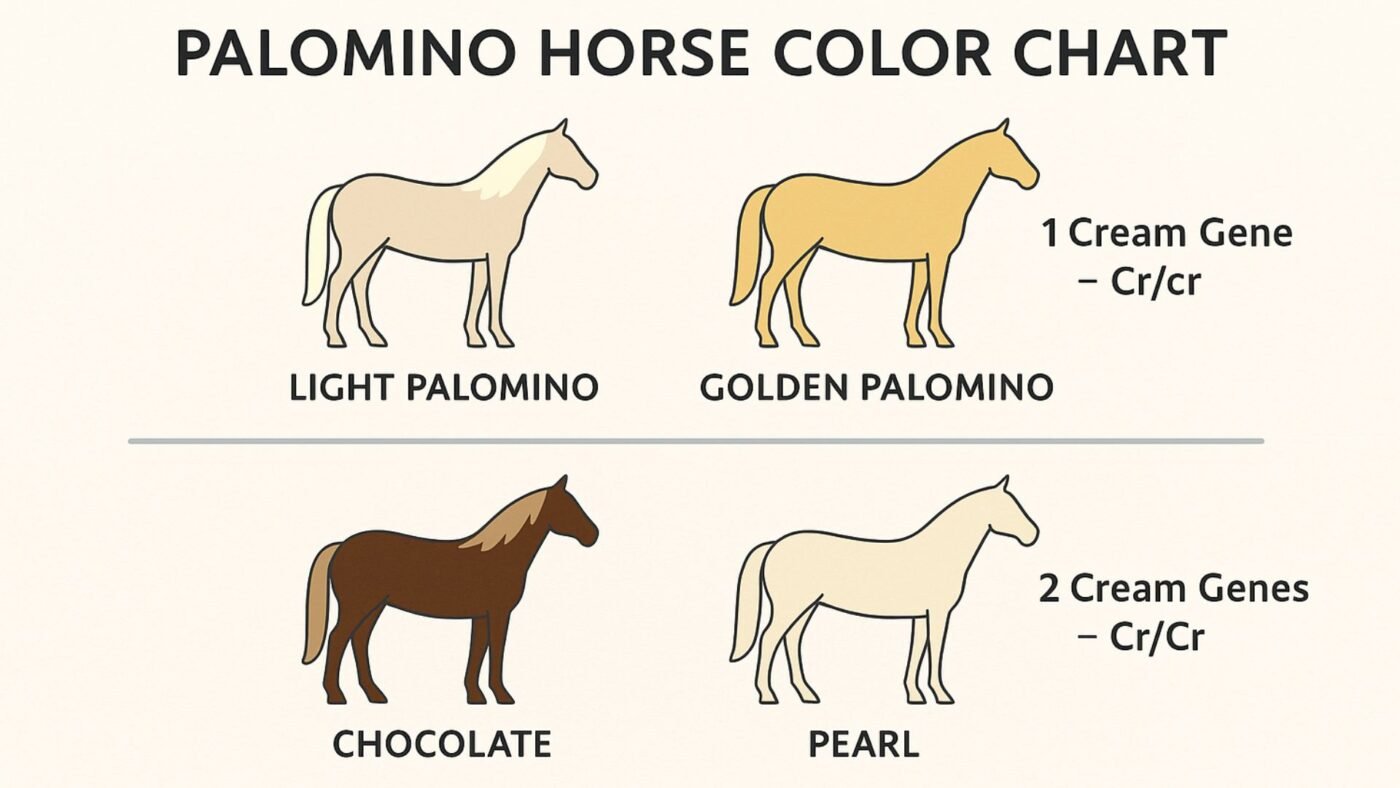
Light Palomino
The palest shade, resembling fresh cream. A light palomino mare I trained for therapeutic riding at the Folsom Training Center in Louisiana had a coat so pale it appeared almost white in barn lighting. Over 18 months I documented how her coat darkened by approximately two shades in winter — a clear example of seasonal variation that catches owners off guard the first time they see it.
Golden Palomino (The Classic Standard)
This is the textbook palomino — the rich gold color breeders strive for and registries prefer. It sits in the middle of the spectrum and holds its shade reasonably well across seasons. A golden palomino gelding I owned maintained this shade for over twelve years with consistent care and nutrition, never fading or darkening significantly.
Chocolate Palomino and the Sooty Modifier
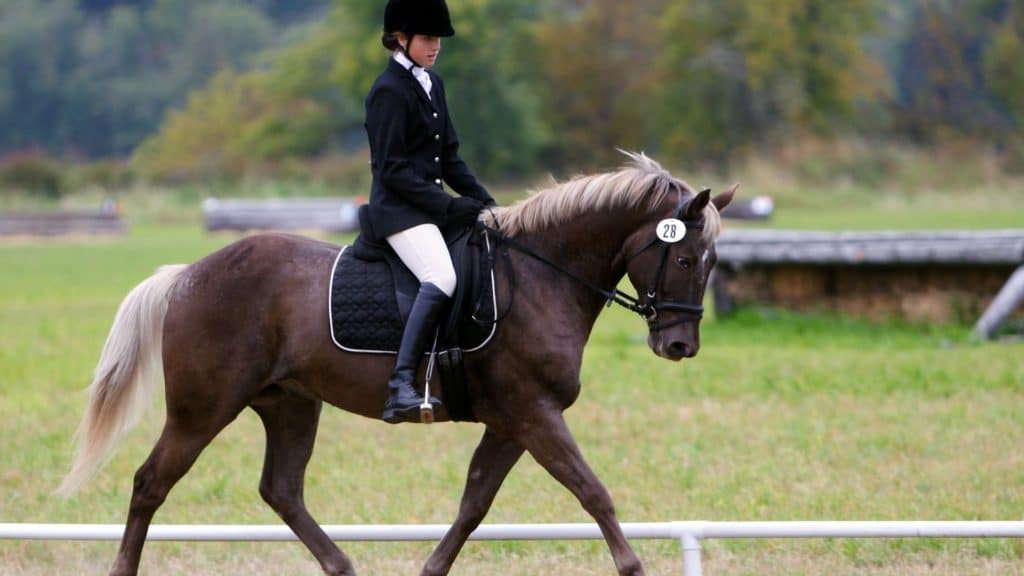
Some palominos carry the sooty (smutty) modifier, which adds dark or black hairs interspersed through the golden coat. The sooty gene typically concentrates along the topline, shoulder, and hindquarters, and tends to become more pronounced as the horse ages. In extreme cases, the combination produces a chocolate palomino — a deep golden-brown body coat with a white or silver mane — one of the most frequently misidentified colors at the rail and in the sale barn.
Common misidentification: Heavily sooty palominos are often called liver chestnuts or silver dapples by people who have not seen the light mane and tail up close. The field rule is the same as always: if the mane and tail are white or light and the skin is dark, check for the cream gene before calling it anything else. Sooty does not create black points — it adds dark hairs throughout the body.
Sunlight, Seasonality, and Coat Changes
Palomino coats naturally shift through the year. Winter coats typically come in richer and deeper as the longer, thicker hair holds more pigment visually. Summer sun exposure can bleach the hair, producing a duller, yellowish-white appearance in horses without UV protection. Paradoxically, the shorter summer coat often appears darker and more golden when it first comes in, before bleaching begins. I track these shifts with monthly photos — once you see the natural rhythm over a full year, you stop worrying about it.
Identifying Palomino Look-Alikes
Most identification mistakes happen when people focus on body color and ignore skin color and leg points. In my experience, these three checks resolve almost every field confusion.
| Color | Base | Dilution | Mane/Tail | Leg Points | Skin Color | Key Field Check |
|---|---|---|---|---|---|---|
| Palomino | Chestnut (e/e) | One cream | White or flaxen | Golden — no black | Dark | Dark skin + no black anywhere |
| Flaxen Chestnut | Chestnut (e/e) | None | White or flaxen | Reddish or flaxen | Dark | Reddish-orange cast to coat; no cream gene |
| Buckskin | Bay (E/_) | One cream | Black | Black points | Dark | Black on legs, mane, and tail — never palomino |
| Cremello | Chestnut (e/e) | Two cream | White | Pale cream | Pink | Pink skin and blue eyes — double dilute |
| Gold Champagne | Chestnut | Champagne gene | Light | Golden | Mottled pink/lavender | Freckled skin + amber or hazel eyes |
Palomino vs. Buckskin: The Black Points Rule
The most common field mistake is calling a dark palomino a buckskin. Both have golden bodies, but their genetics are entirely different. A buckskin is a bay horse with one cream gene — meaning it always carries black points on the lower legs, ear tips, mane, and tail. A true palomino has the e/e genotype and cannot produce black pigment anywhere on the body. In field identification, black points strongly indicate buckskin — a true palomino on a clean chestnut base cannot produce black pigment, so any black on the lower legs or tail is your clearest signal to look harder before dropping a claim slip.
Palomino vs. Cremello: The Skin and Eye Check
A cremello is a double-dilute — it inherited two cream genes instead of one. That double dose strips nearly all pigment from both hair and skin. The field test is simple: look at the skin around the muzzle and eyes. A palomino has dark charcoal or grey skin in those areas and brown eyes. A cremello has pink skin and blue eyes. If the skin around the muzzle is pink, it is not a palomino. When in doubt, wet the horse’s hair down — dark skin shows clearly through wet coat, while pink or mottled skin signals double-dilute.
Palomino vs. Flaxen Chestnut: The Red Tint
A flaxen chestnut has a white mane and tail like a palomino but carries no cream gene. The body coat has a reddish or orange cast — it is a lighter shade of red, not a diluted gold. The metallic or cream-based glow that distinguishes a palomino comes from the cream gene’s partial dilution; flaxen chestnuts lack that quality. If the horse breeds 100% chestnut foals when crossed with another chestnut, it is a flaxen chestnut without any cream genetics. Breeds like Haflingers and many Belgians are flaxen chestnuts that are frequently mistaken for palominos.
Rare Mimics: Champagne and Pearl
Gold champagne horses have golden coats and light manes that can appear nearly identical to palomino at a distance. The distinguishing features are mottled (freckled) pinkish-lavender skin — most visible around the muzzle and eyes — and amber or hazel eyes rather than brown. Pearl is rarer still: a single pearl gene is usually hidden, but two copies create a pale golden appearance nearly indistinguishable from palomino without DNA testing. If skin pigmentation looks speckled or unusual under close inspection, suspect champagne or pearl before calling it palomino. A test through UC Davis confirms it definitively.

Famous Palomino Horses in History and Hollywood
Palominos have made their mark in history from royal courts to movie screens. For a broader overview of legendary horses, see our guide to the most famous racehorses.
Trigger: The Smartest Horse in Hollywood
Roy Rogers’ legendary palomino was not just a pretty face. Through patient training, Trigger learned over 100 tricks and appeared in more than 100 films and TV episodes. His calm intelligence and striking golden coat established palominos as the iconic cowboy horse in American culture — an image that has not faded in 80 years. Trigger is preserved and on display at the John Wayne Museum in Fort Worth, Texas.

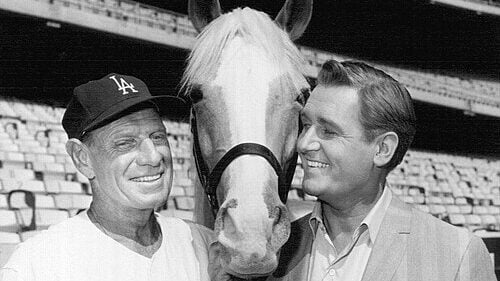
Mr. Ed: The Talking Golden Star
The famous talking horse of 1960s television was a well-trained palomino responding to conditioning cues. The moving lips were achieved through classical conditioning techniques, proving that palominos possess the trainability for complex performance work. Mr. Ed ran from 1961 to 1966 and introduced a generation of American viewers to the palomino’s distinctive look.
Historical Significance: Queen Isabella’s Golden Horses
Queen Isabella of Spain (1451–1504) established one of history’s first documented color breeding programs specifically for golden horses. Her “Caballos de Oro” were so prized that she sent breeding stock to the New World with conquistadors, laying the foundation for palomino bloodlines throughout the Americas. The direct line from those horses to the palomino Quarter Horses and Paints we see today is one of the longest documented color breeding stories in equine history.
Palomino Coloring in Popular Horse Breeds
Palomino can occur in any breed that carries the cream gene on a chestnut base. How the color presents and how it’s recognized by registries varies considerably. For breed-by-breed color breakdowns, see our horse breeds by color guide.
| Breed | Palomino Prevalence | Notes |
|---|---|---|
| Quarter Horse | Very common | Most common source of palominos in the U.S.; PHBA and AQHA both register qualifying horses |
| Arabian | Extremely rare | Appears mostly in horses with dilute ancestry; prized for iridescent golden coat when it occurs |
| Morgan | Common | Rich golden and chocolate palominos; flaxen variety particularly prized |
| Paint Horse | Common | Classic palomino color combined with pinto patterns; PHA more inclusive of spotted breeds than PHBA |
| Andalusian/Lusitano | Occasional | Extraordinary metallic gold palominos; pearl dilution also possible in Iberian breeds |
| Haflinger | Cannot be true palomino | Genetically flaxen chestnut — no cream gene; cannot be registered as palomino |
| Friesian | Essentially impossible | Primarily black; closed stud book prevents introduction of cream gene |
Registry Comparison: PHBA vs. PHA
Two main organizations register palomino horses in the United States, each with different color standards and eligibility rules.
| Feature | PHBA (Palomino Horse Breeders of America) | PHA (Palomino Horse Association) |
|---|---|---|
| Founded | 1941 | 1935 |
| Color standard | U.S. gold coin color | Light to dark golden shades |
| Mane/tail | Minimum 85% white; max 15% dark hairs | White, silver, ivory; up to 15% dark hairs |
| Height | 14–17 hands | No height requirement |
| Spotted breeds | Generally not accepted | Accepted if color qualifies |
| Best choice for | Competitive showing; purebreds; maximum resale value | Spotted breeds; unique markings; inclusive standards |
Care and Maintenance of the Golden Coat
Palominos require a few specific care considerations beyond standard horse management, primarily because their lighter coats are more sensitive to UV fading, staining, and sun-related skin issues. Through 30 years of palomino ownership in Louisiana — where summers are brutal on light-coated horses — I’ve refined these practices through trial and error.
Managing Sun Bleaching and UV Protection
UV exposure is the primary enemy of the palomino coat. Light palominos bleach fastest — a horse can shift from pale gold to dull yellowish-white in a single Gulf South summer without protection. I use UV-rated fly sheets in white or light silver year-round during peak sun hours (10 AM to 4 PM), which reflects heat and maintains coat quality far better than dark-colored sheets. A horse that races at Fair Grounds in July without UV protection will arrive at Evangeline Downs in August noticeably faded.
Nutrition for Coat Shine
Copper and zinc support pigment production and are the two most commonly deficient minerals in horses with dull or faded coats. Omega-3 fatty acids improve coat quality and add the metallic sheen that distinguishes a well-maintained palomino from a dull one. Avoid high-iron feeds — well water in many regions of Louisiana runs high in iron, and excess iron competes with copper absorption and dulls the golden pigment over time. See our full guide: horse coat nutrition tips.
Mane and Tail Maintenance
White manes and tails stain easily and require consistent management. Weekly washing with a quality whitening shampoo, daily detangling with leave-in conditioner, and protective braiding during muddy turnout keeps them clean without stripping the hair. Tail bags work well for horses in wet conditions.
Download our free Horse Care Checklist (PDF) — daily, weekly, and monthly tasks to keep a palomino coat in show condition.
Common Palomino Care Mistakes
Three decades of palomino ownership taught me these lessons the hard way.
Over-washing the white mane. I washed my palomino gelding’s mane three times per week to keep it white. Within six months it became brittle and broke off to shoulder length. Weekly washing with whitening shampoo, daily spot-cleaning with a damp cloth, and leave-in conditioner between washes solved the problem. The mane grew back within 18 months.
Using human sunscreen. I applied SPF 50 human sunscreen to my mare’s pink nose and got a $200 vet bill for an allergic skin reaction. Equine-specific sunscreen formulated for horses has been zero-issue for years since. Do not use human formulations on horses — the chemical profiles are different enough to cause real problems.
Overusing purple bluing shampoo. Twice-weekly purple shampoo for a sparkling white tail turned it lavender-gray within a month from pigment buildup. Once every two to three weeks maximum, with a clarifying wash afterward, keeps whites bright without the purple tint.
Panicking over seasonal color changes. My golden palomino’s coat darkened significantly in November. I thought something was wrong nutritionally. By March it had lightened back to perfect gold-coin color. I now track changes with monthly photos taken in the same location — once you see the full annual rhythm, the seasonal shifts stop being alarming.
Cost Breakdown
| Category | Typical Price Range |
|---|---|
| Trail horses | $3,000–$8,000 |
| Show prospects | $8,000–$25,000 |
| Breeding quality | $15,000–$50,000+ |
| Performance champions | $25,000–$100,000+ |
| Annual palomino-specific care premium | $500–$1,200 above standard horse care |
| UV sheets and fly masks | $200–$400 annually |
| Specialized grooming products | $100–$200 annually |
| Coat supplements (copper, zinc, omega-3) | $150–$300 annually |
For complete ownership cost breakdowns, see our guide to realistic horse costs by breed, age, and use.
Frequently Asked Questions About Palomino Horses
Is palomino a breed?
No, palomino is a color that occurs in many different horse breeds. You can have a palomino Quarter Horse, palomino Arabian, palomino Thoroughbred, and so on. The color requires a chestnut (e/e) base with one cream dilution gene (Cr/n) — any breed that can carry both qualifies.
Can two palominos produce a palomino foal?
Yes, but only 50% of the time. Because palomino is a heterozygous trait — one cream gene, one non-dilute allele — it cannot breed true. The other outcomes are 25% chestnut (no cream gene inherited) and 25% cremello (two cream genes inherited). For a 100% guarantee of a palomino foal, breed a chestnut to a cremello.
Do palominos need special care?
They require extra sun protection for their lighter coats and specialized grooming for white manes and tails, but they are otherwise as hardy as any other horse. The main added costs are UV-rated fly sheets, whitening shampoos, and coat supplements (copper, zinc, omega-3) that maintain the golden pigment and prevent bleaching.
How much does a palomino horse cost?
Prices range from $3,000 for a basic trail horse to $50,000+ for breeding or show stock. Color alone does not determine value — training, bloodlines, and conformation matter far more. A palomino-specific care premium of $500–$1,200 annually covers UV protection, grooming products, and coat supplements.
How can I tell a true palomino from a light chestnut?
Check three things: skin color, mane color, and genetics. True palominos have dark skin around the muzzle and eyes, a white or light mane and tail, and carry the cream dilution gene (Cr/n). Light chestnuts have the same dark skin and may have a flaxen mane, but carry no cream gene and produce a reddish or orange cast to the body coat rather than the metallic gold of a palomino.
Are palominos rare?
Not particularly. The cream gene occurs in many breeds, making palominos relatively common compared to truly rare colors like silver dapple or pearl. However, specific shades like the perfect ‘gold coin’ color that PHBA prefers can be harder to find and command premium prices at auction.

Key Takeaways: Palomino Horses
- Palomino is a color, not a breed — any horse with a chestnut base and one cream gene expresses palomino, regardless of breed; the genetics, not the registry, define it.
- Two palominos produce a palomino only 50% of the time — the 25/50/25 rule applies to every palomino × palomino cross; for guaranteed palomino foals, breed chestnut × cremello.
- Dark skin confirms palomino; pink skin means double-dilute — this single check resolves most field confusion between palomino and cremello.
- Black points mean buckskin, not palomino — a single black hair on the lower legs or tail rules out palomino entirely; palominos cannot produce black pigment.
- The sooty modifier explains chocolate palominos — heavily sooty palominos are regularly misidentified as liver chestnuts or silver dapples; the light mane and dark skin confirm palomino regardless of how dark the body coat appears.
- UV protection is the most important palomino-specific care — a quality UV fly sheet prevents bleaching and maintains coat quality through Gulf South summers far better than any grooming product alone.
- Haflingers are not palominos — they are flaxen chestnuts with no cream gene; they cannot be registered as palomino regardless of how golden their coat appears.
About Miles Henry
Racehorse Owner & Author | 30+ Years in Thoroughbred Racing
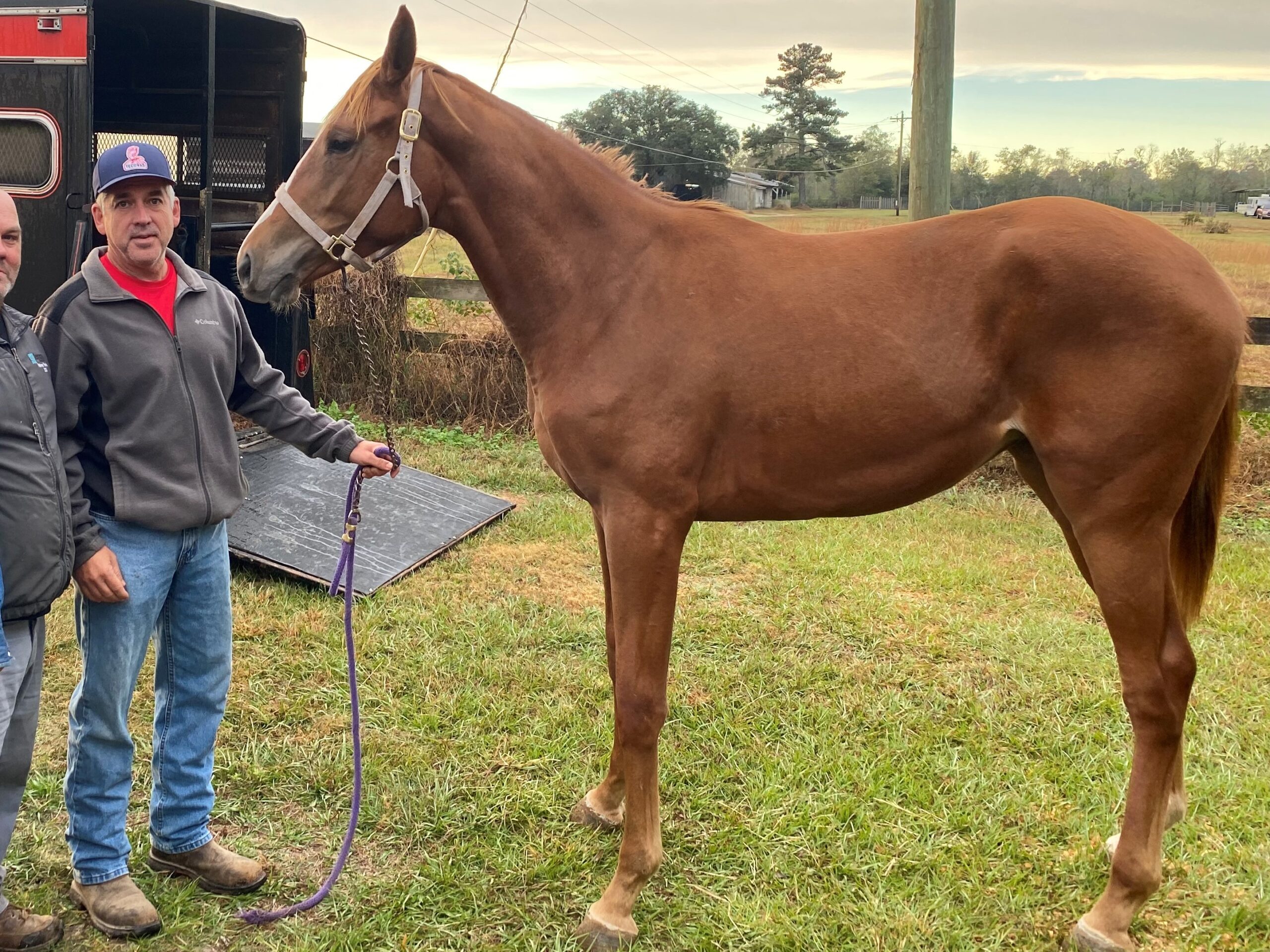
Miles Henry (legal name: William Bradley) is a professional horseman based in Folsom, Louisiana. He holds Louisiana Racing License #67012 and has spent over three decades managing Thoroughbreds at premier tracks including Fair Grounds, Delta Downs, and Evangeline Downs.
Expertise & Hands-On Experience: Beyond the track, Miles has decades of experience in specialized equine care, covering everything from hoof health and nutrition to training protocols for Quarter Horses, Friesians, and Paints. Every guide on Horse Racing Sense is rooted in this “boots-on-the-ground” perspective.
30 of their last 90 starts
Equibase Profile.

Connect with Miles: