
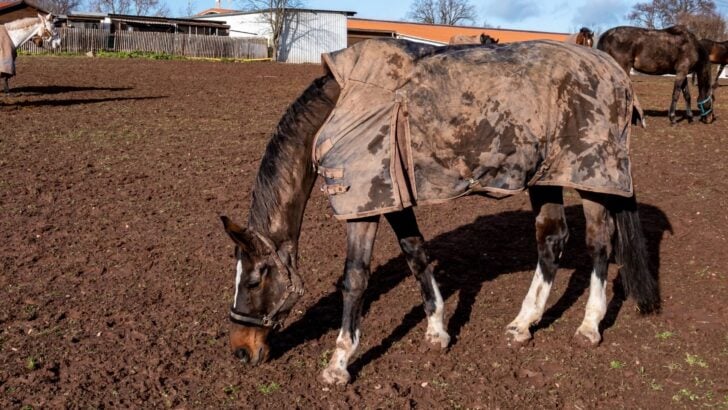
Last updated: April 1, 2026
Any links on this page that lead to products on Amazon are affiliate links and I earn a commission if you make a purchase. Thanks in advance – I really appreciate it!
When should you blanket your horse? It’s one of the most common winter questions — and most owners get it wrong by focusing on temperature alone. Horses handle cold well, but wind, rain, coat condition, and workload can change what they actually need.
That’s where problems start. Over-blanket, and you risk sweating and chills. Under-blanket in wet, windy conditions, and a horse can lose heat fast.
If you want to get it right consistently, you need a system. Here’s the exact horse blanket temperature chart and weight guide I use to make the call.

The Folsom Louisiana Barn Decision Framework
You can’t just go by the thermometer. You have to look at the horse standing in front of you. A sleek, clipped racehorse in a stall needs different care than a Quarter Horse with a winter coat living outside.
I use this horse blanket temperature chart to make the call every morning.
Core Temperature Chart: When to Blanket
| Temperature | Unclipped (Natural) | Clipped / Senior | Miles’ Action |
|---|---|---|---|
| 50°F+ (10°C+) | Naked | Sheet (if windy) | Let ’em breathe. |
| 40–50°F (4–10°C) | Naked | Light Sheet | Only blanket if raining. |
| 30–40°F (−1–4°C) | Naked (unless raining) | Medium Weight | Watch for shivering. |
| 20–30°F (−7–−1°C) | Medium Weight | Heavy Weight | Feed extra hay first. |
| Below 20°F (−7°C) | Heavy Weight | Layer (Sheet + Heavy) | Bring ’em in. |
If you’re unsure how much insulation your horse actually needs at each temperature, use this horse blanket weight chart by temperature to dial in the right setup.
Decision Tree: Does Your Horse Need a Blanket?
If you are new to this, here is a step-by-step flowchart to walk you through the decision.
Miles’ Decision Logic: To Blanket or Not?
Step 1: Is your horse clipped?
- YES → Proceed to Step 2
- NO → Skip to Step 3
Step 2 (Clipped Horses): Check the Temperature
- Below 40°F (4°C): Medium to heavy blanket required
- 40–50°F (4–10°C): Light sheet or stable blanket
- Above 50°F (10°C): No blanket (risk of sweating)
Step 3 (Unclipped Horses): Check Age & Condition
Is your horse a senior (18+) or thin (body score ≤4)?
- YES → Blanket below 35°F (2°C)
- NO → Proceed to Step 4
Step 4: Weather Conditions
- Rain + Cold (Below 30°F / −1°C): Waterproof turnout blanket
- Dry + Cold (Below 20°F / −7°C): Light blanket optional
- Wind Chill (Below 10°F / −12°C): Medium blanket recommended
*Note: This is a general guide. Always monitor your individual horse for signs of shivering or overheating.
Regional Differences: Louisiana vs. The North
If you’re reading this from Montana, you’re probably laughing at my “cold” temperatures. But humidity changes the game. A 40-degree night in Hammond with 90% humidity soaks into the bone faster than a dry 20-degree day in Denver. If you are in a wet climate, shift these temperature ranges up by about 10 degrees.
Louisiana blanketing strategy: I keep medium-weight turnout blankets ready but only use them during the coldest nights. I remove them by 9 AM when temperatures rise. Montana owners can leave blankets on for days—we can’t.
Critical Factors Beyond Temperature
- Age: Horses over 20 lose muscle mass and can’t generate heat as efficiently. I blanket seniors at 35°F (2°C) regardless of coat.
- Body Condition Score: Thin horses (score 4 or below) need blankets earlier. Fat reserves = insulation.
- Shelter Access: A run-in shed changes everything. Wind protection matters more than ambient temperature.
- Wind Chill: 30°F (−1°C) with 20 mph winds feels like 15°F (−9°C). Always check wind speed.
- Wet vs. Dry Cold: A wet horse in 35°F (2°C) weather is colder than a dry horse in 25°F (−4°C). Waterproof blankets are non-negotiable in rain.
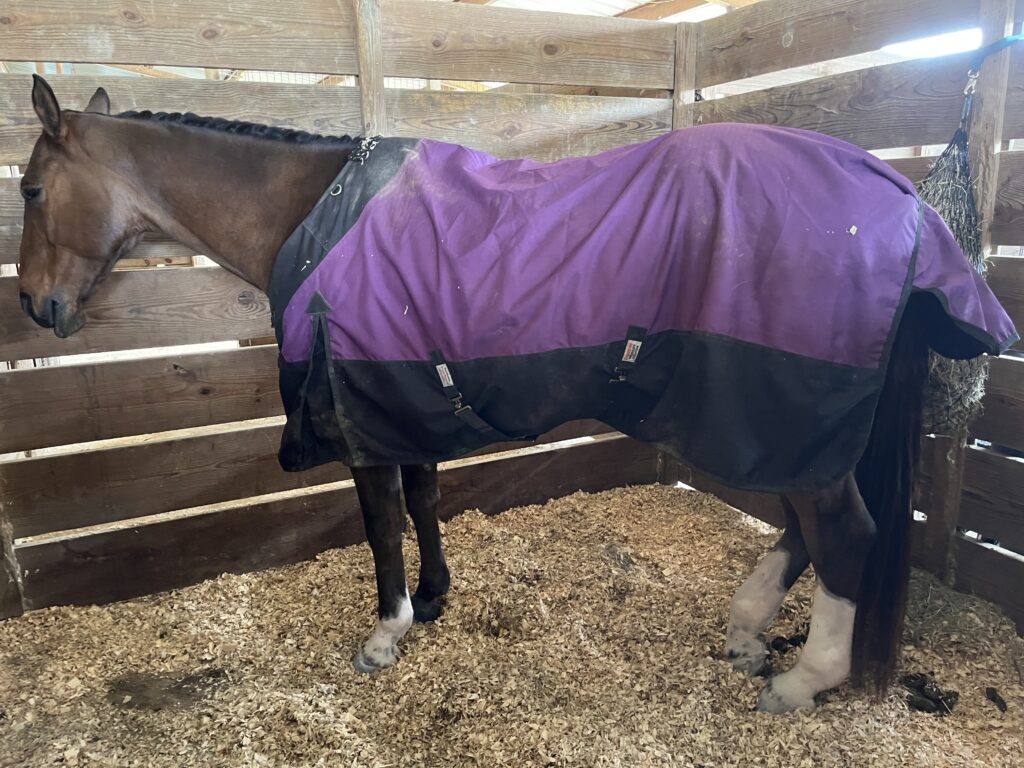
What I’ve Learned Blanketing Louisiana Horses for 30 Years
I learned the hard way that a blanket isn’t a “set it and forget it” tool. Back in the late 90s, I had a nice colt who was clipped for early spring training. We got a freak cold snap, so I threw a heavy stable blanket on him. The next morning, the temperature shot up to 65°F by noon while I was stuck at a seamless gutter job.
When I got back to the barn, that poor horse was dripping sweat. The moisture was trapped against his skin under that heavy synthetic fabric. Two days later? Rain rot across his back that took me three weeks to clear up. That cost me a month of training.
Here is what that taught me:
- The “Hand Test” is King: Slide your hand under the blanket at the shoulder. If it feels toasty, they are fine. If it feels damp or hot, take it off immediately. If it feels cold, they need a heavier layer.
- Cheap Hardware Breaks: I’ve had horses roll and snap cheap leg straps, leaving the blanket hanging off one side, spooking them into a fence. I only buy blankets with replaceable, heavy-duty leg straps now.
- Fit Matters More Than Fill: A 300g blanket that rubs the withers is worse than a 100g sheet that fits perfectly. I look for high neck cuts for my high-withered Thoroughbreds.
The Strap Injury That Changed My Protocol
One of our horses got a leg caught in a loose belly strap. The blanket had shifted overnight, the strap dragged, and he panicked. We found him at 6 AM with a rope burn on his hind leg. Fortunately, it was superficial, but it could have been catastrophic.
Lesson learned: Fit matters more than fill weight. I now double-check every strap before turnout and replace elastic leg straps that lose tension.
Miles’ Fit Checklist:
- Shoulder Straps: Adjust so you can fit exactly two fingers underneath.
- Belly Straps: Snug enough to prevent a leg from getting caught, but loose enough for the horse to graze comfortably.
- Leg Straps: Always cross them through each other to keep the blanket centered and prevent entanglement.
- Withers: Ensure there are no large gaps; otherwise, cold air will funnel down the back like a chimney.
Top 3 Blanket Recommendations (Tested in Louisiana Conditions)
I’m not sponsored by any of these folks, but I know what lasts in a barn full of rowdy geldings. Here are the top 3 blankets I actually keep in my tack room.
| Blanket | Fill | Best For | Durability | Miles’ Take |
|---|---|---|---|---|
| Horze Glasgow | 350g (Heavy) | Clipped horses in wet cold | 1200D Ripstop | My #1 Pick. Best value for wet winters. Check Price |
| WeatherBeeta | 220g (Medium) | Variable temps / Sensitive TBs | 1200D Ripstop | Premium. Fleece wither relief. Check Price |
| StormShield | 0g (Sheet) | Rain, wind, mud armor | 1680D Ballistic | Indestructible. Best shell. Check Price |
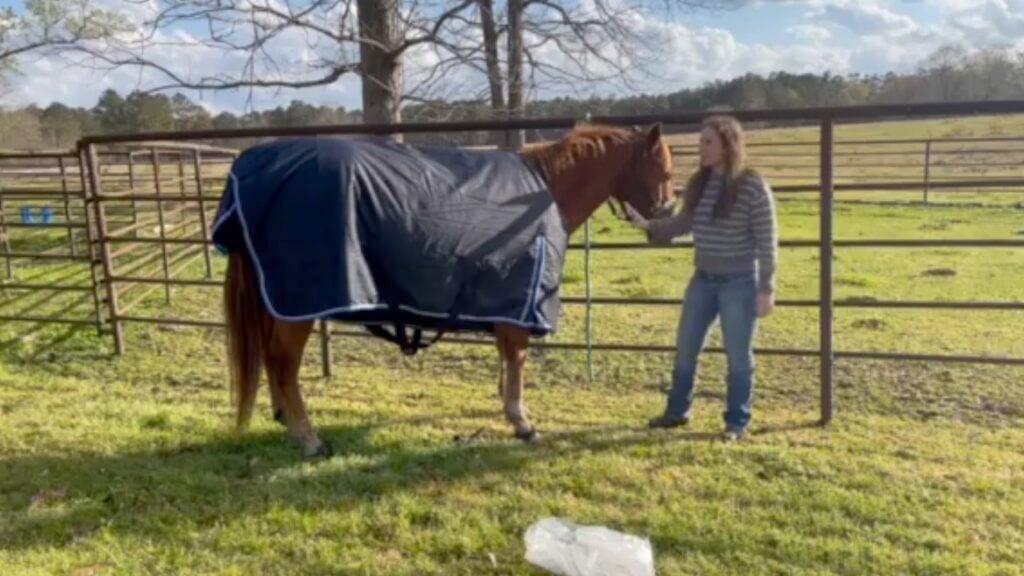
When NOT to Blanket: Risks You Need to Know
I see people blanket their horses out of guilt. Don’t do it. Nature designed horses to heat themselves from the inside out through fermentation (digesting hay). There are serious risks to over-blanketing:
1. Overheating and Sweat-Related Issues
This can be dangerous. An overheated horse can colic or dehydrate rapidly. Horses generate heat through digestion. When you blanket a horse that doesn’t need it, they overheat. Sweat gets trapped under the blanket, the coat stays wet, and when temperatures drop at night, that wet horse gets colder than if you’d never blanketed them.
Louisiana example: Last February, we had a 35°F (2°C) morning that warmed to 65°F (18°C) by 1 PM. Horses that stayed blanketed all day were soaked by afternoon. The smart move? Remove blankets by 9 AM.
2. Rain Rot and Fungus
If moisture gets under that blanket (either from sweat or a leak), it creates a greenhouse for bacteria. I’ve seen skin slough off because an owner didn’t check under a blanket for three days. Rain rot thrives in warm, damp conditions—exactly what a wet blanket creates.
Signs of rain rot: Crusty scabs along the spine, hair loss, sensitivity when you touch the back. Prevention is simple—keep blankets dry and remove them daily to check the coat.
3. Vitamin D Deficiency
If they are covered 24/7, they aren’t getting sun on their skin. I try to give my horses at least a few hours “naked” every sunny day, even if it’s chilly. Sunlight on the skin is how horses produce vitamin D, which is critical for bone health and immune function.
4. Coat Damage and Blanket Dependency
Horses that wear blankets all winter don’t grow proper winter coats. Their bodies adapt to the artificial warmth, and their natural thermoregulation gets lazy. The next winter, they need blankets because they didn’t develop a thick coat.
My rule: If your horse isn’t clipped and isn’t working hard, let them grow a natural coat. Don’t create blanket dependency.
When to Skip the Blanket:
- If the horse has a full winter coat and the temp is above 30°F (−1°C).
- If the horse is dry and has access to a shelter and plenty of hay.
- If you aren’t sure you can make it back to the barn to take it off when the sun hits.
More Winter Horse Care Guides from the Barn
- Winter Horse Care: Keeping Your Equine Partner Thriving – My full guide on feeding, water heaters, and shelter basics.
- Horse Winter Coat 101: Growth, Care, and Expert Advice – Learn why daylight, not just cold, triggers the coat growth cycle.
- Winter Horse Riding Gear: Essentials for Staying Warm & Safe – The specific layers and hoof traction gear I use for winter trail riding.
- The Complete Horse Care Schedule – How winter maintenance fits into your year-round barn routine.

Miles’ Monitoring Checklist:
- Daily Moisture Check: Reach under the blanket and feel the hair. If it’s damp, your horse is sweating and needs a lighter layer.
- The Rub Test: Run your hand along the withers and shoulders daily. Any heat or hair loss means the fit is wrong or the blanket is too heavy.
- Body Language: Watch for repeated shivering (needs more fill) or flared nostrils/panting (needs less fill).
- Air It Out: Pull the blanket off for at least one hour daily. This prevents skin “scald” and lets the coat breathe.
FAQs About Using Horse Blankets
When should you blanket a senior horse?
Most senior horses benefit from blanketing when temperatures drop below 40°F, especially if they are thin, clipped, or have difficulty maintaining body condition. Older horses often produce less internal heat and may need heavier blankets sooner than younger, healthy horses.
How do you re-waterproof a horse blanket?
You can re-waterproof a turnout blanket using a horse-safe waterproofing spray or wash-in treatment designed for breathable fabrics. Always clean the blanket first and follow the manufacturer’s directions to avoid damaging the waterproof membrane.
Is it safe to blanket a wet horse?
It’s best to avoid putting a blanket on a soaking wet horse unless the blanket is specifically designed to wick moisture. In most cases, allow the horse to dry first to reduce the risk of skin issues like rain rot or trapped moisture.
How do I choose the right blanket weight for my horse?
Blanket weight depends on temperature, wind, rain, your horse’s coat, age, and body condition. In wet or windy climates, many horses need heavier fill than temperature alone would suggest because moisture and wind increase heat loss. For summer and transitional weather, check out my guide on cooling sheets and horse cool down blankets to help your horse regulate temperature safely year-round.

My Louisiana Protocol for Blanketing
Deciding when to blanket horses doesn’t have to be a guessing game. It comes down to three things: coat condition, temperature, and moisture. If they are dry and fuzzy, let them be a horse. If they are clipped, wet, or old, give them some help.
My rule in Hammond is simple: If I’m comfortable in a sweatshirt, they are comfortable naked. If I need a heavy coat, they might need a sheet. If I’m miserable, they get the heavy blanket.
Trust your gut, but verify with your hand under that blanket.
Sources & Further Reading
This article draws from 30+ years of barn experience, veterinary consultations, and industry best practices. For additional technical information on equine thermoregulation and blanketing science:
About Miles Henry
Racehorse Owner & Author | 30+ Years in Thoroughbred Racing
Miles Henry (legal name: William Bradley) is a professional horseman based in Folsom, Louisiana. He holds Louisiana Racing License #67012 and has spent over three decades managing Thoroughbreds at premier tracks including Fair Grounds, Delta Downs, and Evangeline Downs.
Expertise & Hands-On Experience: Beyond the track, Miles has decades of experience in specialized equine care, covering everything from hoof health and nutrition to training protocols for Quarter Horses, Friesians, and Paints. Every guide on Horse Racing Sense is rooted in this “boots-on-the-ground” perspective.
30 of their last 90 starts
Equibase Profile.

Connect with Miles: