

Last updated: September 11, 2026
Maybe you enjoyed a vacation trail ride, are thinking about getting back in the saddle, or want to try riding before committing to lessons or owning a horse. The question is simple: can you rent a horse for a day?
Yes, you can rent a horse for a day; most day rentals are guided or supervised experiences rather than a horse you take away on your own. The most common options are trail rides, riding lessons, guest ranch experiences, and private arrangements for experienced riders. Prices often range from about $40 to $100+ for shorter rides, with longer or private experiences costing more.
The best option depends on what you really want to do. Here’s how to find the right arrangement, what it may cost, and the questions I’d ask before handing over payment.
Table of Contents
Renting a Horse for a Day
Horse rentals don’t work like a car rental. The usual arrangement is a guided trail ride, lesson, or other supervised experience. The facility provides the horse, tack, route or arena, staff, and rules. You show up, complete the paperwork, get matched with a suitable horse, and ride where and how the barn allows.
For a first-time rider, that’s exactly what you want. A good trail barn or riding school gives you a horse that knows the job, clear instructions, and someone nearby who understands the horses and the setting. Renting a horse to take down the road, trailer to another location, jump, gallop, or ride alone for the day is much less common. Those arrangements are usually limited to experienced riders who have earned the owner’s trust and agreed to written terms.

Types of Horse Rentals at a Glance
| Rental type | Best for | Typical cost | What to expect |
|---|---|---|---|
| Guided trail ride | Beginners, tourists, and casual riders | Often about $40 to $100+ per person for a short ride | A facility horse, tack, guide, set route, and rules. Many rides are walk-only. |
| Riding lesson | People who want to learn to ride | Often about $50 to $100+ per lesson | A school horse, arena time, instruction, and supervision. |
| Several-hour or specialty ride | Riders seeking a longer or scenic experience | Often about $100 to $300+ | More saddle time, a private guide or smaller group, and sometimes a destination or meal stop. |
| Guest ranch or riding vacation | Travelers who want multiple days of riding | Usually package pricing; varies widely | Daily rides, lodging or meals in many cases, and minimum age, weight, and ability requirements. |
| Private rental or lease | Experienced riders who need more independent access | Varies widely | Proof of ability, clear written terms, and sometimes insurance or shared horse-care costs. |
How Much Does It Cost to Rent a Horse?
Prices vary by location, ride length, season, group size, scenery, and whether the ride is private. A guided trail ride is usually the least expensive option. Beach, mountain, ranch, sunrise, sunset, private, and all-day experiences can cost much more.
A true full-day horse rental is less common than an hourly guided ride. If by “a day” you mean several hours in the saddle, plan on roughly $100 to $300 or more, depending on the experience and location. A private guide, specialty ride, riding vacation, or independent arrangement can cost more than that.
Those are planning ranges, not fixed national prices. One current trail-riding operation, for example, lists a one-hour group ride at $40 and a two-hour group ride at $75, while its private rides cost more and have separate age and rider-weight limits. Always check what is included before comparing prices. A lower advertised rate may not include a helmet, taxes, park fees, photos, transport, or a cancellation option.
Where Can You Rent a Horse for a Day?
Start with the kind of ride you want, then find a facility that offers it. If you’re wondering where to rent a horse for a day, a commercial trail stable or a riding school is usually the best place to start. More experienced riders may also find a guest ranch, training facility, lease program, or private arrangement that fits their goals.
Commercial trail-riding stables
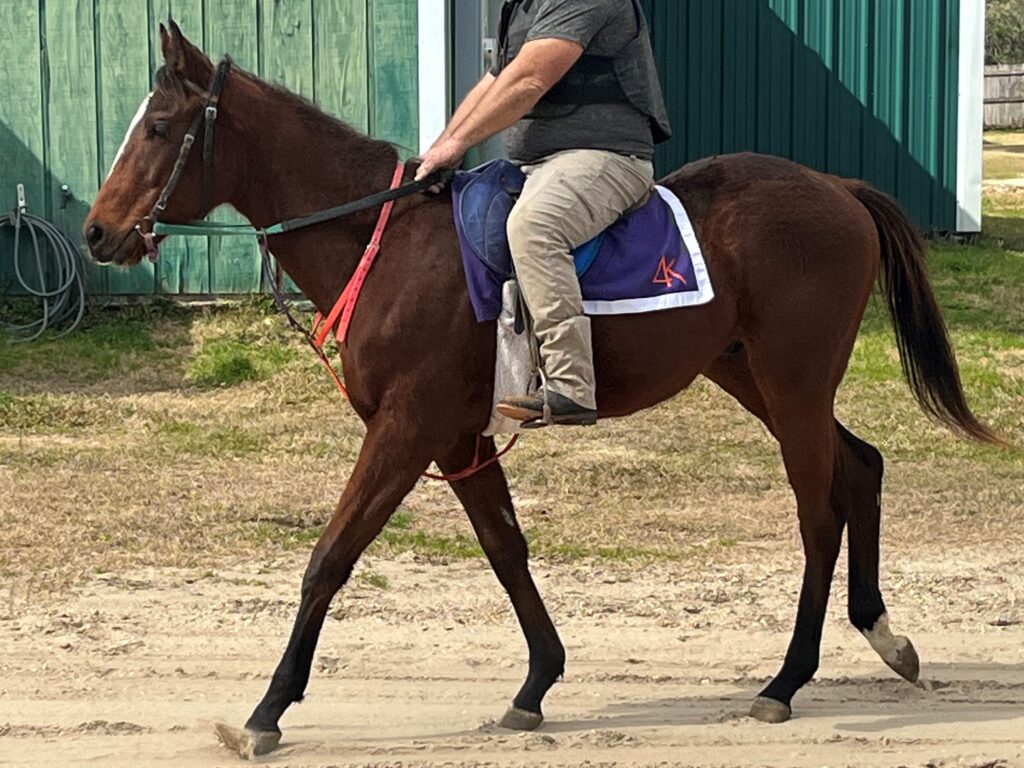
Commercial trail rides are the most common option. You reserve a time, sign a waiver, get matched with a horse, and follow a set route with a guide. A responsible barn should ask about your age, height, weight, riding experience, and any physical limitations before assigning a horse.
Don’t assume you can go wherever you want or ride as fast as you want. Many rides are walk-only, especially for beginners and mixed groups. Some offer walk-trot rides for capable riders, but cantering, galloping, and riding without a guide are much less common. The guide is there to keep the group organized, prevent riders from crowding each other, and handle trouble before it grows.
I’ve taken visiting friends to commercial trail facilities when they wanted to ride but didn’t have the experience to handle one of our horses. That’s the right use of a good trail barn: a seasoned horse, clear rules, and staff who know how to keep beginners from getting in over their heads.
Riding schools and lesson barns
If you want to learn to ride, book a lesson instead of a trail ride. A lesson barn can teach you to mount, stop, steer, handle the reins, use your legs, and stay balanced before you’re asked to make decisions on a trail. The fee usually includes use of a school horse and tack, although helmet policies vary.
Many barns offer one-time lessons, introductory packages, or regular programs. Some will let capable riders book supervised arena time, but most want to see how you ride first. That’s a good sign, not an inconvenience. If you’re brand-new to horses, read my guide to horse riding safety and basic handling before your first lesson or trail ride.

Guest ranches and riding vacations
Guest ranches and riding vacations can give you more saddle time than a standard trail ride. Depending on the operation, you may ride daily, take longer trail rides, receive instruction, or join cattle work. These trips are usually sold as packages rather than simple one-day rentals, and they often have minimum age, weight, skill, and health requirements.
Be honest about your experience when you book. If a ranch says “intermediate” or “advanced,” ask what that means. Can you walk, trot, and canter in control? Are you comfortable in a western saddle for several hours? Can you manage hills, water crossings, uneven ground, or a horse that becomes forward in a group? Those questions matter more than whether you rode a few times years ago.
Can You Rent a Horse and Ride It Anywhere?
Usually, no. Most horse rentals are limited to the facility’s designated trail, arena, ranch, or approved route. The barn decides where you can ride, whether a guide is required, what pace is allowed, and whether the horse may leave the property.
Don’t assume you can take a rental horse on public roads, trailer it to a park, ride it on the beach, jump it, gallop it, or ride it alone unless the owner gives written permission. A rental horse may know one route well and be completely unsuitable for unfamiliar terrain, traffic, water crossings, or a rider who doesn’t know the horse. Independent use is a different level of responsibility, which is why facilities usually reserve it for capable riders with a clear agreement.
Private owner and training-facility rentals
Private rentals are different from tourist rides. Some owners will let a trusted, capable rider use a horse for a day, a show, a short trial period, or a specific trail ride. Most owners won’t hand a horse to a stranger just because that person offers money, and I don’t blame them. A horse can get hurt, learn bad habits, be taken somewhere the owner never approved, or end up in a situation that isn’t safe for horse or rider.
We’ve done short-term private arrangements when evaluating a horse and when a rider needed a suitable horse for a particular competition. Those arrangements required trust, clear expectations, and insurance. If you’re considering a private rental, expect questions about your riding background, intended use, where the horse will be kept, transportation, emergency contacts, and who pays if the horse is injured.
What to Ask Before You Rent a Horse
A good barn asks you questions before it worries about taking your money. That tells you something. It’s thinking about matching a horse to a rider, not just filling a time slot. You should ask questions too.
- Is the ride guided, and what pace do you allow? Find out whether it is walk-only, walk-trot, or more advanced. Don’t assume you can canter because a website shows a cantering photograph.
- How do you match horses to riders? The barn should ask about your experience and may assess you before assigning a horse.
- What are the age, height, and rider-weight limits? Check before booking, not when you arrive. These limits help protect the horse, rider, and tack setup.
- Do you provide helmets, and are they required? Ask whether the facility provides properly fitted equestrian helmets or expects you to bring one.
- What should I wear? Closed-toe shoes or boots with a defined heel are commonly required. Ask about long pants, weather gear, gloves, bags, and backpacks.
- What happens in bad weather or if the horse goes lame? Ask about rain, lightning, extreme heat, trail conditions, cancellations, refunds, and rescheduling before you pay.
- What does the waiver say? Read it. A waiver isn’t paperwork to sign without understanding, and it doesn’t mean you should ignore the barn’s safety rules.
- Can I cancel or reschedule? Many barns have strict cancellation windows because a reserved horse and guide cannot always be reassigned at the last minute.
My take: The best rental barns are not the ones promising the most exciting ride. They are the ones that match riders with appropriate horses, explain their rules clearly, and put safety and horse welfare ahead of selling an experience.
Safety Rules for Horse Rentals
Rental rules can feel restrictive, especially if you’ve ridden before. But the staff knows its horses, tack, terrain, weather patterns, and the situations that tend to cause problems. Listen to the briefing, follow the guide, and don’t try to prove you’re a better rider than the rest of the group.
- Wear suitable gear: Wear a properly fitted equestrian helmet if the barn requires or provides one, and use closed-toe footwear with a defined heel that works with a stirrup.
- Follow spacing and speed rules: Don’t crowd the horse ahead, pass without permission, or push your horse faster than the guide allows.
- Pay attention while mounted: Keep your phone put away unless the guide says it is safe to take a photograph. Watch the horse, trail, and riders around you.
- Speak up early: Tell the guide if the tack shifts, the horse seems lame, you feel unwell, or you cannot control the horse.
- Ride within your ability: A rental horse isn’t the place to learn to canter, jump, gallop, ride bareback, or test a new trick unless you are in an appropriate supervised lesson.
Before you leave the barn, pay attention to the basics. Does the tack look fitted correctly? Does the horse appear sound? Do you understand the trail rules and the pace? Small warning signs are easier to deal with before the group is halfway down the trail. Cooperative Extension trail-riding guidance likewise recommends checking the horse, rider, tack, and trail before setting out.
Why Renting a Horse Can Make Sense
Renting lets you enjoy horses without pretending that a two-hour trail ride is the same thing as owning one. You can see whether you like being in the saddle, try a riding style, spend time outdoors, or decide whether lessons are worth pursuing before you take on the cost and responsibility of a horse.
- You are new to horses: A guided ride or lesson lets you get comfortable around horses under supervision.
- You want to learn before you buy: Lessons teach you far more about riding and handling than an occasional trail ride.
- You are considering ownership: Regular lessons or a lease can help you understand the time, skills, and commitment before you buy a horse.
- You do not have land or daily horse time: Renting lets you ride without taking on feeding, turnout, hoof care, veterinary care, training, and emergency responsibility.
- You are traveling: A good guided ride can be a memorable way to see a beach, mountain, ranch, or local trail system.

Horse Leasing vs. Renting
Renting is short term: you pay to use a horse for a specific ride, lesson, or agreed period. A lease is a longer arrangement that gives you recurring access to one horse, often on certain days each week or for a competition season.
| Arrangement | Best for | What to expect |
|---|---|---|
| Guided rental or trail ride | First-time riders, tourists, and people who want a one-time experience | Short ride, facility horse and tack, guide, established rules, and little ongoing responsibility. |
| Lesson horse | Riders who want to learn the basics or try a discipline | Instruction, a school horse, scheduled sessions, and limited responsibility outside the lesson. |
| Partial lease | Riders who want regular saddle time without full ownership | Access on agreed days, a monthly fee, and written terms covering care, costs, schedule, and liability. |
| Full lease or private rental | Experienced riders who need more use or a particular horse | More responsibility, possible insurance and care costs, and detailed written terms about use, transport, veterinary decisions, and damage. |
If you want to ride every week, a lease or regular lesson program may be a better fit than repeatedly paying trail-ride prices. Read my guide to leasing a horse: costs and what to know before you sign anything.
FAQs About Renting a Horse
Can you rent a horse for a day?
Yes. Most people rent a horse through a guided trail ride or a lesson barn. More independent day rentals are less common and usually reserved for experienced riders who meet the owner’s requirements and sign a written agreement.
How much does it cost to rent a horse for a day?
A short guided ride may cost around $40 to $100 or more per person. Several-hour or half-day rides may run roughly $100 to $300 or more, while private, specialty, and independent rentals can cost more. Location and what is included make a big difference.
Can beginners rent a horse?
Yes. Beginners can rent horses through guided trail rides and lesson programs. A reputable facility should match a new rider with a calm horse, explain the basic rules, and keep the ride supervised rather than simply handing over a horse and sending the rider out alone.
Can I rent a horse and ride it anywhere I want?
Usually not. Most rentals are limited to the facility’s trails, arena, ranch, or approved route. Do not assume you can take a rental horse on public roads, trailer it, jump it, gallop it, or ride unsupervised without written permission.
Do I need to wear a helmet on a horse rental?
Policies vary, so ask before booking. Many facilities require or provide helmets, and a properly fitted equestrian helmet is a sensible choice. Look for one that meets a recognized riding safety standard, such as ASTM/SEI in the United States.
What should I wear to rent a horse?
Wear long pants and closed-toe shoes or boots with a defined heel unless the facility tells you otherwise. Ask whether it provides helmets and whether it has rules about sandals, bags, loose clothing, weather gear, cameras, or phones.
Is leasing a horse cheaper than renting one?
It can be a better value if you ride regularly, but it comes with more responsibility and often more cost. A lease may include a monthly fee plus shared care, farrier, veterinary, insurance, or competition expenses, depending on the agreement.
The Bottom Line
You can rent a horse for a day, and a guided trail ride is the easiest option for most people. If you are new to horses, choose a reputable barn that provides a suitable horse, clear rules, a guide or instructor, and a pace that matches your experience.
Do not choose based only on the lowest price or the promise of a fast ride. Ask what is included, read the waiver, check the age and weight rules, wear appropriate gear, and be honest about your ability. If you are serious about riding, a lesson program or a lease is usually a better next step than trying to find someone who will rent you a horse to take off on your own.
About Miles Henry
Racehorse Owner & Author | 30+ Years in Thoroughbred Racing
Miles Henry (legal name: William Bradley) is a professional horseman based in Folsom, Louisiana. He holds Louisiana Racing License #67012 and has spent over three decades managing Thoroughbreds at premier tracks including Fair Grounds, Delta Downs, and Evangeline Downs.
Expertise & Hands-On Experience: Beyond the track, Miles has decades of experience in specialized equine care, covering everything from hoof health and nutrition to training protocols for Quarter Horses, Friesians, and Paints. Every guide on Horse Racing Sense is rooted in this “boots-on-the-ground” perspective.
30 of their last 90 starts
Equibase Profile.

Connect with Miles: