Last updated: May 8, 2026
In over 30 years working in Thoroughbred racing, breeding, and training, I’ve seen chestnuts in every shade imaginable. Correct identification doesn’t just come down to the shade of red, but confirming the absolute absence of black pigment.
What is a chestnut horse? A chestnut is a horse with a red-based coat and no black hair. Genetically, they are homozygous recessive (e/e) at the Extension locus, meaning they lack the instructions to produce black pigment (eumelanin).
Quick field test: Look for any black hairs in the mane, legs, muzzle, or tail. If even a single black hair is present, the horse is genetically not a chestnut.
About this guide: Genetic information is cross-referenced with peer-reviewed equine genetics research and UC Davis Veterinary Genetics Laboratory protocols.
Table of Contents

What Is a Chestnut Horse?
The main difference between a chestnut and a bay horse is black points. A chestnut horse has a warm, reddish-brown coat completely free of black points — a defining trait I’ve confirmed across racetracks and breeding stables over three decades. This color ranges from sandy light to deep liver, and stems from specific genetics that create one of the most recognizable horse colors, as detailed by the UC Davis Veterinary Genetics Laboratory.
Key identifying features of chestnut horses:
- Reddish-brown body coat in any shade from sandy gold to dark liver
- Mane and tail that match the body color or are lighter — never black
- No black points — the mane, tail, and lower legs will never contain black hairs
- Genetically chestnut (e/e): two recessive alleles at the MC1R Extension locus
Whether you’re spotting one at a show or considering breeding for this color, chestnuts stand out in any herd. For detailed comparisons, explore our bay and chestnut horses differences guide.

Types of Chestnut Horse Colors: Shades and Variations
Chestnut horses display a wide spectrum of shades, each with its own character. Through my years working with Thoroughbreds, I’ve catalogued these distinct variations — and learned that lighting, season, and age all affect how they appear in the field. For a deeper look at how these shades fit into the broader color spectrum, see our horse breeds by color guide.
Light Chestnut (Sandy Chestnut)
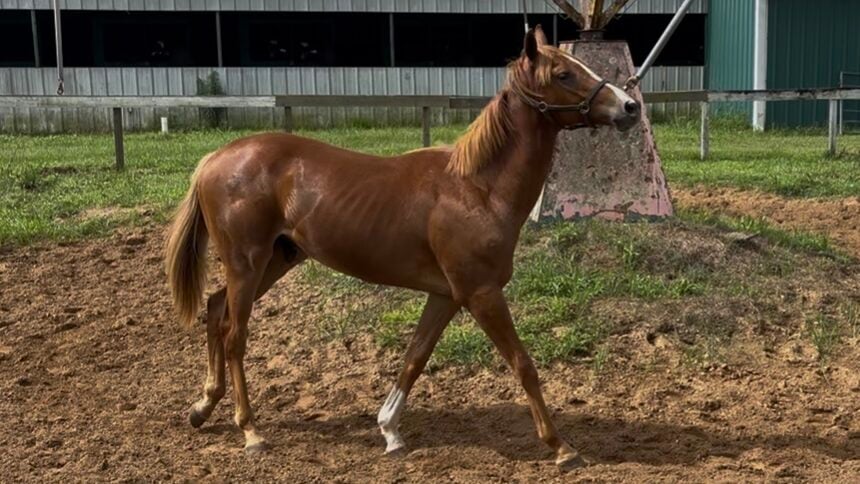
A pale, sandy-red shade that glows golden in sunlight. These horses often appear almost blonde from a distance, with manes and tails frequently lighter than their body coat. I raised a foal with this coloring that seemed to glow at dawn — one of the most striking young horses I’ve been around. It’s easy to confuse with diluted colors like buckskin at a glance.
Field note: That coppery sheen in early morning light is your first reliable clue.
Red Chestnut (Copper Chestnut)
The classic bright, coppery red that most people picture when they hear “chestnut horse.” This vibrant shade is reminiscent of polished copper pennies and creates a striking presence in any arena or pasture. It’s the most widely recognized chestnut shade in racing.
Burnt Chestnut
A rich, deep red-brown sitting between red and liver chestnut, often intensifying with age, as noted in Bailey & Brooks (2013), Horse Genetics. This shade adds depth to the chestnut spectrum and is particularly common in older performance horses.
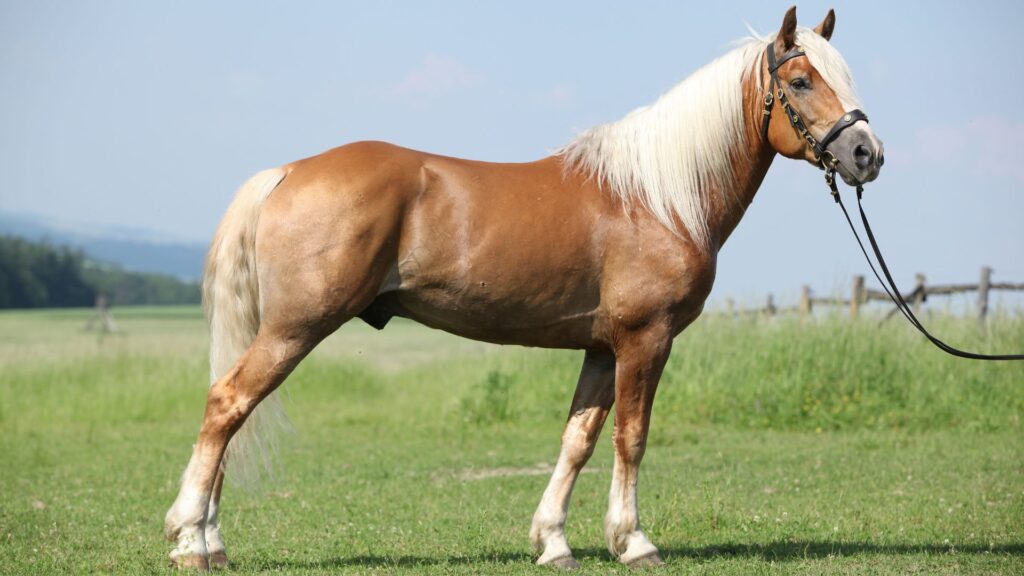
Flaxen Chestnut
Perhaps the most elegant variation — a reddish body with a cream, beige, or nearly white mane and tail. This combination is particularly stunning in breeds like Morgans and Haflingers, and it is the breed-standard color for Haflingers per the American Paint Horse Association.
Liver Chestnut (Dark Chestnut)
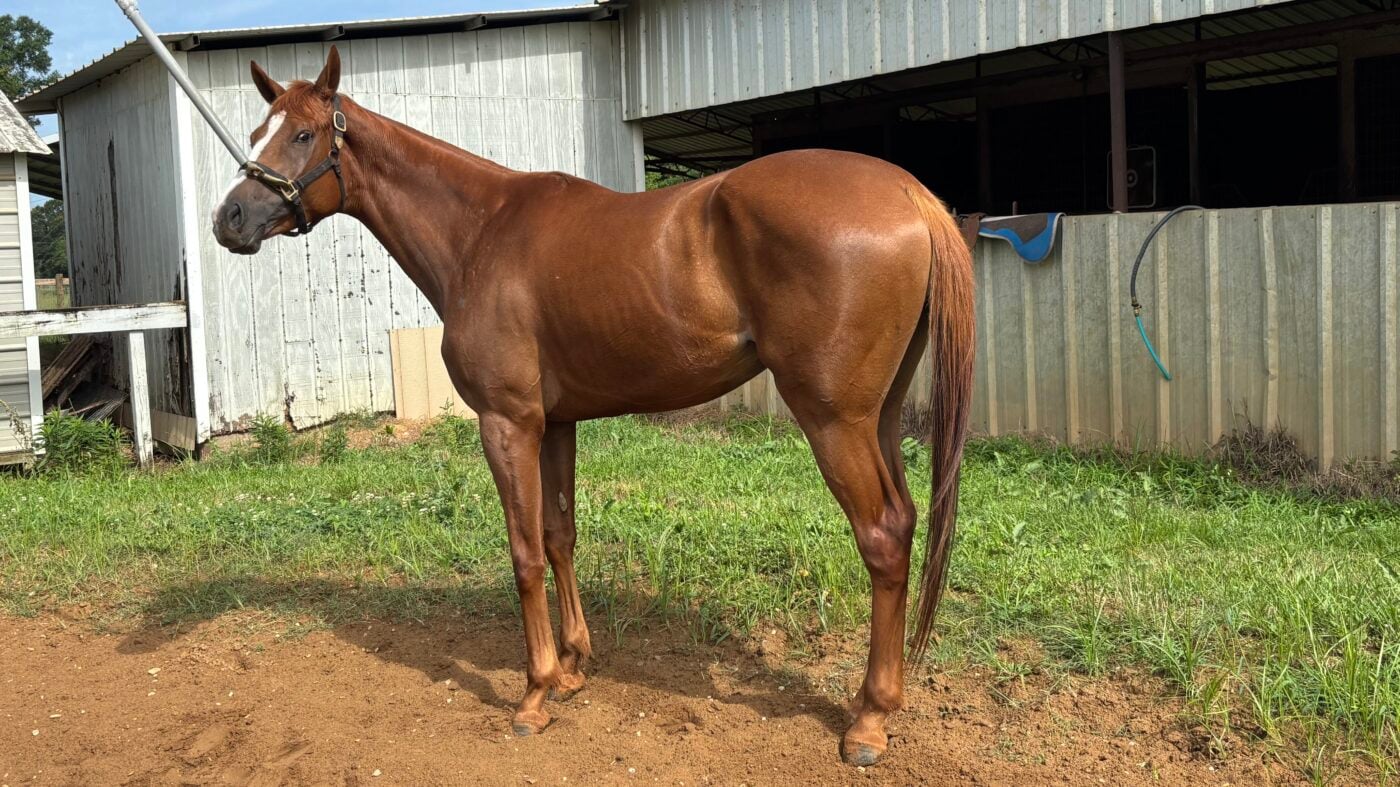
The deepest shade, appearing almost black-brown or mahogany. In poor lighting, liver chestnuts are regularly called black — until sunlight or the root check reveals the reddish base underneath. Parting the coat at the shoulder confirms it regardless of season. Struggling to distinguish liver chestnuts from bays? Our bay and chestnut differences guide covers the comparison in detail.
Miles’s Take — The Seasonal Chameleon: In 30 years at the track, liver chestnuts are the ultimate barn chameleons. I once worked with a stallion whose coat shifted from deep purple-toned mahogany in January to bright coppery burnt-orange after two weeks of summer turnout. That seasonal shift is a genuine field test: if a horse looks like a dark bay in December but shows no black points in June, you are almost certainly looking at a liver chestnut with a heavy sooty modifier. Part the coat at the shoulder — the reddish base is there in any season.
Chestnut shade quick summary:
- Light Chestnut — sandy gold, often appears blonde; common in young horses
- Red Chestnut — classic copper-penny red; most recognized in racing
- Burnt Chestnut — deep red-brown; intensifies with age
- Flaxen Chestnut — reddish body with cream or white mane and tail
- Liver Chestnut — deepest shade; often misidentified as bay or black
Quick Chestnut Horse Identification Guide
In the field, lighting and season can make any color identification harder than it looks in a textbook. These are the checks that reliable horsemen use regardless of conditions.
The no-black checklist — run through all four before deciding:
- Are there black hairs on the ear tips or ear edges? If yes → not chestnut
- Is there black shading or black hairs on the lower legs? If yes → not chestnut
- Does the muzzle have a black cast in natural light? If yes → not chestnut
- Does the mane or tail contain any black hairs? If yes → not chestnut
If you checked any box, the horse is not a true chestnut — it is most likely bay. If all four are clean, move to the root check: part the coat at the shoulder in direct sunlight. Red or copper roots confirm chestnut regardless of how dark the body coat appears.
| Feature | Chestnut | Bay | Sorrel | Black |
|---|---|---|---|---|
| Body Color | Reddish-brown (any shade) | Reddish-brown | Light reddish | Black/dark brown |
| Mane/Tail | Same as body or lighter | Black | Same as body or lighter | Black |
| Leg Points | None (same as body) | Black | None | Black |
| Key Identifier | No black anywhere on the horse | Black points present | Lighter shade than chestnut | Black points and body |
For more identification tips across all coat colors, see our complete guide to horse coat colors.
Chestnut Horse Color Genetics Explained
Chestnut horse color is a recessive trait controlled by the MC1R gene at the Extension locus. Horses with the e/e genotype cannot produce functional black-based eumelanin in the coat. Two chestnut parents carry only recessive e alleles, so a chestnut base coat is the only possible outcome for their foals.
The chestnut coat is governed by the MC1R gene (Extension locus), where two copies of the recessive “e” allele (e/e) prevent functional black-based pigment (eumelanin) from appearing in the coat. This is confirmed by the UC Davis Veterinary Genetics Laboratory and detailed in Rieder (2009). Two chestnut parents — both carrying only e alleles — will always produce a chestnut base coat foal.

The Science Behind the Color
The MC1R gene controls whether a horse can produce black pigment (eumelanin). The E allele (dominant) allows black pigment production; the e allele (recessive) blocks it. A horse needs two copies of the recessive e allele — one from each parent — to express chestnut.
Genetic combinations at the Extension locus:
- EE or Ee — black pigment production enabled; results in bay or black depending on Agouti
- ee (chestnut) — black pigment suppressed; coat color stays in the red/brown spectrum
- Chestnut × Chestnut — 100% chestnut base coat, every time
- Chestnut × Bay or Black — 0–50% chestnut foals depending on whether the non-chestnut parent carries a hidden e allele
Hidden chestnut carriers: A bay or black horse may carry one recessive “e” allele without expressing it. When two such horses are bred together, there is a 25% chance of producing a chestnut foal even though neither parent looks chestnut. Genetic testing through UC Davis identifies hidden carriers before breeding.
Chestnut as a Genetic Foundation
Chestnut serves as the genetic foundation for several other colors, per NCBI’s equine genetics research. Adding the cream dilution gene to a chestnut base produces palomino (one copy) or cremello (two copies). Adding the dun gene produces red dun. Understanding this matters when breeding for color outcomes.
Will My Foal Be Chestnut?
Chestnut Foal Probability Calculator
In my experience at Louisiana tracks, the hidden chestnut carrier situation catches people off guard most often when a bay mare produces a chestnut foal — the owner is convinced there has been a mistake. There has not. The bay was carrying a recessive e the whole time. Testing both parents before breeding eliminates that surprise entirely. Use UC Davis Genetic Testing to identify hidden carriers. Our science of horse color genetics guide covers the full breeding strategy.
Horse Breeds with Chestnut Colors
Chestnut coloring appears across nearly every major breed. Some require it; some merely favor it. For breed-by-breed color breakdowns, see our horse breeds by color guide.
Breeds Where Chestnut Is Common
| Breed | Chestnut Prevalence | Notable Characteristic |
|---|---|---|
| Quarter Horse | Very common | Frequent in working and racing lines; often called sorrel in Western contexts |
| Thoroughbred | Common | Many famous champions; Secretariat and Man o' War both chestnut |
| Arabian | Regular | Chestnut enhances the breed's refined, dished features |
| Morgan | Common | Flaxen chestnuts particularly prized in Morgan breeding |
| Belgian Draft | Frequent | Warm chestnut adds presence to the breed's powerful build |
Breeds Where Chestnut Is Mandatory
The Suffolk Punch is exclusively chestnut per breed standards — no other color is accepted by the registry. The Haflinger is always chestnut with a flaxen mane and tail — breed requirements allow no variation. In both breeds, a horse that does not express correct chestnut coloring is disqualified from registration.

Breeds Where Chestnut Is Not Accepted
The Friesian breed registry requires horses to be black, and chestnut coloring is not accepted for registration. However, the recessive chestnut allele (e) still exists in some bloodlines, meaning two black Friesians carrying the allele can occasionally produce a chestnut foal.
The Cleveland Bay is bred specifically for bay coloring, and chestnut does not conform to breed standards.
Care and Grooming Tips for Chestnut Horses
Chestnut horses require specific care to maintain coat vibrancy, particularly the red and copper shades that fade fastest under UV exposure. Through years of caring for these horses in Louisiana, I've developed a routine that keeps their coats looking their best through the summer racing season. For a complete protocol, see our horse coat health solutions guide.
Sun Protection and Coat Care
The three most important care interventions for chestnut coats:
- UV protection: Use protective fly sheets during peak summer months — bright red and copper chestnuts fade the fastest without coverage.
- Color-enhancing shampoos: Shampoos formulated for red and chestnut coats bring out the copper tones that routine washing dulls
- Nutrition: Copper and zinc support pigment production; omega-3 supplements improve coat quality and sheen. Full breakdown: horse coat nutrition tips
Regional Care Adaptations
In arid climates like Arizona, extra UV protection is essential — zinc-based muzzle sunscreen helps with pink skin around the face. In humid climates like Louisiana and Florida, the focus shifts to preventing fungal skin issues; thorough drying after baths and good air circulation in the stall matter more than sun protection. In northern climates, allow the natural winter coat to develop fully — it provides the insulation the horse needs and should not be clipped aggressively.
Famous Chestnut Horses Throughout History
Chestnut horses have dominated racing and captured attention throughout equine history. These champions hold a specific place in the sport's lore. For a broader overview, see our guide to the most famous racehorses.
Racing Legends
Secretariat (1970–1989) — The ultimate chestnut champion. Secretariat's liver chestnut coat gleamed as he shattered records in the 1973 Triple Crown. His 31-length Belmont Stakes victory remains unmatched. He is the most recognizable chestnut racehorse in history and holds the world record for all three Triple Crown races.
Man o' War (1917–1947) — This chestnut legend of the 1920s lost only once in 21 starts and sired numerous champions. His brilliant red coat made him an icon of American racing for a generation.
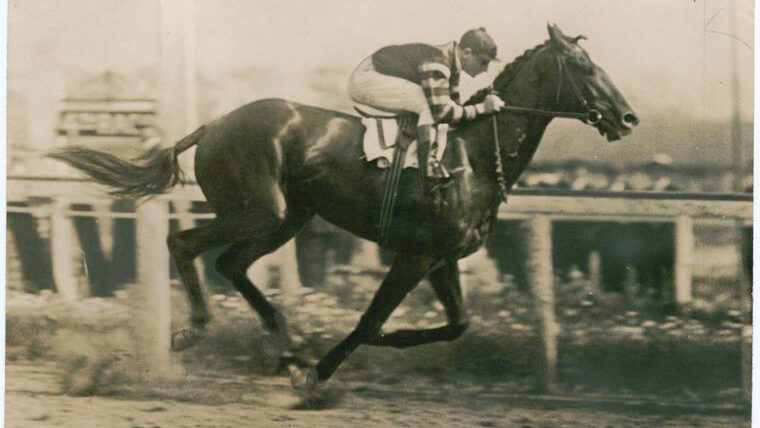
Kelso (1957–1983) — This chestnut gelding won Horse of the Year five consecutive times, dominating the 1960s with his relentless consistency. Five times Horse of the Year is a record that has never been matched.
International Champions
Phar Lap (Australia/New Zealand) won the Melbourne Cup and became a national hero whose heart, preserved after death, remains on display in a Canberra museum. Red Rum (Britain) is the only horse to win the Grand National three times, completing the feat in 1973, 1974, and 1977.
Costs and Pricing
The cost of a chestnut horse varies by breed, training, and bloodlines — not by color. However, certain variations like flaxen chestnuts in Haflingers or rare color expressions in performance breeds can command premiums. For a full breakdown of purchase and ownership costs, see our realistic horse cost guide.
| Category | Typical Price Range | Notes |
|---|---|---|
| Pleasure/Trail — Quarter Horse | $2,000–$8,000 | Wide range depending on training level and age |
| Pleasure/Trail — Arabian | $3,000–$12,000 | Bloodline matters significantly at upper end |
| Western Performance | $10,000–$50,000+ | Cutting, reining, barrel racing horses priced by competition record |
| English Disciplines | $15,000–$75,000+ | Hunter/jumper and dressage horses priced by show record and training |
| Racing Prospects | $5,000–$500,000+ | Thoroughbred auction yearlings; bloodlines drive the upper range |
| Suffolk Punch | $8,000–$35,000 | Premium due to rarity — breed is critically endangered |
| Haflinger | $4,000–$20,000 | Always chestnut with flaxen; family-friendly breed commands steady prices |
Annual care costs typically run $3,000–$10,000 depending on board, training, and veterinary needs, per our guide to the cost of raising a horse from foal to full grown.
Expert Tips: Best Colors for Chestnut Horses
After 30 years working with chestnut Thoroughbreds, I've developed strong opinions on what enhances their coat in the show ring and the barn. This is the kind of practical knowledge that does not make it into genetics textbooks.
Miles's Take — Tack and Equipment Color: Hunter green is consistently the most flattering color against a liver chestnut's coat in the show ring — the contrast makes the reddish-purple undertones pop in a way that navy or black does not. For blood bays and red chestnuts, dark navy or burgundy equipment works well. Avoid orange or tan leather on any shade of chestnut — it blends into the coat and makes the horse look indistinct from 50 feet away. At Fair Grounds, where you have maybe 90 seconds in the paddock to make an impression, that contrast matters.
| Chestnut Shade | Best Tack/Equipment Colors | Avoid |
|---|---|---|
| Liver Chestnut | Hunter green, forest green, dark burgundy | Brown leather, orange, tan — blends into coat |
| Red / Copper Chestnut | Dark navy, deep burgundy, black | Bright red, orange — creates visual clash |
| Light / Sandy Chestnut | Rich brown leather, deep green, navy | Pale cream, light tan — washes out the coat |
| Flaxen Chestnut | Dark brown or black leather — contrasts with the light mane | Light or flaxen tones — mane and equipment blend together |
For sun-fading prevention specifically, a UV-rated fly sheet in white or light silver reflects heat and protects the coat better than dark-colored sheets during peak summer months at Gulf South tracks. A chestnut that races at Fair Grounds in July without UV protection will arrive at Evangeline Downs in August noticeably faded. The difference in coat quality is visible from the rail.
Frequently Asked Questions About Chestnut Horses
What is the difference between chestnut and sorrel horses?
Chestnut and sorrel horses share the same genetic makeup (ee genotype) but differ mainly in terminology. "Sorrel" is typically used in Western contexts for lighter reddish horses, while "chestnut" encompasses the full range from light to dark. Both lack black points and have manes and tails the same color or lighter than their body coat. Learn more: chestnut vs sorrel horses color guide.
Can chestnut horses have black points?
No. True chestnut horses cannot have black points. The presence of any black hair on the legs, muzzle, or ear tips indicates the horse is not chestnut but likely bay. This is the single most reliable identification rule for chestnuts. See our bay and chestnut differences guide for detailed comparison.
Do two chestnut parents always produce chestnut foals?
Yes. Two chestnut parents (both e/e) will always produce a chestnut base coat foal because neither parent carries the dominant E allele needed for black pigment. This is one of the most predictable outcomes in equine color genetics. For the full explanation, see the genetics section above.
Are chestnut horses more spirited or hot-tempered?
While anecdotal experience in racing barns suggests chestnut horses may be more reactive, a 2015 Applied Animal Behaviour Science study found mixed results. Temperament is influenced more by individual personality, breeding, and training than coat color. The "chestnut mare" stereotype persists in racing culture but is not supported by controlled research.
What breeds have flaxen chestnut horses?
Flaxen chestnut horses are most commonly found in Haflingers (breed standard — always required), certain Morgan lines, Suffolk Punch drafts, and some Quarter Horse bloodlines. The flaxen gene is separate from the chestnut base color and operates independently. See the Haflinger Registry breed standard for details.
Can chestnut horses go gray?
Yes. If a chestnut carries the gray gene, it will progressively turn gray starting around age 4–6, eventually becoming white or fleabitten gray. The gray gene is dominant and overrides all other coat color expression. Learn more: do horses change color as they age?
How can I tell if my dark chestnut is actually bay?
Examine the horse in natural sunlight for black hairs on the muzzle, lower legs, or ear tips. Even the darkest liver chestnut has no true black points — all leg and mane hair will show brown or red tones, not jet black. Part the hair at the shoulder and look at the roots. Genetic testing through UC Davis will definitively confirm chestnut (ee) versus bay (E_ with Agouti gene).


Key Takeaways: Chestnut Horse Color
- No black points — anywhere on the horse — check mane, tail, lower legs, and muzzle in natural light; any black hair means it is not a true chestnut.
- Chestnut is genetically recessive — a horse needs two copies of the recessive "e" allele (e/e) to express chestnut; one dominant E allele is enough to suppress it.
- Two chestnuts always produce chestnut foals — it is the most predictable color outcome in equine breeding; no other pairing is as certain.
- Liver chestnuts are regularly misidentified as bay or black — always check in natural light and part the coat at the shoulder; red roots confirm chestnut regardless of how dark the coat appears.
- Chestnut is the genetic foundation for palomino, cremello, and red dun — adding dilution or dun genes to a chestnut base produces these related colors; understanding this matters for breeding decisions.
- Two breeds require chestnut — Suffolk Punch and Haflinger registries mandate chestnut coloring; no other colors are accepted for registration in either breed.
- Sun fading is the most common care issue — copper and zinc in the diet, UV fly sheets in summer, and color-enhancing shampoos maintain the vibrant coat that chestnut bloodlines are known for.
About Miles Henry
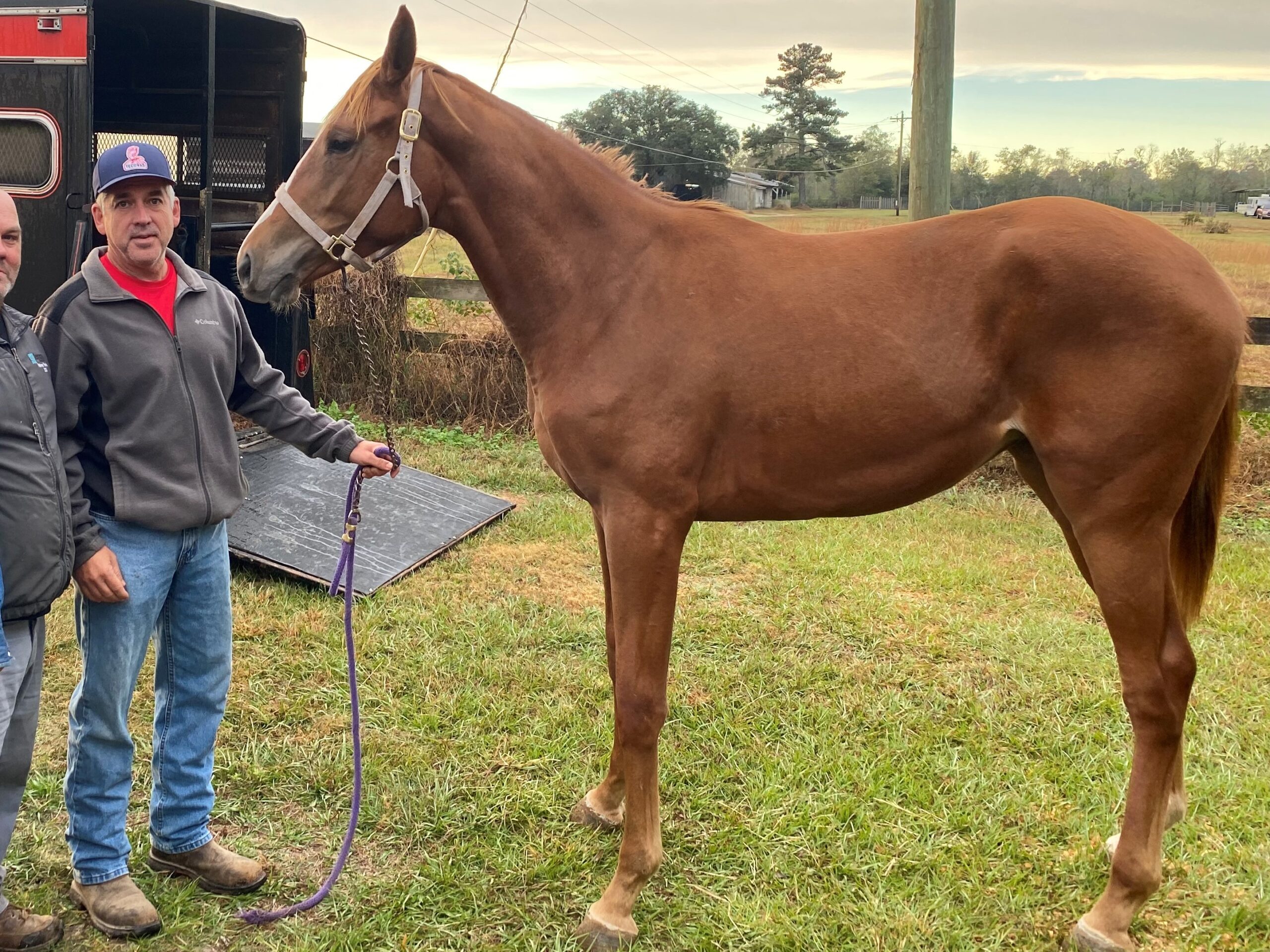
Racehorse Owner & Author | 30+ Years in Thoroughbred Racing
Miles Henry (legal name: William Bradley) is a professional horseman based in Folsom, Louisiana. He holds Louisiana Racing License #67012 and has spent over three decades managing Thoroughbreds at premier tracks including Fair Grounds, Delta Downs, and Evangeline Downs.
Expertise & Hands-On Experience: Beyond the track, Miles has decades of experience in specialized equine care, covering everything from hoof health and nutrition to training protocols for Quarter Horses, Friesians, and Paints. Every guide on Horse Racing Sense is rooted in this “boots-on-the-ground” perspective.
30 of their last 90 starts
Equibase Profile.

Connect with Miles: