

Last updated: October 12, 2026
Any links on this page that lead to products on Amazon are affiliate links and I earn a commission if you make a purchase. Thanks in advance – I really appreciate it!
Finding cowboy boots for flat feet takes more than a quick try-on in the store. A pair that feels fine at first can leave your arches or insteps aching a few hours later. The trick is finding a comfortable fit with room for any support you need.
Here’s what I’d check before buying, why these four boots made the list, and what changes if you also have bunions.
Table of Contents
Are Cowboy Boots Good for Flat Feet?

Flat feet are common, and plenty of people with them never have any pain. As the Cleveland Clinic puts it, if you don’t have symptoms, there’s no need to fix them. When flat feet do ache, orthotic inserts and supportive footwear are among the first things doctors suggest.
That’s where some cowboy boots fall short. A traditional leather-soled boot may have little built-in arch support, but that doesn’t mean cowboy boots are bad for your feet. The question is whether a particular boot fits your foot and makes room for any support you use.
What to Look for in Cowboy Boots for Flat Feet
- A removable footbed if you use an orthotic: It lets you swap the original insole for an arch support or a custom orthotic from your podiatrist. Check the fit with your orthotic in place before buying.
- Support that feels right under your arch: If arch support helps your feet, pay attention to how the footbed feels when you stand and walk. Don’t choose a boot just because the description promises cushioning.
- Enough room through the forefoot: Your toes shouldn’t feel squeezed. Start with broader square and round toes, but judge the fit on your foot rather than the toe shape alone.
- A lower heel for walking: If you’ll be on your feet most of the day, compare lower roper and stockman heels rather than a tall riding heel.
- Room over the instep: An orthotic raises your foot inside the boot, so the boot needs a little extra room over the top of your foot. Try boots on with the insert you plan to wear.
If your feet are also wide, width matters as much as support, and the best cowboy boots for wide feet come in extended widths and broader lasts.
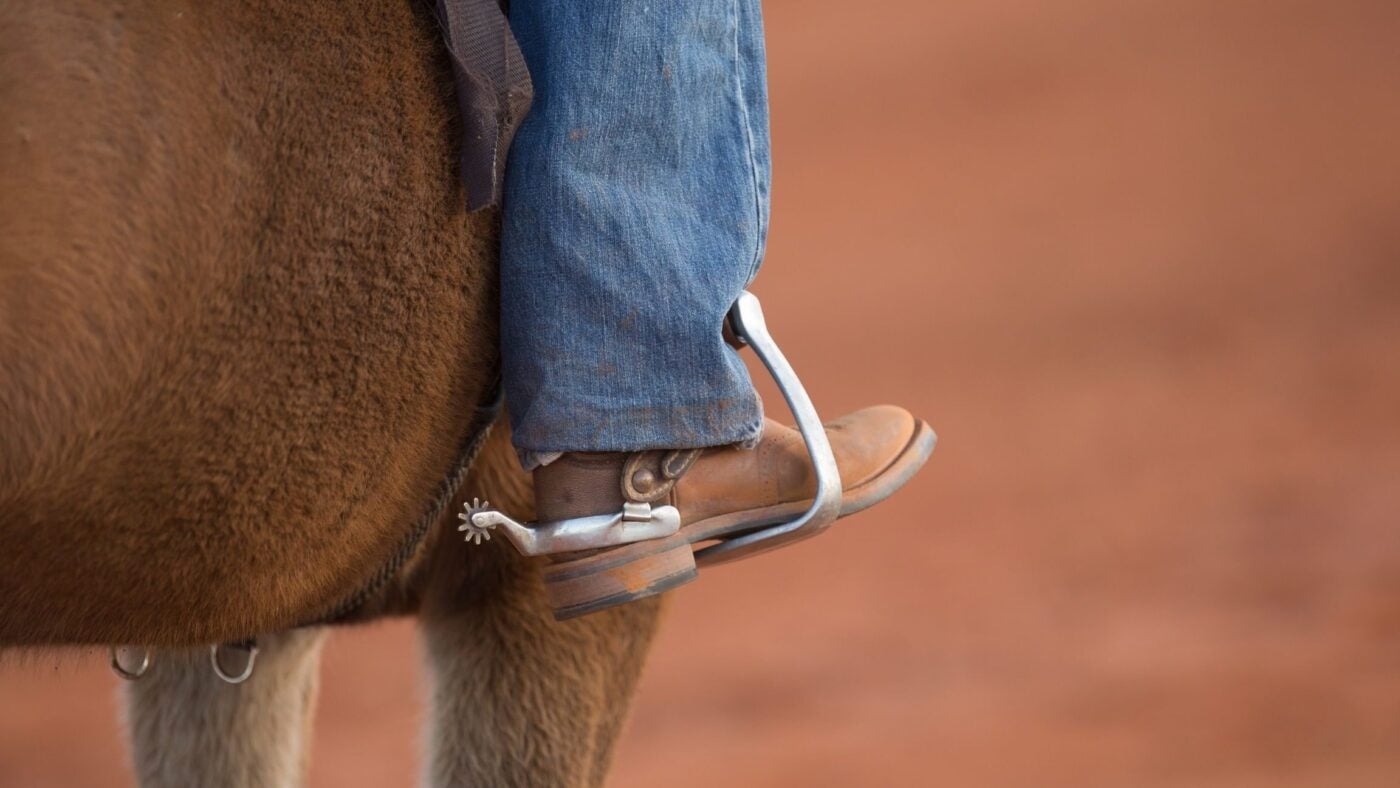
Cowboy Boots Worth Trying If You Have Flat Feet
I own and wear the Chisos and Tecovas boots below. The Ariat and Durango options are here for their listed features, not because I’ve tested them myself. None is a guaranteed fit for flat feet, so check the seller’s return policy before you order.
| Boot | Why it made the list | What to check |
|---|---|---|
| Chisos No. 2 | My favorite pair; removable, cushioned insole | Whether the insole’s shape suits your arch |
| Tecovas The Doc | Broad square toe; I wear it without instep pain | Whether your orthotic fits over the fixed insole |
| Ariat Heritage Roper | Low roper boot sold in EE width with ATS support | Footbed support and room for an orthotic |
| Durango Lady Rebel | Women’s boot with a removable contoured footbed | Width and room through the instep |
Chisos No. 2
The Chisos No. 2 is my favorite pair. Chisos builds its boots with removable, leather-topped, triple-density comfort insoles meant to cushion the whole foot and support the arch, and because the insole comes out, you can swap in an orthotic if you need one. I’ve worn mine enough to write a full Chisos No. 2 review, and they’re still the pair I’d pick first.

Tecovas The Doc
The Doc is the other pair I wear most without instep pain. It has a broad square toe, and I wore mine for eight months before writing my Tecovas The Doc review. The catch for flat feet is the insole. The limitation is its fixed insole—it isn’t designed to come out. If you use an orthotic, try the boots with your insert before committing, because the added insert may make them too tight over your instep.
Ariat Heritage Roper

The Ariat Heritage Roper is a low-profile roper with a round toe and a rubber outsole. The linked style is sold in EE width and uses Ariat’s ATS support system, which the company says adds stability for all-day wear. The extra width makes it worth trying if your feet need more room, but width isn’t the same as arch support, so check how the footbed feels and bring your orthotic along if you wear one.
Durango Lady Rebel (Women’s)

For women, the Durango Lady Rebel square toe boot has a removable cushioned footbed, an EVA midsole, and a low 1 1/4-inch heel. The removable footbed gives you the option to try your own insert, but you still need to check the fit through the instep.
Cowboy Boots for Bunions
If you also have bunions, pay close attention to how the boot fits around the joint at the base of your big toe. The American Academy of Orthopaedic Surgeons recommends shoes with wide insteps, broad toe boxes, soft soles, and plenty of stability, and warns against pointed shoes and heels higher than a couple of inches.
- Choose room over toe shape. Look for a broad toe box that doesn’t press on the bunion. A square toe alone doesn’t tell you how the boot will fit.
- Look for soft leather. Stiff leather can rub against a bunion. Softer leather may be more forgiving, but the boot still needs enough room around the joint.
- Keep the heel low. A lower heel puts less pressure on the front of your foot than a tall riding heel.
- Don’t count on boots stretching. AAOS advises against buying shoes that feel tight in hopes they’ll stretch. If a boot pinches the bunion in the store, it’ll likely pinch at home too.
At home, try them on indoors on carpet, with your usual socks and any insert you use, and follow the seller’s return conditions. When you try boots on, pay attention to the widest part of your foot, not just your toes. The boot shouldn’t press on the bunion when you’re standing or walking, so walk around in both boots before you decide.
This isn’t medical advice. If foot pain keeps coming back or limits your walking, see a podiatrist rather than buying boot after boot hoping the next pair fixes it. Once you know what your feet need, picking from the most comfortable cowboy boots gets a lot easier.
About Miles Henry
Racehorse Owner & Author | 30+ Years in Thoroughbred Racing
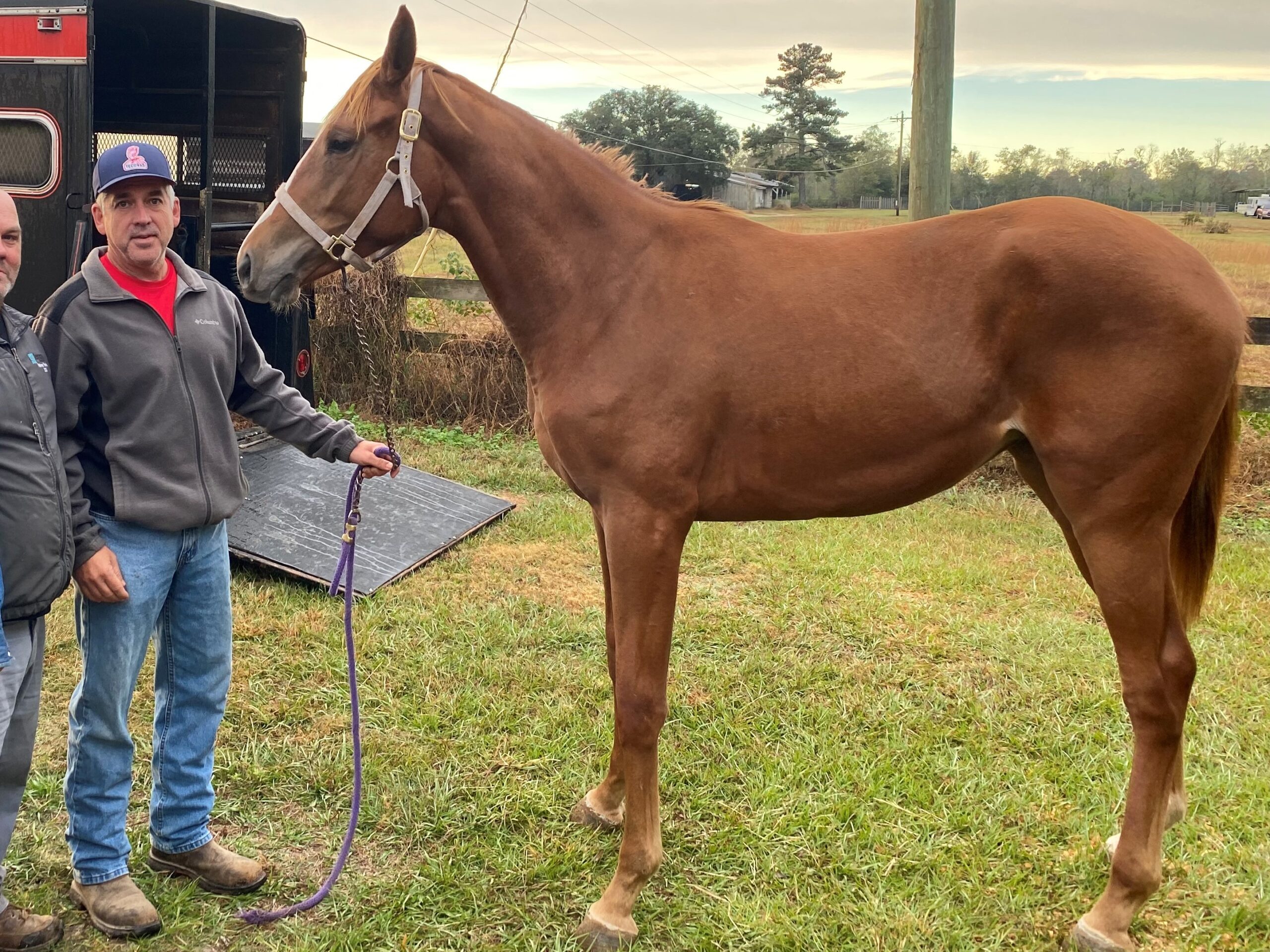
Miles Henry (legal name: William Bradley) is a professional horseman based in Folsom, Louisiana. He holds Louisiana Racing License #67012 and has spent over three decades managing Thoroughbreds at premier tracks including Fair Grounds, Delta Downs, and Evangeline Downs.
Expertise & Hands-On Experience: Beyond the track, Miles has decades of experience in specialized equine care, covering everything from hoof health and nutrition to training protocols for Quarter Horses, Friesians, and Paints. Every guide on Horse Racing Sense is rooted in this “boots-on-the-ground” perspective.
30 of their last 90 starts
Equibase Profile.

Connect with Miles: