

Published on: November 15, 2026
Any links on this page that lead to products on Amazon are affiliate links and I earn a commission if you make a purchase. Thanks in advance – I really appreciate it!
A good cowboy hat can last for years, or it can lose its shape after a few hot afternoons on a truck dashboard. Most of the difference comes down to a few habits: how you pick it up, where you set it down, and what you do when it gets dirty or wet.
Here’s how to handle, clean, dry, store, and reshape a felt or straw cowboy hat, and when it’s time to let a hatter take over.
Table of Contents
How to Handle and Set Down a Cowboy Hat
Pick up your hat by the brim, front and back, and touch the crown as little as possible. Both Stetson and Resistol give that advice, since the less you handle the crown, the better the hat keeps its shape.
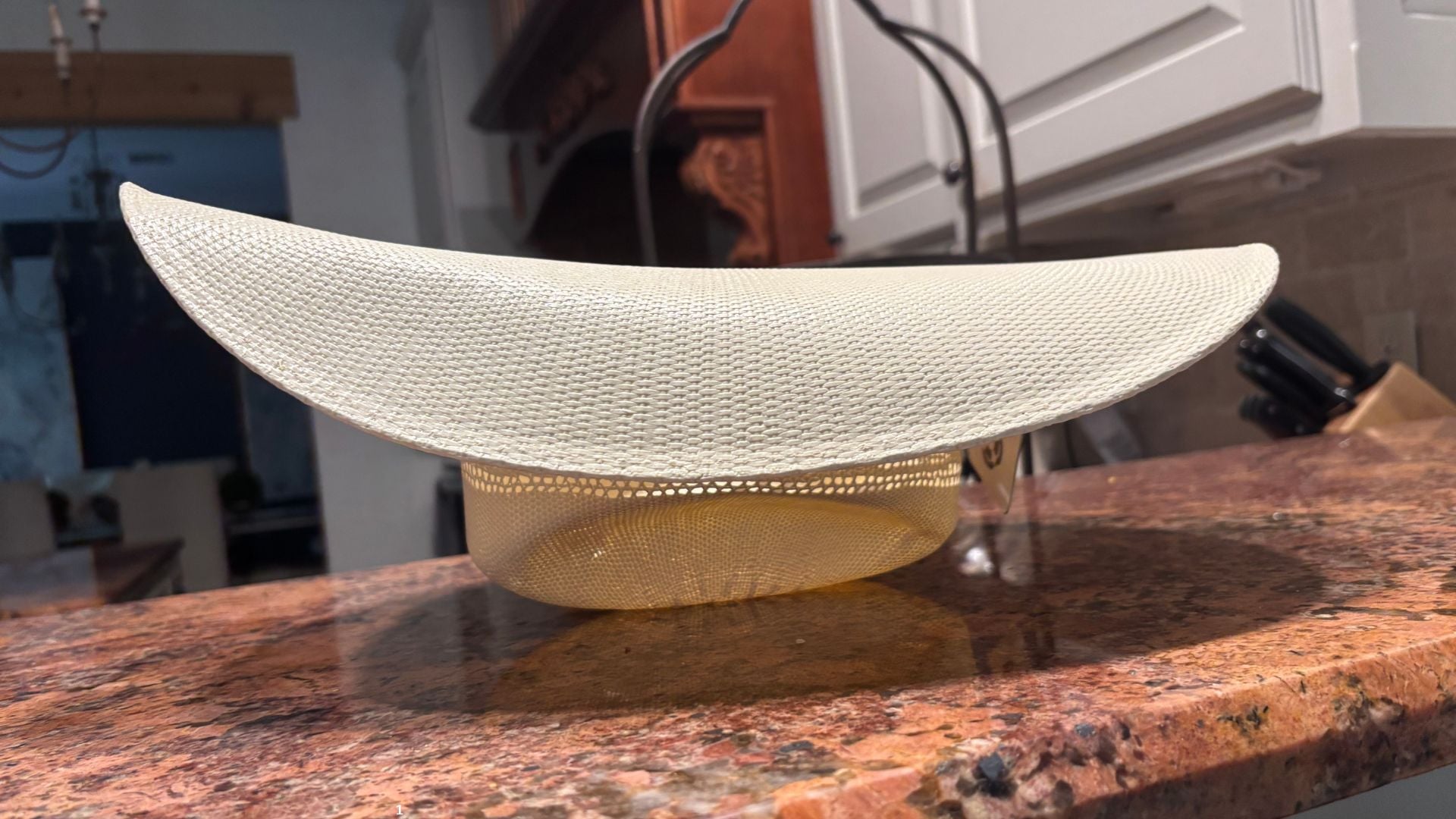
To set it down, turn it upside down and let it rest on the crown, so the brim isn’t carrying the hat’s weight, and don’t put anything on top of it. Don’t toss it on a chair or couch either, where someone can sit on it, as American Hat Makers points out.
How to Clean a Felt Cowboy Hat
Check the label before you start. Wool felt, fur felt, and different straw constructions don’t necessarily take the same cleaning or shaping, so follow the instructions for your hat before using water, cleaner, or steam.

With felt, start dry. A soft brush is the first step for dust and loose dirt, so don’t jump straight to stain cleaners or water.
- Brush it. Use a soft hat brush, starting on the left side and brushing counterclockwise around the hat, as Resistol recommends. American Hat Makers suggests a light brushing at the end of each day you wear it.
- Remove lint carefully. Pick off larger pieces by hand, or use a lint roller lightly after testing it on an inconspicuous spot.
- Spot-treat light-colored fur felt only as directed. For water or grease spots on light-colored fur felt, Stetson and Resistol suggest a little cornstarch instead of a liquid cleaner. Test a hidden area first, use only a small amount, and brush it away completely before you store the hat.
- Damp-clean only if your hat allows it. If the care instructions permit it, American Hat Makers says a soft, barely damp cloth can lift heavier dirt. Try it on an inconspicuous area first, don’t scrub or saturate the felt, and let the hat dry fully.

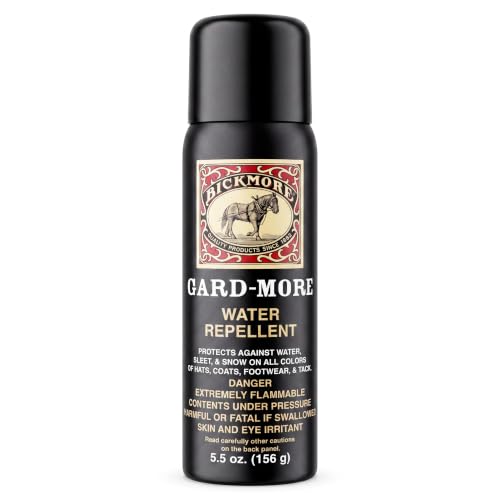
Once a felt is clean and dry, a water and stain repellent such as Bickmore Gard-More can add a protective layer. Bickmore’s directions are to brush the hat counterclockwise, spray from 6 to 9 inches away, re-brush, and let it dry for at least an hour. Check colorfastness on a hidden spot first.
For anything worse, such as heavy staining or a hat soaked through with sweat and dirt, take a good felt to a hatter rather than soaking it yourself.
How to Clean a Straw Cowboy Hat
Start with a clean, dry cloth to wipe off dust. If that doesn’t do the job and the maker permits it, follow with a slightly damp cloth, as Resistol suggests, keeping the straw from getting saturated. For stains, American Hat Makers recommends blotting with a little dish soap and water on a clean white cloth, and Stetson suggests a mild soap solution with a very soft brush.
- Test first. Try any cleaner on a small spot inside the crown before using it on the rest of the hat. American Hat Makers warns that not every cleaning method is safe for every hat.
- Don’t soak it. Straw that gets too wet can warp.
- Protect the straw when cleaning the sweatband. Follow the maker’s instructions for the sweatband material. If you’re using a damp cloth, slip a paper towel between the band and the straw to catch moisture.
- Dry it in the shade. Direct sunlight can make straw brittle, according to American Hat Makers, and Stetson says to let it dry at room temperature.

Sweat, Rain, and Heat
Sweat and the Sweatband
If the sweatband is designed to turn down, open it occasionally to let it dry. That keeps sweat and hair products from soaking into the hat, which can stain it and break down the material, according to Resistol. Sweat combined with heat can also shrink the sweatband and change how the hat fits. If makeup gets on the sweatband, clean it off quickly, because it only gets harder to remove.

When Your Hat Gets Wet
For a fur felt hat with a turn-down leather sweatband, Resistol recommends shaking off the excess water, turning the band down, and standing the hat on it to dry naturally. Keep the brim off the surface it’s sitting on, and keep the hat away from heat and direct sunlight while it dries. Heat can restart the felting process and shrink the hat, according to Stetson.
For a wet straw, gently blot away excess water with a clean cloth. Let the hat dry at room temperature, supported so the brim keeps its shape, and follow the maker’s instructions.
Heat
Keep hats away from stoves, radiators, lamps, and sunny car windows, and don’t leave one in a closed car in summer. A hot dashboard is hard on any hat.
How to Store a Cowboy Hat
- On a hat rack or upside down on the crown, on a clean shelf or in a hat box, so the brim doesn’t flatten.
- Somewhere cool and dry. Keep it away from showers and other humid spots, and anywhere water could drip on it.
- Only once it’s dry. Let a damp hat dry completely before you box it.
This is the hat rack we use at home:

A hat box is worth having for a good felt you don’t wear every day, or for hauling a hat to a wedding or a show without crushing it.
How to Reshape a Felt Hat
If a felt hat has a small dent or a slightly misshapen brim, gentle steam may help. But don’t assume every felt hat can be reshaped the same way. Check that your hat can be steamed before trying it, and if the maker doesn’t say, ask a hatter, especially for an expensive hat or a major change to the crown.
Steam can cause serious burns, so keep your hands out of the steam and follow your steamer’s safety instructions. If the maker permits steaming, work on a small area, soften the felt, shape it gently by hand, and let it cool and dry in its new shape, as The Boot Jack describes. Go slowly, and test on an inconspicuous spot first.
Reshaping and resizing aren’t the same job. Stetson says its fur felt hats can be taken down one full size, but stretching one larger may not last. Ask a hatter what’s realistic for your hat rather than trying to shrink or stretch it yourself. If you’re after a broken-in look rather than a repair, the steps are in how to weather a felt hat.
When to Take Your Hat to a Hatter
You don’t have to wait until a hat is ruined to get professional help. Take it to a hatter or a western store with a shaping counter when:
- The crown or brim is badly misshapen, or you’re not sure how to reshape it safely. A hatter can reblock it on a wooden block to restore its shape.
- The sweatband or liner is worn out. Both can be replaced.
- The felt is badly stained or dirty, especially a good fur felt you don’t want to risk soaking. A hatter can clean and refinish it.
- The fit is off. A hatter can often adjust the fit.
I’ve had a hat reshaped at a small, locally owned western store in the Fort Worth Stockyards.
Many western stores offer in-store shaping, The Boot Jack among them, and some hat makers offer repairs themselves. American Hat Company, for example, offers a refurbish service on select 40X and higher felt hats that includes a new silk liner, a new sweatband, and refinishing the felt, with reblocking available separately. Lock and Co. Hatters’ repair list shows the same kinds of jobs: full reblocking, brim reblocking, and leather sweatband replacement.
Whether a repair is worth it depends on the hat’s condition, its replacement cost, and how much it means to you, so ask for an estimate before deciding. Compare that with what a new cowboy hat costs.
About Miles Henry
Racehorse Owner & Author | 30+ Years in Thoroughbred Racing
Miles Henry (legal name: William Bradley) is a professional horseman based in Folsom, Louisiana. He holds Louisiana Racing License #67012 and has spent over three decades managing Thoroughbreds at premier tracks including Fair Grounds, Delta Downs, and Evangeline Downs.
Expertise & Hands-On Experience: Beyond the track, Miles has decades of experience in specialized equine care, covering everything from hoof health and nutrition to training protocols for Quarter Horses, Friesians, and Paints. Every guide on Horse Racing Sense is rooted in this “boots-on-the-ground” perspective.
30 of their last 90 starts
Equibase Profile.

Connect with Miles: