
Last updated: October 5, 2026
If you’re thinking about buying a horse at auction, you’ve probably heard both sides. Some people swear they found a great horse at a fraction of what a private seller would ask. Others have ended up bringing home a horse with problems they didn’t have the time or the experience to spot.
Here’s how I’d decide whether an auction fits you, then prepare, ask better questions, inspect a prospect, bid without getting carried away, and get the horse home safely.
Table of Contents
Should You Buy a Horse at Auction?
An auction makes the most sense when you know the kind of horse you need, can evaluate its basic movement and handling, or have somebody knowledgeable with you who can. It’s less forgiving than buying from a private seller, because you may have only minutes to decide, the horse may come with little history, and you usually can’t take it back.
If you’re buying your first horse, or you’re not comfortable judging movement, feet, manners, and condition, I’d rather see you buy through a reputable trainer, a rescue, or a private seller who’ll allow a trial period. An auction is still worth attending to learn how it works and watch what horses bring. You don’t have to bid the first time you go.
Types of Horse Auctions
The kind of sale gives you a good idea of the horses you’ll find there, and just as important, how much you’ll be able to learn about them before you bid.
| Type | What to expect |
|---|---|
| Local sale barn or mixed livestock auction | Horses of many ages, breeds, and backgrounds, often with limited history or paperwork. Prices can be low, but dependable information is often thin. |
| Breed and performance sales | Sales built around one breed or discipline, like ranch, rope, or barrel horses. Many include a ridden preview, but read the sale terms and the seller’s representations carefully. |
| Consignment and catalog sales | Horses are listed ahead of time with age, breeding, and a description, so you can research before sale day. |
| Online auctions | Bidding happens on a website with photos, video, and seller descriptions. Convenient, but you can’t put your hands on the horse. |
Racehorse sales are their own world, with catalogs built around pedigree and veterinary repositories. If that’s what you’re shopping for, my guide to buying Thoroughbred yearlings on a budget covers it. This article is about buying a horse to ride, show, or work.
Before the Auction
Decide what you need the horse to do, the age and training level that honestly fit your riding, and the traits you can and can’t live with. Soundness, training, temperament, and suitability for the job matter more than color or sex. If this is your first horse, my guide to buying your first horse walks through how to match a horse to a rider.
Then call the auction. Ask how to register to bid, what identification and payment they take, whether horses come with any guarantee, whether an independent veterinarian can examine horses before the sale, and what fees apply. Some auctions are strict about it. At one sale, they called my bank to check how long my account had been open and its balance before they’d approve my registration. You don’t want to find that out on sale day.
If you’re not experienced, bring someone who is. UConn Extension puts it plainly: don’t buy at auction unless you’ve got help from a vet or experienced horse people, and check the auction’s reputation and terms first. Finally, set a maximum all-in budget before you leave home. Include the hammer price, any buyer’s premium, sales tax if it applies, hauling, a vet exam, and the first few weeks of care, because what it really costs to own a horse starts the day you bring it home. A cheap bid can stop being a bargain in a hurry.
Questions to Ask Before You Bid on a Horse
Don’t settle for “he’s gentle” or “she’s a good horse.” Ask direct questions and write the answers next to the horse’s hip number.
- Why is the horse being sold, and how long has the seller owned it?
- What has it been doing lately, and when was it last ridden, and by whom?
- Does it buck, rear, bolt, kick, bite, crib, or weave?
- Has it ever been lame, colicked, foundered, or had surgery?
- Has it been given any medication, including bute or a sedative, in the last few days?
- Can I see it caught, led, tied, saddled, and ridden?
- Can I see the Coggins, registration papers, and vaccination records?
Getting an answer isn’t the same as verifying it. If the answer is “I don’t know,” that may be honest. But if the story keeps changing, doesn’t match what you can see, or the seller won’t let you see the horse handled and moved, I’d treat that as a reason to move on.
How I Inspect a Horse at the Sale
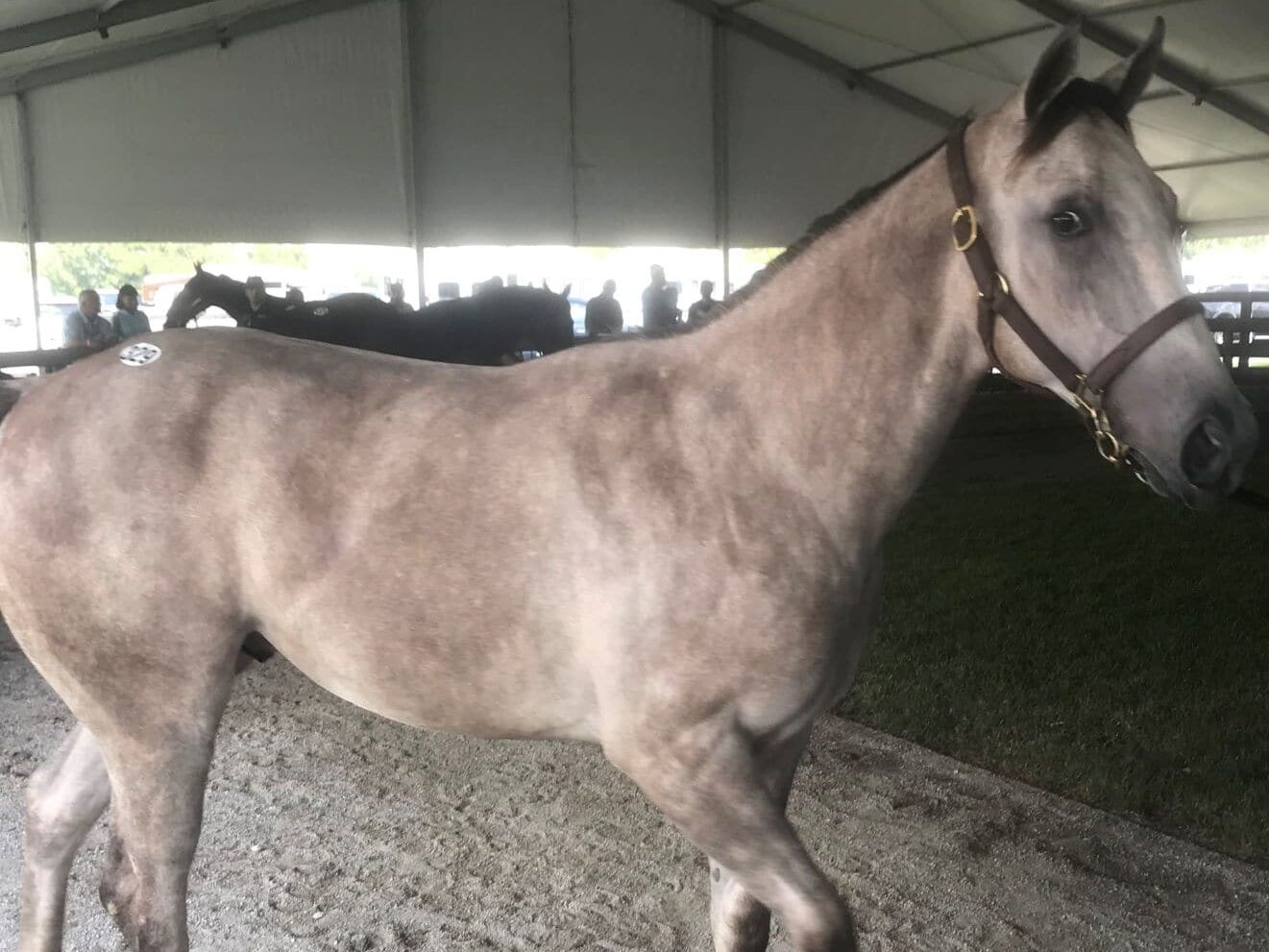
Get there early. Horses usually arrive a day or two before the sale, and that’s your chance to see them in their stalls before the crowd shows up. If there’s a catalog, mark the horses you’re interested in and spend your time on those.
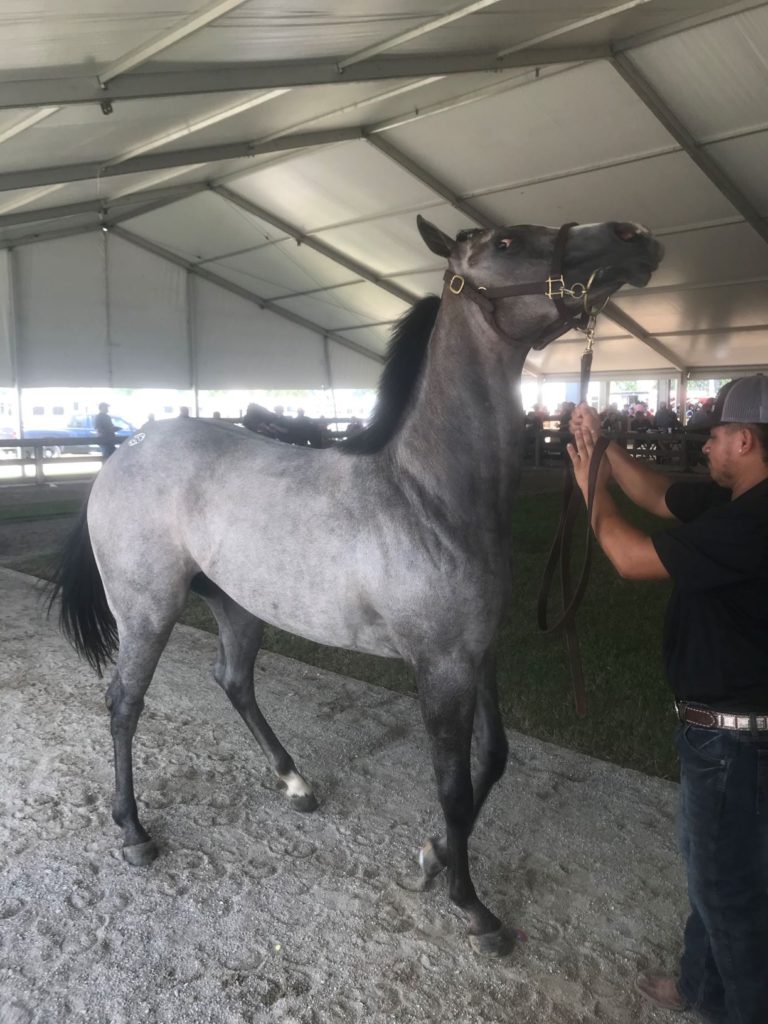
Watch the horse walk and trot on level ground, ideally before it goes through the ring. Look for an even, willing way of going, and watch for obvious stiffness, swelling, neglected feet, or anything else that makes you uncomfortable. If it’s sold as a riding horse, watch someone catch it, tack it up, mount it, and ride it in the preview. Pay attention to how it acts before and after the ride, not just during a polished few minutes in the arena.
Look at whether the horse’s build and condition suit the job you have in mind, since judging a horse’s conformation for its job tells you a lot about whether it’ll hold up. Check the teeth if the seller allows it, and look around the stall for signs of cribbing or weaving. Then compare the horse’s markings, sex, and age with its papers, and ask to see a current Coggins before you bid. Your own inspection helps you decide which horses deserve a closer look. It doesn’t replace a vet exam when you can get one.
Be cautious if a horse seems unusually dull or quiet for a busy sale, especially if that doesn’t fit how it’s being described. A droopy lip, slow reactions, or an odd response when you handle it can be reasons to ask whether the horse has been given anything that could affect its behavior. They aren’t proof of sedation by themselves, but they’re reason enough to slow down, get a second opinion, and pass if you’re not satisfied.
When I’d Walk Away
How Bidding Works at a Horse Auction
Read the terms before you bid, not after the hammer falls. Then decide what the horse is worth to you before it ever enters the ring, not while you’re bidding. Find a spot where the auctioneer or one of the ring workers can see you, since they’re watching the crowd for bids, and keep your number in your head. It’s easy to get caught up in the bidding and go past it.
If you win, a worker will come take your name and buyer number. In many sales, the horse becomes your responsibility as soon as the auctioneer says sold, but the payment deadline, release rules, and buyer fees vary from sale to sale. Sellers usually pay a commission, and some sales add a buyer’s premium on top of the bid. Before you leave, get the bill of sale, the Coggins, and any registration transfer papers.
How Much Do Horses Sell for at Auction?
There’s no single average, because prices depend on the type of sale, the horse’s age, training, soundness, and breeding, and what buyers in your area want. At a local sale barn, you may see horses sell for a few hundred dollars, while established riding-horse and performance sales can bring several thousand dollars or much more for the better horses. Those numbers vary enormously by region, sale, horse, and market, so don’t use an auction average to decide what a particular horse is worth. Here’s a broader look at what horses cost by breed and type.
Good buys do turn up. My son-in-law bought an unregistered gelding we figured was about ten years old, with good conformation, for $200 at our local livestock auction. He’s been a reliable trail horse and gets used to work cattle. But a low price isn’t automatically a bargain. A cheap horse that needs months of work and vet bills can end up costing more than a finished, dependable horse that sold for several times as much.
Buying a Horse at an Online Auction
Online auctions let you shop a much wider area, but they take away the hands-on inspection that catches a lot of problems. I’ve never bought a horse online, so I won’t pretend to have a system for it. If I did, I’d study every recent photo and video, ask for video of the horse being caught, led, having its feet picked up, tacked up, and ridden, and ask for its records and the name of its vet. For a horse I was seriously considering, I’d hire an independent local vet for a pre-purchase exam before bidding. I’d also confirm the buyer’s premium, payment and pickup deadlines, transport, and exactly which papers come with the horse. If a seller won’t answer direct questions or allow an exam, I’d pass.
After You Buy
Have transport arranged before the sale starts, with a backup in case the auction runs late. Before the horse gets home, decide where it can stay away from your other horses, and talk with your vet about the right isolation and health plan. Sale horses may have been hauled with, stalled near, or handled around a lot of other animals.
Keep the paperwork together, schedule a vet exam if you didn’t get one before the sale, and go over the horse’s vaccination and deworming history with your vet. Then let the horse settle in before you ask much of it. A quiet first few days tells you a lot about its appetite, attitude, manure, and movement.
Horse Auction FAQs
Can you return a horse bought at auction?
Usually not. Many auctions sell horses as is with no return period, but some offer limited guarantees or short trial periods. Read the sale’s terms before you bid.
Can you get a vet check before buying a horse at auction?
Sometimes. Ask the auction ahead of time whether an independent veterinarian can examine horses before the sale. For a horse you’re seriously considering, a pre-purchase exam gives you useful information, though it isn’t a guarantee.
What should I bring to a horse auction?
Bring the identification and payment the auction requires to register, a written budget, a list of horses you want to see, something to take notes on, and an experienced horse person if you need help. Wear boots you can safely work around horses in.
How much should I budget beyond the winning bid?
Plan for any buyer’s premium, sales tax if it applies, hauling, a vet exam, and the first few weeks of feed and care. Those can add a lot to a low bid.
An auction can be a great place to find a horse, and a fun day besides. Go early, look hard, bring help, and stick to your number. If a horse doesn’t feel right, let it go. There’ll be another sale.
About Miles Henry
Racehorse Owner & Author | 30+ Years in Thoroughbred Racing
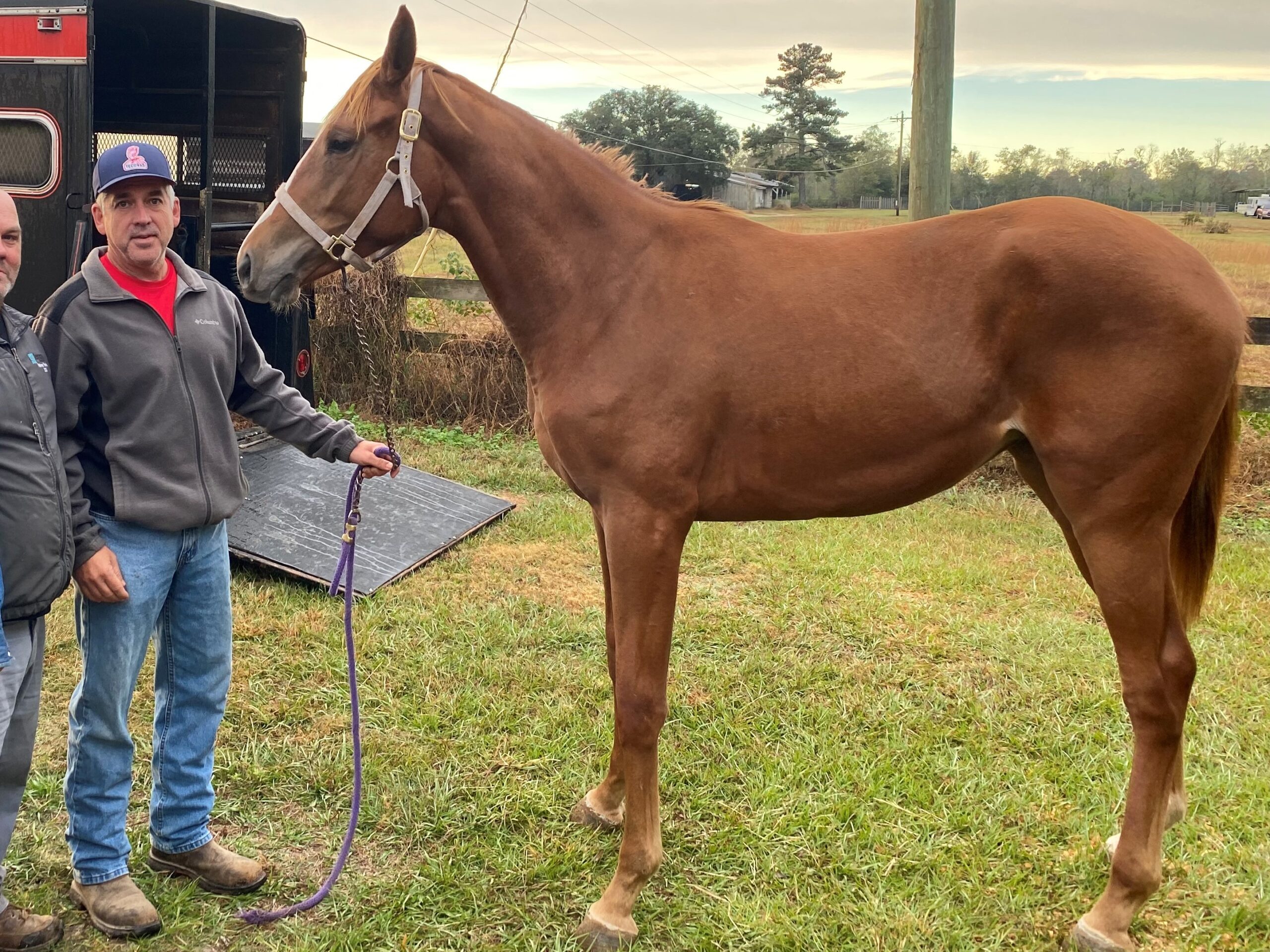
Miles Henry (legal name: William Bradley) is a professional horseman based in Folsom, Louisiana. He holds Louisiana Racing License #67012 and has spent over three decades managing Thoroughbreds at premier tracks including Fair Grounds, Delta Downs, and Evangeline Downs.
Expertise & Hands-On Experience: Beyond the track, Miles has decades of experience in specialized equine care, covering everything from hoof health and nutrition to training protocols for Quarter Horses, Friesians, and Paints. Every guide on Horse Racing Sense is rooted in this “boots-on-the-ground” perspective.
30 of their last 90 starts
Equibase Profile.

Connect with Miles: