
Last updated: October 5, 2026
If you’re thinking about buying a horse, figure out the ongoing costs first. The purchase price is the easy part. It’s the monthly bills and the surprise vet calls that catch most first-time owners off guard.
Below, I’ll break down the usual monthly and yearly costs, what the first year adds, the emergencies worth planning for, and the places you can save without shortchanging the horse’s care.
Table of Contents
How Much Does It Cost to Own a Horse Per Month?
Most of what you spend each month goes to board, feed, the farrier, and routine vet care. Farrier and vet bills don’t really arrive monthly, so the table spreads their yearly cost across 12 months to help you budget. Rates vary a lot by region, so treat these as starting points and get quotes from the barns and professionals near you.
| Cost | Typical monthly range | Notes |
|---|---|---|
| Board | $200 to $1,800+ | Rural pasture board sits at the low end; full-service board near a city or show hub at the high end. |
| Feed and supplements | $100 to $300 | Often partly included in full board. On pasture or self-care board, feed is all yours. |
| Farrier | $50 to $200 | A trim or shoeing every 6 to 8 weeks, spread over the month. |
| Routine vet care | $40 to $125 | Vaccines, dental, deworming, and a wellness exam, spread over the year. |
| Insurance and supplies | $25 to $100 | Liability insurance is required at many barns, plus bedding and odds and ends. |
Board drives the total more than anything else, which is why the same horse can cost about half as much in rural Louisiana as near a big city. When you compare barns, check what’s included, since some full-board rates cover hay, grain, turnout, and holding your horse for the vet and farrier, and others charge extra. The different types of horse boarding and what they cost vary a lot, and if you’re feeding your own, what a bale of hay costs in your area matters just as much.

What Does a Horse Cost Per Year?
The 2023 Synchrony Equine Lifetime of Care study, which surveyed 1,231 U.S. horse owners, put annual all-in costs at about $8,600 to $26,000 a year, not counting events. The same study found owners typically start feeling financial stress when a surprise bill reaches $1,500. In my experience, where you land depends on how you keep the horse and what you ask it to do. Here are the practical budgeting ranges I’d plan around. They’re my numbers, not national averages.
| Situation | Typical yearly cost | What it takes |
|---|---|---|
| Lower-cost ownership | About $8,000 to $12,000 | Usually your own land or low-cost rural board, doing much of the daily work yourself, a healthy horse, and little training, showing, or hauling |
| Realistic middle | About $15,000 to $25,000 | Full-service board, regular vet and farrier care, and maybe some lessons or shows |
| Serious competition | $30,000 to $50,000+ | Training board, regular showing, and hauling to events |
A lot of first-time owners budget around the low end and end up somewhere in the middle. The lower end only works when several things line up at once: affordable board or a workable home setup, time for daily chores, and a horse that stays reasonably healthy all year. If you’ve got the land, keeping a horse at home trades the board bill for fencing, shelter, and upkeep, and what it costs to keep a horse at home adds up faster than most people expect.
What the First Year Adds
For a first-time owner, the first year usually costs more than the years after it, because you’re paying setup costs on top of the regular bills. The table below doesn’t include the horse itself, since what a horse costs to buy swings from free to five figures.
| Expense | Typical range | Notes |
|---|---|---|
| Pre-purchase vet exam | $300 to $800+ | Worth considering on nearly any horse, including a free one; X-rays and other diagnostics raise the price |
| Basic tack | $500 to $2,500 | Saddle, bridle, halter, and lead; good used tack cuts this a lot |
| First vaccines and Coggins | $150 to $350 | Most barns require them before the horse moves in |
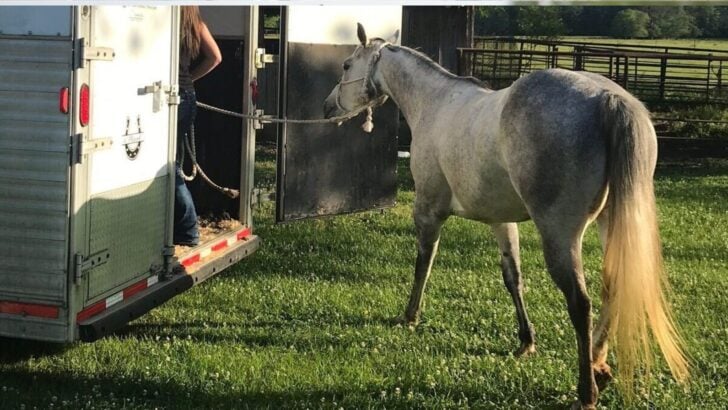
| Transport | $100 to $600 | More for long hauls |
| Grooming supplies and first aid kit | $150 to $400 | A one-time stock-up |
A free horse isn’t a free horse to keep. Every monthly bill starts the day it arrives, and a free horse with a soundness problem can cost more in its first year than a sound horse you paid good money for. That’s why I wouldn’t skip a pre-purchase exam without understanding the risk, and the steps for buying your first horse start long before you hand over any money.
Emergency Vet Bills and Your Reserve
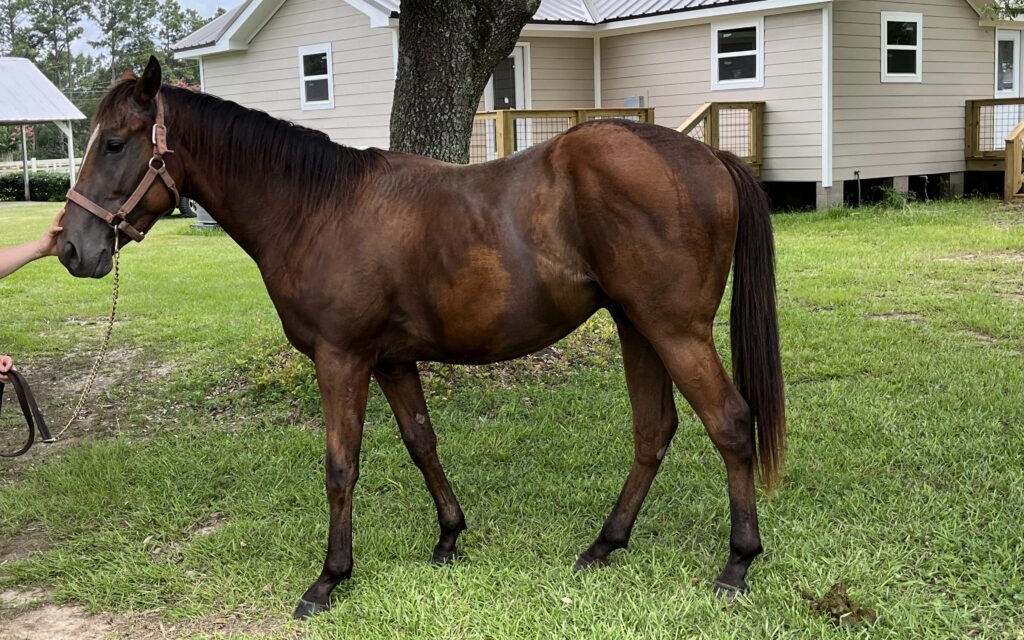
Emergencies are what wreck a horse budget. I’ve dealt with at least 20 colic episodes over the years, and one mare had about five on her own. Most of them resolved with a vet call and close watching. One horse needed colic surgery, and between the emergency call, hauling, surgery, and aftercare, my best recollection is that it ran somewhere around $16,000. I don’t have the bills anymore, so that’s an estimate, but it’s the kind of number you have to be ready for on short notice.
That’s a decision a lot of owners aren’t ready to make under pressure. In a University of Kentucky survey of 4,915 U.S. horse owners, more than 60 percent said they’d pay $5,000 or less for emergency colic surgery, even though surgery and aftercare can run far higher. Practical Horseman puts colic surgery at roughly $5,000 to $12,000 depending on the region and the case, and complications or a long hospital stay push it higher still.
| Situation | Rough cost |
|---|---|
| Colic treated on the farm | A few hundred to $2,000 |
| Colic surgery | $5,000 to $12,000+; complicated cases cost more |
| Lameness workup | $300 to $2,000 before treatment |
| Wound needing stitches | $200 to $1,500 |
| Eye injury | $500 to $3,000+ |
I’d want a real emergency reserve before buying a horse. For many owners, $5,000 to $10,000 is a sensible starting target, but the right amount depends on how many horses you have, whether you carry insurance, and what deposit the nearest referral hospital asks for up front. If that isn’t realistic yet, look hard at major medical insurance, and what horse insurance costs depends on the coverage you pick. It also helps to know what to do when your horse colics before it happens.

Costs Owners Forget to Budget For
Beyond emergencies, smaller costs add up quietly. Blankets wear out, tack needs repair, and supplements multiply. Depending on where and how you keep your horse, there’s also manure removal, fly control, barn fees, trailer maintenance, memberships, lesson or clinic fees, and eventually end-of-life costs. Older horses often bring chronic conditions like arthritis, ulcers, or Cushing’s disease that turn into a monthly expense for the rest of the horse’s life. You won’t pay every one of these every month, but they belong in the long-term picture.
Time is a cost too. Even on full board, most owners are at the barn several times a week, and someone has to be there for the vet and farrier and cover for you when you travel. On self-care board or at home, figure on an hour or two of chores every day, holidays included. Even when you’re not paying someone to do the work, you’re still paying for it with your time.
Can You Afford a Horse?
There isn’t one income number that tells you whether you can afford a horse. What matters is whether your budget covers the regular monthly costs without leaning on credit, with room left for a real emergency plan. Before you buy, get local prices for board, the farrier, routine vet care, feed, insurance, hauling, and the gear you still need.
If you’re not sure, lease before you buy. A part-lease or full lease lets you take on the barn time, the vet and farrier schedule, and most of the costs before you own a horse outright, and it’s the easiest way to find out whether ownership fits your life.
How to Save Money Without Cutting Corners
Hay is where I’ve saved the most. Picking hay up straight from the field instead of the feed store saved me about $4 a bale, and I once let a neighbor cut hay off 20 acres of our land in exchange for half the crop. Buying in bulk with other owners at your barn and choosing good used tack over cheap new tack add up too. So does learning basic horse-care skills from an experienced horseperson or your vet, like safe bandaging, taking vital signs, and cleaning a superficial scrape, as long as you know when a wound, lameness, eye problem, or colic sign needs a vet instead. Self-care or partial board saves money if you can really commit to the daily work.
Some savings cost more than they save, though. Skipping vaccines, stretching the farrier schedule, or cutting corners on feed tends to come back as a vet bill much bigger than what you saved. Those are the places I don’t cut, and a regular horse care schedule keeps them from slipping.
What About the Cost of Owning a Racehorse?
If you’re talking about a racehorse, the numbers change dramatically. Training fees, track expenses, jockey and race-day costs, and closer vet care put a horse in training in a completely different budget category, and purse money often doesn’t cover it. I’ve broken those numbers down separately in what it really costs to own a racehorse.
Horse Ownership Cost FAQs
How much should I save for horse emergencies?
Have a plan before you buy. Many owners aim for a dedicated reserve of $5,000 to $10,000, or pair a smaller reserve with major medical insurance. The right number depends on how many horses you have, local emergency clinic deposits, your insurance, and what you could pay on short notice.
Is it cheaper to board a horse or keep it at home?
For one or two horses, boarding is often cheaper unless you already have the land, fencing, shelter, and water in place. Keeping horses at home gets more economical as you add horses, but you trade the board bill for upkeep and daily chores.
Do I need horse insurance?
It depends on the barn and your budget. Some barns require liability insurance, and major medical coverage is worth considering if you couldn’t comfortably cover a large emergency bill out of pocket. Mortality insurance makes more sense the more your horse is worth.
What’s the cheapest way to own a horse?
The cheapest setup is usually pasture board in a rural area, a sound horse with no chronic problems, good used tack, and doing the routine work yourself. It still takes daily time, an emergency fund, and a plan for when you travel.
The purchase price is the easy number to see. The real cost is keeping the horse healthy year after year, and being ready when something goes wrong. If you can cover the routine bills, keep an emergency reserve, and still have some room in the budget, you’re starting from a much better place.
Cost note: national estimates help set expectations, but local board, hay, farrier, vet, and hauling prices can differ a lot. Get current quotes from the barns and professionals you’d actually use before you buy.
About Miles Henry
Racehorse Owner & Author | 30+ Years in Thoroughbred Racing
Miles Henry (legal name: William Bradley) is a professional horseman based in Folsom, Louisiana. He holds Louisiana Racing License #67012 and has spent over three decades managing Thoroughbreds at premier tracks including Fair Grounds, Delta Downs, and Evangeline Downs.
Expertise & Hands-On Experience: Beyond the track, Miles has decades of experience in specialized equine care, covering everything from hoof health and nutrition to training protocols for Quarter Horses, Friesians, and Paints. Every guide on Horse Racing Sense is rooted in this “boots-on-the-ground” perspective.
30 of their last 90 starts
Equibase Profile.

Connect with Miles: