
Last updated: October 12, 2026
Any links on this page that lead to products on Amazon are affiliate links and I earn a commission if you make a purchase. Thanks in advance – I really appreciate it!
Maybe your reins have gone stiff and dark from sweat, you’ve noticed a white crust along the saddle flaps, or you’ve pulled the bridle out after a humid week and found a green film on it. You know it needs cleaning, but you’re not sure how to clean horse tack without making the problem worse.
Here’s how often to clean, what you need, how to clean each piece without wrecking it, what to check for safety while you’re at it, and how to keep mold from taking over.
Table of Contents
How Often Should You Clean Horse Tack?
Sweat is what does the damage. Left to dry on leather, it leaves salt behind and pulls oil out of the leather, and that’s how stiff, cracked tack starts. A quick wipe after each ride matters more than saving it all for one big cleaning day. University of Florida Extension recommends wiping down frequently used tack daily and giving saddles and bridles a thorough, take-it-apart cleaning several times a year.
| When | What to do |
|---|---|
| After every ride | Wipe sweat, hair, and dirt off the leather that touched the horse, and rinse or wipe the bit |
| Whenever it looks dirty or feels stiff | Clean the leather with saddle soap, then condition it if it’s dry |
| Several times a year | Take the saddle and bridle apart, clean every piece, and check the stitching and hardware |
If you ride every day, in a lot of heat, or in a humid climate, you’ll need the full clean more often than someone who rides on weekends. How often to condition depends on your riding and your climate, so SmartPak’s advice is to check the maker’s care instructions for your particular saddle or bridle.
What You Need to Clean Horse Tack
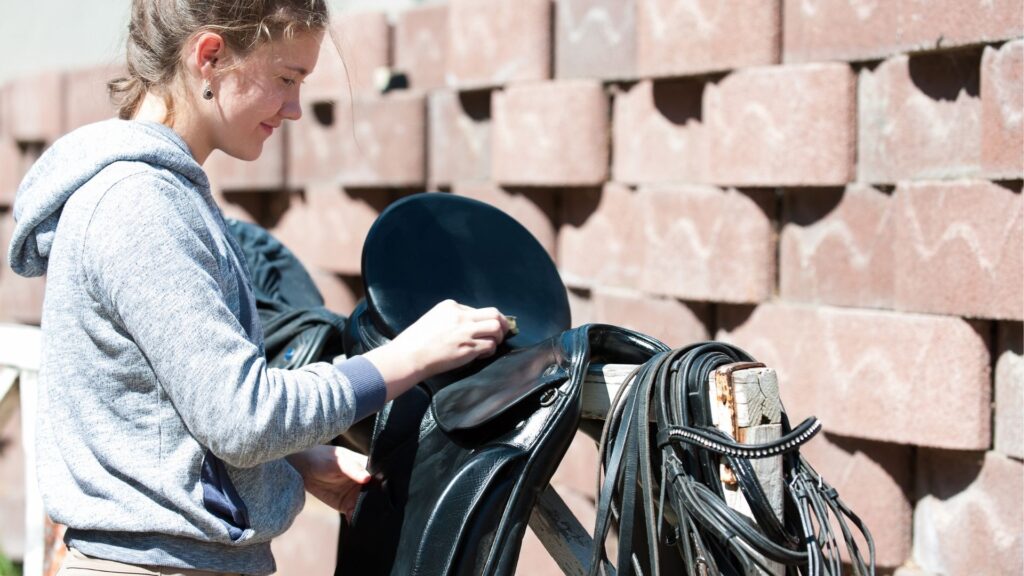
You don’t need much, and most of it’s probably already in your barn:
- Tack sponges and rags: Small sponges fit into corners and under flaps better than kitchen sponges. Keep separate ones for soap and conditioner.
- An old toothbrush: For buckle holes, stitching, and tooling where dirt packs in.
- Glycerin saddle soap or leather cleaner: Liquid glycerin soap is easier to rinse than bar soap.
- Leather conditioner or oil: For putting back the oils that cleaning removes.
- A bucket of warm water and a towel.
- Leather cleaning wipes (optional): Handy for the quick wipe after a ride or at a show.
How to Clean Leather Tack Step by Step
This works for saddles, bridles, reins, leather halters, girths, martingales, and breastplates. A saddle takes the longest because of the flaps, billets, and stirrup leathers, and our saddle cleaning guide walks through it in more detail.
- Take it apart. Unbuckle the bridle and pull the stirrup leathers and irons off the saddle. Snap a photo first so you remember which holes everything was buckled in.
- Get the loose dirt off. Wipe everything down with a damp rag before you use any soap. Scrubbing dried mud and hair into the leather can scratch it.
- Soap it with a damp sponge. Wring the sponge out well and work the soap into the leather in small sections. Use the toothbrush on stitching, buckle holes, and under keepers. Liquid glycerin soap rinses cleaner than bar soap and leaves less residue in the tooling and stitching.
- Wipe off the soap. Go over it with a clean, damp sponge. Don’t soak or submerge leather.
- Let it dry. Hang the pieces or set the saddle on a rack out of direct sun, away from heaters. Let the leather dry before you oil or condition it, and follow the care instructions for your particular tack.
- Condition or oil it sparingly. Put the oil on the sponge rather than the leather to control how much you use, and wipe off the excess. SmartPak’s advice is to oil only when the leather actually needs it, such as new tack or leather that’s dried out.
- Put it back together and check it. Reassemble everything and look it over for safety before you hang it up.
Go easy on the oil. Too much oil can break leather down, encourage mildew, and leave a residue that attracts dirt. UF Extension suggests one or two coats and warns that pure neatsfoot oil mildews more readily in humid weather, which is why blended oils are often preferred in the South. Skip corn and other vegetable oils.
The same method works for most leather pieces, including bridles, leather reins, and halters. Cotton or rope reins can be washed in warm water with a mild soap and hung to dry. Rawhide, such as rawhide reins or a hackamore bosal, should be wiped clean rather than soaked.
Check your tack while you clean it
A full clean is the best chance you’ll get to catch a problem before it breaks under you. Look for cracked leather at the stress points, worn or broken stitching, stretched buckle holes, and frayed billets. On girths, check the elastic for cracks or loss of stretch. Leather that’s cracked where it takes strain should be replaced, not oiled and put back into use.
How to Clean a Bit
Rinse the bit after every ride, before saliva and grass dry on it. A toothbrush gets the buildup out of joints and around the rings. Don’t panic if a sweet iron bit turns rusty. That’s normal for the material, since the surface rust is part of how sweet iron encourages a horse to salivate, and Bit Bank Australia says it’s harmless to the horse and doesn’t need to be scrubbed off. Wipe it after each ride and keep checking that the mouthpiece stays smooth.
What does matter is the bit’s surface. If it has rough spots, sharp edges, or worn joints, it can pinch or rub your horse’s mouth, so replace it. Our guide to types of horse bits covers the different materials if you’re shopping for a new one.
Cleaning Nylon Tack, Girths, and Saddle Pads
Nylon and other synthetic tack is easier. Follow the care label, but most nylon halters can be soaked in warm water with a mild detergent and scrubbed with a brush, or washed on a gentle cycle inside a tied-off pillowcase. Hang them to dry rather than using the dryer.
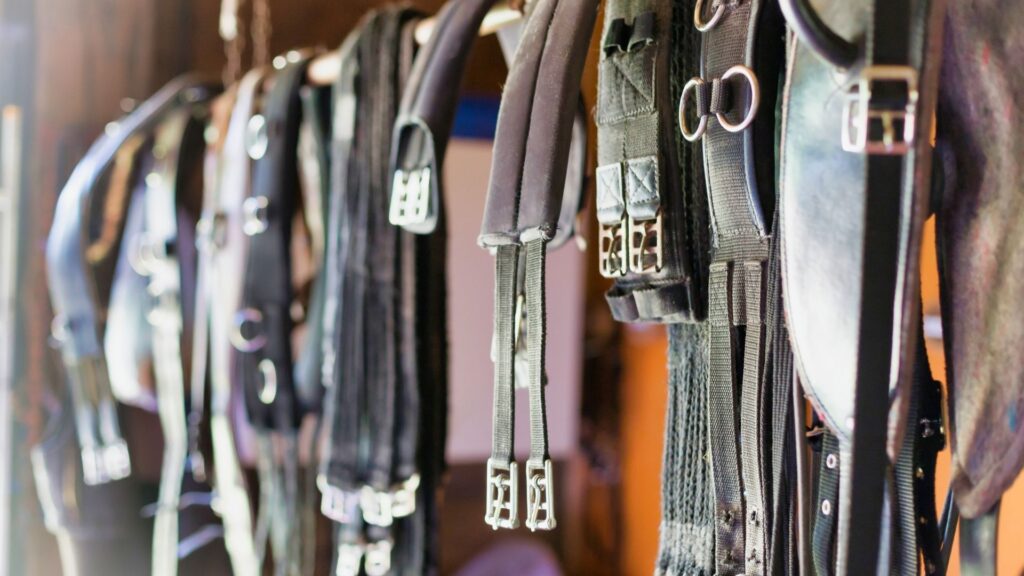
Girths take more sweat than almost any other piece of tack, so wipe yours down after every ride. Clean a leather girth the same way as the rest of your leather. Neoprene and synthetic girths can usually be scrubbed with mild soap and rinsed.
For saddle pads, go by the label first, since materials vary. For wool pads, UGA Extension suggests currying off caked sweat and hair, vacuuming the loose debris, then soaking the pad in lukewarm water with Woolite or a natural-fiber soap. Rinse until the water runs clear, because leftover soap can irritate your horse’s skin, and lay the pad flat on a saddle rack or fence rail to dry rather than hanging it by a corner.
How to Get Mold Off Leather Tack
If you live anywhere hot and humid, like south Louisiana, you’ll fight mold on leather sooner or later. It usually shows up as a white or green film on leather that was put away damp or stored somewhere without much air moving.
Catch it early. SmartPak suggests working outside or somewhere well ventilated so you don’t breathe the spores. Wipe the surface mold off with a damp rag, use a toothbrush on the crevices, then clean the leather with a cleaner that suits your tack and let it dry thoroughly before you condition it. Cleaning won’t restore leather that’s already damaged, though. If mold has gotten into a load-bearing piece like a stirrup leather, billet, or rein and the leather feels cracked, weak, or spongy, don’t trust it under saddle. Have a saddler look at it or replace it.
Preventing it is easier than cleaning it off. Give tack time to air out before it goes in the tack room, don’t over-oil it, and avoid oils that mildew easily. UF Extension also recommends storing tack somewhere dry and running a dehumidifier or air conditioner in summer if you can.
How to Store Tack So It Lasts
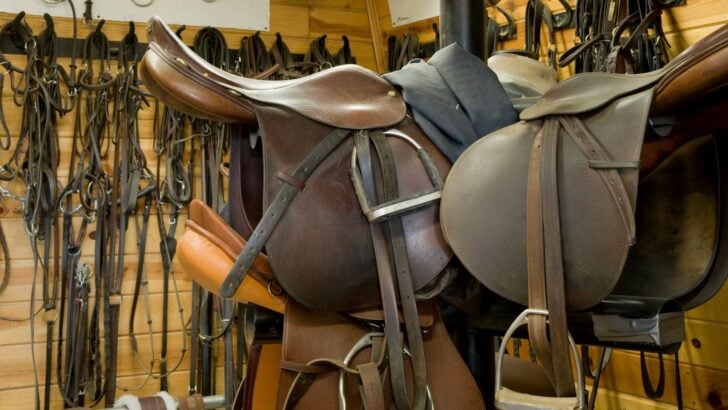
- Saddles: Keep them on a saddle rack that supports the whole saddle, with a breathable cover to keep the dust off. Keep them out of direct sun, which dries leather and can darken light-colored saddles.
- Bridles: Hang them on a rounded bridle hook that holds the shape of the crownpiece, not a nail.
- The room itself: A cool, dry tack room with some air flow beats a hot horse trailer, and a closed trunk or bag is the worst place for anything that’s still damp.
A few minutes after each ride and a careful full clean now and then will keep your horse tack soft, strong, and ready to use.
Tack Cleaning Products Worth Keeping in the Barn
You don’t need a shelf full of products. A good glycerin soap, a couple of tack sponges, and something quick for the after-ride wipe will cover most jobs, with a conditioner or oil for leather that’s dried out.
Hydra’s small, fine-pore tack sponges hold just enough water and soap without dripping, so they’re easier to keep damp instead of wet.

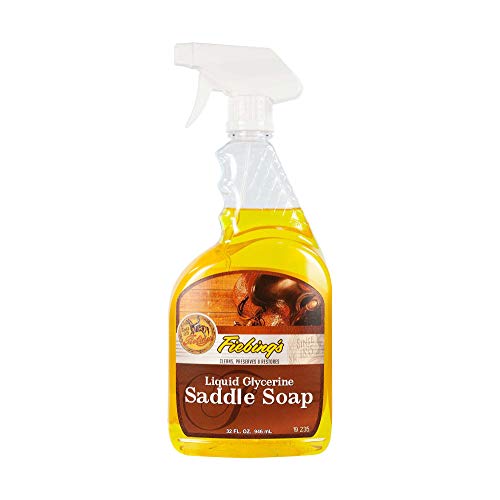
Fiebing’s liquid glycerine saddle soap is a spray-on cleaner for smooth leather that works well for the full clean. Follow it with a conditioner if the leather’s dry, since the soap is mainly a cleaner.
Lexol’s leather cleaner wipes are pH-balanced and don’t need water, which makes them handy for the quick wipe after a ride or at a show. They’re not a substitute for a full clean.

None of these replace a good look at your tack, though. A quick wipe after every ride and a careful full clean will catch worn stitching or a cracked billet long before a product would.
About Miles Henry
Racehorse Owner & Author | 30+ Years in Thoroughbred Racing
Miles Henry (legal name: William Bradley) is a professional horseman based in Folsom, Louisiana. He holds Louisiana Racing License #67012 and has spent over three decades managing Thoroughbreds at premier tracks including Fair Grounds, Delta Downs, and Evangeline Downs.
Expertise & Hands-On Experience: Beyond the track, Miles has decades of experience in specialized equine care, covering everything from hoof health and nutrition to training protocols for Quarter Horses, Friesians, and Paints. Every guide on Horse Racing Sense is rooted in this “boots-on-the-ground” perspective.
30 of their last 90 starts
Equibase Profile.

Connect with Miles: