
Published on: November 16, 2026
Any links on this page that lead to products on Amazon are affiliate links and I earn a commission if you make a purchase. Thanks in advance – I really appreciate it!
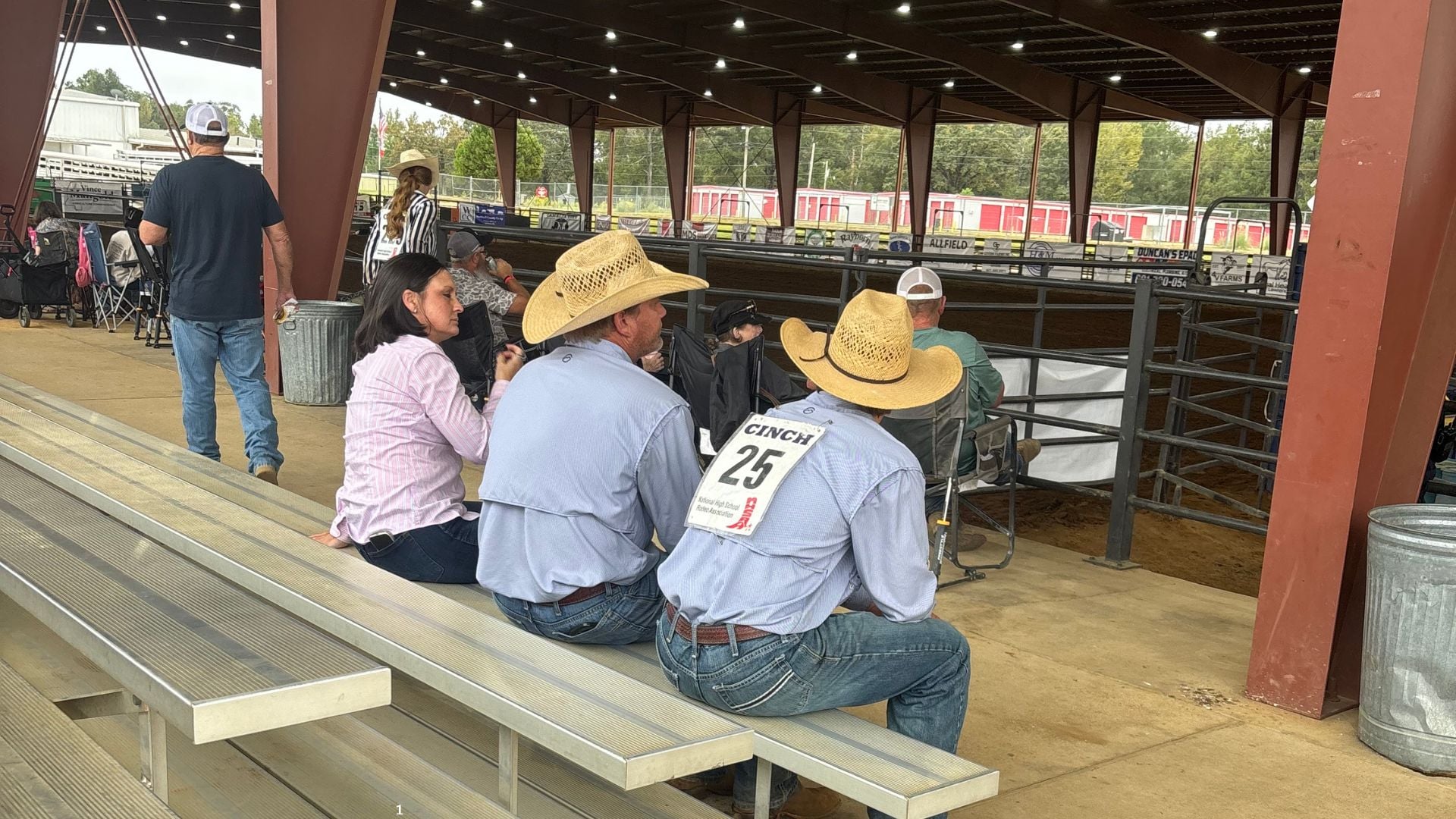
Sit in the stands at any rodeo, and you’ll see all kinds of cowboy hats. Some are sweat-stained working straws, some are fresh felts bought for the occasion, and some are kids’ hats that have already landed in the dirt twice before the barrels are set. So what hats do cowboys wear today?
Here’s what I see at the rodeos and barrel races my family competes in, what the next generation is wearing, and why fit still matters more than any trend.
Table of Contents
In the Arena: What Rodeo Contestants Wear
I’m at a rodeo at least once a month, usually with family or friends competing. My kids and grandson rope and ride bulls. Their cowboy hats include Cattleman and Brick crowns.
Those traditional shapes are still familiar sights at the events we attend. Across the family, you’ll find Resistol straws, Stetson straws, and American Hat Makers hats. The crown shapes themselves are explained in cowboy hat styles.
Headgear rules depend on the association and the event. The National High School Rodeo Association’s 2026-2028 rulebook, for example, requires western attire in competition, including a cowboy hat with at least a 2 1/2-inch brim and a 5-inch crown, and it allows helmets in place of western hats.
Some events go further. NHSRA requires bull riders, both high school and junior high, to wear a helmet with a full face mask and chin strap, and junior high bareback and saddle bronc riders must wear the same kind of helmet. Check the current rules for the event you’re entering.
Felt or Straw at the Rodeo
Most folks still follow some version of the old rule: straw in summer, felt when it cools off. My grandfather wore a straw hat in the summer and a felt in the winter, and that’s still how plenty of people do it.
Down here in Louisiana, straw season runs long. We’ve lived in this heat our whole lives, and a good straw is what makes a long summer day at the arena bearable. Felt comes out for cooler evenings and for dressier events. The traditions and dates are covered in when to wear a felt cowboy hat.

Cowgirls and the Next Generation
The kids are wearing the same basic hats as the grown-ups, with a little more personality. My granddaughter rodeos in her American Hat Makers straw, and she likes to put a feather in the hatband. My daughter wears an American Hat Makers hat some of the time too.

Three of my grandchildren compete at local barrel shows, with barrels, poles, arena races, and obstacles often filling the day. Their hats don’t always make it through those runs unscathed.
Outside the Arena
Away from the arena, felt is still the dressier hat. You’ll see plenty of felt at weddings, church, and country concerts, and the women in my family love dressing in western wear for a night out.

When we’re in Fort Worth for roping or barrel racing events, we usually end up shopping for hats at Teskey’s Saddle Shop in Weatherford. For gifts, I usually choose a Bozeman straw from American Hat Makers or a Resistol. The American Hat Makers hats we own are covered in my American Hat Makers review.
Fit and Function Still Come First
Trends come and go, but fit doesn’t. A loose hat can shift or come off, and even a well-fitted cowboy hat isn’t guaranteed to stay put during a fast run. Watch a barrel race for an hour, and you’ll see plenty of hats in the dirt. The basics of measuring are in how to size a cowboy hat.
Working hats take a beating, and a little care goes a long way, from setting a hat down crown first to keeping it out of a hot truck. That’s all covered in how to care for a cowboy hat.
About Miles Henry
Racehorse Owner & Author | 30+ Years in Thoroughbred Racing
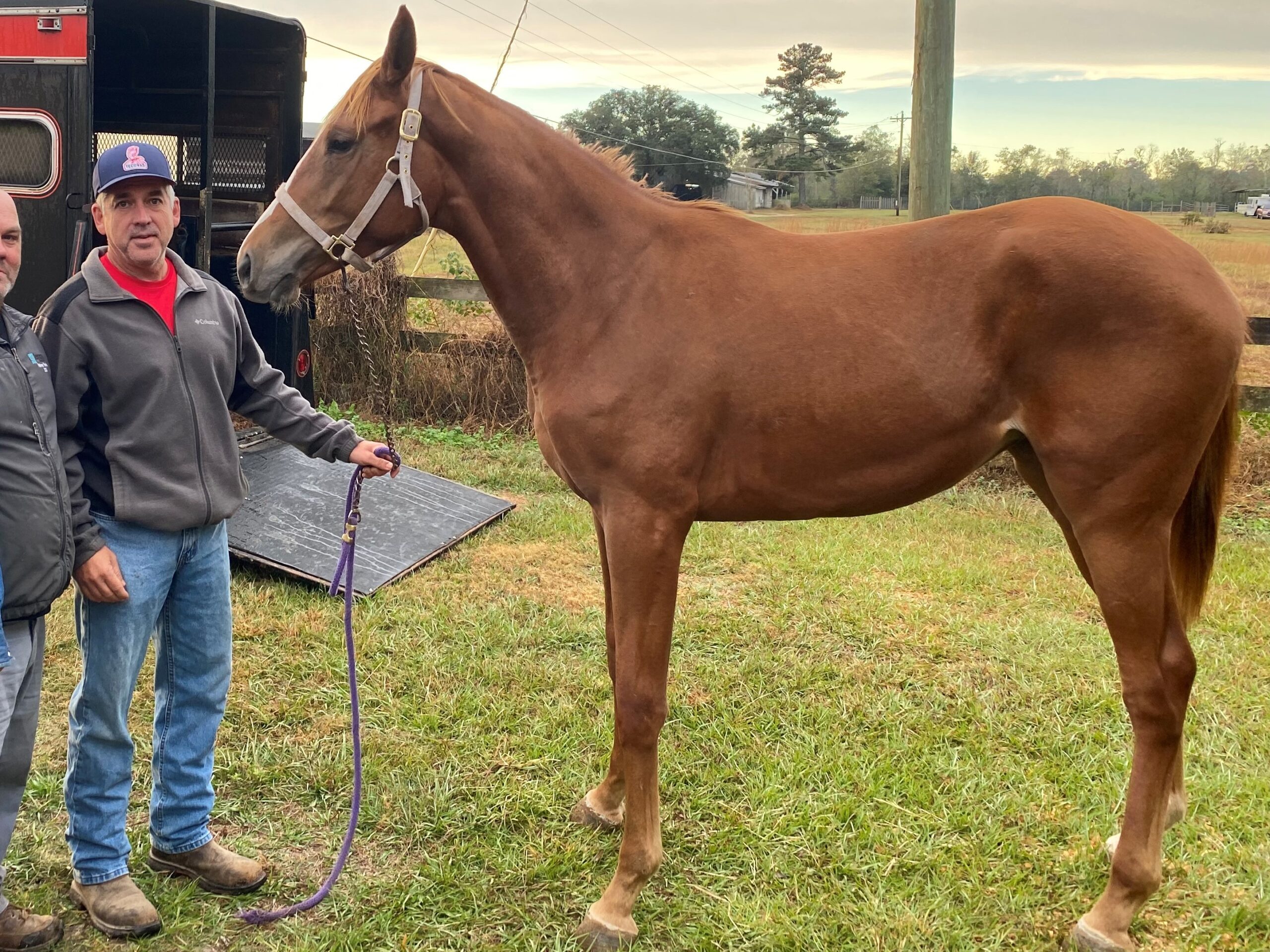
Miles Henry (legal name: William Bradley) is a professional horseman based in Folsom, Louisiana. He holds Louisiana Racing License #67012 and has spent over three decades managing Thoroughbreds at premier tracks including Fair Grounds, Delta Downs, and Evangeline Downs.
Expertise & Hands-On Experience: Beyond the track, Miles has decades of experience in specialized equine care, covering everything from hoof health and nutrition to training protocols for Quarter Horses, Friesians, and Paints. Every guide on Horse Racing Sense is rooted in this “boots-on-the-ground” perspective.
30 of their last 90 starts
Equibase Profile.

Connect with Miles: