
Last updated: July 29, 2026
Any links on this page that lead to products on Amazon are affiliate links and I earn a commission if you make a purchase. Thanks in advance – I really appreciate it!
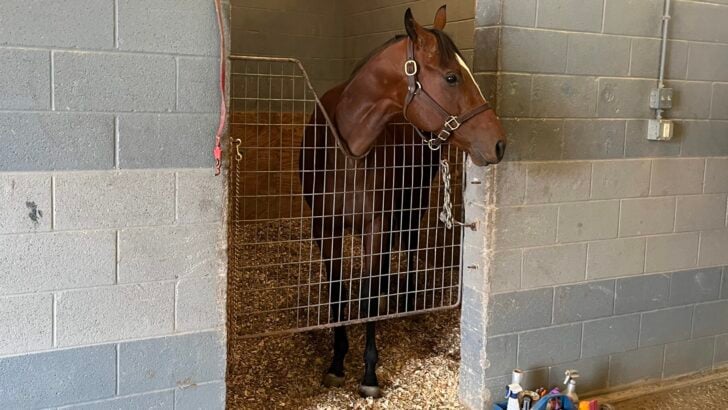
Why do horses stomp? Repeated stomping—especially when flies aren’t around—can signal pain, frustration, or developing hoof problems before they become serious. Timing and pattern tell the real story.
I’ve learned that context changes everything. A horse stomping rhythmically in the afternoon heat is acting very differently than one that stomps repeatedly at night in a stall—or suddenly favors one foot during turnout.
This guide will help you read those patterns, spot red flags, and respond before a small issue becomes a bigger one.
Table of Contents
What You’ll Learn
- How to distinguish normal fly-swatting from pain-related stomping
- Red flags that require immediate veterinary or farrier attention
- Pattern recognition for standing vs. moving stomping behavior
- Step-by-step evaluation process for persistent stomping
- Regional factors (like Louisiana’s humidity) that affect stomping causes
- When stomping signals hoof abscesses, laminitis, or mites
What Stomping Actually Accomplishes
Horses stomp mainly to knock flies off their legs and belly. When a fly lands, the horse reacts without thinking—bringing the foot down hard to startle the insect and get brief relief. It’s the same instinctive reaction people have when they swat a mosquito.
But horses also stomp to:
- Relieve discomfort in the hoof or lower leg — shifting weight off a sore foot or trying to alleviate deep pressure
- Express impatience or frustration — waiting for feed, turnout, or another horse
- Respond to skin irritation — including rain rot, dermatitis, or allergic reactions
- Signal mild colic or gastrointestinal discomfort — though this usually appears with other behaviors
Horses sometimes stomp to see if putting weight on a sore foot still hurts. After an abscess, I’ve seen horses stomp just to see whether the pain is still there. That’s different from the quick stomp a horse uses to knock a horsefly off its lower leg.
Normal Stomping Patterns
Normal stomping happens in predictable contexts:
- During peak fly activity — late morning through early evening, especially in humid climates
- When tied or confined briefly — mild impatience, particularly if other horses are being fed or turned out
- Rhythmic, alternating feet — shifting weight naturally, often with visible insects present
- After exposure to wet pasture — temporary irritation from moisture, grass contact, or minor fungal buildup
In these situations, stomping stops when the trigger resolves. The horse isn’t favoring a leg, there’s no heat or swelling, and everything else looks normal.
Watch for two minutes without interaction: if the stomping stops when flies do, it’s probably normal; if it stays focused on one leg, look closer.
When Stomping Signals a Problem
When stomping means something is wrong, it usually follows a clear pattern—hoof abscesses, early laminitis, or lower leg inflammation that owners initially dismiss as “just being annoyed.”
- Stomping that continues after sunset: Persistent behavior without a visible insect trigger suggests internal discomfort.
- Focus on one specific foot: Repeatedly slamming the same leg, especially when combined with frequent weight shifting.
- Combined discomfort signals: Watch for ear pinning, tail swishing, reluctance to move, or standing “stretched out.”
- Increased intensity: Behavior that escalates over several days rather than remaining stable.
- Physical markers: Any detectable heat, swelling, or a bounding digital pulse in the affected leg.
One case from our Folsom barn: in late June 2019, a bay gelding named Rusty started stomping his right front consistently during evening feeding. No flies, no obvious lameness. Two days later, he was reluctant to walk out of his stall. Our farrier found an abscess brewing near the toe, poulticed and wrapped it. The stomping stopped within 48 hours after drainage.
Causes of Problem Stomping
Hoof Pain and Abscesses
Hoof abscesses cause focused, persistent stomping as the horse tries to relieve deep pressure. You’ll see weight shifting, reluctance to bear full weight, and increased stomping when standing still.
Check for heat in the hoof wall, increased digital pulse, and sensitivity with hoof testers. According to the Merck Veterinary Manual, most resolve within days with proper treatment. In Louisiana’s climate, prolonged standing in muddy paddocks after heavy rain significantly increases abscess risk—wet conditions soften hooves and allow bacterial penetration.
Laminitis and Founder
Early laminitis can present as repetitive stomping before obvious lameness. Horses shift weight to reduce pressure on painful laminae, stomping both front feet alternately or standing with weight rocked back.
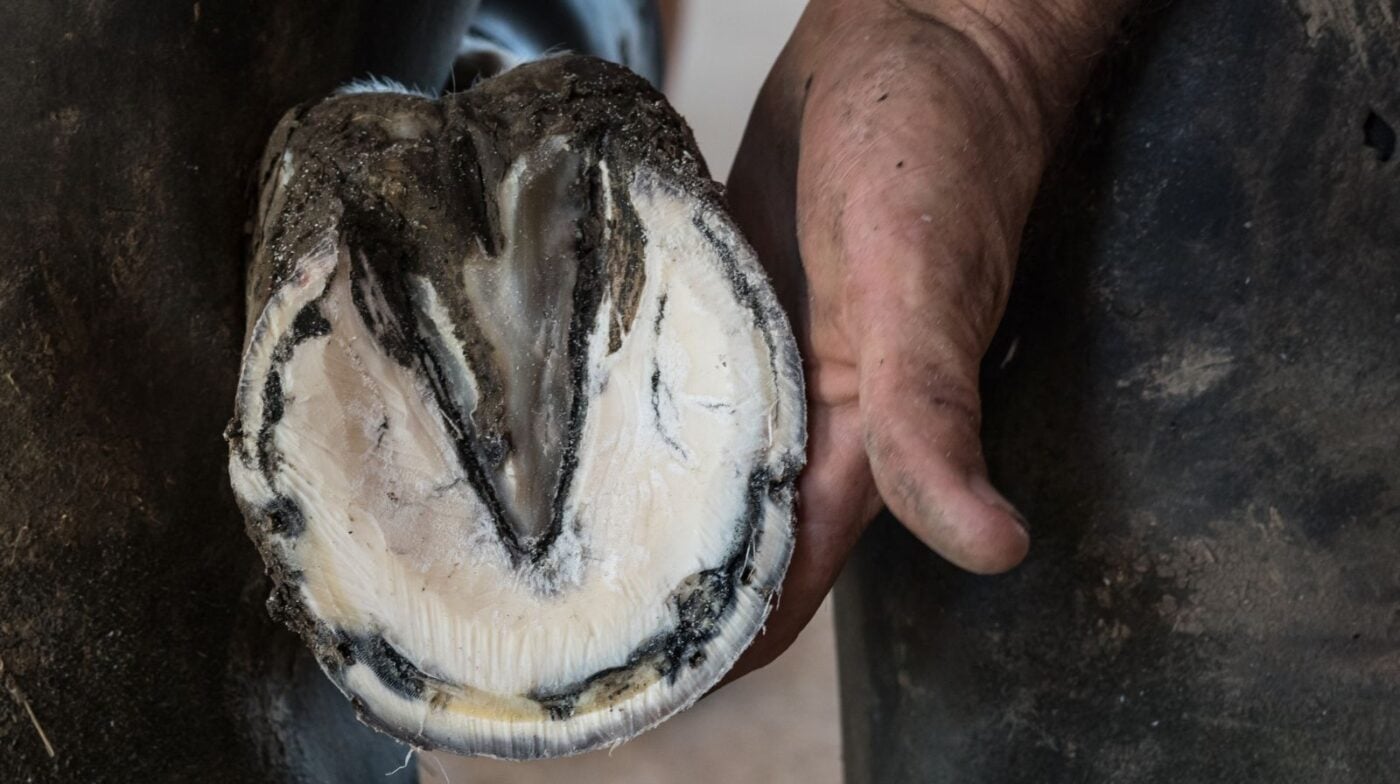
Look for bounding digital pulse, hoof wall heat, reluctance to walk on hard surfaces, and a “pottery” gait. Our in‑depth guide on laminitis in horses explains that delayed treatment can worsen outcomes. For the veterinary context, the Merck Veterinary Manual on laminitis in horses covers clinical signs and management.
Diamond Country, a dark bay mare at our training facility, developed persistent front‑leg stomping during warm weather, likely triggered by rich spring grass after March rains. Immediate stall rest and anti‑inflammatories prevented progression to founder.
Leg and Joint Inflammation
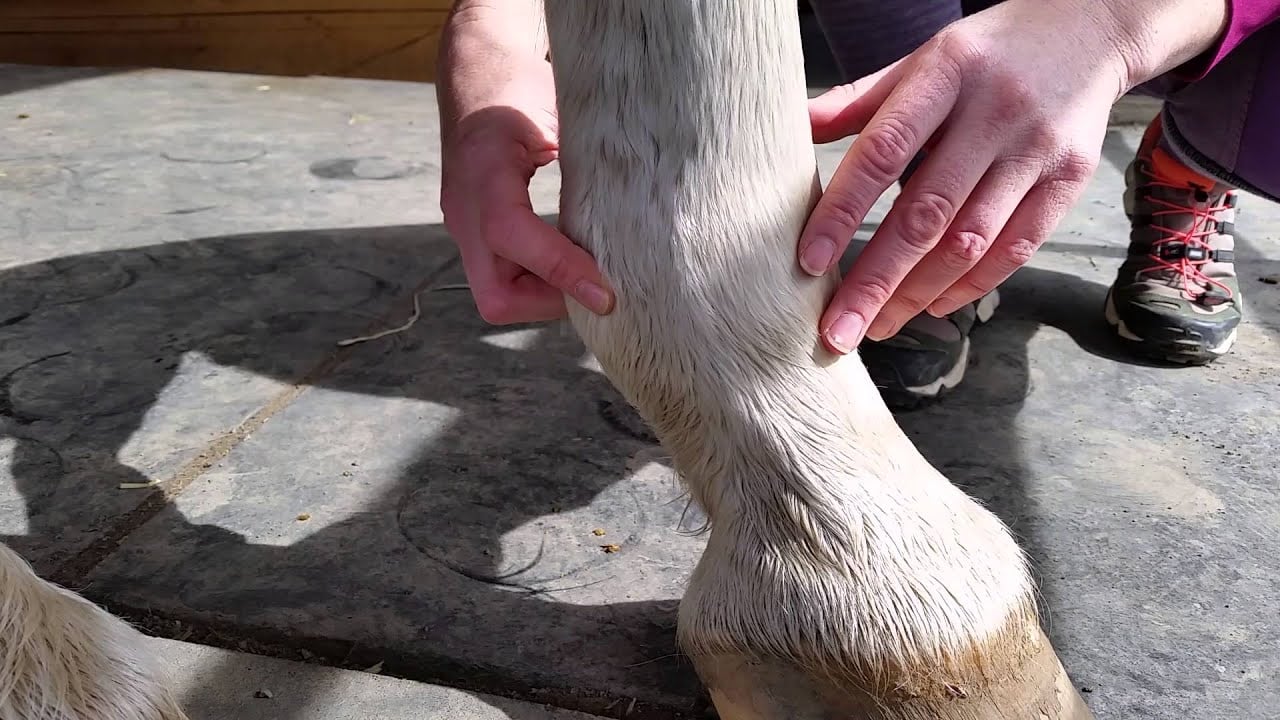
Swelling in the lower leg, fetlock, or pastern causes discomfort, prompting stomping. This happens after hard work, trauma, or developing arthritis. Compare both legs—any difference between them matters more than either leg alone.
Skin Conditions and Mites
Dermatitis, rain rot, or insect bite hypersensitivity causes stomping focused on skin irritation relief. Horses with pastern dermatitis or “scratches” will stomp and bite at their lower legs.
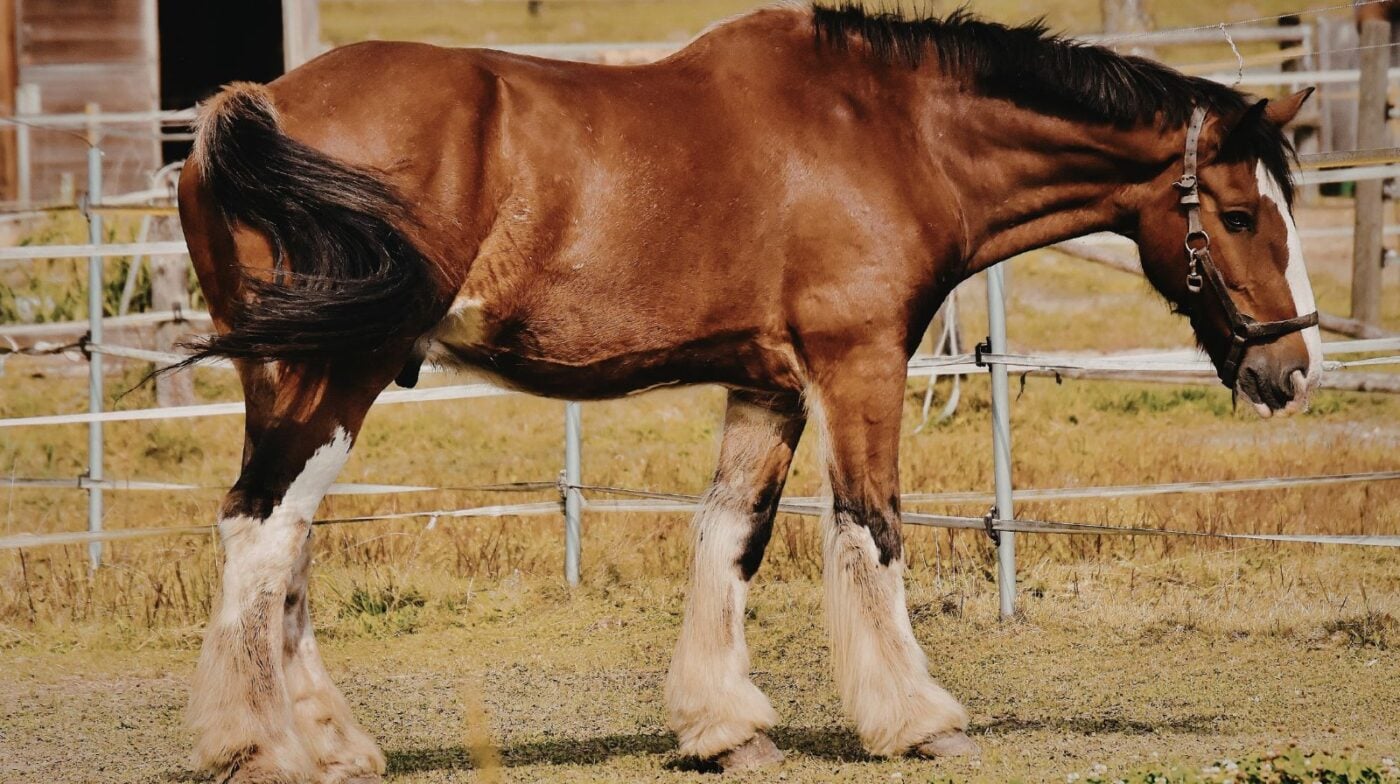
In Louisiana’s humid barns, feather mites (chorioptic mange) cause persistent hind-leg stomping, especially in draft breeds. The mites burrow into skin around pasterns creating intense itching, often worse at night when stalled. For the barn environment side of insect control, see my guide on how to get rid of horseflies around your barn.
Early in my career, a draft cross mare stomped her hind legs relentlessly at night. I assumed it was behavioral impatience. After two weeks, I examined her legs and found scabby, thickened skin around both hind pasterns—chorioptic mange. Treatment required veterinary lime sulfur dips every five days for three weeks. Clipping feathered legs preventively helps in damp climates. Had I recognized the pattern earlier, we could have started treatment sooner.
Behavioral Frustration
Sometimes horses stomp around feeding time out of impatience or learned behavior—not pain or flies—especially if the behavior has been unintentionally rewarded. It’s usually situational: it stops once the horse gets what it’s waiting for and isn’t focused on one specific leg. I’ve seen this most often in younger horses or those on a strict routine.
A young chestnut gelding named Cooper stomped both front feet and nickered loudly every morning at 6 a.m. feeding time. Once fed, the stomping stopped immediately. Feeding him first and keeping a consistent schedule reduced the intensity over the next few weeks.
Reading Why Horses Stomp at Rest vs. in Motion
Horses stomp differently depending on whether they’re standing or moving, and recognizing these patterns helps identify the cause.
Standing Stomping
When horses stomp while standing:
- Fly response — rhythmic, alternating legs, visible insects
- Weight shifting from pain — focused on one leg, often with subtle lameness when asked to move
- Impatience — both fronts, combined with other behaviors like pawing or nickering
Walking and Trotting Stomping
- Subtle hind-leg stomping at the walk — less common than standing stomping, and it matters more. Often indicates early hoof soreness or mite irritation; the horse may land harder than normal or show brief hesitation.
- Front-leg stomping at the trot — can signal developing lameness, especially if one leg lands more forcefully. You’ll often see this before obvious head bobbing shows up.
- Stomping immediately after turnout — usually behavioral excitement, but persistent single-leg stomping during initial movement warrants inspection.
Early in my training career, I dismissed subtle stomping at the walk as “barn attitude.” One two-year-old filly stomped her left hind occasionally during warm-ups but showed no visible lameness. I kept training her.
Three days later, she was dead lame—a stone bruise had progressed to a full abscess. That taught me: any stomping during movement that wasn’t there yesterday deserves immediate investigation, even if the horse looks sound.
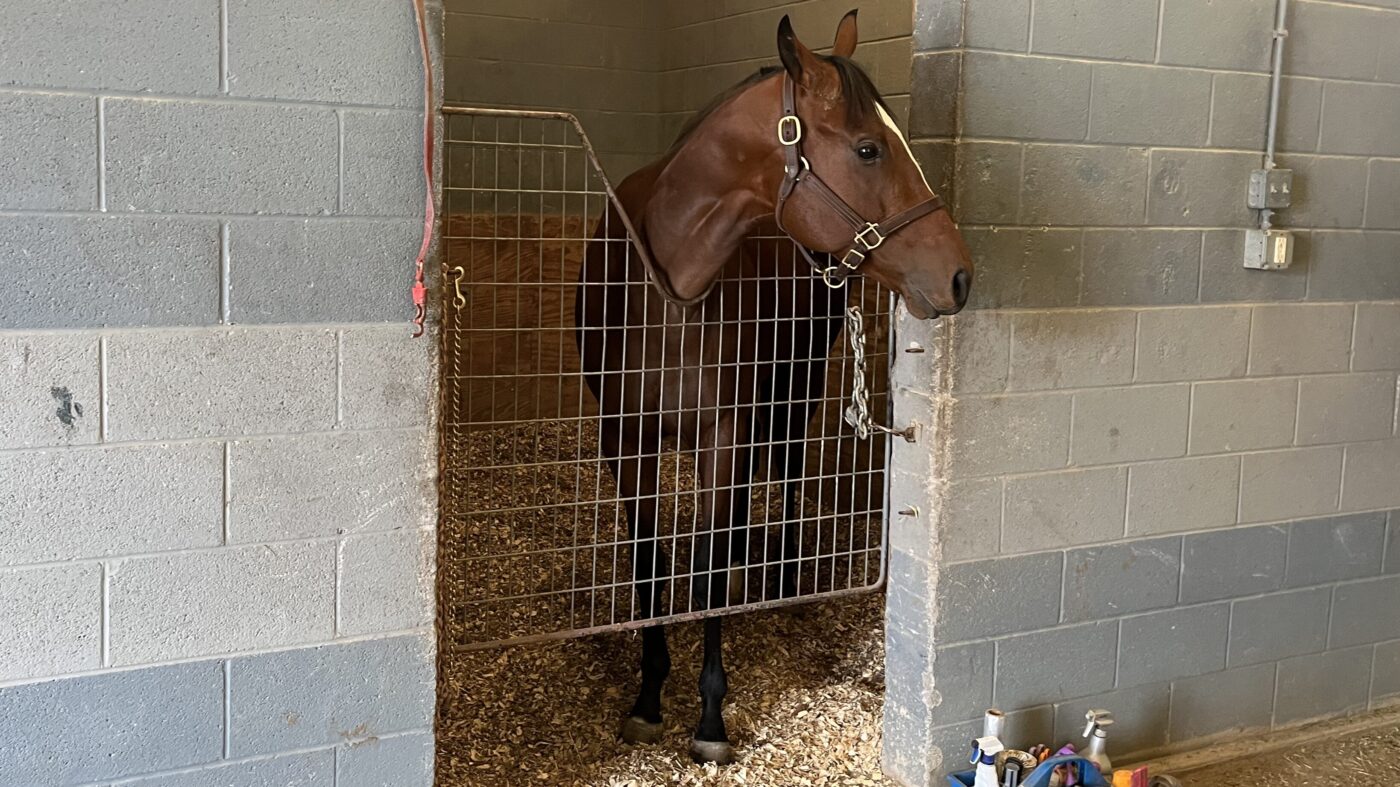
Stomping Pattern Recognition Guide
Owners often assume stomping is just flies, but if it continues after sunset or focuses on one leg, treat it as a warning.
Steps to Handle Excessive Stomping
Don’t wait days to see if it resolves—early intervention prevents serious problems.
Step 1: Observe the Pattern
Watch your horse for at least five minutes without interfering. Note which feet are being stomped, whether it’s rhythmic or focused, and if other behaviors accompany it. Time of day matters—stomping at dawn or late evening without flies suggests something other than insect irritation.
Step 2: Physical Examination
Run your hands down each leg, checking for heat, swelling, or pain response. Pick out all four hooves and inspect for bruising, cracks, punctures, or foreign objects. Check the digital pulse at the fetlock—a strong, bounding pulse indicates hoof inflammation. Look at skin on lower legs and pasterns for scabs, swelling, or irritation.
Step 3: Movement Assessment
Lead your horse forward and watch for lameness, shortness of stride, or reluctance to move. A horse with hoof pain often looks just slightly off at the walk before the problem becomes more obvious when trotting. Compare movement on soft ground versus hard surfaces—horses with hoof pain are more reluctant on hard footing.
Step 4: Environmental and Management Review
Consider recent changes: new turnout area with harder or wetter ground, changes in feed or bedding, recent farrier work or missed trim cycle, increased work intensity or new surfaces. Stomping that starts after a management change often points to the trigger.
Step 5: When to Call the Vet or Farrier
Contact your farrier if you suspect an abscess, bruise, or hoof-related issue. They can use hoof testers to locate pain and determine if soaking, poulticing, or draining is needed.
Contact your vet if you observe: strong digital pulse with hoof heat (laminitis concern), obvious lameness or reluctance to bear weight, swelling that doesn’t reduce with cold hosing or rest, stomping combined with colic signs, or no improvement after addressing obvious causes.
Preventive Management
Fly Control
Effective fly control reduces normal stomping and makes it easier to identify problem behavior. Use fly masks, sheets, and sprays during peak insect season. Manage manure and standing water to reduce breeding grounds.
Regular Hoof Care
Maintain a consistent farrier schedule—every 6 to 8 weeks for most horses. Regular trims prevent cracks, balance issues, and bruising that lead to pain and stomping. University of Minnesota Extension’s hoof care guide emphasizes consistent care as foundational to preventing lameness, particularly noting that horses in wet, muddy conditions face increased abscess risk.
Turnout Surface and Footing
Avoid prolonged standing in wet, muddy conditions. Wet hooves soften and become more susceptible to abscesses. Rocky or extremely hard ground increases bruising risk, especially in thin-soled horses.
Monitor Changes
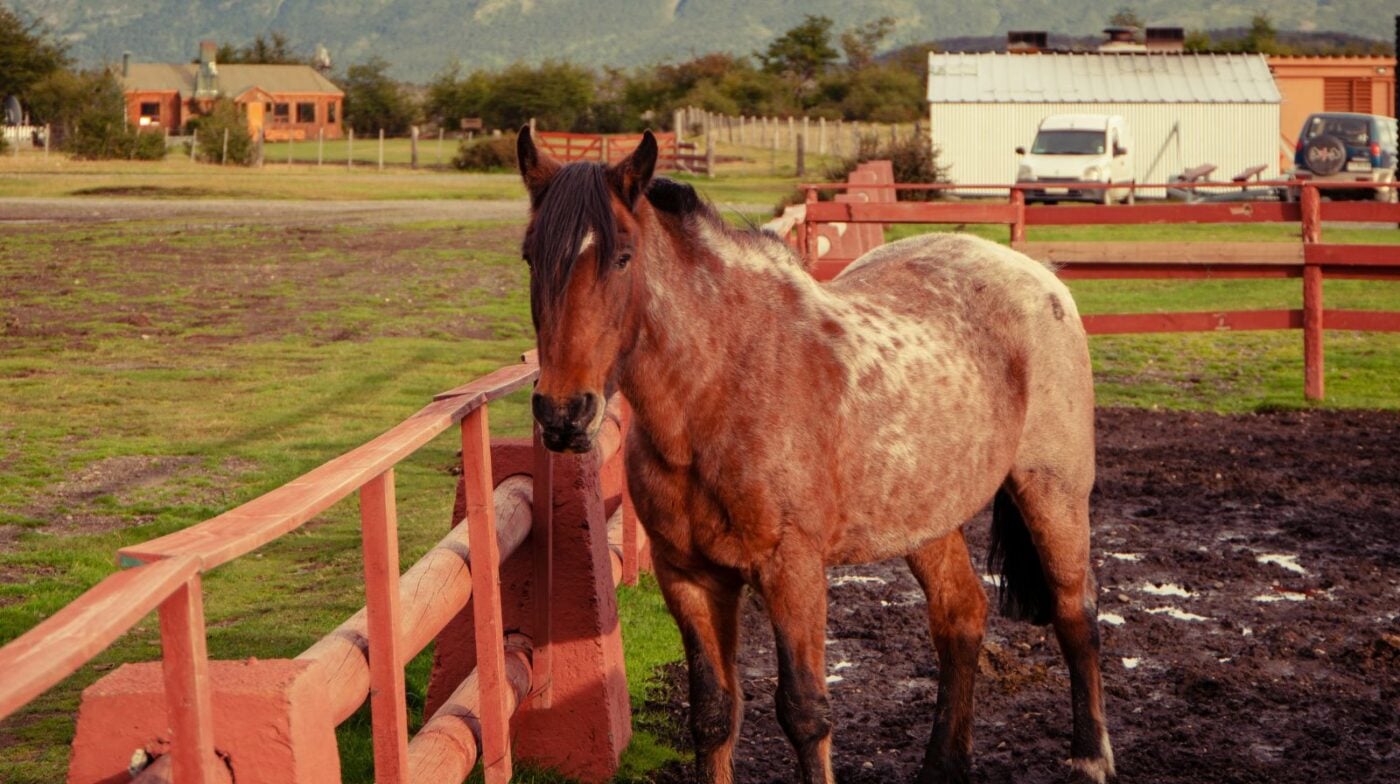
Pay attention when stomping patterns shift. A horse that suddenly starts stomping more at night, focuses on one leg, or shows increased intensity is telling you something changed. Early detection prevents bigger problems.
Keep brief notes on your horse’s normal behavior, including how much stomping you typically see during different seasons and times of day.
When something changes, you’ll recognize the deviation faster because you have a documented baseline. In the 2026 horse management world, having a simple log on your phone can save you days of “guessing” when a problem actually started.
Understanding the Difference: Stomping vs. Pawing vs. Head Bobbing
Stomping and pawing are distinct behaviors with different meanings. Stomping is a vertical motion—lifting the foot and bringing it straight down. Pawing involves a forward scraping motion, often dragging the toe through dirt or bedding.
Pawing signals frustration, anticipation, or pain but is generally more deliberate than stomping. Horses paw before feeding, when isolated, or when expressing digestive discomfort. If you notice pawing combined with other colic signs—looking at the flank, repeatedly lying down, or lack of gut sounds—contact your vet immediately.
Head bobbing often indicates lameness or dental issues. A horse bobbing its head while moving is typically compensating for leg or hoof pain.
For detailed breakdowns of these related behaviors, see our guides on why horses paw the ground and why horses bob their heads. Understanding all three behaviors helps you read your horse’s communication more accurately.
Frequently Asked Questions About Why Horses Stomp
Is stomping a sign of colic?
Stomping alone is rarely a primary colic sign. However, if accompanied by other indicators—repeatedly lying down and getting up, looking at the flank, lack of gut sounds, sweating, or refusing to eat—contact your veterinarian immediately. Colic-related stomping usually appears alongside pawing and restlessness.
How do I stop my horse from stomping at feeding time?
Feeding-time stomping is behavioral and stems from anticipation. Address it by feeding the horse first if possible, maintaining consistent feeding times, avoiding rewarding the behavior by feeding immediately after stomping starts, and redirecting with a distraction like a hay net during wait times. Consistency is key—if the horse learns stomping delays feeding, the behavior often diminishes over weeks.
Can stomping damage a horse’s hooves or legs?
Occasional normal stomping won’t cause damage. However, persistent, forceful stomping—especially on hard surfaces—can contribute to concussive stress and potentially worsen existing hoof or joint problems. If a horse is stomping excessively due to pain, addressing the underlying cause is essential to prevent secondary issues.
Why does my horse only stomp one hind leg?
Single hind-leg stomping often indicates localized irritation or pain. Common causes include mites (especially in horses with feathering), dermatitis, minor hoof discomfort, or early lameness. Examine the leg and hoof for heat, swelling, skin issues, or increased digital pulse. If the behavior persists or worsens, consult your veterinarian or farrier.

In this video, you can observe a draft horse with typical feather growth around the pasterns. While most of the footage shows normal activity, the final seconds demonstrate focused, repetitive stomping of the right hind leg—a classic indicator of mite irritation in horses with heavy feathering. Note how the stomping is distinct from casual weight shifting or fly swatting.
Practical Next Steps
If your horse is stomping excessively, work through the five steps above in order—observe, check, move, review, and call your farrier or vet if anything doesn’t add up. Don’t wait days hoping it resolves on its own; the horses I’ve caught early (Rusty, the filly with the stone bruise) came out fine because we acted within the first day or two, not after a week of watching and wondering.
Stomping is common—but when it’s focused or keeps happening, it’s your horse trying to tell you something. Act on it early, and you’ll prevent minor issues from becoming serious ones. Horses show discomfort in small ways first—catch those signals, and you’ll keep your horse sounder longer.
Medical Disclaimer: The information in this article is intended for educational purposes and does not replace professional veterinary care. Always consult a licensed veterinarian or farrier if your horse shows persistent pain, lameness, or other concerning symptoms. Early professional evaluation ensures accurate diagnosis and appropriate treatment.
About Miles Henry
Racehorse Owner & Author | 30+ Years in Thoroughbred Racing
Miles Henry (legal name: William Bradley) is a professional horseman based in Folsom, Louisiana. He holds Louisiana Racing License #67012 and has spent over three decades managing Thoroughbreds at premier tracks including Fair Grounds, Delta Downs, and Evangeline Downs.
Expertise & Hands-On Experience: Beyond the track, Miles has decades of experience in specialized equine care, covering everything from hoof health and nutrition to training protocols for Quarter Horses, Friesians, and Paints. Every guide on Horse Racing Sense is rooted in this “boots-on-the-ground” perspective.
30 of their last 90 starts
Equibase Profile.

Connect with Miles: