

Last updated: November 24, 2026
Any links on this page that lead to products on Amazon are affiliate links and I earn a commission if you make a purchase. Thanks in advance – I really appreciate it!
A horse that keeps pulling front shoes or comes in with nicks on the backs of his front heels is costing you farrier visits and sometimes missed rides or training days. Often the culprit is his own hind feet.
Here’s what bell boots protect, how to tell if your horse needs them, which type to buy, and how they should fit.
Table of Contents

What Do Bell Boots Do for Horses?
When a horse overreaches, the toe of a hind foot comes forward and strikes the back of the front foot on the same side. It can bruise or cut the heel bulbs or the coronary band, the band at the top of the hoof where the wall grows. If the hind toe catches the heel of a front shoe, it can pull the shoe off. Treating those cuts is its own topic, covered in overreach injuries in horses.
Bell boots put a layer of rubber or synthetic material over the heels and coronary band. The Horse sums up their job simply: they protect the horse’s heels and prevent injury or shoe-pulling. They’re usually worn on the front feet, where they protect against strikes from the hind feet.
Bell boots aren’t the same as brushing or splint boots. They protect the heel bulbs and coronary band at the bottom of the leg, not the tendons or cannon bone higher up. If your horse knocks his legs together, he needs a different boot, covered in equine leg boots.
Does Your Horse Need Bell Boots?
Bell boots are worth it when there’s a reason for them. Signs your horse may benefit from them include:
- He pulls front shoes, especially in turnout or fast work
- Nicks, scrapes, or scabs on the heel bulbs or coronary band
- Scuff marks on the back of bell boots he’s already wearing
Overreaching is more likely during fast work, jumping, or on deep or muddy footing. Young horses still developing coordination, and tired horses, can be more prone to it too. Conformation and hoof balance play a part as well. Dover Saddlery also recommends bell boots for horses wearing studs.
If your horse moves cleanly, keeps his shoes on, and doesn’t have another reason for protection, you can usually skip them. If he keeps catching his front heels, ask your farrier to look at his hoof balance and shoeing rather than relying on boots alone.
Why Racehorses Wear Bell Boots
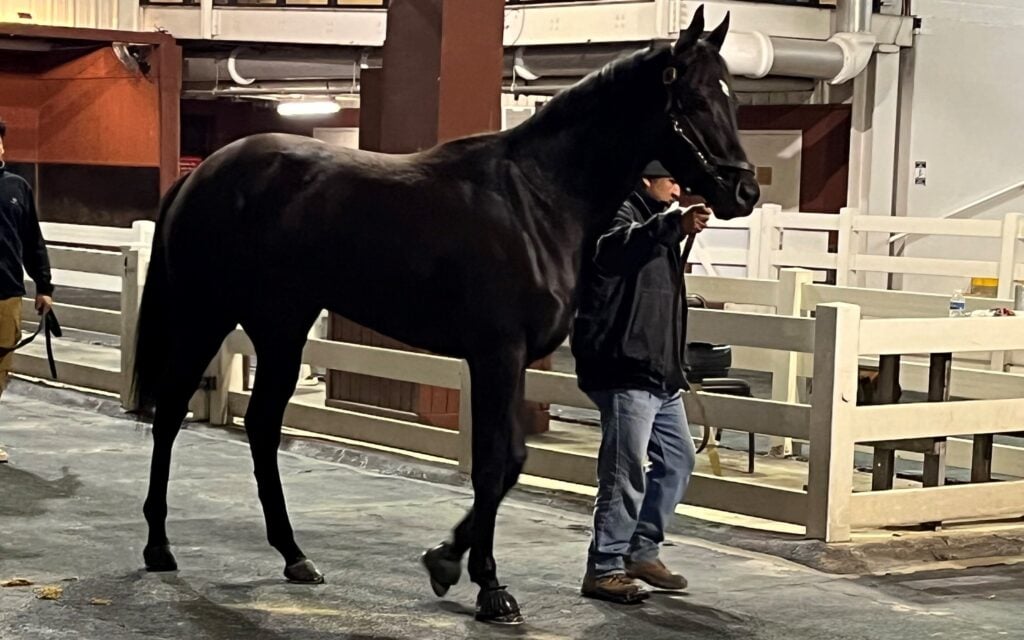
At the Fair Grounds, Delta Downs, and Churchill Downs, I regularly see horses racing in bell boots. Their main job is the same as it is in training or turnout: protecting the front heels and helping prevent pulled shoes.
At racing speed, a hind foot can catch the side or back of a front foot. The injury is known on the racetrack as a grabbed quarter, and the horse may also pull off a front racing plate. I see even more bell boots on sloppy or muddy days.
Types of Bell Boots
| Type | How it goes on | Best for | Watch for |
|---|---|---|---|
| Pull-on | Stretched over the hoof; no fastener | Turnout, mud, jumping; no closure to come undone | Hard to get on and off |
| Open (hook-and-loop) | Wraps around the pastern and fastens | Riding, quick on and off | Can come loose in mud; keep fasteners clean |
| No-turn | Pull-on or open, with a molded bump that sits in the heel | Keeping shaped protection positioned over the heels | Fit has to be right for the bump to sit correctly |
Ordinary round rubber bell boots can rotate without causing a problem. No-turn boots are designed to keep their protective panel positioned over the heels. How long hook-and-loop boots last depends on the horse and how hard they’re used.
Bell boots come in gum rubber, PVC, nylon, neoprene, and other materials. Rubber and PVC are easy to hose off. Neoprene-lined or fleece-trimmed boots are softer on a horse that rubs. Horse Journal found pull-ons the better choice for wet or muddy work, since hook-and-loop boots can come off.
How Bell Boots Should Fit
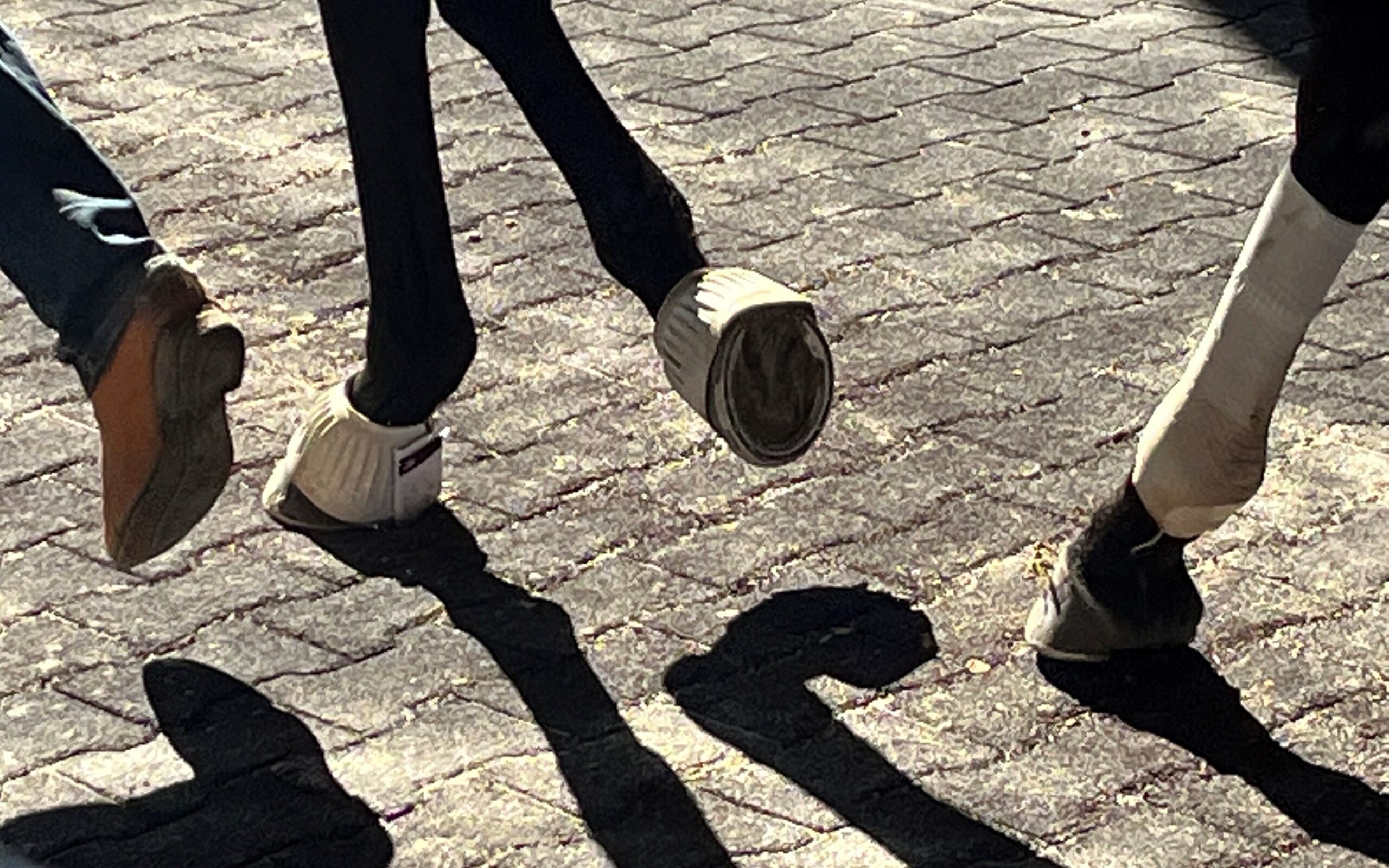
A bell boot should be long enough to cover the heel bulbs, but not so long that he steps on it. For a traditional bell boot, Dover Saddlery recommends:
- With the horse standing square, the bottom back rim should barely touch the ground
- You should be able to slide one or two fingers between the top of the boot and the pastern
- Too big, and he can step on it and stumble. Too small, and it rubs and leaves the heels uncovered
Check the maker’s fitting instructions too, especially for shaped no-turn boots, and use the brand’s size chart instead of assuming your horse wears the same size in every boot. Then walk him and check that the boots stay properly seated without rubbing. Round rubber boots can rotate, but a shaped no-turn boot should keep its protective panel over the heels. Check underneath the first few times you use a new pair.
To put on a pull-on boot, turn it inside out, pick up the foot, and stretch it over the hoof with the narrow end first, then flip it right side out. Stiff gum boots go on easier after a few minutes in warm water. Brush dirt off the hoof wall and pastern first so it doesn’t chafe under the boot.

Bell Boots for Turnout
Horses that pull shoes in turnout often wear bell boots outside. Pull-ons are the usual turnout choice, since there’s no tab to come undone or catch on anything.
Remove them regularly to check for rubs and let the skin and hair dry. Make sure the rim isn’t packed with mud or gravel, clean the inside and top rim regularly, and replace torn boots if the damaged edges could rub. In wet weather, keep up with hoof picking and give the feet a clean, dry place to stand.
Bell Boots I’d Consider
Here are a few options I’d compare, depending on the fit and style your horse needs.
1. Pull-On Rubber: Harrison Howard Rubber Pull-On Bell Boots
These are the pull-ons I use. They’re easy to clean and pretty durable, and with no fastener, there’s nothing to come loose or catch on a fence.

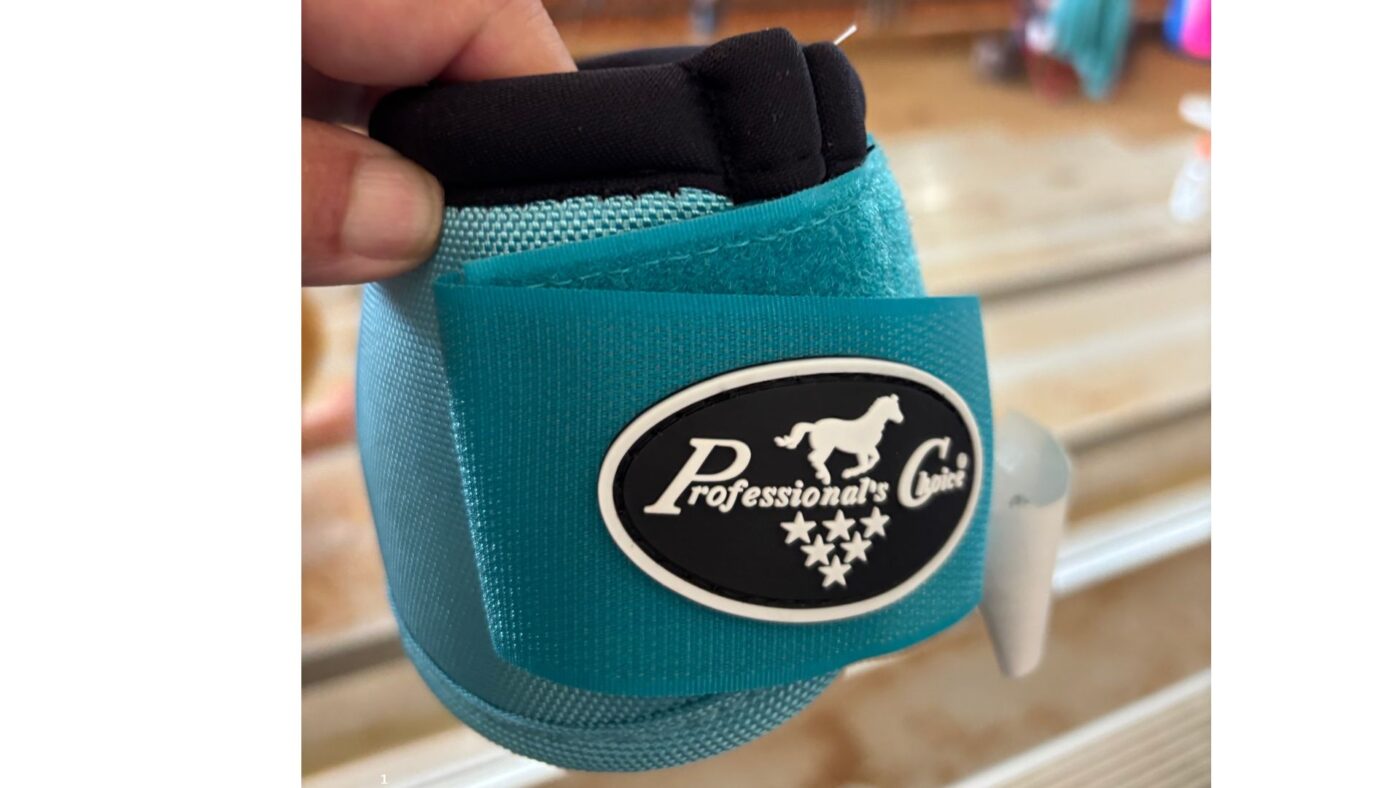
2. Hook-and-Loop No-Turn: Professional’s Choice Ballistic Overreach Bell Boots
A hook-and-loop boot with a no-turn knob to help keep the protective area over the heels. It’s quick to put on before a ride and take off afterward. Professional’s Choice hook-and-loop bell boots are what my family uses on their barrel and rope horses. Keep the closures clean, especially in mud.

3. Softer Material Option: Horze Neoprene Overreach Boots
A flexible option to compare if stiff rubber seems to irritate your horse. Check the fit and cleanliness first, since a softer boot can still rub. Moisture and dirt can get trapped underneath, so take them off after work rather than leaving them on for long turnout.

Bell Boot FAQs
Do bell boots go on the front or back feet?
Usually the front feet, because that’s where they protect against hind-hoof strikes. They’re sometimes used on the hind feet for a specific protection or shoe-loss problem, with advice from a farrier.
Can a horse wear bell boots all the time?
Some horses wear bell boots regularly for turnout or work, but they shouldn’t be left on without inspection. Remove them regularly to check for rubbing, dirt, and moisture, and make sure the skin underneath stays healthy.
Do bell boots stop a horse from pulling shoes?
They help. A boot over the heel of the shoe gives the hind toe less to catch. If a horse keeps pulling shoes even in bell boots, ask your farrier about his shoeing and balance.
Are bell boots the same as overreach boots?
Yes. In the UK, they’re commonly called overreach boots. Same boot, same job.
About Miles Henry
Racehorse Owner & Author | 30+ Years in Thoroughbred Racing
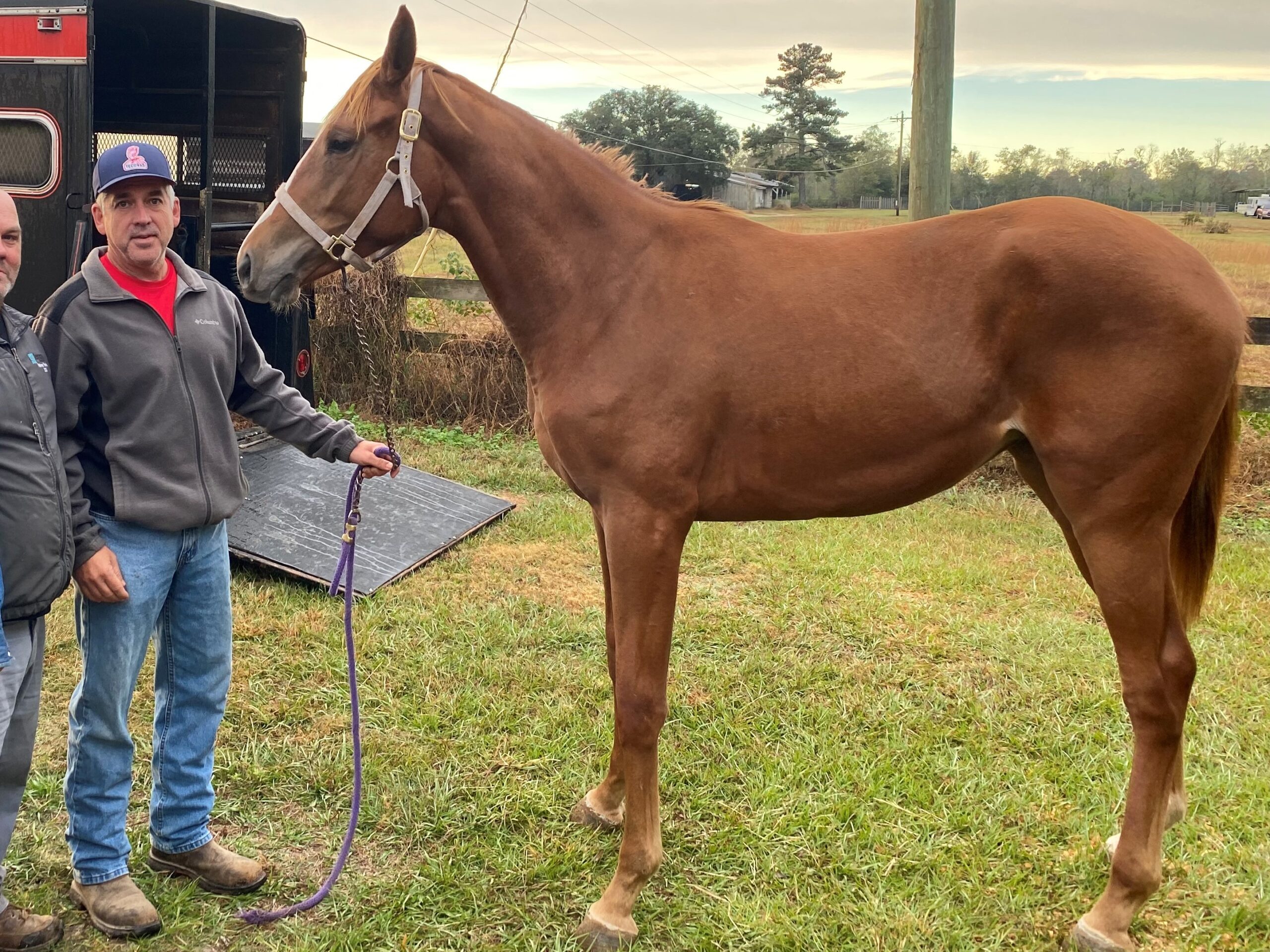
Miles Henry (legal name: William Bradley) is a professional horseman based in Folsom, Louisiana. He holds Louisiana Racing License #67012 and has spent over three decades managing Thoroughbreds at premier tracks including Fair Grounds, Delta Downs, and Evangeline Downs.
Expertise & Hands-On Experience: Beyond the track, Miles has decades of experience in specialized equine care, covering everything from hoof health and nutrition to training protocols for Quarter Horses, Friesians, and Paints. Every guide on Horse Racing Sense is rooted in this “boots-on-the-ground” perspective.
30 of their last 90 starts
Equibase Profile.

Connect with Miles: