
Last updated: August 30, 2026
Any links on this page that lead to products on Amazon are affiliate links and I earn a commission if you make a purchase. Thanks in advance – I really appreciate it!
You may be wondering whether your horse needs ice boots and, if so, how long to leave them on.
When do ice boots make sense? Use them for active heat or swelling after hard work, travel, or when you find a new area of concern—not as a substitute for checking the legs or diagnosing a problem. If your horse is lame, reluctant to bear weight, or has persistent heat or swelling, call your veterinarian.
How long should you leave ice boots on a horse? For routine post-work cooling or fresh lower-leg heat, 15–20 minutes is a common starting point. Remove the boots, dry and inspect the skin, and reassess the leg before repeating. For lameness, marked swelling, or a suspected tendon injury, follow your veterinarian’s specific instructions.
In this guide, I share the practical approach I use around performance horses, explain what research tells us about how well ice boots cool tendon tissue, when they actually help, and how to choose the type that makes the most sense for your barn.
Table of Contents
How Long Should You Leave Ice Boots On?
For routine post-work cooling or a newly warm leg, many horsemen use roughly 15–20 minutes per application. That is a reasonable starting point, not a hard ceiling every source agrees on. Veterinary guidance varies: some practices use 20-minute sessions with a 30-minute rest, while others describe 20–30 minute sessions with a longer interval between treatments.
For routine cooling, there is little reason to extend the session simply because the boot is handy. Remove it, let the leg rewarm, and inspect the skin before deciding whether another short session is appropriate. If you are managing a real injury, follow your veterinarian’s protocol rather than extending or repeating routine sessions on your own.
In our barn, a roughly 15-minute application followed by a skin and leg check has been a practical post-work routine. That is our barn practice for routine cooling, not a one-size-fits-all injury protocol.
When Should You Ice a Horse’s Legs?
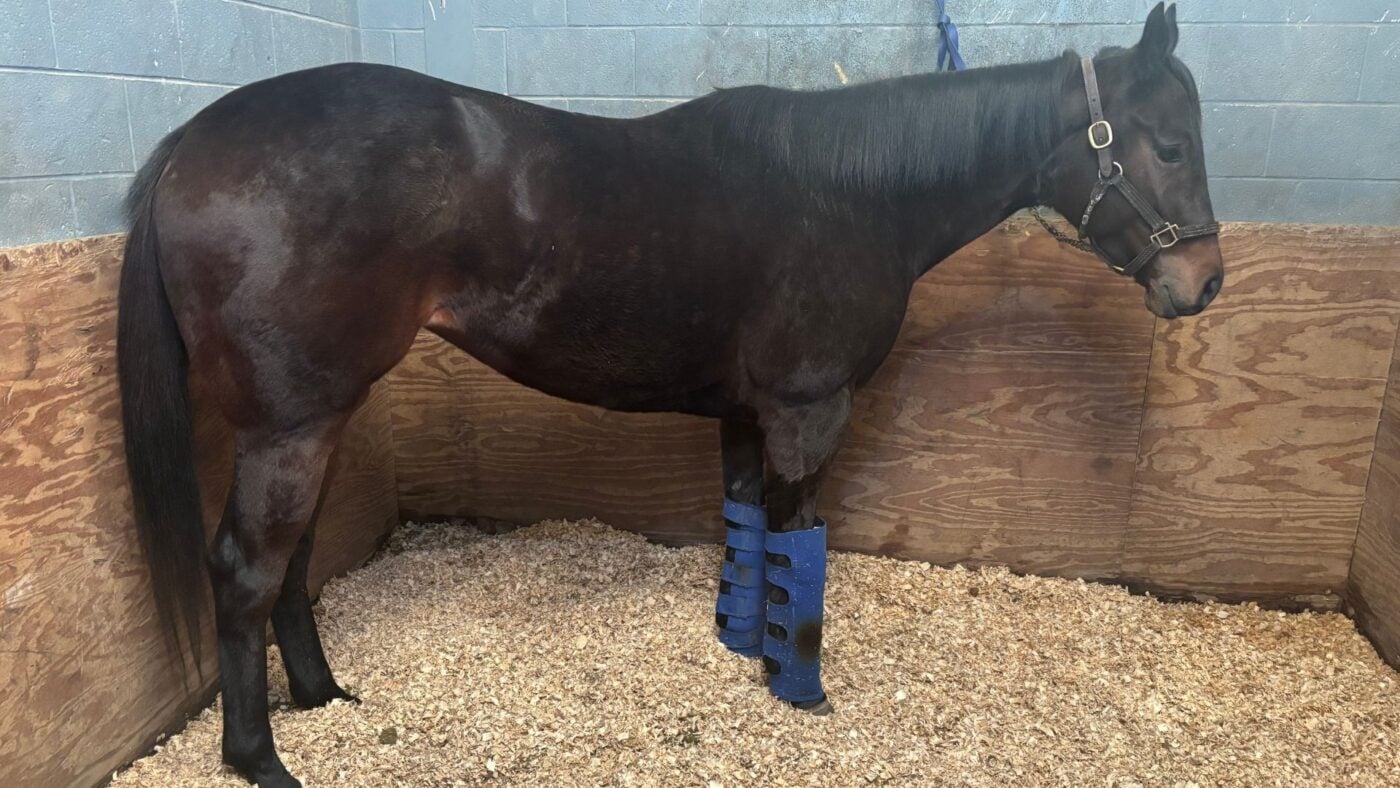
Ice therapy makes sense for active heat or swelling after hard work, travel, or a fresh injury concern – not as a routine maintenance habit and not as a substitute for actually checking the legs. Compare both legs before and after work, and contact your veterinarian about new heat, swelling, digital pulse changes, pain, or lameness rather than relying on icing alone to catch a developing problem.
| Situation | Sensible first step | Role of ice boots | Call your vet |
|---|---|---|---|
| Fresh lower-leg heat after hard work | Compare both legs, walk the horse, check for swelling or sensitivity | A short cooling session may be appropriate | If heat persists, swelling develops, or the horse is sore or lame |
| New tendon-region heat or swelling | Stop work and contact your veterinarian | May be used while awaiting advice if the horse tolerates it safely | Immediately – tendon injuries need diagnosis, often with ultrasound |
| Chronic, cool windpuffs | Monitor for a change from the horse’s baseline | Often limited benefit if there’s no fresh heat or soreness | If swelling suddenly changes, becomes warm, or lameness appears |
Laminitis is different – call your vet immediately. If you suspect acute laminitis, this isn’t a situation for a standard gel boot on your own. Effective laminitis cryotherapy generally means continuous cooling of the feet and lower limbs for an extended period under your veterinarian’s specific direction – not a short 15-to-20-minute session. A standard lower-leg ice boot may be useful only if it’s part of your vet’s plan; it shouldn’t be treated as a stand-alone laminitis treatment. If you want the full picture on prevention and early signs, see my laminitis prevention guide.
Stop icing and call your vet if you see:
- Swelling that doesn’t respond after 24 hours of therapy
- Heat that increases or persists despite regular icing
- Any lameness, even mild, that’s getting worse
- Skin irritation, unusual sensitivity, or discoloration under the boot
- The horse unwilling to bear weight on the affected leg
What Ice Boots Actually Do
Ice boots are reusable wraps that apply cold therapy to a horse’s lower leg with built-in gel packs or ice chambers. Most are designed to cover the cannon area, fetlock, and pastern—places horsemen watch closely for fresh heat or swelling after hard work. Compared with ice packs secured under standing wraps, they go on quickly, stay in place during the session, and give you more even coverage without the time and wrapping skill a DIY setup requires.
They lower the temperature of the tissue beneath the boot, which is why horsemen use them after strenuous work or when they find fresh heat and swelling. In a 2025 study of normal horses, both an ice boot and a compression-cooling system lowered core temperatures in the superficial and deep digital flexor tendons.
The compression system produced the larger average drop: about 10.8°C versus 7.5°C in the superficial tendon and 9.8°C versus 6.5°C in the deep tendon. That tells us an ice boot can cool more than the skin surface, but it does not mean a boot can diagnose or treat a tendon injury. A horse with new tendon heat, swelling, pain, or lameness needs a veterinary examination—often including ultrasound—to determine the injury and the right rehabilitation plan.
For a broader look at protecting and monitoring these structures through conditioning, footing, and daily care, see my horse tendon and ligament health guide.
How to Apply Ice Boots Correctly
Correct application is the difference between effective cold therapy and wasted time – or skin irritation from doing it wrong.
- Compare both legs: note heat, swelling, soreness, and gait before applying a boot.
- Clean the leg: remove dirt and dry the skin so grit doesn’t rub beneath the boot.
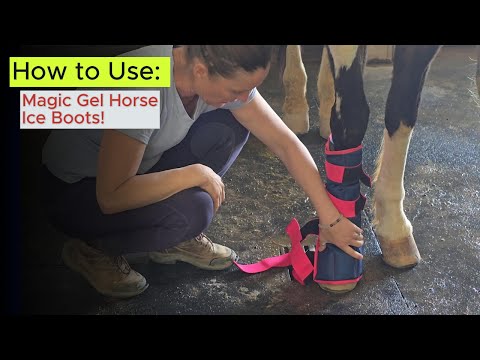
- Fit the boot per the manufacturer’s instructions: secure enough to stay in place, never tight enough to create pressure marks or restrict circulation.
- Start with a short session: appropriate to the product and your vet’s advice – 15 to 20 minutes is commonly used for routine cooling.
- Remove, dry, and inspect: take the boot off completely and check the skin for irritation, pressure marks, or unusual sensitivity.
- Reassess: a worsening leg, lameness, marked pain, or persistent heat needs veterinary guidance, not repeated home treatment.
A Horseman’s Take: The practical challenge in Gulf South heat is keeping the packs cold enough to be worth using. I keep more than one set of inserts frozen, because a gel pack that’s warmed up in the truck or on the wash rack may not deliver much cooling by the time it reaches the leg. Fast, repeatable application isn’t a substitute for a diagnosis, but it makes it easier to actually follow the plan your vet lays out instead of skipping a session because the boots weren’t ready.
What to Look For Before You Buy
- Gel vs. ice-and-water boots: gel boots are faster and cleaner; ice-and-water boots may cool more aggressively but require ice, water, drainage, and a horse that will stand safely.
- Coverage: a lower-leg model suits the cannon and tendon area; a specifically shaped model is needed for the knee, hock, or hoof.
- Fit: the boot needs to match your horse’s actual circumference and length, not just a generic “horse size” label.
- Frozen flexibility: a boot that goes stiff as a board when frozen is hard to place evenly on a sensitive leg.
- Closure quality: wide, durable straps matter more than decorative materials.
- Replacement inserts: a second set of frozen inserts is often more valuable in a working barn than a pricier first set.
- Cleaning and drying: dirt, wet neoprene, and worn-out Velcro shorten a boot’s useful life fast.
Ice Boots I Keep in the Barn
How I evaluated these: I personally use the Magic Gel boot below. For the other options, I compared the manufacturer’s stated dimensions, materials, coverage design, setup requirements, and current price. I have used similar gel-pack and fillable ice-boot styles over the years, and I have talked with other trainers about what holds up, fits well, and gets used when a horse comes back with fresh heat. I keep firsthand use separate from researched recommendations, and I do not treat an online listing as proof that a product will treat an injury.
If you only buy one set: start with a fast-application gel boot. When a horse comes back hot, a boot that’s on in three minutes beats a more elaborate one that takes fifteen.
Magic Gel Horse Ice Pack: Best for Everyday Barn Use

Best for frequent icing after routine work and trail use: gel packs stay flexible when frozen, four straps hold in place on a fidgety horse, and the whole boot goes on in under three minutes – the one I actually reach for most.
Personally Used / Everyday
16-inch gel coverage, flexible when frozen, four-strap secure fit. On in under three minutes – portable enough for an ice chest in the truck on trail or barrel days.
Check current price on Amazon Check Price on Amazon →
WORLD-BIO Horse Ice Boots: Best for Extended Lower-Leg Coverage

Best for full tendon coverage and multiple daily sessions: the two-sided sponge and nylon construction protects skin from direct cold contact, which matters when a vet has you icing several times a day.
Check current price on Amazon Check Price on Amazon →
NEWGO Horse Ice Pack: Best for Knee and Fetlock Coverage
Best for knee and fetlock joint coverage: the 3D contoured shape maintains contact at the curves where flat gel packs tend to lose coverage.

If you are comparing protective boots for turnout, trail riding, racing, or other disciplines—not cold-therapy boots—see my guide to choosing horse leg boots.

Ice Boots vs. Ice Packs
The most common question I get: “Can I just use ice packs and standing wraps instead?” Yes – if you know how to wrap correctly and have the time to do it right. For active tendon heat or post-race inflammation, dedicated ice boots are usually worth it for the time saved and reduced risk of a wrapping error.
| Factor | Dedicated Ice Boots | Ice Packs + Standing Wraps |
|---|---|---|
| Application time | 2-5 minutes, even on a fidgety horse | 10-15 minutes per leg if done correctly |
| Coverage consistency | Stays positioned across the tendon area | Shifts during treatment – uneven coverage is common |
| Error risk | Lower – straps are designed for correct pressure | Higher – too tight can restrict circulation, too loose and ice falls out |
| Cost | Reusable for multiple seasons | Cheaper upfront, ongoing ice cost |
| Best for | Fresh post-work heat, minor swelling, and veterinarian-directed cooling when quick, consistent application matters |
Common Mistakes
These mistakes are the ones that cause real problems:
- Icing without first checking the leg: Routine icing should not replace daily hands-on leg checks. Compare both legs before and after work so you notice fresh heat, swelling, tenderness, or a change from that horse’s normal baseline.
- Applying over a dirty or wet leg: grit becomes abrasive under a shifting boot, and cold therapy can irritate skin faster when the leg wasn’t clean and dry to start.
- Using gel packs that have warmed substantially: A pack that has already warmed before it reaches the leg will provide less cooling than a properly frozen insert. In hot weather, keep spare inserts frozen so you can swap in a genuinely cold set when needed.
- Continuing to ice when heat isn’t improving: a leg still hot after 48 hours of correct application needs veterinary evaluation, not more ice on your own.
- Boots that are too tight: A boot that pinches or shifts can leave pressure marks and make the horse uncomfortable. Follow the manufacturer’s fit instructions, and remove the boot if it rubs, bunches, or leaves abnormal marks.
Ice Boots For Horses: FAQs
How long should I leave ice boots on a horse?
For routine post-work cooling, 15 to 20 minutes is a common starting point. Remove the boots, dry and inspect the skin, and reassess before repeating. The right duration and repeat schedule depend on the problem, the type of boot, and your veterinarian’s guidance – especially for an actual injury rather than routine cooling.
When should I use ice boots on a horse’s legs?
For active heat or swelling after hard work, travel, or a fresh injury concern – not as routine maintenance on a sound horse with no detectable heat. Compare both legs and check for heat or swelling before deciding whether icing is actually indicated.
Can ice boots treat a bowed tendon?
No – ice boots can help manage heat and swelling as part of early care, but they don’t diagnose or treat the underlying tendon injury. A suspected bowed tendon needs veterinary evaluation and typically ultrasound to determine severity and the right rehab plan. See our full guide to tendon and ligament health for more.
Are ice boots better than ice packs and standing wraps?
For fresh post-work heat, minor swelling, or veterinarian-directed cooling, dedicated ice boots are often more convenient because they apply quickly and stay positioned without a standing wrap. For a suspected tendon injury, stop work and contact your veterinarian; the boot is not a diagnosis or a treatment plan.
Can ice boots irritate a horse’s skin?
Yes, if used incorrectly. Cold therapy can irritate or damage skin when a boot is too cold, left on too long for the product and situation, applied over wet skin, or strapped too tightly. Check the skin after every session and discontinue use if you see irritation, unusual sensitivity, or discoloration.
Are ice boots appropriate for laminitis?
Only as part of a veterinarian-directed plan, not as a stand-alone treatment. If you suspect acute laminitis, call your vet immediately – effective laminitis cryotherapy generally requires continuous cooling of the feet and lower limbs for an extended period, which is different from a short routine ice boot session.
Veterinary Sources and Further Reading
- McCarthy RD, et al. “In vivo effects of cold therapy and bandaging on core temperatures of equine superficial and deep digital flexor tendons.” Veterinary Surgery. 2025;54(3):470–477. doi:10.1111/vsu.14235.
- Haussler KK, et al. “Contrast therapy: Tissue heating and cooling properties within the equine distal limb.” Equine Veterinary Journal. 2021;53(1):149–156. doi:10.1111/evj.13278.

About Miles Henry
Racehorse Owner & Author | 30+ Years in Thoroughbred Racing
Miles Henry (legal name: William Bradley) is a professional horseman based in Folsom, Louisiana. He holds Louisiana Racing License #67012 and has spent over three decades managing Thoroughbreds at premier tracks including Fair Grounds, Delta Downs, and Evangeline Downs.
Expertise & Hands-On Experience: Beyond the track, Miles has decades of experience in specialized equine care, covering everything from hoof health and nutrition to training protocols for Quarter Horses, Friesians, and Paints. Every guide on Horse Racing Sense is rooted in this “boots-on-the-ground” perspective.
30 of their last 90 starts
Equibase Profile.

Connect with Miles: