Published on: May 20, 2026
Does Bermuda hay cause colic? I’ve fed horses in Louisiana for 30 years, and that question comes up a lot — from new owners, boarders, and horsemen who’ve heard conflicting opinions about coarse hay and impaction risk. The short answer is no: Bermuda hay does not automatically cause colic. But the quality of the hay, how it was cut, and how the horse drinks and digests it make all the difference.
Short answer: Bermuda hay does not directly cause colic on its own. The real risk comes from overly mature, lower-digestibility hay combined with poor water intake and reduced gut movement — not from Bermuda grass itself.
- Colic risk: Most concerns involve mature Coastal Bermuda hay, which can move more slowly through the digestive tract and increase impaction risk in some horses
- Hydration: Horses eating dry forage must have constant access to clean water — dehydration is one of the biggest contributors to impaction colic
- Hay quality: Harvest timing, digestibility, and leaf-to-stem ratio matter far more than the grass species alone
- Management: Feeding consistent forage meals and encouraging water intake helps reduce digestive stress
- High-risk horses: Older horses, poor drinkers, horses with dental problems, and horses with a history of impaction need closer forage management
Bermuda hay has a reputation problem in some barns, mostly because owners have seen a horse colic while being fed it. That correlation gets repeated until it becomes conventional wisdom. But colic is complex, and blaming a single hay type usually oversimplifies what actually happened.
About this guide: Written by Miles Henry, Louisiana racing license #67012, with 30 years of experience managing Thoroughbreds and Quarter Horses at Fair Grounds, Evangeline Downs, and private facilities. Sources include peer-reviewed equine nutrition research and firsthand feeding management experience across multiple Louisiana operations.
Table of Contents
What Colic Actually Is
Colic is not a single disease. It is a broad term for abdominal pain in horses, and it can stem from many different causes — gas buildup, intestinal impaction, displacement, or simple digestive discomfort. Because the term covers so many conditions, it is easy to point at the last thing a horse ate and assume it was the culprit. That logic oversimplifies a complicated digestive system.
Horses are hindgut fermenters with a digestive tract that runs nearly 100 feet long. Digestion is a slow, complex process that is sensitive to changes in feed, water intake, exercise, and environment. Any disruption along that process can cause pain. That means a horse can colic from a sudden diet change, cold water refusal, reduced exercise, stress, or a blockage caused by poorly chewed, dry forage — regardless of what that forage is.
Why Bermuda Hay Gets the Blame
The colic concern around Bermuda hay is most often tied to Coastal Bermuda hay — a variety widely grown across the Southeast and Gulf Coast. When Coastal Bermuda is cut late, the stems become coarse, fibrous, and more difficult for horses to chew and digest thoroughly. That undigested fiber can accumulate in the large colon and create an impaction, especially in horses that are not drinking enough water.
The issue is not the grass variety itself. It is the combination of overly mature hay, insufficient chewing, and low water intake. A 2019 University of Florida study found that mature Coastal Bermudagrass hay had a significantly longer mean retention time in horses (31.3 hours) and lower dry matter digestibility than alfalfa or orchardgrass, factors that may increase impaction risk in some horses. The researchers noted that advanced maturity and the hay’s fine texture likely contributed to slower passage through the digestive tract. That distinction matters because it means the risk is manageable, not unavoidable.
Important distinction: Most colic cases linked to Bermuda hay involve late-cut, overly stemmy hay — not young, leafy, well-cured Bermuda hay. The two can look very different in a bale. Always check stem length and leaf content before feeding.
Can Horses Eat Bermuda Hay Safely?
Yes — most horses can eat good-quality Bermuda hay safely when it is leafy, properly cured, and paired with consistent water intake. Problems are more likely with overly mature, coarse hay fed to horses that drink poorly, have dental issues, or have a history of impaction colic.
In my experience, Bermuda hay itself is usually not the issue — its quality and how it’s managed are. A soft, clean bale of early-cut Bermuda hay can be an excellent forage choice for many horses, while a stemmy, overmature bale can create problems in the wrong horse. As with most feeding decisions, the horse, the hay, and the overall management all matter.
Hay Maturity and Stem Length Matter Most
The stage of growth at harvest is the single biggest factor in Bermuda hay digestibility. Younger Bermuda hay — cut before it matures fully — is leafier, softer, lower in neutral detergent fiber (NDF), and much easier for a horse to chew and pass through the gut. Overmature Bermuda hay has more lignified stem tissue, higher NDF, and less digestible energy. Horses eating coarser hay also tend to drink slightly less, compounding the risk.
| Factor | Young / Early-Cut Bermuda | Overmature / Late-Cut Bermuda |
|---|---|---|
| Stem texture | Soft, flexible | Coarse, woody, stiff |
| Leaf-to-stem ratio | High — mostly leaf | Low — mostly stem |
| Digestibility | High | Reduced |
| NDF (fiber) | Lower | Higher |
| Colic risk | Low with adequate water | Elevated, especially with low water intake |
| Best for | Most horses, including seniors | Not recommended for impaction-prone horses |
When buying Bermuda hay, open a bale and look closely. Good-quality Bermuda hay should feel soft, smell clean, and have visible leaf content. Avoid bales that are gray, dusty, or mostly stem. If you can hear it crunch loudly when you pull a flake apart, it is too coarse for horses prone to digestive issues.
Hydration Is the Real Variable
Water intake is the most overlooked factor in colic prevention. A horse eating dry hay needs between 8 and 12 gallons of water per day under normal conditions — more in heat or during heavy work. When a horse does not drink enough, the digesta moving through the large colon slows and thickens. That is the setup for impaction colic, regardless of what the horse is eating.
Horses on Bermuda hay — or any dry forage — should always have free-choice access to fresh, clean water. In hot Louisiana summers, I check water buckets and troughs twice a day. Some horses drink less from automatic waterers because they can not see or smell the water as clearly. Offering a salt block and soaking hay occasionally during dry, hot weather can also encourage water intake and keep the gut moving.
Signs of Impaction Colic From Dry Hay
Watch for these warning signs: If a horse on Bermuda hay shows any of the following, contact your vet immediately.
- Pawing, looking at flanks, or repeated lying down
- Reduced or absent gut sounds on one or both sides
- No manure passed in 12+ hours
- Elevated heart rate or signs of distress
- Refusing water or grain when normally eager to eat
When Bermuda Hay Is a Good Choice
Good-quality Bermuda hay is one of the most widely available and cost-effective forages in the South. For most healthy horses with normal water intake, leafy early-cut Bermuda hay is a perfectly sound feed. It is lower in calories than alfalfa, which makes it useful for easy keepers, horses in light work, and broodmares not in peak lactation. Many racehorses at Louisiana tracks eat Bermuda hay without any issue throughout the season.
The horses that need closer attention on Bermuda hay are those with a history of impaction, older horses with dental issues that affect chewing, horses in hot weather who drink inconsistently, and any horse coming off stall rest with reduced gut motility. For those animals, I either select the softest, leafiest bales available or supplement with alfalfa to add moisture and palatability.
Miles’s Take: I’ve fed Bermuda hay to Thoroughbreds and Quarter Horses for decades without chronic colic problems. The difference is always in the bale quality and water management. A leafy, properly cured bale of Bermuda hay with good water access is not a colic risk. A coarse, stemmy bale fed to a horse that barely drinks — that is a problem waiting to happen. Buy better hay, watch your water, and Bermuda hay is as safe as any forage you can feed in the South.

FAQs: Does Bermuda Hay Cause Colic?
Does Bermuda hay cause colic in horses?
Bermuda hay does not cause colic on its own. The risk is associated with overly mature, stemmy hay combined with low water intake, not Bermuda grass as a species. Good-quality, early-cut Bermuda hay is safe for most horses.
What type of Bermuda hay is most likely to cause colic?
Late-cut, coarse Coastal Bermuda hay with a high stem-to-leaf ratio carries the highest risk. Its stiff, lignified stems are harder to chew and digest, and they may increase the risk of impaction colic, especially in horses with low water intake.
How can I reduce colic risk when feeding Bermuda hay?
Choose leafy, early-cut bales with soft texture. Always provide free-choice fresh water. Offer a salt block to encourage drinking. Feed smaller amounts more frequently rather than one large daily portion. Monitor high-risk horses — older horses, poor drinkers, and those with impaction history — more closely.
Is Bermuda hay or alfalfa better for preventing colic?
Neither is universally better. Alfalfa has higher moisture content and palatability, which can support water intake. However, it is also higher in calories and protein, making it unsuitable for all horses. For most horses, good-quality Bermuda hay with consistent water access is adequate and cost-effective.
What are the signs of impaction colic in horses?
Signs include pawing, looking at flanks, lying down and getting up repeatedly, reduced or absent gut sounds, no manure production over 12 or more hours, refusal to eat, and elevated heart rate. Contact a veterinarian immediately if you observe these signs.
Key Takeaways: Does Bermuda Hay Cause Colic?
- Bermuda hay does not cause colic on its own — the risk is overly mature, stemmy hay combined with low water intake, not the grass species itself
- Hay maturity is the biggest variable — young, leafy, early-cut Bermuda is digestible and safe for most horses; late-cut, coarse hay is where risk increases
- Water intake matters more than hay species — horses eating dry forage need 8–12 gallons daily; dehydration slows gut motility and is the primary driver of impaction colic
- UF research confirms the mechanism — mature Coastal Bermudagrass had 31.3-hour mean retention time and lower digestibility than alfalfa; real but manageable
- High-risk horses need closer management — older horses, poor drinkers, dental problems, or impaction history warrant softest available Bermuda or a mixed alfalfa ration
- Bale inspection is your primary tool — good Bermuda hay feels soft, smells clean, and has visible leaf content; avoid gray, dusty, or mostly-stem bales
- Call your vet at the first sign of colic — pawing, flank-watching, reduced gut sounds, or no manure in 12+ hours requires immediate contact regardless of what the horse has been eating
About Miles Henry
Racehorse Owner & Author | 30+ Years in Thoroughbred Racing
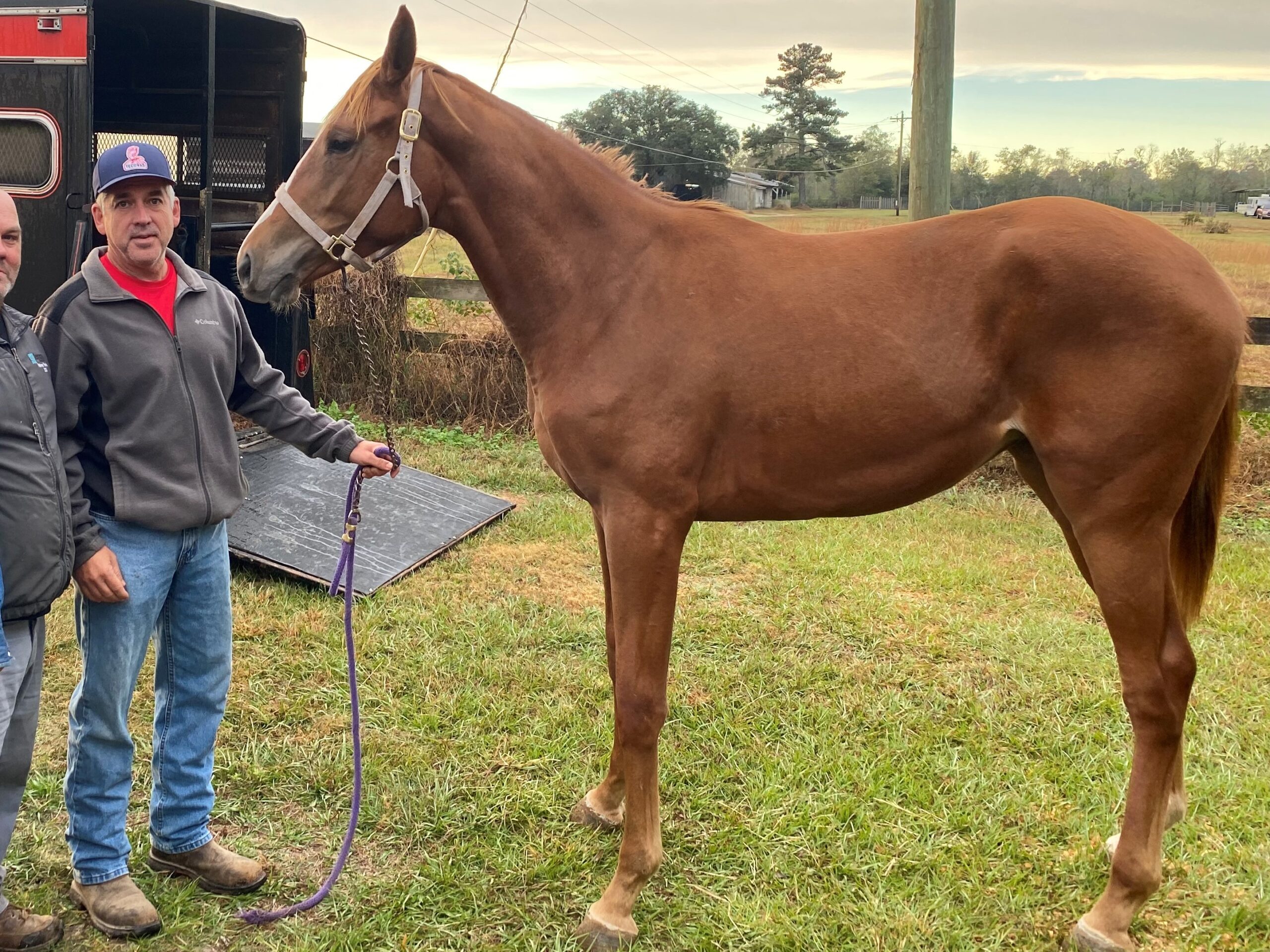
Miles Henry (legal name: William Bradley) is a professional horseman based in Folsom, Louisiana. He holds Louisiana Racing License #67012 and has spent over three decades managing Thoroughbreds at premier tracks including Fair Grounds, Delta Downs, and Evangeline Downs.
Expertise & Hands-On Experience: Beyond the track, Miles has decades of experience in specialized equine care, covering everything from hoof health and nutrition to training protocols for Quarter Horses, Friesians, and Paints. Every guide on Horse Racing Sense is rooted in this “boots-on-the-ground” perspective.
30 of their last 90 starts
Equibase Profile.

Connect with Miles: