
Last updated: January 1, 2026
Disclaimer: This guide reflects my 30+ years of experience managing horses in Louisiana. It is intended for educational purposes and is not a replacement for professional veterinary or structural engineering advice.
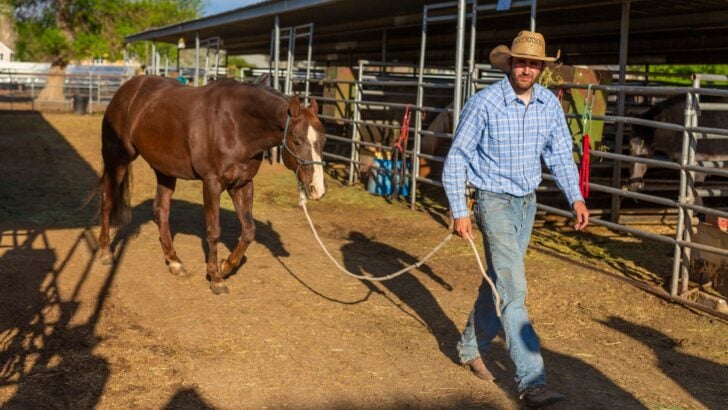
I’ve been around horses for most of my life, raised with Quarter Horses before transitioning to Thoroughbred racehorses. Over the years, I’ve seen million-dollar barns that were respiratory nightmares, and simple, open-air sheds that produced healthy, relaxed horses. You can read more about my background here.
Creating a safe horse environment isn’t about brass stall fittings. It is about risk management, biological needs, and logical workflow. This guide is a practical blueprint for private owners and small barn managers to keep their horses safe, sound, and sane.

Creating a Safe and Comfortable Horse Environment: The Three Pillars
Before buying a single board or bucket, you need a framework. When I assess a facility, I focus on three specific pillars. If a decision compromises one, it’s a no-go for me.
🏗️ My Management Framework
- 1. Safety (Injury Prevention): Can a horse get cast, cut, trapped, or electrocuted? If the answer is “maybe,” fix it immediately.
- 2. Comfort (Physiological Health): Does the environment support respiratory health (air), digestive health (forage/water), and mental health (socialization)?
- 3. Manageability (The Human Factor): Is the layout logical? If chores are cumbersome, corners get cut. A safe barn is an efficient barn.
1. The Barn: Air, Traffic, and Stalls
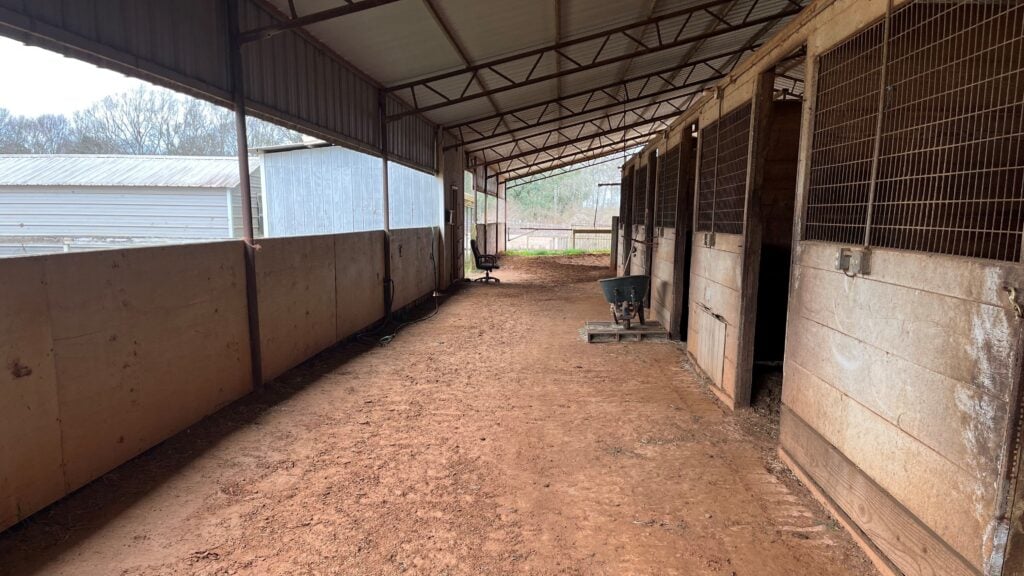
Your barn should protect horses from environmental extremes without sealing them off from nature. In Louisiana, heat and humidity are the main challenges, but maintaining good air quality matters everywhere.
Ventilation: If You Smell It, It’s Too Late
If you walk into your barn and smell ammonia, levels are already unsafe for your horse’s sensitive lungs. Ammonia and dust damage the tiny hairs (cilia) in the respiratory tract that filter debris and bacteria, increasing the risk of chronic respiratory issues. For a deeper look at airflow strategies, see Horse Barn Design for Air Quality.
Key Requirements for Healthy Airflow:
- High Ceilings & Open Eaves: Heat and moisture must rise and escape. I keep eaves open year-round to prevent dead air from settling at stall level.
- Industrial Fans: In humid climates, fans are essential. Use sealed-motor “basket” fans. Avoid cheap box fans, which collect dust in motors and increase fire risk.
Stall Dimensions and Socialization
For adult Thoroughbreds or large warmbloods, a 12′ x 12′ stall is the minimum. Larger stalls reduce the risk of a horse getting “cast” against a wall.
Partition Guidelines:
- Bottom: Solid wood for safety.
- Top: Bars or mesh to allow visual contact. Horses are herd animals; seeing neighbors lowers stress and reduces vices like weaving or stall walking.
Safe Handling and Traffic Flow
Most barn accidents involve humans as much as horses. A thoughtfully designed layout can prevent injuries.
Safety Guidelines:
- Aisle Width: Minimum 12 feet. If a horse spooks, you need space to move safely.
- Leading Protocol: Never lead a horse through a half-open door. Always open fully and latch back. Hips and shoulders can easily collide with door frames.
- The Tie Rule: Never hard-tie a horse to a solid object. Use breakaway loops or blocker tie rings. In case of accidents, ensure your Horse First Aid Kit Essentials is stocked and accessible.
Planning your barn layout carefully can save time, reduce stress, and improve safety. For examples, see Best Horse Barn Designs for Small Farms.
2. Pasture and Turnout: Managing the Herd Safely
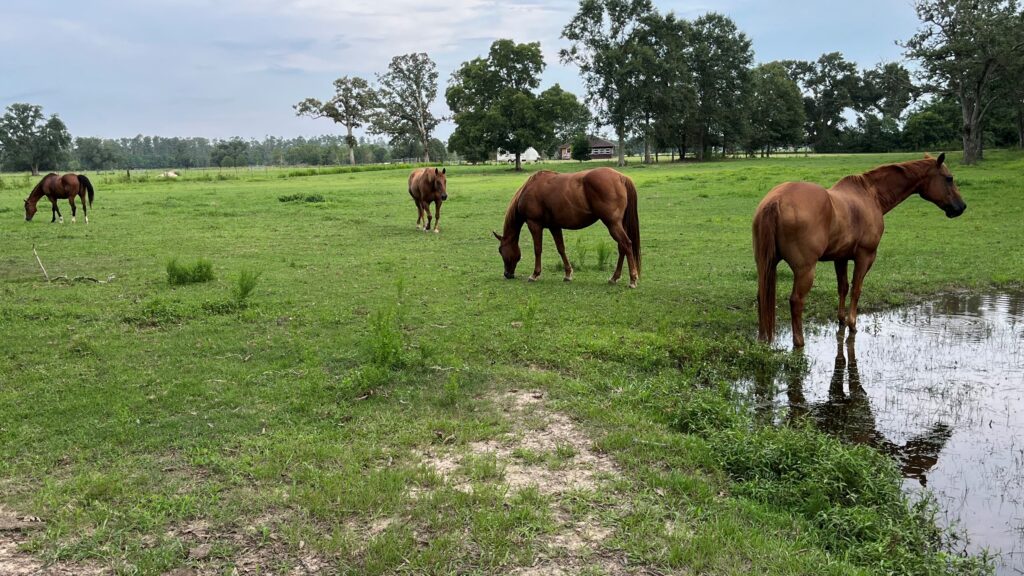
Horses thrive on movement, but turnout carries risk. Good pasture management balances safety, nutrition, and mental well-being.

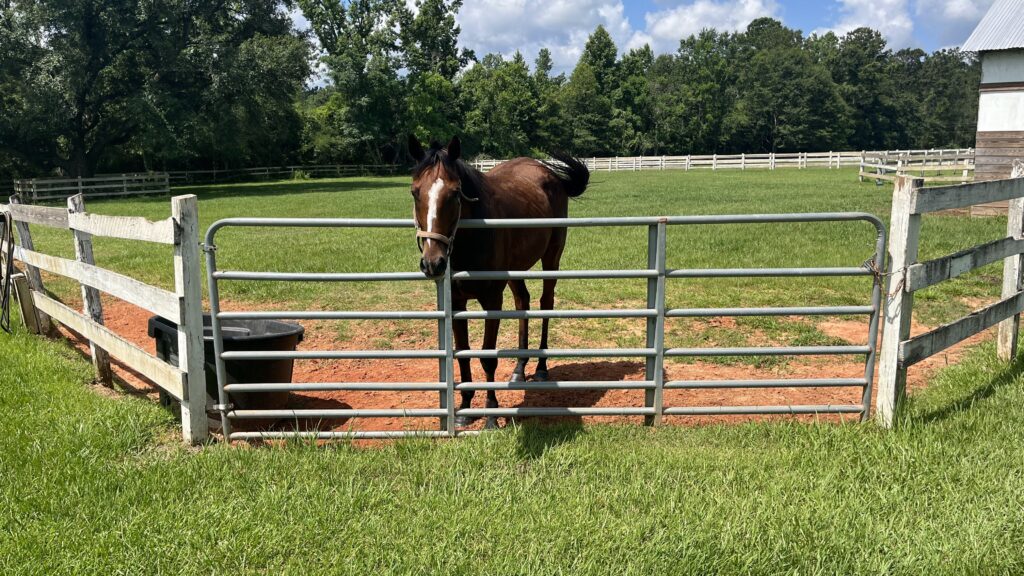
Fencing: The “Bounce” Rule
My rule: If a horse hits the fence, the fence should give, or the horse should bounce off.
- The Best: Diamond Mesh (V-Mesh) or “No-Climb” woven wire with a top board. Prevents hoof entrapment.
- The Worst: Welded wire. Early in my career, a mare kicked through a panel, cutting her pastern. The vet bill and six-month rehab convinced me: good fencing is cheaper than a vet bill.
Mud and Pasture Management
Standing in mud breeds thrush and “scratches.” Use crushed limestone in high-traffic “sacrifice lots” near gates or water troughs. Rotate pastures if possible, even on small hobby farms: alternate grazing areas to prevent overgrowth and nutrient overload.
Rich spring grass is a laminitis and colic risk. I use dry lots or grazing muzzles to allow safe movement without metabolic overload.
Introducing New Horses
Never throw a new horse into an established herd. I use a “fence line protocol”: separate paddocks for 48 hours, observe interactions, then integrate slowly in a larger turnout with multiple hay piles.
3. Nutrition and Mental Welfare
A bored horse is a stressed horse, and stress often manifests in the gut. Mental enrichment supports comfort as much as forage.
Forage-to-Body-Weight Ratio
The primary component of a horse’s diet is forage, like grass and hay. Feed roughly 1.5–2% of body weight in forage daily. If stalled, use slow-feed hay nets. This takes them 2–3 hours to finish a meal, mimicking grazing and buffering stomach acid.
Water Access
Horses drink 10–12 gallons per day. I prefer buckets over automatic waterers to monitor intake. A horse that hasn’t touched water by morning is often my first warning of impending colic.

Mental Enrichment
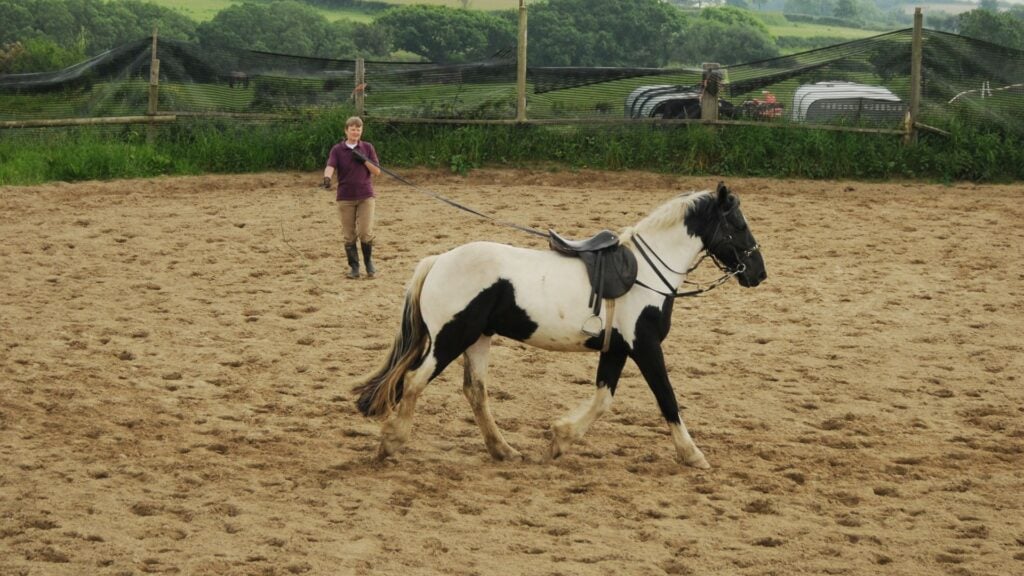
Horses benefit from seeing neighbors, having a safe toy in the stall, or occasional low-key ground work—small touches that prevent boredom and improve overall comfort. If you can’t afford more than one horse, consider other animals for companionship
For more on diet balance, see my Horse Nutrition and Feeding Guide.
✅ Non-Negotiables
- Woven Wire Fencing: One vet bill costs more than the fence.
- Ventilation: Never stall a horse in a “dead air” space.
- Routine: Feed and turnout must be consistent to reduce stress.
⚠️ Compromises
- Barn Aesthetics: Peeling paint doesn’t hurt a horse; nails do.
- Automation: Good daily observation beats fancy gadgets.
- Tack Room Luxury: Invest in stalls and pastures first.
📋 10-Minute Daily Eyes-On Checklist
- Scrub/refill buckets (check algae/dirt).
- Inspect stall walls for cast marks.
- Check manure output (quantity & consistency).
- Quick leg check for heat or swelling.
- Scan fences for fallen limbs or loose boards.
- Check stall and gate latches.
- Bank bedding to prevent casting.
- Ensure horse is interested in feed.
4. 72-Hour Storm Workflow for Safe Horse Management
Hurricane prep is a reality in Louisiana. Use this countdown checklist:
- 72 Hours Out: Secure loose items (jumps, chairs, trash cans). Check generator fuel.
- 48 Hours Out: Fill extra water troughs. Ensure 3 days of water per horse.
- 24 Hours Out: Prep halters with ID tags; mark phone numbers on hooves or use braid-in tags.
- Storm Start: If barn isn’t wind-rated, turn horses out to a safe, open area away from trees and power lines.
Below is a short, practical video showing simple ways to improve horse safety around your barn and turnout areas — the same principles I cover in this guide.
Frequently Asked Questions About Safe Horse Environment
Is a 10×10 stall big enough?
Only for ponies. Most adult horses, especially Thoroughbreds or warmbloods, need 12×12 stalls to lie down safely and avoid getting cast against walls. Smaller stalls can increase stress, risk of injury, and behavioral vices.
How do I handle turnout without enough grass?
Use a dry lot to allow safe movement and socialization. Supplement with high-quality hay, and rotate pastures if possible to prevent overgrazing and nutrient overload. Provide access to safe toys or companions to reduce boredom.
Should I use automatic waterers?
Automatic waterers save labor but hide important intake information. Check daily for cleanliness and function, and test for stray voltage annually. Monitoring water intake is one of the best early indicators of colic or dehydration.
How should I introduce a new horse to an existing herd?
Use a fence-line protocol: separate paddocks for at least 48 hours, observe interactions, then gradually integrate in a larger turnout with multiple hay piles. Avoid introducing a horse directly into the herd, which can lead to injuries and stress.
What are the warning signs of poor barn air quality?
If you smell ammonia or dust, air quality is already harmful. Horses may show coughing, nasal discharge, or labored breathing. Ensure high ceilings, open eaves, and adequate ventilation to protect respiratory health.
How often should I check my horse’s water and feed?
Twice daily: morning and evening. Check water buckets or troughs, ensure feed is consumed, inspect stalls, and monitor manure consistency. Consistent routine reduces stress and prevents colic or digestive issues.
How can I prevent injuries during turnout?
Follow the “bounce rule” for fencing: if a horse hits the fence, it should give, or the horse should bounce off. Use woven wire or diamond mesh fences with a top board, and regularly inspect pastures for holes, debris, or unsafe conditions.
Final Thoughts
A safe and comfortable horse environment is maintained daily. Fix hazards immediately, follow routines consistently, and prioritize air, movement, and forage. With these basics, your horses won’t just be safe—they’ll thrive.

About Miles Henry
Racehorse Owner & Author | 30+ Years in Thoroughbred Racing
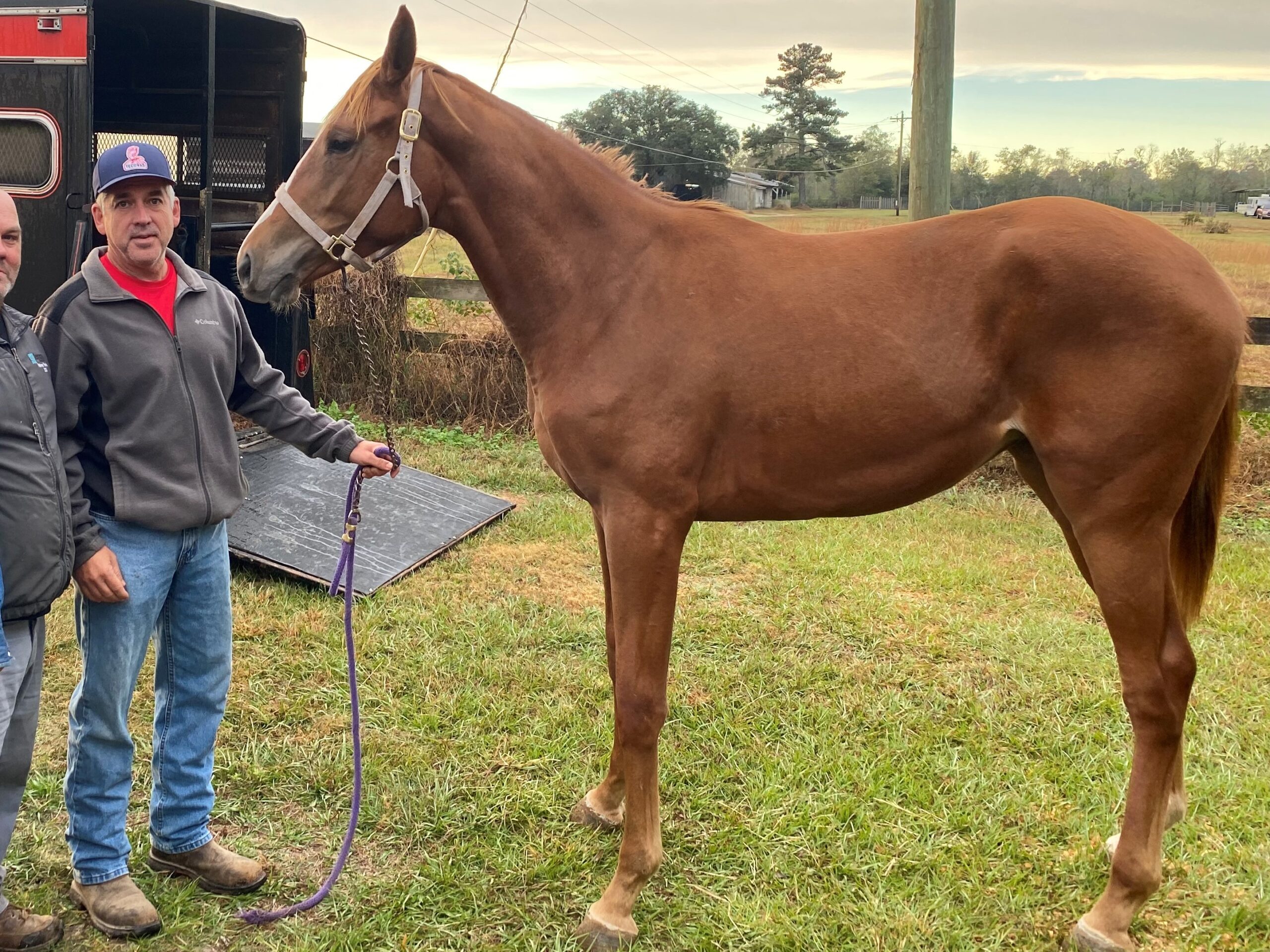
Miles Henry (legal name: William Bradley) is a professional horseman based in Folsom, Louisiana. He holds Louisiana Racing License #67012 and has spent over three decades managing Thoroughbreds at premier tracks including Fair Grounds, Delta Downs, and Evangeline Downs.
Expertise & Hands-On Experience: Beyond the track, Miles has decades of experience in specialized equine care, covering everything from hoof health and nutrition to training protocols for Quarter Horses, Friesians, and Paints. Every guide on Horse Racing Sense is rooted in this “boots-on-the-ground” perspective.
30 of their last 90 starts
Equibase Profile.

Connect with Miles: