

Last updated: February 4, 2026
Any links on this page that lead to products on Amazon are affiliate links and I earn a commission if you make a purchase. Thanks in advance – I really appreciate it!
For more than 30 years, I’ve managed horses both ways—barefoot Quarter Horses working cattle on my grandfather’s Louisiana ranch and shod Thoroughbred racehorses competing at Fair Grounds. The choice between barefoot and shod isn’t about which is “better”; it’s about what actually works for your individual horse.
I’m Miles Henry (William Bradley, Louisiana Racing Commission License #67012). After three decades racing and caring for horses at Fair Grounds, Louisiana Downs, Delta Downs, and Evangeline Downs, I’ve learned this: horses doing light work on soft footing often thrive barefoot, while horses in intensive disciplines or on abrasive surfaces usually need shoes to stay sound and perform safely.
Most “barefoot vs. shod” articles are written by advocates pushing one approach. I actively manage horses both ways—my racehorses wear shoes because performance demands it, while several of my retired and pleasure horses thrive barefoot. You’ll get an honest assessment of when each approach works based on 30+ years of real outcomes, not ideology.
This article gives you a practical decision framework grounded in what actually works. I’ll show you when barefoot makes sense, when shoes are necessary, and how to evaluate your specific situation honestly.

Table of Contents
Quick Decision Framework: Is Your Horse a Barefoot or Shod Candidate?
Start here. Answer these questions honestly about your horse:
Your Horse Likely Thrives Barefoot If:
- ✓ Works primarily on soft surfaces (pasture, arena sand, soft trails)
- ✓ Light to moderate work schedule (trail riding, pleasure, light arena work)
- ✓ Naturally strong hooves with thick soles and solid walls
- ✓ No current lameness or corrective needs
- ✓ You have time and budget for proper transition (3-12 months)
- ✓ Access to experienced barefoot trimmer
- ✓ Willing to invest in hoof boots for challenging terrain
Your Horse Likely Needs Shoes If:
- ✓ Works on abrasive surfaces (pavement, gravel roads, rocky trails)
- ✓ Intensive training or competition schedule
- ✓ Performance disciplines requiring traction (eventing, jumping, reining, racing)
- ✓ Thin soles, weak hoof walls, or chronic hoof problems
- ✓ Requires corrective support for lameness or conformational issues
- ✓ Lives in extremely wet conditions causing chronic hoof softening
- ✓ Needs immediate performance without 6-12 month transition period
Still unsure? Keep reading for the detailed comparison and specific discipline recommendations.
The Complete Comparison: Barefoot vs Shod

Here’s everything that matters, organized by what actually affects your horse’s performance and soundness. These findings are based on 30+ years managing both barefoot and shod horses, supported by peer-reviewed research where available:
Barefoot vs. Shod Horses: The Full Comparison
| FACTOR | BAREFOOT MANAGEMENT | SHOD MANAGEMENT | BEST FIT WHEN… |
|---|---|---|---|
| Cost (Annual) | $400–$1,200* (Trims: $50–$150 every 4–6 wks) |
$800–$2,400+* (Shoes: $100–$300+ every 6–8 wks) |
Barefoot: Budget-conscious maintenance is a priority. |
| Hoof Health | Promotes natural expansion and blood flow (proper trim required). | Can limit movement if poorly managed; therapeutic shoes can restore function. | Barefoot: Focus is on natural physiological function. |
| Performance | Requires 3–12 month transition; may limit disciplines during adaptation. | Immediate benefits; no waiting period for competition or training. | Shod: Immediate high-intensity performance is required. |
| Traction | Excellent on soft ground; limited on ice/wet grass without boots. | Enhanced with studs/borium; reliable grip across all conditions. | Shod: Working consistently on variable or slick surfaces. |
| Protection | Risk of bruising on rocky terrain; boots provide temporary protection. | Superior protection from wear on abrasive or hard surfaces. | Shod: Frequent travel on hard or abrasive terrain. |
| Injury Risk | Fewer shoe-related complications (pulled shoes, nail punctures). | Risk of pulled shoes damaging the wall or nail-related abscesses. | Barefoot: Goal is to minimize mechanical complications. |
| Corrective | Limited to mechanical trimming adjustments. | Essential for managing laminitis/navicular. | Shod: Necessary for veterinary-guided therapeutic care. |
| Ground Feel | Direct contact improves proprioception and natural balance. | Reduced sensory feedback from the terrain. | Barefoot: Maximizing the horse’s sensory awareness. |
| Maintenance | Daily hoof picking, boot management, and conditioning. | Daily checking for loose shoes; emergency farrier plan required. | Tie: Both require high levels of owner commitment. |
| Wet Climate | Mud exposure increases soft hooves and abscess risks. | Maintains structural integrity better in high-moisture regions. | Shod: Better reliability in muddy/wet environments. |
Important Context: This comparison reflects typical outcomes for sound horses under average management. Individual results vary based on conformation, workload, regional environment, and the quality of professional care.
Discipline-Specific Recommendations
What works depends heavily on what you’re doing with your horse. Here’s what I’ve seen succeed over 30 years:
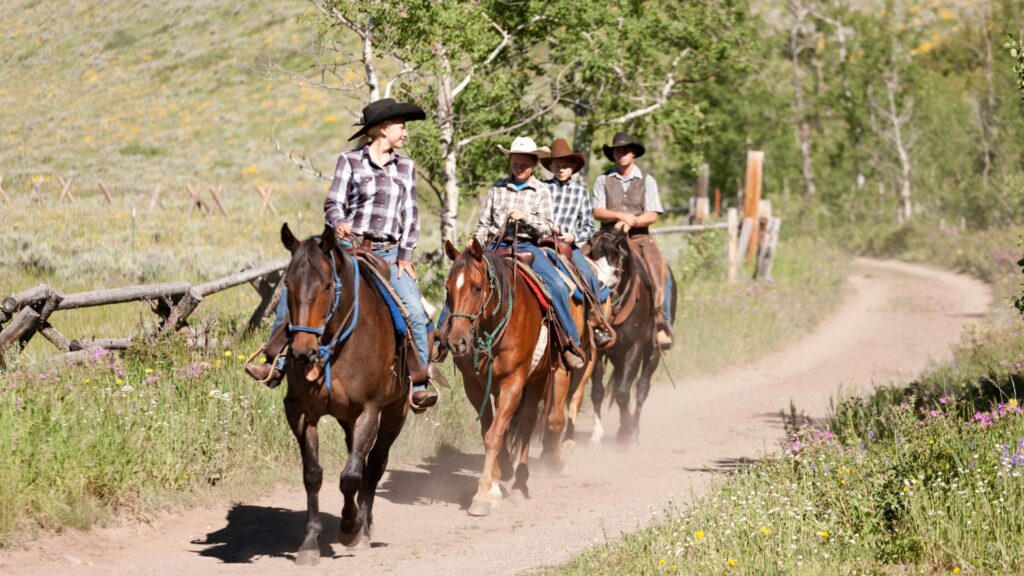
Best Barefoot: Light Work & Recreational Riding
- Trail riding (soft terrain): Barefoot horses often excel on dirt trails, grass, and soft footing. Use boots for occasional rocky sections.
- Pasture horses: Light riding, companionship, or semi-retirement. Natural hoof function thrives with minimal demands.
- Arena work (recreational): Light flatwork, pleasure riding, and basic training on sand or soft surfaces.
- Ranch work (appropriate terrain): My grandfather’s barefoot Quarter Horses worked cattle daily on varied but primarily soft Louisiana ground.
I like to keep horses barefoot as much as possible. In my experience, it helps them develop a stronger overall foot. For example, when we turn out our racehorses after a season, we remove their shoes until they’re ready to return to training.
Shoes Usually Necessary: Performance & Intensive Work
- Racing: All my racehorses wear lightweight aluminum shoes. The speed, track surface, and training intensity make shoes the safest choice for performance.
- Eventing: Cross-country phases over varied terrain require studs for traction and safety.
- Show jumping: Intensive arena work and the need for consistent traction favor shoes.
- Reining/Cutting: Specialized shoes optimize slide and grip for rapid direction changes.
- Endurance racing: Long distances on mixed terrain—some compete barefoot with boots, but many use shoes depending on footing and horse condition.
- Extensive road work: Pavement or gravel roads wear hooves faster than they grow without protection.
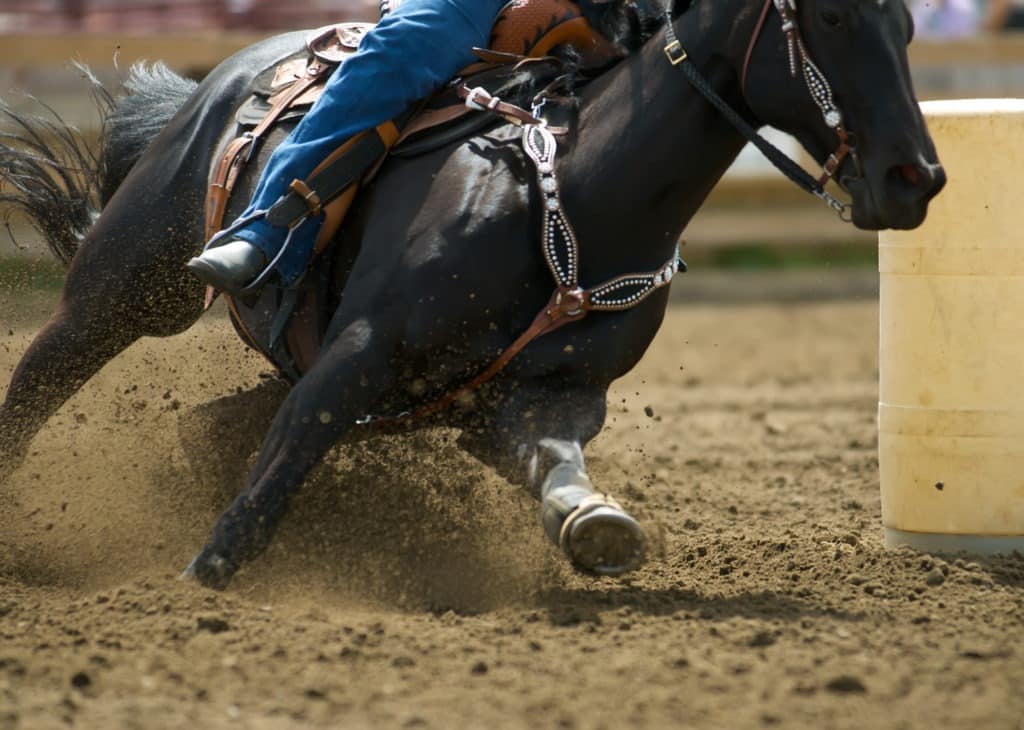
We often train our barrel horses barefoot, especially the younger ones. However, when competing they all wear shoes because the shoes give better grip on arena dirt. That traction prevents slipping on loose footing, helping them come out of turns faster and run better times.
Either Can Work: Depends on Individual Horse
- Dressage: Arena work supports barefoot if footing is good and horse has strong hooves. Upper-level horses often wear shoes for consistency.
- Western pleasure: Light work favors barefoot; showing often requires shoes for appearance and performance.
- Trail riding (mixed terrain): Soft trails work barefoot; rocky or extended hard surface sections may need shoes or boots.
- Working ranch horses: Depends on terrain. Soft rangeland supports barefoot; rocky areas may require shoes.
Making Your Decision: 5 Critical Factors
Evaluate these five factors honestly for your specific situation:
1. Current Hoof Quality (Most Important)

Pick up your horse’s feet right now and assess:
- Sole thickness: Press your thumb into the sole. Thick, firm soles support barefoot. Thin, flexible soles that indent easily need protection.
- Wall strength: Strong, dense walls with minimal chipping suggest good barefoot potential. Weak walls that chip or crack easily may need shoe support.
- Frog development: Large, healthy frogs indicate good circulation. Recessed, unhealthy frogs may improve barefoot but need time.
- White line integrity: Tight white lines suggest strong connections. Separation or chronic white line disease complicates barefoot management.
- Current soundness: Sound horses transition easier. Chronic soreness, abscesses, or lameness issues may indicate underlying problems requiring shoes.
My assessment: In my experience, I’ve seen Thoroughbreds with excellent barefoot hooves and Quarter Horses that need shoes. Breed matters less than the horse’s individual hoof quality. A horse with naturally thin soles or weak hoof walls will struggle barefoot regardless of breed. If you want a deeper look at how Thoroughbred hoof traits compare to other breeds, see my article Do Thoroughbreds Have Bad Feet?.
2. Terrain and Surface
Where does your horse actually work? Be specific:
- Soft surfaces (arena sand, pasture, dirt trails): Favor barefoot
- Mixed terrain with occasional rocks: Barefoot with boots for challenging sections
- Rocky trails, gravel roads, extensive pavement: Usually need shoes
- Extremely wet conditions: Shoes often protect better in prolonged mud (common challenge in Louisiana)
- Hard, dry ground: Can challenge barefoot horses; may need boots or shoes during peak hardness
If your horse will be ridden on hard surfaces like roads and pavement, this can influence whether barefoot or shoes are best. Our guide on riding a barefoot horse on the road offers experience-based tips on managing feet and protecting them during transition or hard-surface riding.
3. Work Intensity and Frequency
- 1-3 times weekly, light rides: Barefoot works well
- 4-5 times weekly, moderate work: Either approach can work depending on surfaces
- Daily intensive training: Usually requires shoes for protection and performance
- Competition schedule: Shoes provide consistency and immediate performance
4. Your Management Capability
Successful barefoot requires:
- Access to experienced barefoot trimmer (not all farriers have this expertise)
- Budget for quality hoof boots ($150-400 for a set)
- Time for 3-12 month transition with reduced work
- Ability to optimize diet with proper minerals and supplements
- Patience for gradual conditioning process
- Willingness to use boots when needed rather than pushing too hard
If you don’t have these resources, keeping your horse shod may be more practical than attempting a barefoot transition you can’t manage properly.
5. Current or Chronic Health Issues
Some conditions require therapeutic shoeing:
- Laminitis: Heart bar or supportive shoes redistribute weight and protect compromised structures.
- Navicular disease: Bar shoes provide critical support.
- Club feet: Wedge shoes help correct alignment.
- Chronic abscesses: May indicate thin soles requiring protection.
- Conformational issues: Corrective shoes address limb alignment problems.

Barefoot trimming can address some imbalances, but serious medical issues often benefit from specialized therapeutic shoes that provide support impossible to achieve barefoot. For an evidence-based overview of therapeutic shoeing, see the Grayson-Jockey Club Research on Barefoot vs. Shod.
Real-World Examples From My Experience
Hoof shape affects how a horse’s foot hits the ground and handles stress. A 2021 study comparing shod and barefoot hooves found measurable differences in heel width, heel angle, and frog size—signs that barefoot trimming encourages more natural hoof conformation. In my experience, those changes show up in 6–8 months: wider heels, more concave soles, and healthier frogs.
Theory helps, but here’s what I’ve actually seen work (and fail) over three decades:
Barefoot Success: Quarter Horse Ranch Work
My grandfather’s Quarter Horses worked barefoot their entire lives, roping, cutting, and ranch work on varied Louisiana terrain. They had naturally strong hooves, worked primarily on soft ground, and received regular trims every 5-6 weeks. Some lived into their late 20s, sound the entire time. This worked because work demands, terrain, and hoof quality aligned perfectly with barefoot management.
Barefoot Success: Retired Thoroughbred Trail Horse
A gelding I transitioned after his racing career went barefoot successfully. The process took 8 months. Initially tender on gravel, he eventually handled rocky trails confidently. Over time his soles became noticeably thicker, and his hoof walls strengthened. Key factors: light work, patient transition, quality boots during adaptation, and excellent farrier work.

When Shoes Were Necessary: Racehorse Traction Issues
A bay filly excelled on dirt but struggled on turf—slipping in turns, losing confidence, and speed. A change to specialized racing shoes designed for turf traction solved the problem immediately. She won on turf later that season. Barefoot couldn’t have provided the grip she needed for safe, competitive performance on that surface.
Barefoot Failure: Thin-Soled Thoroughbred
I attempted transitioning a mare with chronically thin soles. After six months of careful management, boots, and patient conditioning, she remained tender on anything but soft arena sand. Her soles never developed adequate thickness despite optimal diet and trimming. We returned to shoes, and she immediately became comfortable and sound. Some horses simply don’t have the hoof structure to thrive barefoot.
Transitioning to Barefoot: The Practical Reality
If you’ve decided barefoot is right for your horse, here’s what actually works based on horses I’ve successfully transitioned:
Essential Requirements (Don’t Skip These)
- Find an experienced barefoot trimmer – Not all farriers have this expertise. Ask for references from horses they’ve successfully transitioned.
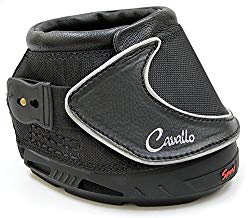
- Invest in quality hoof boots – Budget $150-400. Proper fit matters more than brand. Easyboot Gloves, Renegade, and Cavallo all work when fitted correctly.
- Plan for 6-12 months minimum – Shorter transitions happen but aren’t typical. Most horses need at least six months for adequate sole development.
- Reduce work initially – Start with soft surfaces and short rides. Gradually increase distance and terrain difficulty as hooves strengthen.
- Optimize nutrition – Add biotin (20-30mg daily), ensure proper zinc/copper ratio, consider comprehensive hoof supplement. Results show in 6-12 months as new hoof grows down.
- Trim every 4-6 weeks – More frequent than shod horses. Consistent trimming guides proper hoof development during transition.
Realistic Timeline
- Weeks 1-4: Expect tenderness on anything but soft ground. Use boots for all riding. Normal.
- Months 2-3: Gradual improvement. May handle arena work barefoot but need boots for trails.
- Months 4-6: Noticeable sole development. Comfortable on familiar terrain; boots for challenging surfaces.
- Months 6-12: Full adaptation for most horses. Sole thickness established, walls strong, confident movement.
⚠️ Red Flags: When to Reassess the Transition
A successful barefoot transition takes patience, but it should not be a “suffering” process. Stop and consult your vet or farrier if you observe:
- ✕ Persistent Tenderness: Sensitivity that lasts beyond 6 months, which may indicate underlying hoof pain issues that require professional intervention.
- ✕ Lack of Sole Growth: No visible increase in sole depth or concavity despite adequate time and nutrition.
- ✕ Chronic Bruising: Frequent bruising along the sole or white line, or recurring abscesses.
- ✕ Reluctance to Move: An unwillingness to move forward freely, even on soft, forgiving surfaces.
- ✕ Deteriorating Quality: Hoof walls that continue to chip, flare, or crumble rather than showing new, healthy growth from the top down.

Common Questions: Straight Answers
Can my horse go barefoot if they’ve been shod for years?
Yes, but expect a longer transition—typically 6–12 months. Horses shod continuously from a young age often have weaker hoof structures requiring more time to develop. I’ve successfully transitioned horses shod for 8+ years with patience and proper management.
Can I keep my horse barefoot in pasture but shod for riding?
Yes, this hybrid approach works well for many horses. Pull shoes during light work periods or winter turnout, then reshoe when intensive work resumes. This gives hooves periodic breaks while maintaining protection when needed. Just maintain regular trimming during barefoot periods—don’t neglect hooves between shoeing cycles.
What if I can’t afford hoof boots during transition?
Without boots, limit riding to soft surfaces only during the 6–12 month transition. This extends adaptation time since you can’t gradually introduce varied terrain. If you absolutely can’t budget $150–400 for boots, keep your horse shod rather than attempting a barefoot transition you can’t manage properly—inadequate protection during transition can cause chronic bruising and sensitivity.
What if my farrier disagrees with my barefoot decision?
Listen to their concerns—experienced farriers often spot hoof quality issues owners miss. Not all farriers have barefoot trimming expertise. If you’re committed to barefoot and your farrier is unwilling, find a qualified barefoot trimmer. Conversely, if your farrier strongly recommends shoes due to hoof quality concerns, take that advice seriously. I’ve seen owners insist on barefoot against professional advice, only to return to shoes months later.
Will barefoot save me money?
Long-term, yes—typically $400–$1,200 annually. However, initial transition costs include boots ($150–400), possible supplements, and you’ll still pay for regular trimming. Savings appear after the first year once transition is complete.
Do I need boots if my horse is barefoot?
Almost always during transition. Even after full adaptation, many barefoot horses benefit from boots for challenging terrain—rocky trails, extended road work, or extremely hard ground. Some fully conditioned barefoot horses never need boots; others need them occasionally. Budget for boots regardless.
Can racehorses or eventers compete barefoot?
Rarely at upper levels. In my experience at the Fair Grounds and other major tracks, shoes are required. The traction needed for racing is something barefoot typically can’t provide safely. Some endurance horses compete barefoot successfully, but intensive performance disciplines almost universally require shoes. 👉 Learn more about racing barefoot versus shod in our racing guide.
What’s the biggest mistake people make going barefoot?
Expecting immediate soundness after pulling shoes. Successful transitions need 6-12 months, proper trimming, boots, and reduced work. The second mistake: pushing barefoot when the horse clearly needs shoes.
Should I pull shoes for the winter to give hooves a break?
This can benefit horses shod year‑round, but only if you’re committed to proper barefoot management during that period. Don’t just pull shoes and ignore hooves for months—they still need regular trimming, attention, and care. If you’re not reducing work significantly during winter, keeping shoes may be more practical.
Do Thoroughbreds inherently have bad feet?
Not inherently—hoof quality varies among individuals. Some Thoroughbreds have excellent hoof structure and do well barefoot with proper care, while others benefit from shoeing depending on workload and environment. Learn more in Do Thoroughbreds Have Bad Feet?.
Why don’t wild horses need shoes?
Wild horses maintain healthy hooves through constant movement across varied terrain, which naturally wears their feet and balances hoof growth. Domestic horses don’t travel the same distances or surfaces, so they often require human hoof care, including shoeing. Explore this in Why Wild Horses Don’t Need Shoes.
This article is based on my personal experience managing horses over many years in both barefoot and shod programs and is intended for educational purposes only. It is not a substitute for professional veterinary diagnosis or farrier care. Every horse is an individual, and hoof-care decisions should always be made in consultation with a qualified farrier and veterinarian who can evaluate your horse in person.

My Final Recommendation
After 30 years managing horses both ways, here’s my honest advice: let your horse’s actual needs—not ideology about what’s “natural”—guide your decision.
Barefoot works beautifully for horses with strong hooves, appropriate work, and proper management. My grandfather’s ranch horses proved this for decades. But shoes solve real problems for horses with intensive work, challenging terrain, or medical needs requiring therapeutic support.
The best approach is whichever keeps your specific horse sound, comfortable, and able to perform their job. For some horses, that’s barefoot. For others, it’s shoes. For many, it changes as circumstances change—young performance horse wearing shoes, retired horse going barefoot later.
Start by honestly assessing the five critical factors: hoof quality, terrain, work intensity, your management capability, and any health issues. If barefoot makes sense, commit to proper transition with realistic timelines. If shoes are necessary, work with a skilled farrier and consider occasional barefoot breaks when work lightens.
Most importantly, stay flexible. Let your horse’s response guide the decision, not your preferences. The goal isn’t proving barefoot or shod is “better”—it’s keeping your horse sound and performing at their best.
Whatever you choose, commit to doing it properly. Both approaches work when managed correctly. Both fail when managed poorly. Your horse deserves thoughtful decision-making based on their individual needs, not one-size-fits-all philosophy.
Your Next Step: Take Action This Week
Based on your assessment above, here’s what to do next:
If You’ve Decided on Barefoot:
- Find a qualified barefoot trimmer this week. Ask for references from horses they’ve successfully transitioned. Interview them about their experience with horses similar to yours.
- Schedule a hoof quality assessment. Have them evaluate sole thickness, wall strength, and realistic transition timeline for your specific horse.
- Research hoof boots. Measure your horse’s hooves and identify 2-3 boot options that fit your budget ($150-400). Order boots before pulling shoes.
- Plan your transition timeline. Block out 6-12 months on your calendar. Identify periods of lighter work that align with initial transition phases.
- Evaluate your horse’s diet. Consider adding a comprehensive hoof supplement with biotin, zinc, and copper. Consult an equine nutritionist if needed.
If You’re Staying Shod:
- Discuss hoof health with your farrier. Ask about your horse’s hoof quality and whether occasional barefoot breaks during light work periods would benefit long-term structure.
- Review your shoeing schedule. Confirm you’re reshoeing schedule, maintaining 6-8 week cycles consistently. Extended intervals risk hoof imbalance and potential soundness issues.
- Consider seasonal adjustments. If your horse has reduced work in winter, discuss pulling shoes for those months to give hooves a break.
- Monitor hoof health closely. Watch for signs of weakening structures, contracted heels, or reduced sole depth that might indicate need for management changes.
If You’re Still Unsure:
- Get a professional hoof assessment. Have your farrier measure sole thickness (use hoof testers to check depth) and evaluate wall strength objectively.
- Document your horse’s work schedule. Track actual riding frequency, surfaces, and intensity for two weeks. Compare this reality to your assumptions.
- Take photos of all four hooves. Capture sole, frog, and wall condition. Compare these to images of healthy barefoot hooves online.
- Consult your veterinarian. If your horse has any chronic soundness issues, get professional input on whether barefoot or therapeutic shoeing would better address the problem.
- Read case studies. Look for examples of horses in your discipline and with similar hoof quality. What approach worked for them?
Don’t let this decision paralyze you. The worst choice is indecision—neglecting hoof care while you endlessly research. Both barefoot and shod can work. Make an informed decision based on the five critical factors above, commit to doing it properly, and adjust if needed. Your horse’s hooves will tell you if you made the right choice within 6–12 months.
Additional Resources:
- American Association of Equine Practitioners: Hoof Care Guidelines
- Kentucky Equine Research: Hoof Health Articles
- University of Minnesota Extension: Hoof Care Basics
About Miles Henry
Racehorse Owner & Author | 30+ Years in Thoroughbred Racing
Miles Henry (legal name: William Bradley) is a professional horseman based in Folsom, Louisiana. He holds Louisiana Racing License #67012 and has spent over three decades managing Thoroughbreds at premier tracks including Fair Grounds, Delta Downs, and Evangeline Downs.
Expertise & Hands-On Experience: Beyond the track, Miles has decades of experience in specialized equine care, covering everything from hoof health and nutrition to training protocols for Quarter Horses, Friesians, and Paints. Every guide on Horse Racing Sense is rooted in this “boots-on-the-ground” perspective.
30 of their last 90 starts
Equibase Profile.

Connect with Miles: