
Last updated: February 10, 2026
Any links on this page that lead to products on Amazon are affiliate links and I earn a commission if you make a purchase. Thanks in advance – I really appreciate it!
Why wild horses don’t need shoes is a question I’ve heard countless times in my 30 years racing Thoroughbreds. Back in 1994, I watched a two-year-old filly throw a shoe during morning works at Fair Grounds. By the time I got her back to the barn, less than half a mile, her bare foot was so sore she was limping. That was my first hard lesson in why wild horse comparisons only go so far in the real world.
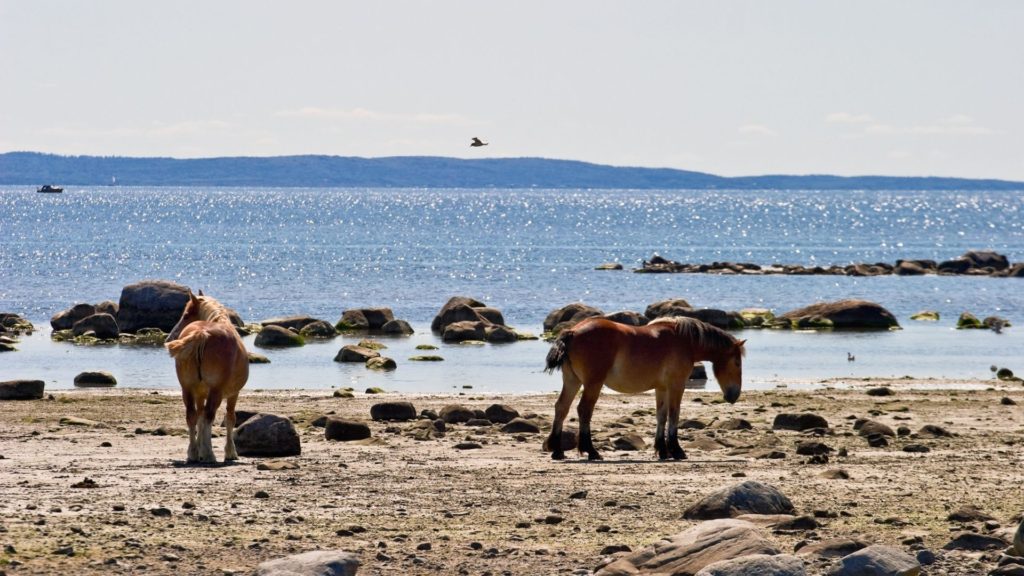
I’ve spent over 30 years racing Thoroughbreds across Louisiana, from Fair Grounds and Delta Downs to Louisiana Downs. I’ve seen hooves that were hard as iron and others that crumbled if you looked at them wrong. Owners ask me all the time: “Miles, if wild mustangs run over rocks without shoes, why does my horse need expensive steel just to trot down a trail?”
It’s a fair question. Nature designed the equine hoof to be a self-maintaining shock absorber. In a perfect wild scenario, it works beautifully. But here’s the hard truth:
Your horse isn’t living in the Great Basin, and they aren’t moving 18 hours a day over abrasive terrain.
Understanding why wild horses don’t need shoes helps you make smarter decisions, but applying that model to a domestic horse requires science, experience, and barn-aisle reality.
Table of Contents
Why Wild Horses Don’t Need Shoes: The Biology Behind It
In 2003, I visited a mustang sanctuary in Nevada to see these famous wild hooves for myself. I wanted to understand what made them so durable. What I found was educational, but not in the romantic way barefoot advocates like to describe.
A wild horse may cover 20 miles a day over granite, hardpan, and volcanic rock. That constant movement creates a self-maintaining loop:
- Natural Abrasion: The ground acts like a rasp. Hoof wall wears down at roughly the same rate it grows (about 1/4–3/8 inch per month), creating the classic “mustang roll”—a rounded bevel that prevents chipping.
- Impact Stimulation: Each step pumps blood through the frog and digital cushion. This circulation promotes dense keratin production and stronger horn growth—something my Thoroughbreds standing in soft shavings twelve hours a day simply don’t receive.
- Calloused Soles: Constant rock exposure thickens the sole and frog like a guitarist’s fingertips. The frogs become calloused leather. The soles develop density that protects against bruising.
But here’s what people leave out: I also saw wild horses with quarter cracks, white line separation, and visible lameness. Nature doesn’t fix bad feet—it removes horses with bad feet from the gene pool. That’s natural selection, not magical hooves.

The 4 Key Differences: Wild vs. Domestic
1. Genetics and Selective Breeding
In the wild, weak feet get culled ruthlessly. A mustang born with thin soles, brittle walls, or weak white line connections doesn’t survive to reproduce. Over generations, this created populations with inherently sound hoof genetics.
In the domestic world, we breed for speed, jumping ability, and conformation. That’s why people ask: Do Thoroughbreds have bad feet? Sometimes, yes. We bred them for speed and lung capacity, often overlooking hoof wall thickness. I’ve owned horses that could run six furlongs in 1:10 but had hoof walls so brittle they chipped constantly. In the wild, those genetics would’ve disappeared. On the track, we manage them with shoes and skilled farrier work.
2. Environment and the Ammonia Factor
Wild horses don’t stand in their own waste. They move on. Domestic horses, even well-cared-for ones, spend time in stalls or paddocks where urine breaks down into ammonia. Ammonia destroys the protein bonds in hoof horn, leading to thrush and soft soles.
3. Diet and Sugar
Wild forage is high in fiber and low in sugar. Domestic pasture and grain concentrates often aren’t. High sugar and starch can cause low-grade laminitis, weakening the laminae connection between the hoof wall and the coffin bone. A wild horse has a tight, velcro-like connection. A grain-fed horse often has a stretched connection (white line disease), making the hoof structurally weaker.
Diets lacking key minerals produce crumbly hoof walls. Farriers recommend:
- Zinc: 400-500 ppm daily (forage often deficient)
- Copper: 50-100 ppm daily (maintain ratio 3-4:1 zinc:copper)
- Biotin: 20-30 mg/day (improves horn quality in ~6 months)
That’s why diet is foundational to proper hoof care. I’ve seen hoof quality improve dramatically when owners switched from high-starch concentrates to forage-based diets with appropriate mineral supplementation.
Use tested feeds or supplements. I’ve seen hoof walls thicken dramatically when these minerals are balanced properly.
4. Workload and Weight
A mustang carries only itself, typically 800-900 pounds, and moves at moderate speeds for long distances. My average Thoroughbred weighs around 1,100 pounds and carries 126 pounds (jockey plus tack) at 35–40 mph. Research shows racehorses experience peak forces exceeding 2.5x body weight (PMC study)…
Without shoes distributing this impact, the hoof wall chips, cracks, and breaks away faster than it can grow. I’ve seen hooves chip visibly within one lap after throwing a plate during a race. The concussive forces during performance work—racing, jumping, reining- create hoof stresses that bare feet often can’t withstand.

When Do Horses Actually Need Shoes?
I’m not pro-shoe or anti-shoe. I’m pro-soundness. I’ve trained winners that ran in aluminum plates and ponies that lived their whole lives barefoot. You have to decide based on the horse in front of you.
Typically, we apply shoes (or hoof boots) for three reasons:
- Protection: When wear exceeds growth. If you’re riding on gravel or asphalt and your horse is wearing feet down to sensitive sole, protection is needed.
- Traction: On slick race tracks or muddy cross-country courses, rim shoes or studs prevent catastrophic slips. Safety trumps ideology.
- Correction: Therapeutic shoeing can change hoof angles to relieve stress on tendons or ligaments—something barefoot trimming alone sometimes can’t achieve quickly enough for an injured athlete.
If your horse shows signs of hoof pain (short striding, reluctance to walk on gravel, landing toe-first), forcing barefoot for ideology is unfair to the horse.
Horses Who Might Thrive Barefoot
I’ve seen beautiful examples of successful barefoot horses, endurance horses conditioned gradually over rocky trails, working ranch horses traveling varied terrain daily. Trail and pleasure horses with good natural feet (thick soles, strong walls, dense horn) often thrive barefoot when:
- Work is moderate and terrain appropriate
- Gradual conditioning on varied surfaces is possible
- Professional trimming happens every 4-6 weeks
- Environment provides natural hoof-hardening stimulation
For more on making this decision, see my full breakdown on barefoot vs shod horses.

Myths vs. Reality of Barefoot Care
There’s a lot of noise online about barefoot versus shod horses. Let’s clear up common misconceptions based on three decades of barn experience:
Myth: Shoes stop hoof expansion.
Reality: Poorly applied shoes stop expansion. A skilled farrier sets shoes wide at the heels and nails only in the front half, allowing natural heel expansion and contraction. I’ve shod horses continuously for 12-15 years without hoof deterioration when resets happen every 4-6 weeks.
Myth: All horses can go barefoot with proper trimming.
Reality: Many can, if workload is light and terrain forgiving. But horses with flat soles, chronic white line disease, or genetically thin walls often need protection regardless of trimming skill. I’ve known horses who required continuous protection despite excellent trimming and nutrition. Fighting genetics is exhausting.
Myth: Wild horse hooves are “perfect.”
Reality: Wild hooves are adapted to wild conditions, not domestic performance work. Many mustangs show flared walls, dish in the toe, and asymmetrical wear that would cause problems under saddle. Those “imperfections” don’t matter in the wild because movement patterns compensate—but they’d create soundness issues in performance horses.
Myth: Black hooves are stronger than white hooves.
Reality: Studies show no structural difference between pigmented and unpigmented keratin. Hoof strength comes from genetics and nutrition, not color. I’ve trained horses with white hooves harder than concrete and black hooves that crumbled like chalk.

Frequently Asked Questions
Why do wild horses have such hard hooves?
It’s a combination of constant movement over abrasive terrain (which stimulates growth and creates calluses) and natural selection—horses with weak feet don’t survive to breed. The mustangs I observed in Nevada had soles like leather and walls worn smooth by volcanic rock.
How long does barefoot transition take?
A full hoof capsule takes 12 months to grow from coronary band to toe. However, soles may toughen in 6–8 weeks if conditions are right. During transition, you’ll likely need hoof boots to prevent bruising. Timeline varies drastically—I’ve seen horses adapt in 4 weeks and others still sensitive after a year.
Can I ride my barefoot horse on roads?
Yes, but build up gradually. Asphalt is less abrasive than gravel but concussion is high. If your horse isn’t conditioned for it or has thin soles, use boots. I’ve known trail horses who traveled asphalt roads barefoot daily, but they were conditioned over months, not weeks.
Does diet affect whether my horse needs shoes?
Absolutely. Diets lacking zinc, copper, and biotin produce crumbly hoof walls that can’t hold shoes or stay sound barefoot. High sugar/starch intake can cause low-grade laminitis that weakens laminae connections. Quality forage is foundational to hoof health regardless of shoeing status.
What if my horse gets stone bruises constantly?
Horses who bruise easily likely have thin soles. You can try topical hardeners (Venice Turpentine, Durasole), but many of these horses require pads, boots, or shoes to work comfortably. Some horses are genetically predisposed to thin soles—protection becomes necessary.
Is it cruel to shoe a horse?
No. It’s cruel to work a horse on surfaces that cause pain without protection. Shoes are tools to enable horses to do their jobs comfortably. I’ve never had a horse object to being shod by a skilled farrier, but I’ve watched plenty go lame when owners insisted on barefoot despite clear pain signals.
Can racehorses compete barefoot?
Not at competitive Thoroughbred levels. The concussive forces during galloping at race speeds are too extreme for bare feet to withstand without damage. Hoof walls chip and break faster than they can grow. I’ve seen visible hoof damage within one lap of racing barefoot that would sideline a horse for weeks.


About Miles Henry
Racehorse Owner & Author | 30+ Years in Thoroughbred Racing
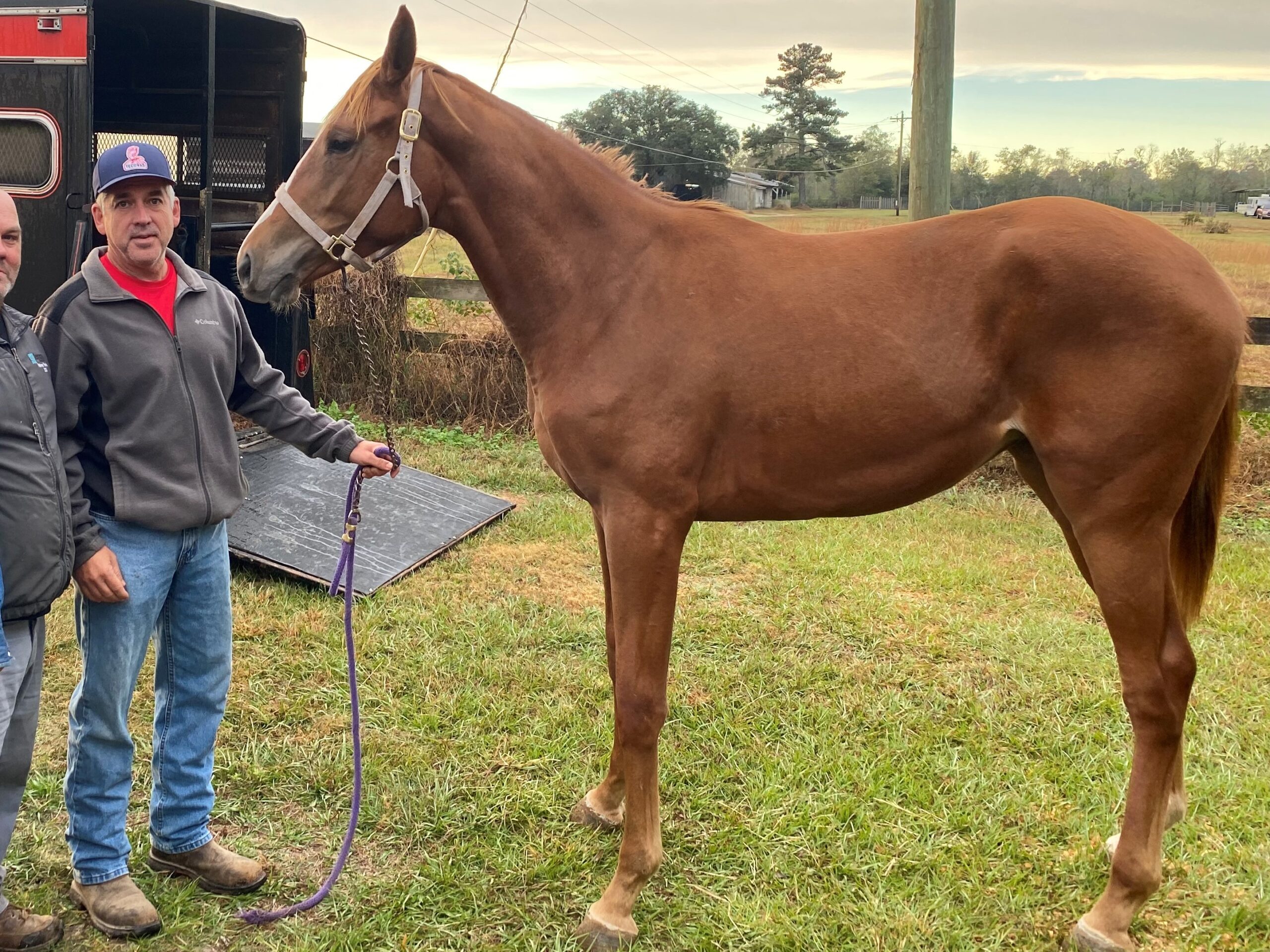
Miles Henry (legal name: William Bradley) is a professional horseman based in Folsom, Louisiana. He holds Louisiana Racing License #67012 and has spent over three decades managing Thoroughbreds at premier tracks including Fair Grounds, Delta Downs, and Evangeline Downs.
Expertise & Hands-On Experience: Beyond the track, Miles has decades of experience in specialized equine care, covering everything from hoof health and nutrition to training protocols for Quarter Horses, Friesians, and Paints. Every guide on Horse Racing Sense is rooted in this “boots-on-the-ground” perspective.
30 of their last 90 starts
Equibase Profile.

Connect with Miles: