

Last updated: September 19, 2026
The hardest part of claiming a racehorse isn’t filling out the claim slip – it’s knowing whether you’re buying an opportunity or buying someone else’s problem. A claiming race is a horse race where every entered horse is available for purchase at a stated price before the race begins. A licensed owner can submit a claim before post time, and if the claim is successful, ownership transfers after the race is declared official. The former owner keeps that race’s purse money; the new owner takes on the horse’s future opportunities, costs, and risks.
Claiming races are where a large share of Thoroughbreds earn their living – and where owners and trainers constantly weigh one question: does this horse belong at this level, and is it worth the risk of losing or buying?
What to know before you read further:
- The listed price is public: Every horse in a claiming race can be purchased for the stated tag, not just the winner.
- The claim is filed before the race: You generally can’t decide to buy a horse after watching it run.
- The old owner keeps the purse: The claim buys the horse’s future, not the money earned in that race.
- Rules and deadlines matter: HISA rules apply at covered Thoroughbred tracks, but track procedures and some state-specific restrictions can differ. Confirm current requirements with the racing secretary before filing a claim.
Below, I’ll explain how the process usually works, why owners put horses in for a tag, what I look for before dropping a slip, and what claiming has taught me through horses from my own barn.
Table of Contents
How a Claiming Race Works (Simple Example)
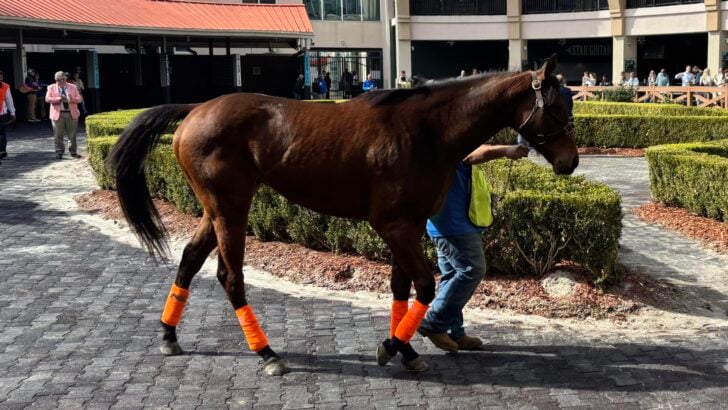
Before getting into the rules and strategy, here’s the plain version. Imagine a $10,000 claiming race with eight horses entered. Before the race goes off, any licensed owner can file paperwork to buy any horse in that field for $10,000 – not just the one that wins. If multiple owners submit claims for the same horse, officials conduct a random drawing, commonly called a shake, to determine the successful claimant. Once the race is declared official, the new owner takes possession of the horse, but the trainer and owner who ran the horse that day keep every dollar of that race’s purse, regardless of where the horse finished.
Once you understand that basic transaction, the rest comes down to reading the horse, understanding the risk, and knowing whether the price makes sense.
The Three Questions I Ask Before I Claim
Beginners often assume a horse only shows up in a claiming race when it’s sound and ready to run. That isn’t always true, and reading the entry the right way can tell you whether you’re looking at value or a trap. Before I claim a horse, I ask three questions.
Why here? Does this race fit the horse’s distance, surface, and class history, or does the placement look forced?
Why this price? Is the tag in line with recent form and speed figures, or has it been cut hard in a short stretch?
Why now? What changed since the last start – a new trainer, equipment change, class drop, freshening, or just the lack of a better spot?
A sharp class drop isn’t automatically a bargain – it’s a signal to look closer, not proof that something’s wrong. For the full evaluation process I actually use, see my complete guide to evaluating horses in claiming races – what’s here is the short version.

Why Owners Put Horses in Claiming Races
The risk of a claim helps keep horses placed near a level where the price and competition make sense. Enter a horse too cheap, and somebody can simply take it – that threat is what discourages a trainer from running an obvious standout where it doesn’t belong. For many racing operations, claiming races are also one of the simplest and most transparent ways to buy and sell a horse: no private negotiation, no broker, just a public price that closes the moment the gate opens. And because most racehorses aren’t elite, claiming races give competent, average horses a class level where they can compete, earn purses, and stay in work.
The horse fits the level and needs a race
If no suitable allowance or stakes race is written in the next 30-45 days, a claiming race may be the only way to keep a horse fit and earning. A horse that genuinely belongs at a $15,000 claiming level isn’t being “given away” – it’s being run where it can compete, and the trainer isn’t afraid of losing it because the price reflects what it’s worth.
The owner accepts the market risk or wants to sell
Sometimes an owner is willing to sell, and a claiming race offers a faster, cleaner alternative to a private sale. The original owner keeps that day’s purse and receives the claiming price if the horse is taken. Other times, a horse drops after facing tougher company simply because the connections believe it needs a more realistic spot. Either way, the key question is whether the tag, the horse’s recent form, and the race conditions make sense together.
When the entry is a reason to look closer
Sometimes a barn is trying to move a horse with a problem, get rid of one that’s gone off form, or use a lower tag to find a buyer without a private sale. When the price drops fast or the placement looks forced, that’s worth investigating – not assuming the worst, but asking the three questions above before you file a slip.
Ability is rarely the hard part to judge. What’s harder is deciding whether the risk of losing the horse matches the opportunity in front of you. Plenty of well-run operations use claiming races as their primary buying and selling marketplace. It isn’t a last resort; it’s how the business works at every level below the graded stakes.
The Claiming Process From Entry to Taking Possession
The steps below describe the typical process at a HISA-covered Thoroughbred track. Exact deadlines and procedures are set by the applicable rules and the local racing office, so confirm specifics before you file.
| Step | What Happens | Key Detail |
|---|---|---|
| 1 | Trainer enters horse at a claiming price | Price range: roughly $4,000-$100,000+; purse amounts vary by track and conditions and aren’t directly tied to the claiming price |
| 2 | Claim is filed before the track deadline | Deadlines and filing procedures are controlled by the applicable rules and the racing office. Confirm the cutoff before race day – don’t assume every track uses the same timing. |
| 3 | Race runs – original owner keeps the purse | 100% of purse goes to the original owner even if the horse wins |
| 4 | Shake if multiple claims | Random selection process if multiple claims are filed; unsuccessful claimants’ funds are returned per track procedure |
| 5 | Ownership changes under the applicable claiming rule | At covered Thoroughbred tracks, a successful claim generally becomes effective when the race is declared official, subject to applicable void-claim provisions |
| 6 | New connections take possession and request records | Go to the test barn, watch the horse, and ask the racing office and prior connections what records or disclosures are available – don’t assume every category of record transfers automatically |
| 7 | Post-claim restrictions may apply | Restrictions on private sale, re-entry, and dropping in price can depend on the applicable HISA rule, state rule, and track procedure. Check them before you claim, especially if you plan to move the horse quickly. |
HISA Void Rules: Your Claiming Protection
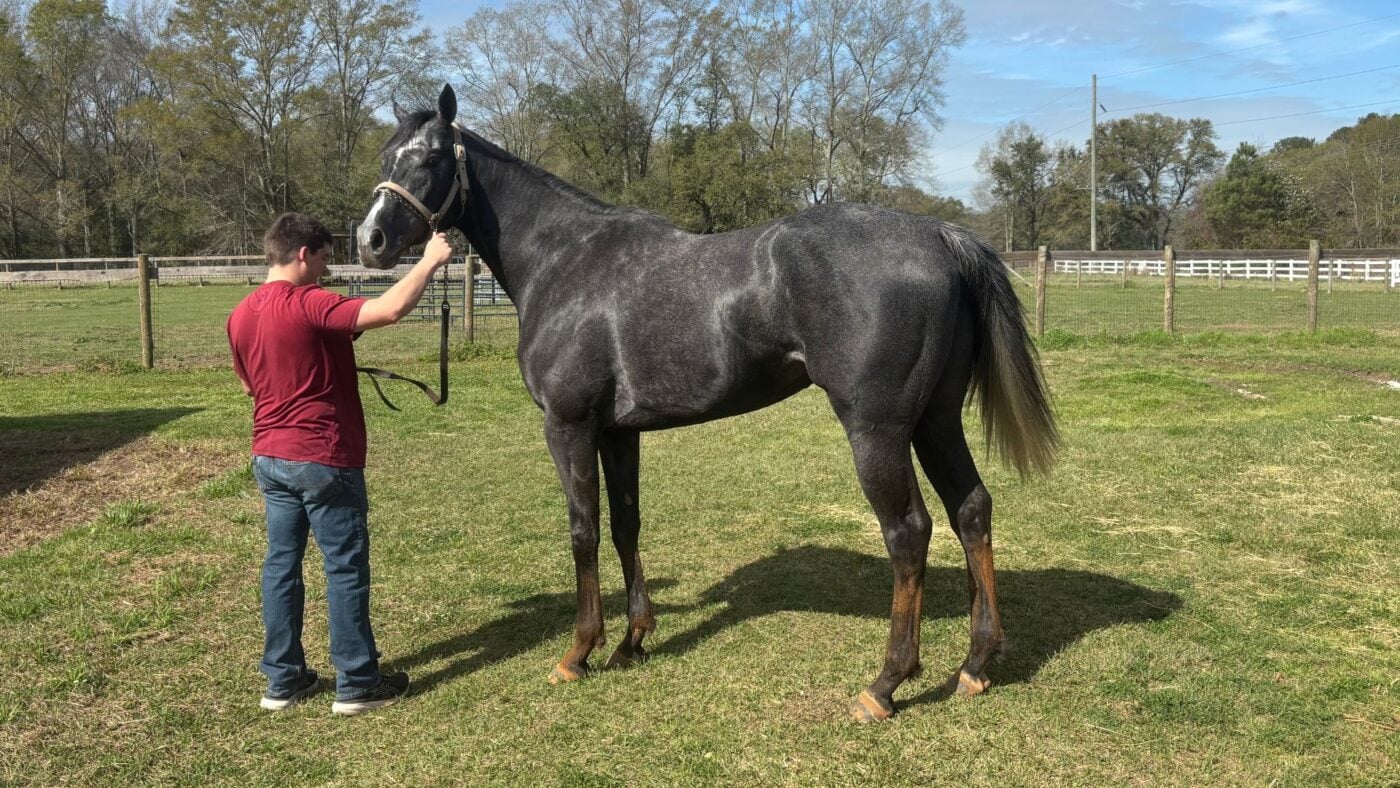
HISA gives you a limited set of claim void protections, but I still check the wording with the racing secretary before I sign anything. For the rule text, see the Federal Register notice and Blood-Horse’s summary. Rules are subject to updates – this section reflects what was in effect when last reviewed in early 2026. Always confirm current procedures with the racing secretary at your track before submitting a claim.
Automatic Void Scenarios
Certain post-race medical events – including catastrophic injury, death, euthanasia, bleeding, or a condition requiring placement on the Veterinarians’ List – may trigger void claim protections under HISA rules. How a given incident is classified is determined by the examining vet and track officials, not the claiming owner.
The Test-Barn Window
The important thing for an owner is simple: know what protections exist before you claim, because once that slip is filed, you may own that horse. Claimed horses go to the test barn for a regulatory vet check, and there are limited void-claim protections for certain post-race findings, including protections connected to regulatory veterinary findings and, in some circumstances, a post-race prohibited-substance finding. The exact trigger, notice procedure, deadline, and opt-out effect are rule-specific. Read the current claim slip and confirm the procedure with the racing secretary before you file – don’t rely on a general online summary when a claim is on the line.
I go straight to the test barn on every claim. I want to see the horse, watch how it comes back, and know whether something looks off before I leave the track. I’ve seen owners miss a void because they were at the winner’s circle instead of watching the horse. Be there. Read the claim slip before you sign it.
State and track procedures for taxes, re-entry restrictions, and layoff exemptions vary too much to summarize reliably in one article, and they can change. Louisiana has its own requirements, as does every racing jurisdiction. Before filing a claim, confirm the current tax, eligibility, re-entry, and resale rules with the racing secretary at the track where the horse is entered.
Claiming Race Types and Classes
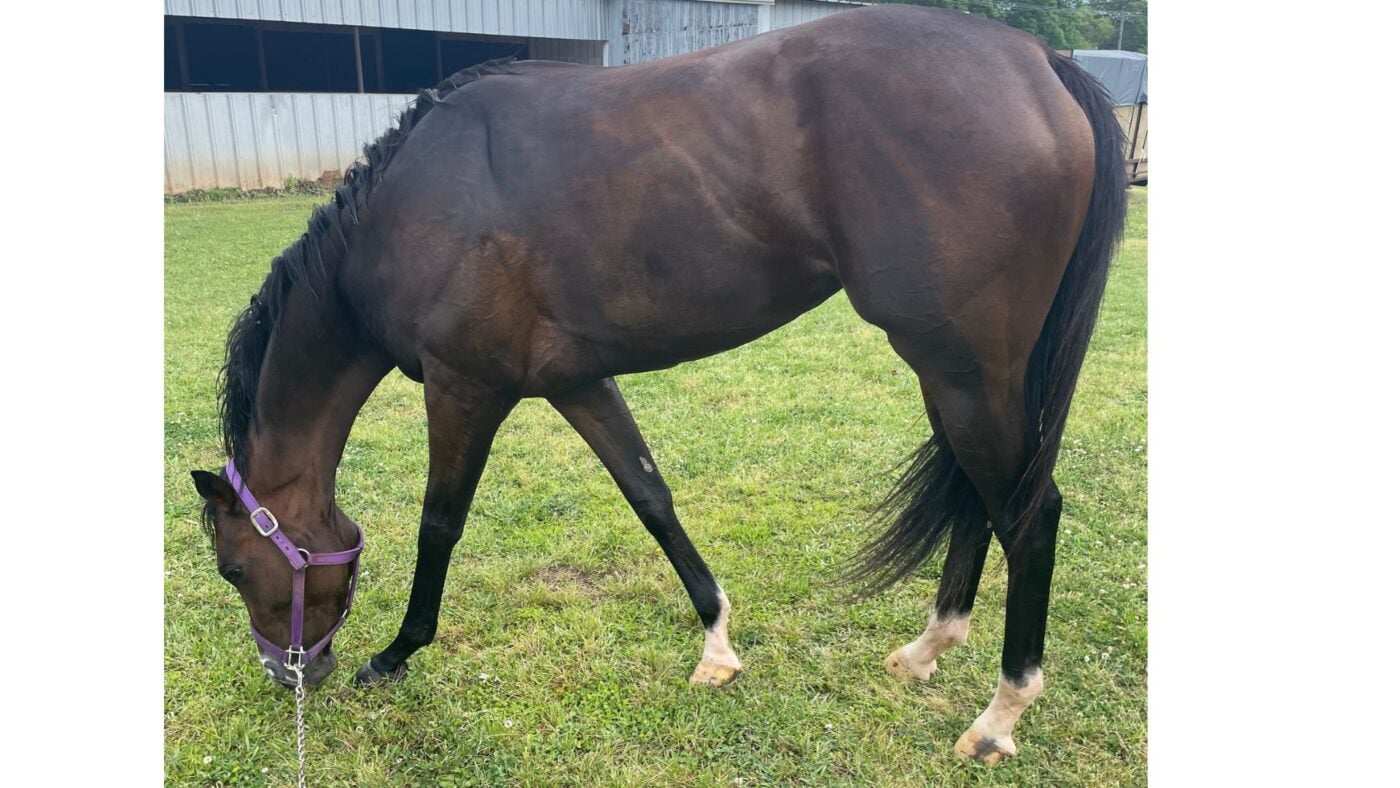
Not all claiming races are the same. Some are written as open claimers, while others carry restrictions based on sex, state-bred eligibility, number of wins, or another condition. Those conditions matter because they change the depth of the field, and that can change how you read the race as an owner or a bettor.
Optional Claiming Races
Optional claiming races, often shortened to “OC,” allow horses to enter under either claiming or allowance conditions. An “OC $40,000 N2X” race means a horse can run for $40,000 and be claimable, or enter under allowance conditions and not be claimable. This format gives developing horses a chance to face tougher company without always putting them in the claim box. For a full breakdown of terms like these, see our horse racing terms glossary.
Maiden Claiming Races
Maiden claiming races are for horses that have never won. They often serve as the first real claiming level for inexperienced horses, or for barns trying to find the right spot after a horse has shown limited ability. If a horse is entered in maiden claiming, you’re not just looking at price – you’re also looking at whether the horse has shown enough to belong with this group.
Restricted by Sex or State-Bred Status
Some claiming races are restricted to a specific sex, such as fillies and mares only. Others are limited to horses bred in a specific state. These races can look similar on paper to an open claimer, but the restriction changes the makeup of the field and can make the race easier or tougher than the tag suggests – and often creates a very different class profile than an open claiming race at the same price.
Claiming by Record
Some claiming races are restricted by record instead of just price. A $5,000 claiming race for non-winners of three isn’t the same as a straight $5,000 open claimer, because the condition itself narrows the field. The same goes for races written for non-winners of two, non-winners of a race in a certain time frame, or horses that haven’t won at a certain level.
For a full breakdown of how each class level works and how claiming races fit into the overall competitive hierarchy, see our guide to horse racing class levels and our guide to condition book codes.

Claiming vs. Other Race Types
| Race Type | Typical Role | Purse Range | Horse For Sale? |
|---|---|---|---|
| Claiming | One of the largest segments of U.S. racing | $8,000-$75,000+ | Yes – at the declared claiming price |
| Maiden | Entry point for horses seeking their first win | $15,000-$90,000+ | Only in maiden claiming races |
| Allowance | Condition-based competition above claiming level | $35,000-$150,000+ | No |
| Stakes | Highest level of competition | $75,000-$20M+ | No |
Claiming races have long represented a significant share of U.S. Thoroughbred racing. A University of Georgia study found that claiming races accounted for 54% of races run in Kentucky in 1999 – a historical figure, not a current national number, since the share varies by year, state, and circuit. The key difference between the race types: allowance and stakes horses are protected from purchase – nobody can claim their way into ownership. A claiming race is the only format where that protection doesn’t exist, which is exactly why the claiming price has to reflect what the horse is actually worth.
Do Claiming Horses Usually Pay Their Way?
There isn’t a reliable industry-wide percentage that tells a new owner how often claims “work out.” Results vary too much by circuit, claiming level, trainer, veterinary risk, and what you count as success. In my experience, the better way to judge a claiming program is over a group of horses and a stretch of time – not by whether one horse wins its first start.
| Outcome | What It Means |
|---|---|
| Profitable | The horse stays sound, fits the right spots, and earns back more than it costs to keep. |
| Break-even | The horse races honestly, covers part of its bills, and keeps enough value to justify the claim. |
| Loss | The horse goes wrong, needs time, or never fits the level you thought you were buying into. |
At the claiming box, soundness and placement matter more than the price on the tag. A cheap claim can turn into a good one, and an expensive one can turn into dead money if the horse can’t stay in training. That’s why I look at claims as a portfolio, not a prediction.
What First-Time Claiming Owners Usually Get Wrong
- Looking only at speed figures
- Ignoring veterinary history
- Assuming a class drop means value
- Underestimating monthly carrying costs
- Claiming without a next-race plan
The Economics of Claiming a Horse
Claiming only works if the horse stays sound and keeps coming back on schedule. A horse that keeps running and stays competitive can justify the cost even if it never becomes a star. The claim price is only the beginning. The biggest profit killers are time and vet bills: a 45-day layup can burn through several thousand dollars before you earn another dollar, and a horse claimed with hidden issues can get expensive fast.
| Cost or Factor | Why It Matters |
|---|---|
| Claiming price and applicable taxes | This is the upfront purchase cost, not the full cost of ownership |
| Training, stall, feed, farrier, and routine care | Costs continue whether the horse races or not |
| Vet work, medication, shipping, and emergency margin | These can quickly exceed the apparent bargain in the claiming price |
| Expected time to the next suitable race | A horse that can’t return to the races can become expensive very quickly |
| The horse’s likely future claiming value | A claim has an asset value as well as earnings potential |
Durability beats brilliance: My best claims were not the flashiest horses. They were the ones that stayed sound, showed up on schedule, and kept earning for months instead of disappearing after one good effort. When I look at a horse, I’m not just asking what it can do today. I’m asking whether it can still be running in six months.
Claiming rewards preparation and punishes impulse. The owners who do best are the ones who show up early, evaluate the horse honestly, and walk away when the fit is wrong – even if the price looks tempting. For the next step, start with our pre-claim evaluation guide, then use the first 30-day management guide once the horse is in your barn.
Real Claiming Examples: My Horses
These are verified claims from my barn – not hypothetical scenarios built to illustrate a point.

Diamond Country – $5,000 Claim, Consistent Earner
- Why I claimed her: A filly by Country Day out of Diamond Cutter, a dam who won over $350,000. She’d been inconsistent, but her workout patterns were solid and her breeding was better than the tag suggested.
- What worried me: The inconsistency in her past performances – at $5,000, though, the risk-reward was attractive even if she only became a reliable mid-claiming runner.
- What happened: She broke her maiden at Fair Grounds, then posted four consecutive second-place finishes. She earned back the claim price plus training expenses and remains actively racing in my barn.
- Lesson: Lower-priced claims can deliver strong returns when you identify horses with untapped potential whose price doesn’t reflect their breeding or work pattern. Four straight seconds isn’t glamorous – it’s exactly what you want from a $5,000 claim.
View Diamond Country’s Equibase profile.
Half Way There – 2026 Claim
- Why I claimed him: A four-year-old gelding by Half Ours who ran a game third on the day I dropped the slip.
- What worried me: Whether that effort would hold up a level higher – a game third doesn’t always translate to an allowance spot.
- What happened: In his next start, we stepped him up to an allowance race, where he finished fourth and earned $3,300 – covering a meaningful portion of the claiming price in a single start.
- Lesson: Evaluate the horse honestly, find the right spot, and let the horse show you what he is. That’s the math that makes claiming work.
View Half Way There’s Equibase profile.
What a good claim looks like – three characteristics both examples share: the purchase price was supported by breeding or recent form that the claiming price undervalued; there was an immediate racing plan with suitable races in the next 30-45 days at the right level; and the horse was evaluated in person, not just from past performances on paper.
FAQ
What is a claiming race in horse racing?
A claiming race is a type of horse race where every horse entered is available for purchase at a publicly declared price. Any licensed owner can claim a horse by submitting a claim slip and deposit before the race. Ownership transfers when the race is declared official, regardless of where the horse finished. The original owner retains all purse earnings from that race.
How do I place a claim?
You need a valid owner’s license in the jurisdiction where the race is held, a designated trainer with an available stall, and funds on deposit with the horsemen’s bookkeeper. Fill out a claim slip with the horse’s name, program number, and claiming price, and submit it to the racing secretary before the track’s deadline. Confirm the exact cutoff with the racing secretary at your specific track, since local procedures vary.
What happens if two people claim the same horse?
Officials conduct a shake – a randomized drawing – to select the successful claimant. The winning claimant gets the horse, while the other claimants’ funds are handled under the track’s applicable procedure. You may hear horsemen call this process “getting shaken out.”
Does the original owner keep the purse if the claimed horse wins?
Yes. The original owner retains 100% of the purse earnings from the race in which the horse was claimed, regardless of finish position. As the buyer, you’re acquiring the horse’s future racing potential, not that day’s earnings.
Is claiming a racehorse profitable?
Some claims become profitable, but most owners should approach claiming as a competitive hobby or business rather than assuming every horse will pay for itself. Judge a claiming program over a group of horses and a stretch of time, not by whether the first one wins right away.
What should I do immediately after my claim is approved?
Go directly to the test barn or other location designated by the racing office for claimed horses. At HISA-covered Thoroughbred tracks, claimed horses are subject to the applicable post-race veterinary and claiming procedures. Be present, watch the horse carefully, and confirm the current procedure with the racing secretary before race day. Bring your own halter and lead shank, since the test barn strips all tack, and request veterinary records, medication logs, and training history from the previous connections.
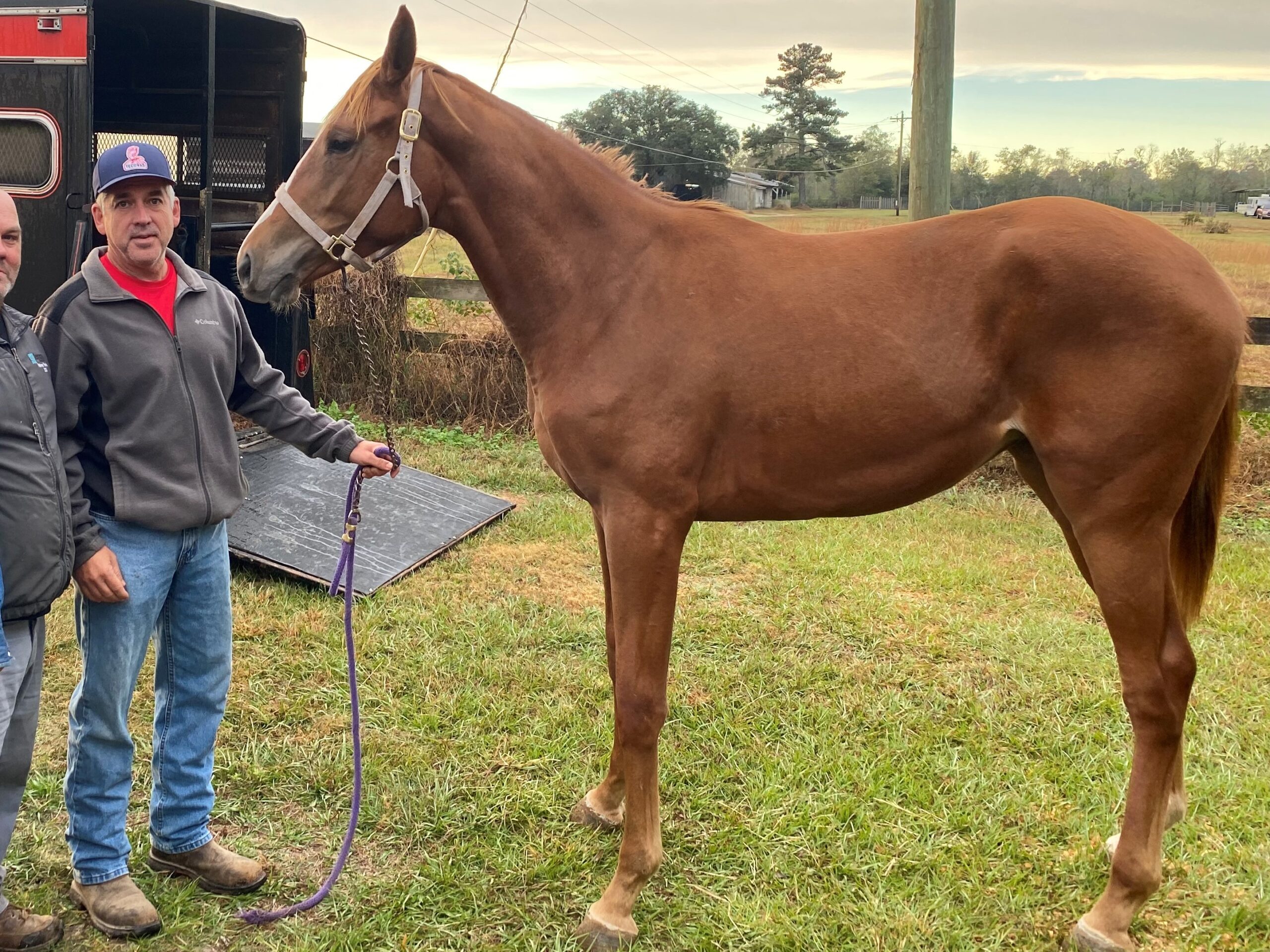
About Miles Henry
Racehorse Owner & Author | 30+ Years in Thoroughbred Racing
Miles Henry (legal name: William Bradley) is a professional horseman based in Folsom, Louisiana. He holds Louisiana Racing License #67012 and has spent over three decades managing Thoroughbreds at premier tracks including Fair Grounds, Delta Downs, and Evangeline Downs.
Expertise & Hands-On Experience: Beyond the track, Miles has decades of experience in specialized equine care, covering everything from hoof health and nutrition to training protocols for Quarter Horses, Friesians, and Paints. Every guide on Horse Racing Sense is rooted in this “boots-on-the-ground” perspective.
30 of their last 90 starts
Equibase Profile.

Connect with Miles: