
Last updated: September 25, 2026
You’ve found a horse you like, studied the past performances, and decided to put in a claim. Then the race goes official, your name comes up in the shake, and the excitement turns into a practical question: What happens after you claim a racehorse? That’s the part many first-time claimers don’t think through until they own the horse. Who picks the horse up? Where does it go after the race? What paperwork do you need? What should you check before you walk it back to the barn?
Quick answer: After a successful claim, your trainer or groom reports to the track’s post-race release area with a halter and lead shank, takes possession when the horse is released, and gets it back to a prepared stall. I check the horse as it cools out, make sure it has water and hay, ask about its ordinary routine, and keep the first night quiet. Before shipping, I confirm with the racing office which registration, identification, Coggins, and health documents need to travel with the horse.
This guide is about the work that begins after the claim ticket is in: the post-race handoff, the walk back to the shedrow, the first-night checks, and the morning-after decisions. It is not a guide to choosing a claim or bringing any new horse home. Those are separate jobs.
If you’re still deciding whether to drop a ticket, read my guide to claiming races and how I evaluate horses before a claim. This page starts when the race is over, and the horse is yours to manage.
Table of Contents
Before the Gate Opens: Get the Barn Ready
You don’t start making calls after the horse crosses the wire. The time to organize the stall, the people, and the paperwork is before you put a claim slip in the box.
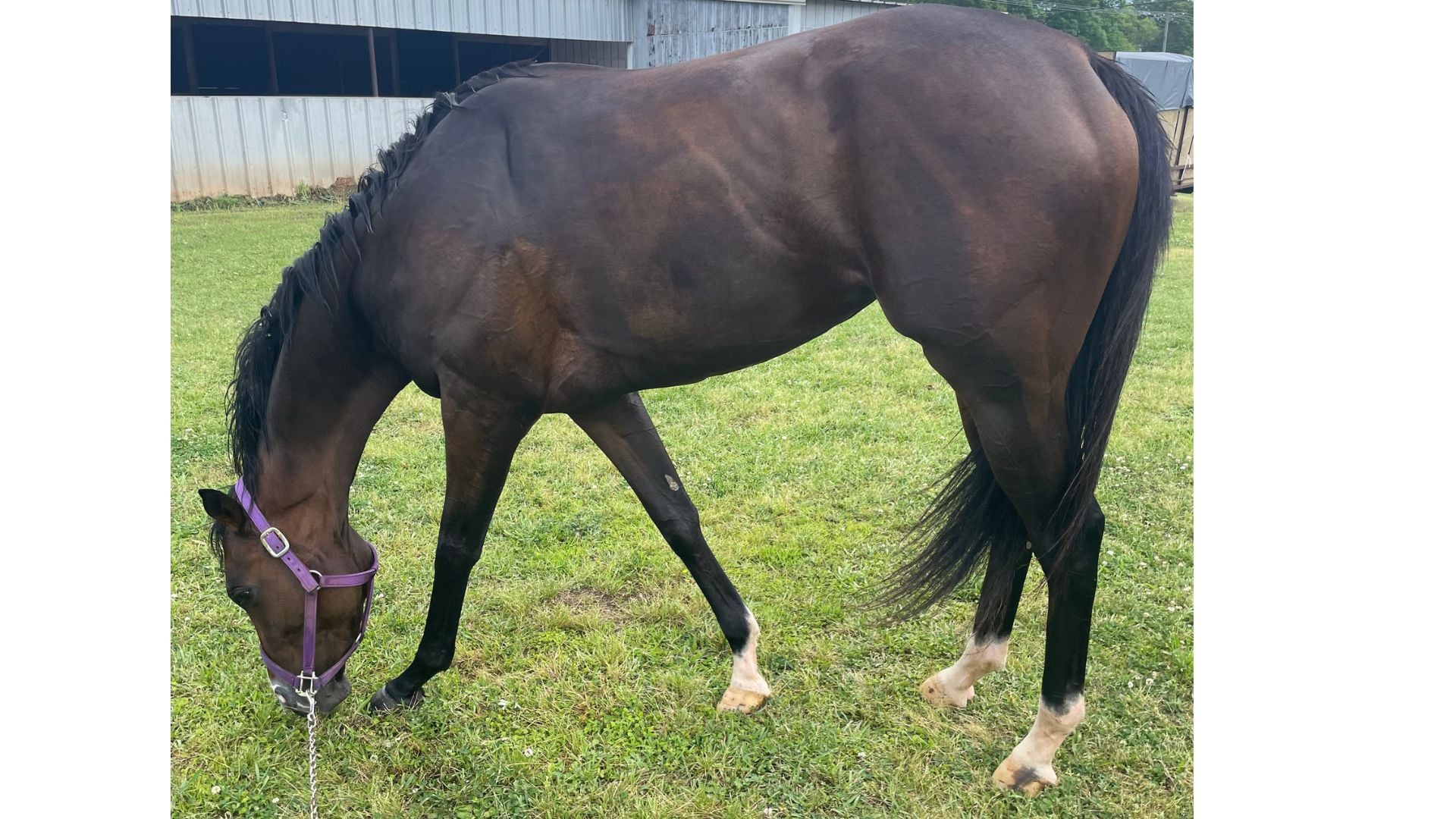
At the Louisiana tracks where I’ve claimed, I handle the practical side first. I make sure our account is funded, my trainer knows the horse is coming, and there’s a stall ready before post time. A horse coming off the track should not be left standing in a hot shedrow while someone hunts for bedding, buckets, or a halter.
- Check the horsemen’s account: I confirm there are cleared funds to cover the claim amount and the charges the racing office requires. Handle that before the claim deadline, not after the race.
- Strip and bed the stall: I want a clean stall, fresh bedding, water buckets, and hay in place. The horse may have run hard, been in a busy paddock, and changed barns in a single hour. A quiet place to stand matters.
- Send the right person to the handoff: My trainer or groom goes with our own halter and lead shank. The former barn will need its equipment back, and I would rather lead a new horse in gear that fits and that our people know how to use.
- Have a plan if the horse must ship: Know the trailer, destination, driver, and paperwork requirements before race day. If there is any question about documents, ask the racing office before you claim.
- Keep the veterinarian’s number nearby: Most claims don’t need an emergency call, but a horse that comes back injured, distressed, or clearly unwell needs prompt professional attention.
Horseman’s take: A bedded stall, clean buckets, a halter, and the right person waiting on the horse sound ordinary. They’re ordinary. They’re also the things that keep the first hour from becoming a mess.
After the Race: Taking Possession
When the race is over, stay available. Your trainer or groom needs to be where the racing office and officials direct them, with the halter and lead shank in hand. Do not assume the horse will walk straight from the track to your stall. A horse may be directed through the track’s post-race testing or release process first.
If the horse goes to the test barn, I let the officials do their job and make sure our representative knows where the horse will be released. I don’t disappear to celebrate a good claim or sulk over a bad race. The claim is real at that point, and someone from my barn stays close until the horse is in our care.
| Moment | What I do | What I watch for |
|---|---|---|
| Race comes down | Stay reachable and make sure my trainer or groom is headed to the correct post-race area. | Whether the horse returns normally or is directed elsewhere before release. |
| Horse is released | Swap to our halter and lead shank, then walk the horse away quietly. | Obvious cuts, track stings, heat or filling in a leg, unusual breathing, or a horse that does not look comfortable. |
| First look at the horse | Look over the legs, feet, body, and head while the horse is still warm from the race. | Anything that needs the trainer’s attention or a call to the veterinarian. |
| Back at our shedrow | Get the horse into the prepared stall and let it cool out, drink, and settle. | How it stands, breathes, drinks, eats, and behaves once the track excitement fades. |
I am not trying to give a veterinary diagnosis in the shedrow. I am looking for the things an owner should notice right away: a horse that is dull, laboring to breathe, too sore to walk comfortably, cut up, bleeding, or acting unlike a horse that has simply come back from a race.
The Walk Back to the Barn
The walk from the handoff to your stall is not a formality. It’s your first chance to see the horse moving under your own lead shank and to notice how it handles a new person, a new direction, and a new barn.
- Walk, do not rush: A newly claimed horse does not need to be dragged through a crowd. Give it enough room, keep the lead organized, and get back to the stall without turning the trip into a parade.
- Watch the stride: I notice whether the horse is taking an even step, protecting a foot, dragging a toe, or moving short behind. One walk does not tell the whole story, but it gives me a first impression to compare tomorrow.
- Look at the legs and feet: When the horse is warm, I look for fresh cuts, swelling, loose shoes, obvious tenderness, or anything that was not apparent from the paddock or post parade.
- Listen to the horse: Hard breathing, coughing, an unusual noise, or a horse that cannot settle deserves attention. If the horse worries my trainer or groom, I would rather call the veterinarian than talk myself out of a concern.
- Notice the mind: Some horses walk into a new stall, drop their heads, and go to work on hay. Others are wound up, stall-walk, call, or refuse to settle. That is useful information, not a reason to panic or start changing everything.
The First Night in the New Stall
The first night tells you more than the winner’s circle does. Once the lights, noise, and race-day activity have settled, you begin to see how the horse eats, drinks, stands in the stall, and handles the change of barns.
- Give the horse room to settle: I don’t want a crowd around a new claim. The horse needs a quiet stall, water, hay, and people who handle it without creating more excitement.
- Check the basics through the evening: I want to know whether the horse drank, picked at hay or feed, passed manure, and looked comfortable standing in the stall.
- Put hands on the horse: I run my hands over legs, feet, back, and girth area. I’m not trying to diagnose the horse in the stall; I am learning what it feels like when it first comes into our barn.
- Write down what you see: I note the race, claim date, first observations, appetite, movement, and anything unusual. A few honest notes are more useful than a fuzzy memory three days later.
- Ask about the ordinary routine: If I can learn what feed the horse was getting, how it was shod, whether it has a stall vice, or what it normally does after a race, I ask. That information helps me make a smoother first few days.
Call your veterinarian promptly when a horse looks clearly unwell.
- Difficulty breathing, collapse, persistent distress, or major bleeding
- Signs of colic, including repeated rolling, pawing, looking at the flank, or marked discomfort
- Severe lameness, inability to bear weight normally, a serious wound, or a sudden major change in movement
- Fever, depression, refusal to eat or drink, or any situation that concerns the experienced people caring for the horse
Do not wait on a serious concern because the horse looked fine in the paddock or ran a good race.
For the broader process of settling a horse after a move, including transport and general transition management, read my guide to moving a horse to a new home. That article covers the longer adjustment; this one stays with the first post-claim hours at the track.
Papers, Records, and Shipping
Before a claimed horse leaves the grounds, I make a point of knowing what documents must go with it and where they are being held. The racing office is the place to start. Ask about the registration or identification record, current Coggins information, health paperwork, and anything else needed for the horse’s next destination.
I also ask the former connections about the horse’s everyday program. A groom or hotwalker may know the feed brand, the horse’s habits, whether it drinks from a certain bucket, which side it is easier to bridle, or how it acts after a race. That is the kind of information that can help a new barn avoid unnecessary drama on the first night.
- Confirm the horse’s documents before hauling: Do not wait until the trailer is at the gate to learn that a required document is missing or held elsewhere.
- Ask about the current shoeing setup: I want to know what is on the horse’s feet before I decide whether anything needs to change.
- Ask what the horse has been eating: The point is not to copy another barn forever. It is to avoid making blind changes while the horse is tired and adjusting.
- Review the public record yourself: Past performances show race spacing, workouts, surfaces, class levels, and form. My guide to reading a racing form explains how I use those lines.
- Keep your own file from day one: Save papers, racing-office information, veterinary invoices, farrier notes, and your own observations. A claimed horse becomes easier to manage when the new team has a clean record of what it has seen.
If you are shipping that night or the next morning, make the decision with the horse’s condition in mind. A horse that raced hard, looks uncomfortable, or needs veterinary attention is not a horse I rush onto a trailer because I want it home.
The Morning After: What I Check
Morning feed is when I get a more honest look. The horse is no longer running on race-day energy, the barn is quiet, and the first night has told me whether it ate, drank, rested, and settled.
| Morning check | Why I look | What it tells me |
|---|---|---|
| Appetite and water | A horse that is eating and drinking normally is usually handling the transition better than one that is off its routine. | How well the horse is settling after a race and a barn change. |
| Stall and manure | I want to see that the horse has rested and that ordinary barn functions are continuing. | Whether the horse appears comfortable enough to begin establishing a baseline. |
| Legs and feet | Some soreness, heat, filling, or foot trouble is easier to see after the horse has stood overnight. | Whether my trainer or veterinarian needs to look more closely. |
| Walk out of the stall | The first steps in the morning can reveal a change that was not obvious when the horse was still warm after the race. | How freely and comfortably the horse is moving. |
| Attitude | Bright eyes, interest in the aisle, and a normal response to people are part of the overall picture. | Whether the horse looks like it is settling or telling us that something is wrong. |
I have seen horses look fine right after a race and show a problem the next morning or several days later. That is not a reason to assume every claim has a hidden issue. It is a reason to pay attention early, keep good notes, and let the horse show you where it is physically and mentally before you make a plan for the next start.
What I Don’t Change Yet
A new claim gives people the urge to fix everything at once. New feed. New shoes. New supplements. New training. A new entry. I’ve learned that the better first move is often to slow down long enough to find out what the horse actually needs.
- I don’t rush an entry: A horse can fit a race on paper and still not be ready to run. The trainer, veterinarian, and horse’s condition should decide when it comes back, not the first appealing condition in the book.
- I don’t overhaul the feed program overnight: I want to know what the horse has been eating and how it is handling the move before changing several things at once.
- I don’t change shoeing because it looks unfamiliar: I ask questions, watch the horse walk, and let my farrier and veterinarian help decide whether a change is needed.
- I do not guess at treatments or medication: A claimed horse deserves decisions based on a real examination and the applicable racing rules, not a barn-aisle theory.
- I don’t treat one quiet night as a complete answer: The first 24 hours give you a starting point. They do not tell you everything about the horse you claimed.
For the longer job of conditioning a sound horse, see how racehorses are trained. When the horse is ready to be entered, use the current book and my guide to reading a horse-racing condition book.
A Lesson From My Barn
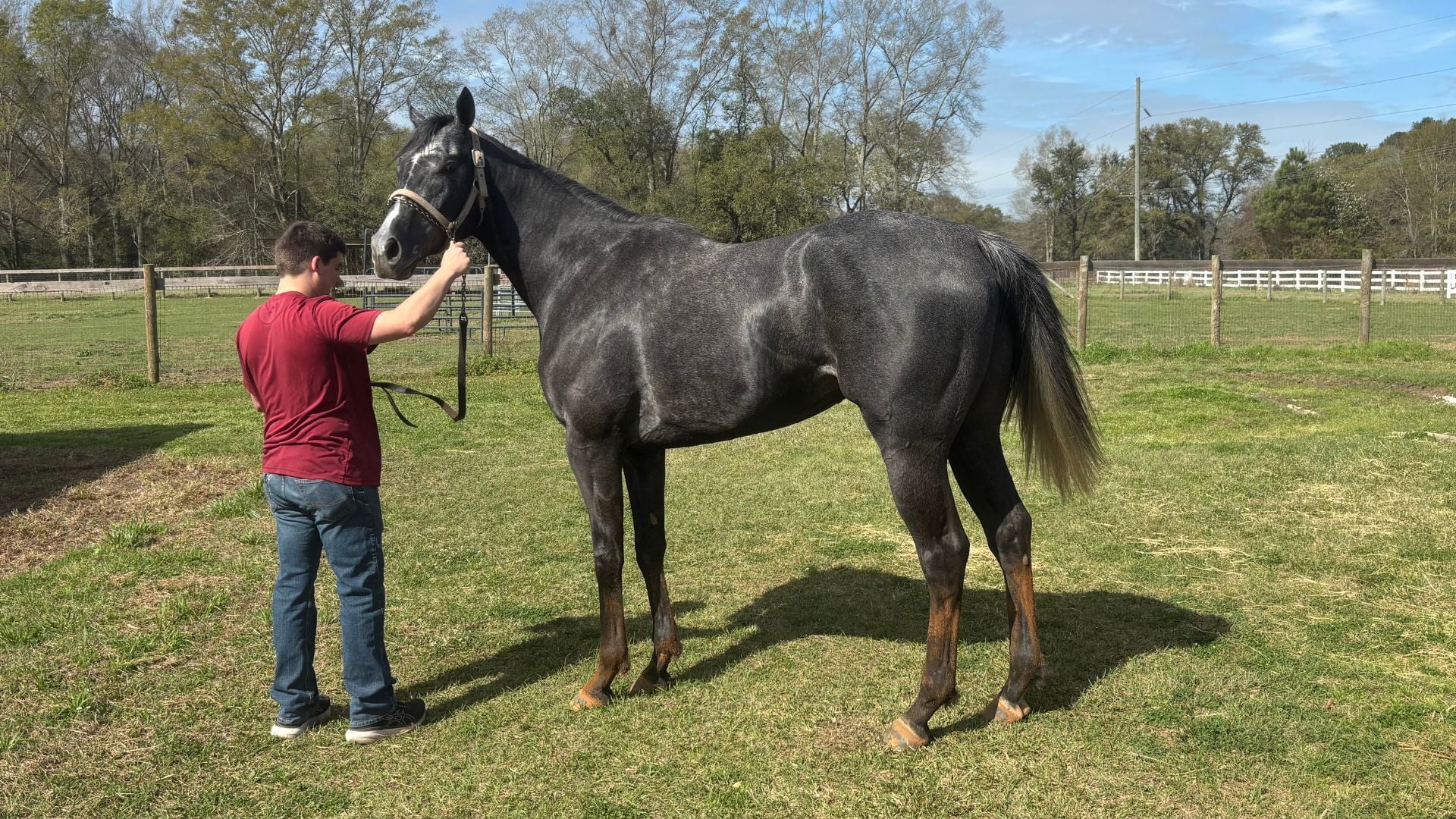
I’ve claimed horses across the Louisiana circuit—Fair Grounds, Delta Downs, Louisiana Downs, and Evangeline Downs. If the track teaches you one thing, it is that a horse can look like a million dollars under the lights and give you a different story at five o’clock the next morning.
At the end of a Fair Grounds meet, I’ve claimed Louisiana-breds with the Evangeline Downs circuit in mind. Bigger barns sometimes reduce their strings or decide not to ship every horse to the next meet. That can create an opportunity for a smaller owner, especially when the horse fits Louisiana-bred conditions. But it does not mean the horse is ready to run back in the first race that matches its eligibility.
I separate the buying decision from the next-entry decision. I may like the horse’s class, running style, or state-bred eligibility. After the claim, though, I still want to see how it cools out, eats, walks the next morning, and settles into our barn. That’s when you begin to learn what you really bought.
Horseman’s take: Do not let an open condition in the book make the decision for you. A horse can be eligible for a race and still need time. Patience in that first week protects the horse and the money you just spent.
What Happens After You Claim a Racehorse? FAQs
What should I have ready before I claim a racehorse?
Have your horsemen’s account funded, your licensed trainer arranged, a clean bedded stall or transport plan ready, and a groom or trainer prepared to accept the horse with your own halter and lead shank. Confirm the racing-office requirements before post time.
Where do I pick up a horse after a claiming race?
Your trainer or authorized representative should report where the track directs after the race. The horse may be released from a designated post-race area or may go through the track’s testing or release process first. Stay available until the horse is in your barn’s care.
What should I check the first night after a claim?
Watch whether the horse drinks, eats, passes manure, stands comfortably, and settles in the stall. Look over its legs and feet, note how it moves, and write down anything unusual. Serious lameness, breathing trouble, colic signs, major bleeding, or a horse that seems clearly unwell calls for prompt veterinary attention.
What papers do I need before shipping a claimed horse?
Ask the racing office what registration or identification record, Coggins information, health paperwork, and track release documents are required for your destination. Do this before the trailer arrives at the gate, not after.
Should I enter a claimed horse right away?
Not automatically. A horse may fit a race on paper but still need time after the race and barn change. Let the horse’s condition and the guidance of your trainer and veterinarian determine the next start.
Claiming a racehorse doesn’t end with a successful slip. The horse needs a prepared stall, capable hands, a calm first night, and enough patience for you to see what it tells you after the race. The best claimers do not just pick horses well. They are ready to take care of them from the moment the race is over.
About Miles Henry
Racehorse Owner & Author | 30+ Years in Thoroughbred Racing
Miles Henry (legal name: William Bradley) is a professional horseman based in Folsom, Louisiana. He holds Louisiana Racing License #67012 and has spent over three decades managing Thoroughbreds at premier tracks including Fair Grounds, Delta Downs, and Evangeline Downs.
Expertise & Hands-On Experience: Beyond the track, Miles has decades of experience in specialized equine care, covering everything from hoof health and nutrition to training protocols for Quarter Horses, Friesians, and Paints. Every guide on Horse Racing Sense is rooted in this “boots-on-the-ground” perspective.
30 of their last 90 starts
Equibase Profile.

Connect with Miles: