
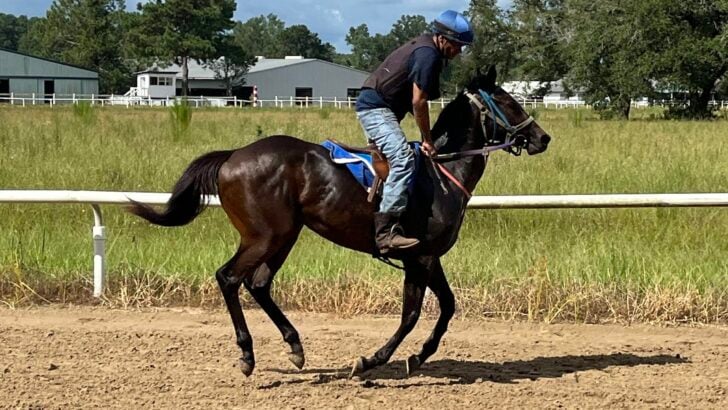
Last updated: July 20, 2026
Any links on this page that lead to products on Amazon are affiliate links and I earn a commission if you make a purchase. Thanks in advance – I really appreciate it!
A bowed tendon is an injury to the tendon running down the back of a horse’s cannon bone, most often the superficial digital flexor tendon. It usually causes heat, swelling, and a visible bow-shaped bulge, and it often needs veterinary diagnosis and a carefully managed rehabilitation period.
The scary thing about a bowed tendon is that the damage often starts well before you can actually see the bow — by the time that classic curve shows up on the back of the cannon bone, the tendon’s usually already been hurt for a while. I’m Miles Henry, a Louisiana horse owner with over thirty years in the racing business.
I’ve seen my share of bowed tendons, from early warning signs after a workout to career-ending tears that took months to rehab. I remember a three-year-old colt at Delta Downs who came back from a five-furlong breeze with his right front filling up like a balloon. That was a high bow — a serious tendon injury. He never raced again.
Two weeks later, we caught early heat on a different horse. I iced her right away, had the vet out within the hour, and she eventually went on to win a stakes race. Same warning sign, two completely different outcomes — and the difference came down to catching the heat early and acting fast.
Whether you’re managing a racehorse, a barrel racer, or a weekend trail horse, this guide provides the framework for recognizing, treating, and preventing bowed tendons.
Research and veterinary references used for this guide include the Jockey Club Equine Injury Database, AAEP lameness guidelines, Merck Veterinary Manual, UC Davis Center for Equine Health, and HISA safety reports. Always consult a licensed equine veterinarian for medical decisions about your horse.
Table of Contents
What Does a Bowed Tendon Look Like?
Most owners spot a bowed tendon by a combination of these signs, not any single one alone:
- Heat. The tendon feels noticeably warmer than the surrounding skin or the same spot on the opposite leg.
- Swelling. Puffiness or fluid buildup along the back of the cannon bone, often before any visible curve appears.
- Thickening. The leg looks or feels thicker than the opposite leg when compared side by side.
- Pain on palpation. The horse flinches or pulls away when you run a hand down the tendon.
- The visible bow. A curved, outward bulge along the back of the cannon bone — the classic sign, but often the last one to appear, after heat and swelling have already shown up.
Heat and swelling often appear before the bow itself becomes visible, which is exactly why catching it early matters — see the decision guide below for what to do the moment you notice any of these signs.
Quick Decision Guide: What to Do Right Now
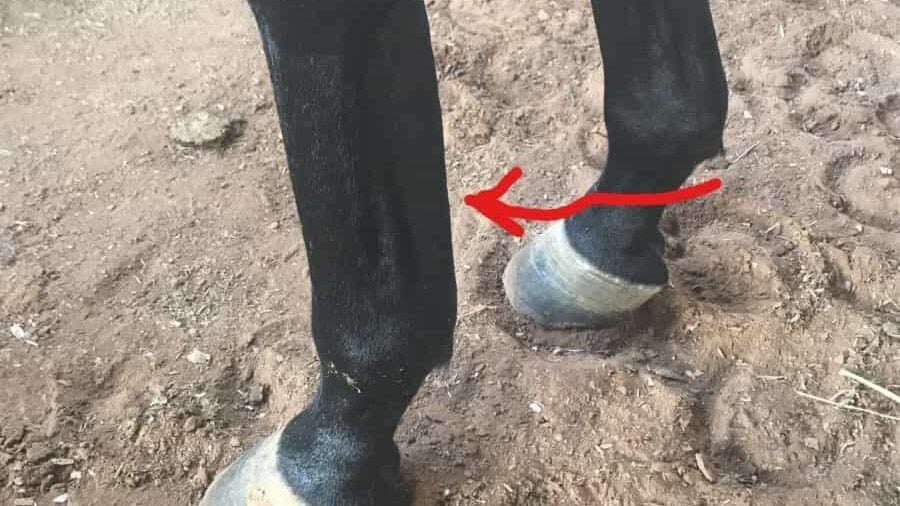
Before you apply ice or wraps, use this framework to decide if you need immediate veterinary attention:
| What You See | Your Action | Why | Critical Warning |
|---|---|---|---|
| Mild filling, leg feels cool | Monitor closely | Could be harmless windpuffs or stocking up | Don’t ignore if it persists or worsens |
| Heat + any swelling | Call vet immediately | Signals active inflammation and possible fiber damage | Don’t attempt DIY treatment |
| Visible “bow” shape | Emergency vet call | Often means a significant tendon tear | Don’t ride, wrap, or delay |
| Vet-diagnosed bow | Follow rehab plan exactly | Proper healing lowers re-injury risk | No shortcuts on the 8–11+ month timeline |
| Old/healed bow | Vet clearance before work | Scar tissue is weaker than original tendon | Avoid high-speed or high-impact work without approval |
Miles’ Track Notes: At the Fair Grounds, we ice every horse’s front legs after fast works, even if there’s no visible heat. Prevention beats treatment every single time.
Stories from the Shedrow
The Early Heat Save
I had a filly at the Fair Grounds for an official work, five furlongs. She came back with some warmth in that right front — nothing you could see, no limp, just heat when I ran my hand down the leg. My exercise rider mentioned afterward that she’d felt a little off in the last furlong, which I might have brushed past if I hadn’t already felt that heat myself. We iced her right there, called the vet, and he found a minor fiber strain — caught early enough that thirty days of rest and a slow build-back had her training again.
Heat is your warning light. Ice it, call the vet, and don’t talk yourself into waiting to see if it gets worse.
The Missed Warning
A trainer I knew had a nice-looking two-year-old colt come back from a workout with some filling in the leg — no heat to it, just puffiness. He figured it was stocking up, the kind of thing that shows up and goes away overnight. It didn’t go away. Three days later, after another breeze, that colt came back with a full-blown bow. They turned him out for a year and eventually brought him back into training — I lost track of whether he ever made it to the races again.
Repeated filling in the same spot after work is worth a vet’s opinion, heat or no heat.
The Bandage Bow
One horse came in from the barn heat, swollen, and lame — legs had been wrapped too tight overnight, and in the wrong direction on top of it. The vet called it a bandage bow, which is horseman’s shorthand for swelling and inflammation around the tendon from a bad wrap job, not necessarily a true tear of the fibers — but it still meant the same careful rest and watching as any other bow.
Never wrap over heat, and if you’re not sure about the two-finger rule or which direction to wrap, ask someone who knows before you do it wrong.
What Causes Bowed Tendons?
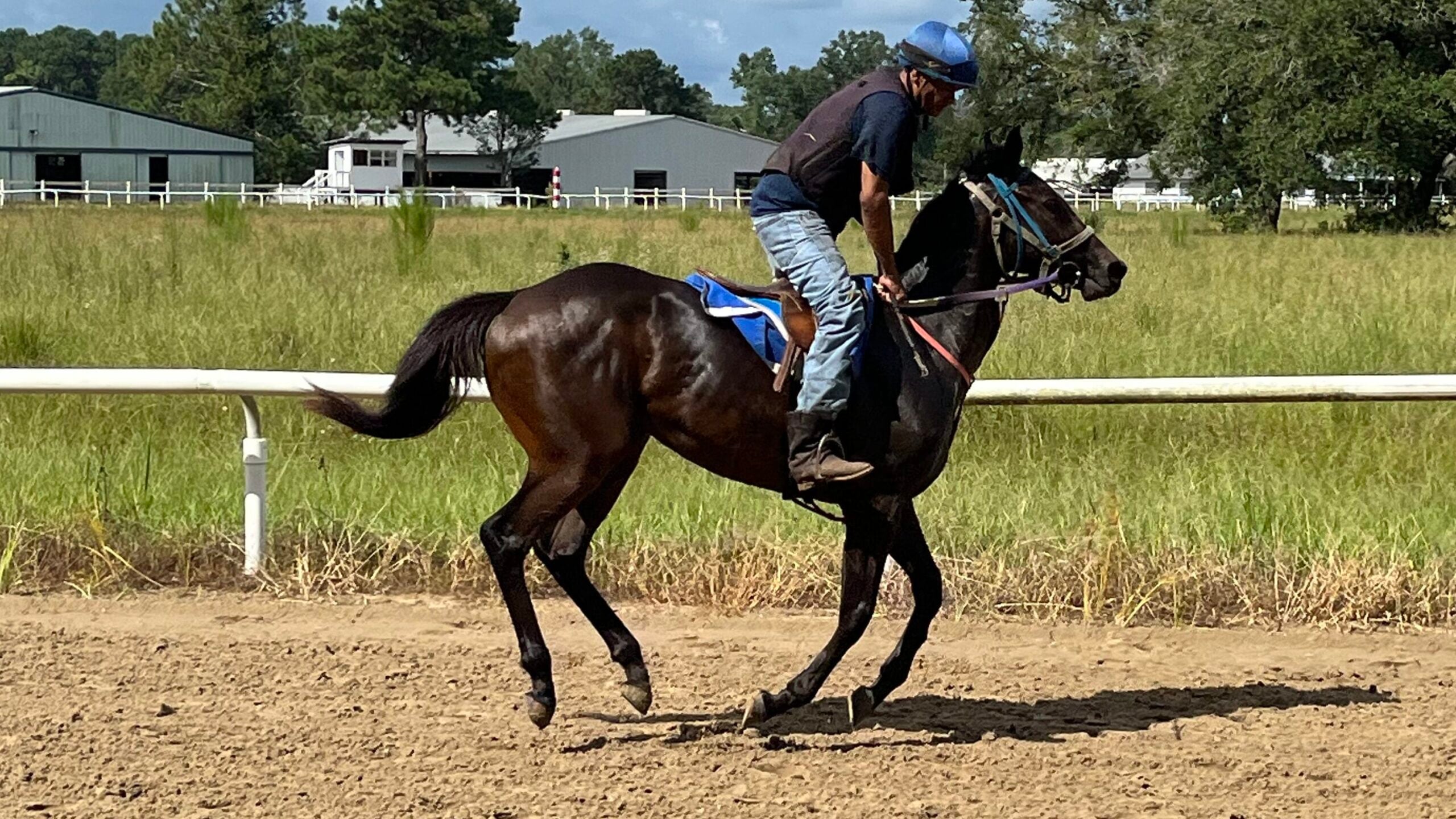
Research places the prevalence of superficial digital flexor tendon injury in Thoroughbred racehorses at roughly 8% to 43% over a career (reported figures vary significantly by population studied, training environment, and follow-up period) — a wide range that reflects real differences across tracks and tracking methods, not a contradiction. It’s one of the most common career-limiting injuries in the sport.
The root causes, most common first:
- Fatigue (the #1 risk factor). Tired muscles stop supporting the tendon, and the load shifts onto the tendon fibers directly. Gradual conditioning and recognizing early fatigue signs are the main defense.
- Poor footing. Deep sand or sun-baked hard ground creates uneven mechanical stress. Well-harrowed dirt or cushioned, groomed turf is safest.
- Speed plus fatigue. High-speed work on tired legs creates peak tendon load at the weakest moment.
- Improper shoeing. Long toes and low heels increase strain by delaying breakover. Regular farrier work every 4–6 weeks helps maintain balance.
- Age and workload. Underdeveloped tendons in young horses aren’t ready for extreme speed; in older horses, accumulated microtears weaken the structure over time.
- Improper wrapping. Too-tight or uneven wraps can create pressure and inflammation around the tendon area — what horsemen commonly call a “bandage bow.” This is usually swelling and inflammation of the tissue around the tendon rather than true fiber tearing, but it’s still painful and needs the same careful management. Use proper leg wrapping technique and never wrap over heat.
Miles’ Take: I see more bowed tendons in July and August than any other time. Horses fatigue significantly faster in the Louisiana summer heat — that’s when tendons are at their most vulnerable. If the heat index is high, shorten the work.
How Vets Diagnose a Bowed Tendon (Ultrasound & Exams)
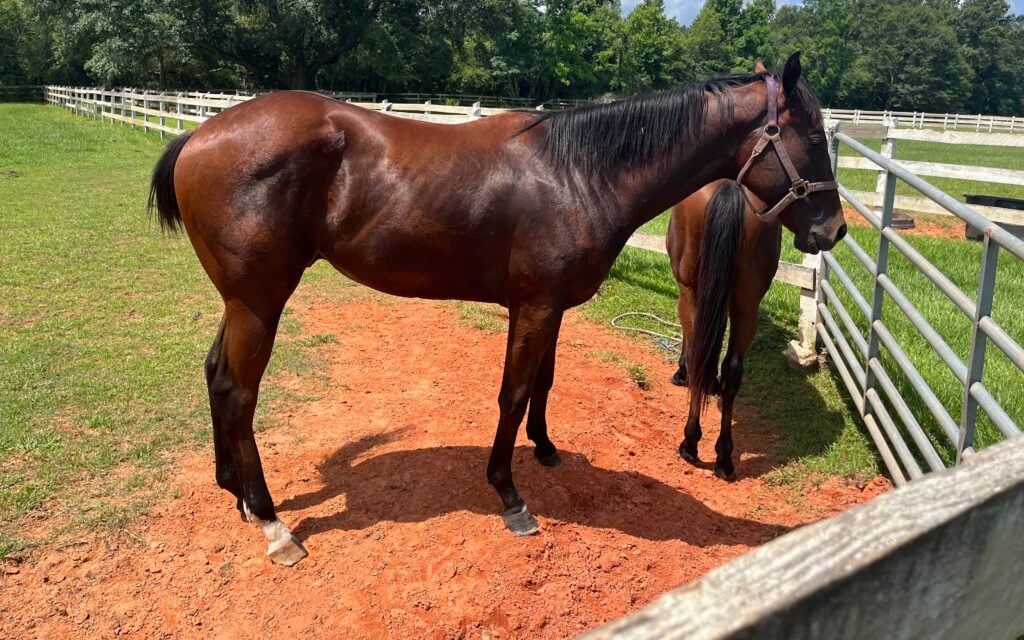
Veterinarians use a four-step diagnostic process: a physical palpation exam, a lameness evaluation (trotting), ultrasound imaging, and follow-up scans. Ultrasound is the primary imaging method for evaluating tendon fiber damage, since it lets the vet see fiber alignment and distinguish between a minor strain and a career-threatening tear.
Critical truth: you can recognize external signs, but only professional imaging reveals whether you’re dealing with a minor strain or a career-ending tear.
The 4-Step Veterinary Diagnosis
- Palpation (physical exam). The vet feels along the entire tendon length to identify inflammation, thickening, or a pain response — this helps distinguish acute tendinitis from a more localized bow.
- Lameness evaluation. The horse is trotted in hand to assess the degree of lameness, and to rule out other causes of lameness that can mimic a tendon injury.
- Ultrasound imaging. The most useful routine tool for this — the only way to see fiber alignment. Healthy tendon appears bright white on the scan; damaged areas show up as dark gray or black, indicating fluid or fiber tears.
- Follow-up ultrasounds. Healing is monitored with repeat imaging every 30–60 days to track scar tissue formation and fiber realignment before increasing workload.
Bowed Tendon Treatment & Rehab Timeline
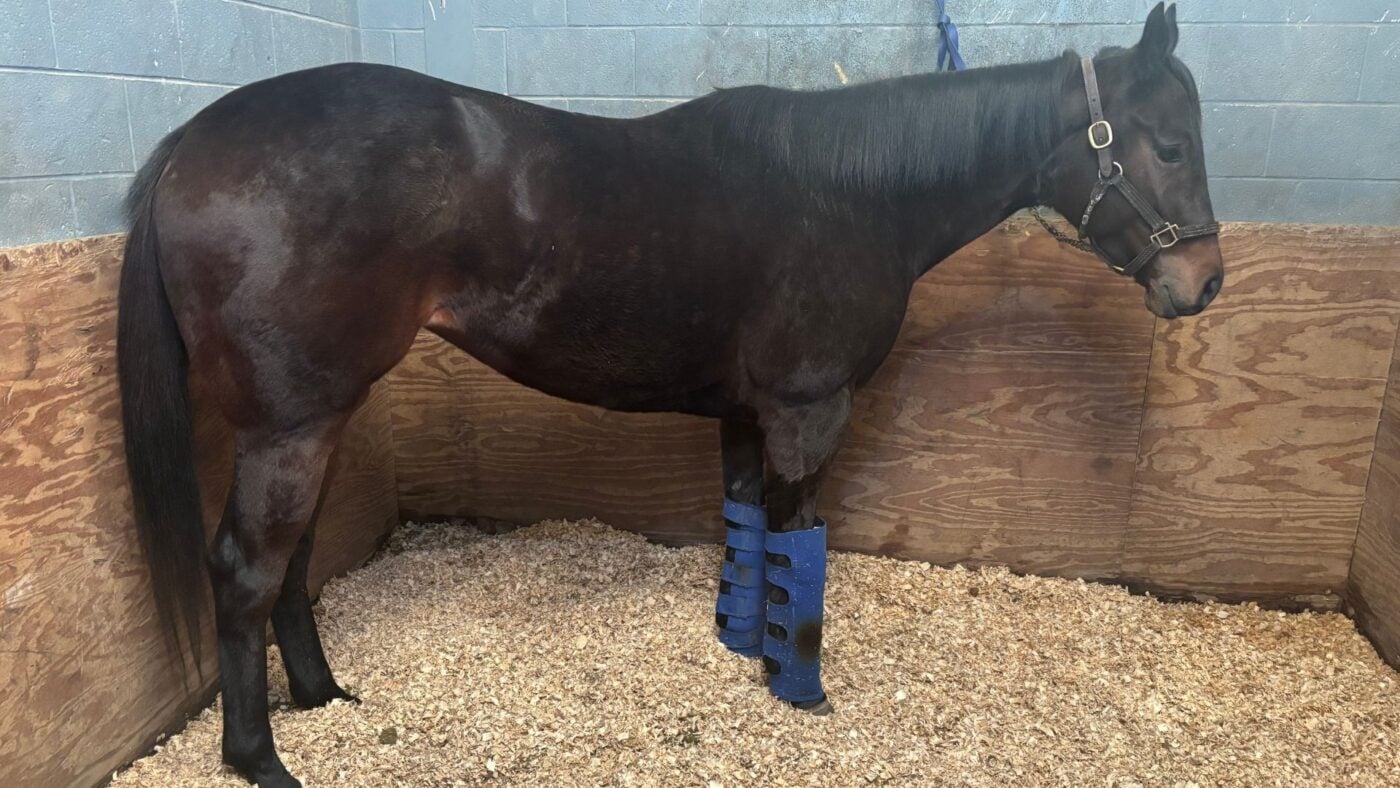
Recovering from a bowed tendon typically takes 8 to 11 months, with full tissue maturation often requiring up to 16 months. Rushing this process is one of the most common causes of re-injury.
| Phase | Focus | What It Looks Like |
|---|---|---|
| Phase 1: Acute (0–30 days) | Stop further damage, control inflammation | Complete stall rest; regular ice therapy; standing wraps only after heat subsides |
| Phase 2: Subacute (30–90 days) | Begin healing, prevent excess scar stiffness | Hand-walking 5–15 min daily on firm ground; ultrasound check around day 60; regenerative therapies considered |
| Phase 3: Remodeling (3–6 months) | Strengthen scar tissue through gradual loading | Light trotting under saddle after vet clearance; add 5–10 minutes every two weeks if the leg stays cool |
| Phase 4: Return to Work (6–12+ months) | Gradual return to normal training | Build back slowly toward gallops or jumping; watch closely for heat or filling after every workout |
The hard part: the horse will often look and feel sound well before the tendon is actually ready. Phase 3 is a particularly risky period because horses often feel sound before the tendon has actually finished remodeling, which is exactly when owners get tempted to rush it.
Common Treatments Your Vet May Use
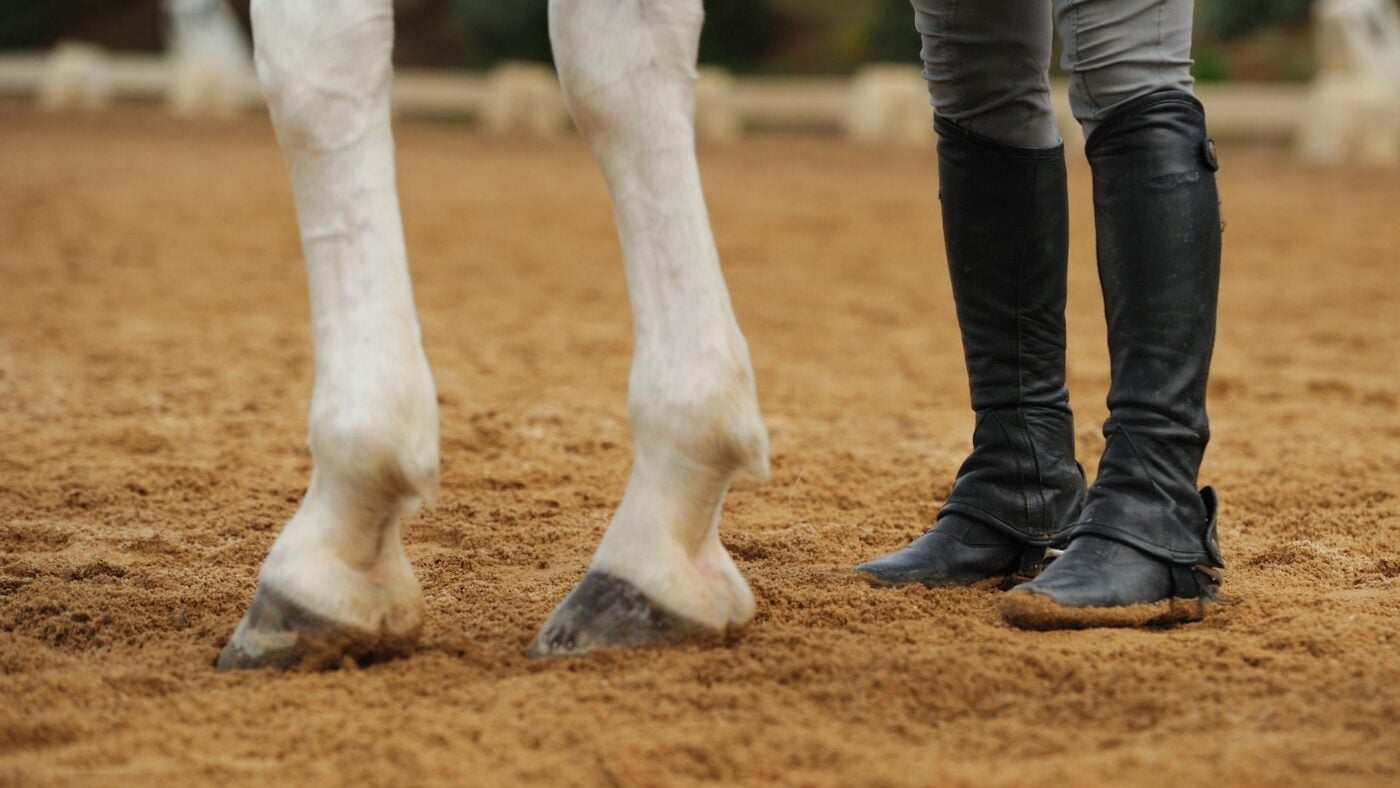
Cold therapy (ice boots): applied 20 minutes at a time, 3–4 times daily in the acute phase, to reduce swelling and internal inflammation. Many trainers, myself included, use ice boots for routine post-work cooling as a practical habit, especially with horses at higher risk.
NSAIDs: phenylbutazone (Bute), firocoxib (Equioxx), or flunixin meglumine reduce pain and inflammation. Your vet prescribes dosage and duration based on the severity of the bow.
Regenerative therapies: PRP (platelet-rich plasma) uses the horse’s own blood to concentrate healing factors; shockwave therapy promotes blood flow (check your discipline’s rules on competition bans). Stall rest alone tends to produce weaker scar tissue than rest paired with a correct controlled-movement protocol. I’ve seen horses return to top form from a bowed tendon, and I’ve seen others that never made it back — the deciding factor is almost always whether the vet’s timeline was followed exactly, start to finish.
Cost of Treating a Bowed Tendon (Reality Check)
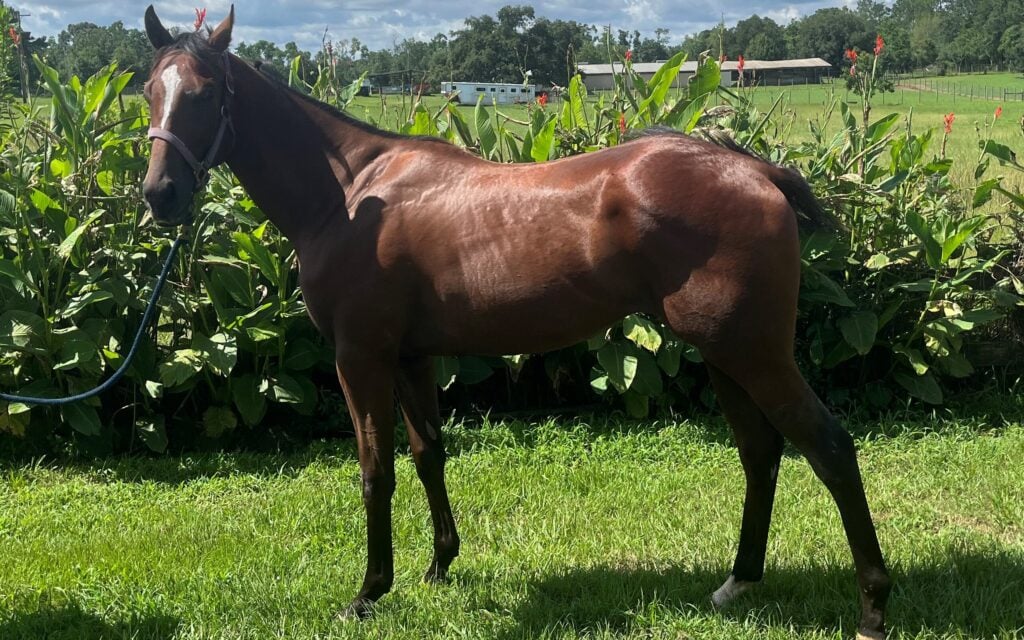
In my experience managing horses through this injury, treating a bowed tendon typically runs $3,000 to $25,000+, depending on severity and whether regenerative therapies like PRP or stem cells are used. These are working estimates from real cases, not a published pricing standard — actual costs vary by region, clinic, and case. The total includes vet fees, multiple ultrasounds, and the significant cost of 8–12 months of stall board during recovery.
| Procedure | Typical Cost | Notes |
|---|---|---|
| Initial ultrasound | $275 – $675 | Per leg; diagnostic baseline |
| Farm call fees (4–8 visits) | $300 – $2,000 | Travel, sedation, and handling |
| PRP injection | $450 – $2,500 | Regenerative blood-based therapy |
| Stem cell therapy | $2,000 – $5,000+ | Advanced cellular repair |
| Stall board (8–12 months) | $2,400 – $8,400 | See our boarding cost guide |
Miles’ Track Math: a moderate bow plus PRP often hits the $8,000 mark quickly. I’ve seen horses earn $40k only to re-bow because the owner skipped the final $500 ultrasound check. Consistent monitoring — and reasonable cooling habits like ice boots — cost a lot less than the alternative.
Bowed Tendon Prognosis: Can Horses Return to Work or Racing?
Return-to-racing rates after a bowed tendon vary widely across published studies — anywhere from about 14% to roughly 60%, depending on injury severity, the specific tendon zone affected, and how a study defines “successful return.” Re-injury is also common: one retrospective cohort study of Thoroughbred racehorses found that more than half of horses who did return to racing after an SDFT injury went on to re-injure. There’s no single settled number here, and any source that gives you one clean statistic without a range is oversimplifying real, messy data. Success also depends heavily on discipline: racehorses and barrel horses face the highest ongoing stress, while dressage and trail horses generally have a better long-term prognosis.
| Discipline | Realistic Outcome | Re-Injury Risk | Key Factors |
|---|---|---|---|
| Racing (TB/QH) | Wide range reported; often the lowest of any discipline | Very high | High-speed stress; fewer return to previous class |
| Barrel Racing | Moderate success | High | Lateral stress from turns often leads to career changes |
| Eventing/Jumping | Success at lower levels | Moderate to high | Landing impact stresses fibers; may need lower fences |
| Dressage/Flat | Good prognosis | Low to moderate | Controlled movements reduce risk of mechanical failure |
| Trail/Pleasure | Best prognosis of any discipline | Low | Flat terrain and manageable pace allow for long careers |
Miles’ Honest Take: I’ve retired more horses to breeding or pleasure riding than I’ve brought back to racing. A $10,000 claimer can become a $50,000 broodmare or a safe trail horse for 20 years. Success isn’t always getting back to the starting gate — it’s knowing when to pivot for the horse’s sake.
Questions I Ask Before Buying a Horse With a Previous Bow
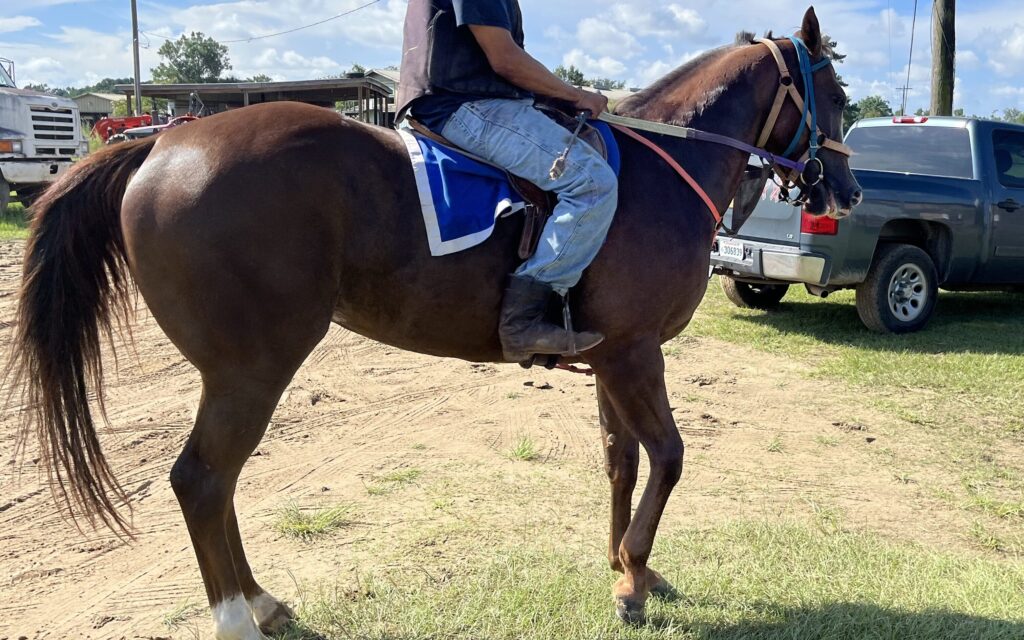
A prior bow on a horse’s record doesn’t automatically mean walk away — I’ve claimed horses with old tendon histories that went on to be sound, useful horses for years. But it does mean asking the right questions before you commit, whether you’re claiming, buying privately, or evaluating a horse someone’s offering you for free.
- When did the injury happen, and how long ago? A bow from three years ago that’s been sound and working ever since tells a very different story than one from four months ago.
- Which tendon, and how severe? A mild strain and a high bow with a complete tear are not the same risk, even if both get called “a bow” casually.
- Are there ultrasound records available? Ask to see them, or ask permission to have your own vet review the imaging. A seller who can’t or won’t produce records is telling you something.
- Did the horse complete a full rehab timeline, or was it rushed? A horse brought back too soon is a much bigger re-injury risk than one that got the full 8–11+ months.
- What’s the current workload, and how has the leg held up under it? A horse that’s been back in full work for a season with no recurrence is a far better sign than one just starting to build back up.
- Get your own vet’s opinion before you commit. A pre-purchase exam with fresh imaging on that leg specifically is worth the cost, every time, on a horse with any tendon history.
Miles’ Take: I’ve passed on horses with a bow history that made me uneasy, and I’ve claimed others with an old bow that I felt good about because the record was clean afterward. The difference was never the fact that a bow happened — it was whether I could actually see how the horse held up once it went back to work.
How to Prevent Bowed Tendons in Horses
You can’t eliminate every risk on the track or in the arena, but strict management protocols significantly reduce the likelihood of a bow. Consistent monitoring is the best defense against catastrophic tendon failure.
- Proper conditioning. Tendons strengthen through gradual, progressive loading over months. Long, slow gallops build base fitness before speed is introduced, and rest days are mandatory — tendons need recovery time to repair micro-damage.
- Hoof care and shoeing. Proper mechanical balance is essential. Avoid the “long toe, low heel” profile, which increases tendon strain, and maintain a 4–6 week farrier schedule for consistent breakover. See our guide on horse hoof care and maintenance.
- Footing management. Avoid high-speed work on deep, loose sand, sun-baked hard ground, or muddy tracks — surfaces that “grab” the hoof create uneven stress on the fibers.
- Recognize fatigue. Stop work immediately if you notice a slowing pace despite urging, heavy breathing that doesn’t recover, or a loss of coordination. Fatigue is the primary precursor to injury.
- Leg protection — wraps vs. boots. Standing wraps reduce “stocking up” and provide support during shipping, but are dangerous if applied incorrectly. Boots are generally safer for turnout and trail riding — bell boots specifically protect the heel bulbs from overreach injuries.
Miles’ Take: if you see heat in the tendon, skip the wraps and reach for ice boots instead. Wrapping over heat traps inflammation against the leg and can worsen a minor strain. Cold therapy first, support second.
For a full clinical breakdown, see our comprehensive guide on horse tendon and ligament health.

Horse Leg Care Resource Hub
Start with the fundamentals: the comprehensive guide to horse hoof boots.
Here is a YouTube video about bowed tendons you may find helpful:

FAQs About Bowed Tendon in Horses
What does a bowed tendon look like?
A bowed tendon creates a visible outward curve or bulge on the back of the cannon bone, between the knee and fetlock. In the early stages, you may only see swelling and feel heat before the characteristic “bow” shape becomes visible. The leg may also appear thicker than the opposite leg when viewed from the side.
Can a horse fully recover from a bowed tendon?
Some horses make full recoveries, but it depends on severity, treatment quality, and discipline. Mild bows caught early have the best prognosis. Many horses become pasture-sound or transition to lower-impact work. Moderate to severe injuries often limit a horse’s ability to return to peak athletic performance.
How long does bowed tendon rehab take?
Expect 8–11 months minimum for tendon repair, with complete tendon remodeling taking up to 12–16 months. The first month focuses on controlling inflammation, followed by months of controlled exercise and gradual return to discipline-specific work. Rushing rehab is one of the biggest causes of re-injury.
Can wraps cause a bowed tendon?
Yes, indirectly. Wraps applied too tightly or unevenly can cause a “bandage bow” — inflammation and swelling of the tissue around the tendon from restricted circulation, generally without true tearing of the tendon fibers themselves. It’s still a real injury that needs proper rest. Never wrap over active heat, always use proper padding, and avoid excessive tension. When in doubt, protective boots are safer than standing wraps.
Is heat in a tendon always a bad sign?
Not always, but it should never be ignored. Horses can have mild, transient warmth after normal exercise. Persistent or abnormal heat — especially combined with swelling, pain, or a change in gait — indicates active inflammation and possible fiber damage and warrants a veterinary evaluation before the next training session.
Can horses race again after a bowed tendon?
Some horses do return to racing, but published return rates vary widely — from as low as 14% to as high as 60%, depending on the study — and re-injury is common among those that do return. Many never return to their previous level of performance. Because of the risk, many trainers choose to retire horses to breeding or transition them to less demanding careers instead of pushing for a full racing comeback.
When should I call the vet for a suspected bow?
Call immediately if you notice heat in the tendon area, visible swelling or a bow shape, lameness, or repeated filling in the same spot after work. Early ultrasound diagnosis is critical for protecting the tendon and improving long-term outcomes.
Can a horse with a bowed tendon be ridden?
Not during the acute or subacute phases — a fresh bow needs stall rest and controlled hand-walking, not riding. Light work under saddle can generally start in the remodeling phase, around 3-6 months out, but only after veterinary clearance and imaging confirm the tendon is ready. Riding too soon is one of the most common causes of re-injury.
Medical disclaimer: this guide is for educational purposes only. I am not a veterinarian, and nothing here should replace professional veterinary diagnosis or treatment. Bowed tendons are serious injuries that can permanently affect your horse’s soundness and your financial investment — always consult a licensed veterinarian before treating your horse, especially for any suspected tendon injury.
Critical steps for management:
- Call your vet immediately if you notice the combination of heat and swelling
- Secure an ultrasound diagnosis before starting any medical or exercise treatment plan
- Follow your vet’s prescribed rehab timeline exactly (typically 8–11+ months)
- Obtain official veterinary clearance before returning to speed work or jumping
Final Thoughts: Patience Wins with Bowed Tendons
I’ve been around racehorses long enough to know that bowed tendons test your patience more than any other injury. You’ll be tempted to rush the timeline, especially if your horse looks sound at three months. Don’t do it.
The horses that come back successfully are the ones whose owners followed the vet’s rehab plan to the letter — no shortcuts. The horses that re-injure are almost always the ones that got pushed too soon.
Your Action Plan:
- Catch heat early: ice immediately and call your vet
- Get an ultrasound diagnosis: don’t guess about fiber damage severity
- Follow the timeline: 8–11 months minimum for safe repair
- Monitor for life: check that leg for heat or filling after every workout
Stay vigilant, stay patient, and when in doubt, ice and call the vet. Your horse’s tendons — and career — will thank you.
| Term | What It Means |
|---|---|
| Superficial Digital Flexor Tendon (SDFT) | The tendon that runs down the back of the cannon bone — the one that “bows” when injured. |
| High bow / mid-cannon bow / low bow | Describes injury location: near the knee (high), middle of the cannon bone (mid), or near the fetlock (low). Low bows are often more serious. |
| Ultrasound | Imaging that lets vets see inside the tendon. Healthy tendon appears white; damaged areas show up dark gray or black. |
| Bandage bow | Inflammation and swelling of the tissue around the tendon, caused by wrapping legs too tightly. Usually distinct from a true bowed tendon in that it doesn’t involve tearing of the tendon fibers themselves. |
| NSAIDs | Non-steroidal anti-inflammatory drugs like Bute (phenylbutazone) or Equioxx that reduce pain and swelling. |
| PRP (Platelet-Rich Plasma) | Regenerative therapy using concentrated healing factors from the horse’s own blood. |
| Windpuffs | Harmless fluid-filled swellings around the fetlock joint, common after work. Not the same as a bowed tendon. |
Want More Practical Horse-Care Notes From the Track?
I send out what I’m actually seeing at the barn — injury prevention, gear that’s worth the money, and the occasional hard lesson — from 30+ years around racehorses.
About Miles Henry
Racehorse Owner & Author | 30+ Years in Thoroughbred Racing
Miles Henry (legal name: William Bradley) is a professional horseman based in Folsom, Louisiana. He holds Louisiana Racing License #67012 and has spent over three decades managing Thoroughbreds at premier tracks including Fair Grounds, Delta Downs, and Evangeline Downs.
Expertise & Hands-On Experience: Beyond the track, Miles has decades of experience in specialized equine care, covering everything from hoof health and nutrition to training protocols for Quarter Horses, Friesians, and Paints. Every guide on Horse Racing Sense is rooted in this “boots-on-the-ground” perspective.
30 of their last 90 starts
Equibase Profile.

Connect with Miles: