
Last updated: July 26, 2026
Post positions are drawn. Further Ado (post 2) is the 2-1 morning-line favorite for the 2026 Haskell Stakes, with Napoleon Solo (post 6) at 5-2 and Iron Honor (post 5) at 3-1. The race runs Saturday, July 18 at Monmouth Park, post time approximately 5:45 PM ET. It is the 59th renewal of the Grade 1, $1 million race and a “Win and You’re In” for the Breeders’ Cup Classic at Keeneland on October 31.
Crude Velocity is out. Bob Baffert’s speed horse missed a workout last week and did not make the final field. That shifts the pace picture: The Puma and Napoleon Solo now project as the likeliest pace factors, with Star Sweeper (post 1) also capable of going forward. The field is down to seven horses.
For deeper historical context and track trends, see my Haskell Stakes guide.
My Pick: Further Ado (2-1) on top — the class edge is real. For value, I’m using The Puma (7-2) underneath; he’s already beaten Further Ado head-to-head in the Tampa Bay Derby, which is stronger evidence than anything built on potential. Exacta: Further Ado / The Puma. Full reasoning, the pace breakdown, and my complete ticket are in the picks section below.
Table of Contents
Haskell Stakes 2026: Key Race Facts
2026 Haskell Stakes — At a Glance
- Race: 59th Haskell Stakes (Grade I)
- Date: Saturday, July 18, 2026
- Track: Monmouth Park, Oceanport, New Jersey
- Distance: 1 1/8 miles (nine furlongs) on dirt
- Post time: Approximately 5:45 PM ET
- Post draw: Held Tuesday, July 14
- Field: Seven starters
- Purse: $1 million
- Eligibility: 3-year-olds
- Breeders’ Cup: “Win and You’re In” for the BC Classic at Keeneland, October 31
The Haskell is the premier mid-summer race for three-year-olds, bridging the Triple Crown trail to the Breeders’ Cup. Past winners include American Pharoah, Authentic, Rachel Alexandra, and most recently 2025 winner Journalism. It consistently draws the best of the sophomore class and has produced Breeders’ Cup Classic winners and Eclipse Award champions. For a full history and track profile, see the Haskell Stakes guide.
How the Haskell Sets Up — Pace and Track Profile
Monmouth Park at nine furlongs rewards a specific type of trip. The stretch at Monmouth is relatively short compared to tracks like Churchill Downs or Saratoga, which limits the ground available for deep closers to make up time. Understanding pace figures and furlong conversion helps here — the historical winner profile tilts toward pressers and stalkers who track within a few lengths of the leader, not horses who spot the field six or eight lengths and come running. That does not mean closers cannot win — they can — but they need pace to run at, and they need position entering the stretch.
The Haskell historically rewards horses who track the pace.
Deep closers need pace collapse to win.
Crude Velocity’s scratch makes an uncontested or moderately pressured pace more likely.
The pace picture changed substantially when Crude Velocity — who missed a workout and did not make the final field — was scratched from consideration. That removes the field’s most committed pure front-runner, leaving a range from uncontested to moderately pressured rather than the genuine speed duel this looked like pre-draw. Three horses can shape where on that spectrum the race actually lands: The Puma (post 4) and Napoleon Solo (post 6) project as the likeliest pace factors, with Star Sweeper (post 1) capable of pressing from the rail if his connections choose to use his speed rather than sit. Further Ado tracks from just off that group, which is exactly the running style he needs at this distance. Either way this settles, it favors horses with tactical speed and a clean trip over pure closers.
2026 Haskell Contenders: Horse-by-Horse Analysis
| Post | Horse | Trainer / Jockey | M/L Odds | Key Angle |
|---|---|---|---|---|
| 1 | Star Sweeper | Louis C. Linder Jr. / Luis R. Rivera Jr. | 30-1 | Longest shot on the board; set the pace and fought late in the Long Branch, but has yet to threaten at stakes company |
| 2 | Further Ado | Brad Cox / Irad Ortiz Jr. | 2-1 (favorite) | 11-length Blue Grass winner; bounced back with Matt Winn win after 11th in the Derby; Cox calls him “the best two-turn 3-year-old in the country” |
| 3 | Baby Vino | Lindsay Schultz / Jorge Vargas Jr. | 15-1 | Won Pegasus by 10¾ lengths on this track; first Grade 1 start; jockey change from Lopez, who is now on Napoleon Solo |
| 4 | The Puma | Gustavo Delgado / Luis Saez | 7-2 | Missed the Derby with a skin infection; Florida Derby runner-up; first start since March; same connections as 2023 Haskell runner-up Mage |
| 5 | Iron Honor | Chad Brown / Flavien Prat | 3-1 | Preakness runner-up; Brown skipped the Belmont with him to let him mature; blinkers came off before the Preakness |
| 6 | Napoleon Solo | Chad Summers / Paco Lopez | 5-2 | Preakness winner; sold after the Triple Crown but kept trainer and jockey; Lopez is Monmouth’s leading rider |
| 7 | Ocelli | Whit Beckman / Tyler Gaffalione | 6-1 | Still a maiden after nine starts despite six straight stakes tries; third in the Derby, fourth in the Preakness, second in the Ohio Derby |
Further Ado — The Post-Draw Favorite, and With Good Reason
Further Ado drew post 2 and was installed the 2-1 favorite, and the case is straightforward: an 11-length romp in the Blue Grass, a competitive if troubled 11th in the Kentucky Derby, and a bounce-back win at odds-on in the Matt Winn. Trainer Brad Cox — who has won this race twice, with Mandaloun in 2021 and Cyberknife in 2022 — called Further Ado “the best two-turn 3-year-old in the country” after the draw. Irad Ortiz Jr. takes the mount, coming down from Saratoga specifically for this ride.
Post 2 is a fine draw for his running style — close enough to save ground, far enough outside to avoid getting buried in traffic early. He’s not a pure stalker; he has the tactical speed to sit closer or drop back depending on how the pace unfolds, which matters with The Puma and Napoleon Solo drawing outside him in posts 4 and 6. Here’s the honest knock worth stating directly: every win of his career has come in Kentucky, at Churchill Downs or Keeneland. That’s a real pattern, not a coincidence to wave off, and it’s fair to ask whether the horse or just the venue has been doing the winning. Cox’s own history argues against reading too much into it — Cyberknife followed this exact Matt Winn-to-Haskell path out of Kentucky in 2022 and won it at Monmouth. The remaining question is whether the Blue Grass number or the Derby trip is the more accurate read on this horse.
Napoleon Solo — Post 6, Lopez Stays On
Napoleon Solo drew post 6 and was made the 5-2 second choice. He won the Preakness at Laurel Park by 1¼ lengths over Iron Honor with Paco Lopez aboard — Lopez’s first Triple Crown win — and was subsequently sold to new ownership while retaining trainer Chad Summers and Lopez in the saddle. That continuity of connections is a real positive after an ownership change.
Lopez is Monmouth Park’s perennial leading rider and knows this track as well as anyone in the field. Napoleon Solo’s tactical speed is now one of the more important pieces of that pace spectrum, and there’s real disagreement about where he lands on it. My read has him sharing the pace with The Puma. Racing Dudes’ preview takes it further, arguing he may be the field’s only committed speed and could get the uncontested side of that range. Either way, post 6 means he’ll need to secure position early rather than draw into a soft trip.
Iron Honor — Post 5, Brown’s Deliberate Campaign
Iron Honor drew post 5 and sits third choice at 3-1. He finished second in the Preakness, 1¼ lengths behind Napoleon Solo, after a rough Wood Memorial trip prompted Chad Brown to remove the blinkers. “He’s a quirky horse and was hard to figure out,” Brown said. “That’s why the blinkers came off in the Preakness.” That Wood Memorial has aged well as a form reference — the winner came back to take the Preakness, and both Napoleon Solo and Iron Honor, who finished well back that day, followed him into the Preakness exacta. It’s a small sample, but it argues the race was deeper than the trip-troubled result suggested at the time. Brown also skipped the Belmont Stakes entirely with Iron Honor specifically to give him more time to mature before targeting the Haskell — a deliberate, patient campaign from a trainer with nine Haskell wins to his name.
Flavien Prat gets the mount for the second time. Post 5 is a workable draw — inside enough to save ground without being trapped on the rail, outside the presumed pace-setters in posts 4 and 6. Iron Honor’s rating style fits well regardless of where this pace lands on the spectrum, which is exactly the scenario Brown’s blueprint is built for.
Baby Vino — Post 3, New Rider, Same Question
Baby Vino is by Vino Rosso — I have a horse named Corked out of Vino Rosso, so I’ve been watching this sire closely. Marcus Osborn of Cosmo Stable bought Baby Vino as a yearling and kept faith through five maiden starts at Oaklawn before the horse broke through, then won the Pegasus by 10¾ lengths three weeks later on this same Monmouth surface. Drawing post 3 keeps him close to the rail without being trapped there.
The jockey change here matters: Paco Lopez, who rode Baby Vino to that Pegasus win, is now on Napoleon Solo — Jorge Vargas Jr. takes over for a horse making his first Grade 1 start, stacking a new rider on top of the class question. A 10¾-length win in a listed prep tells you how good Baby Vino is relative to that field, not relative to Further Ado and Iron Honor.
The Puma, Star Sweeper, Ocelli — Situational Plays
The Puma drew post 4 and is the 7-2 fourth choice, and he’s got the strongest evidence-based case in the field for a horse not named Further Ado: he’s already beaten him. The Puma ran down Further Ado to win the Tampa Bay Derby with a sweeping late move, then came back to finish a nose behind Commandment in the Florida Derby — Commandment went on to run second in the Belmont. He’s finished on the podium in all four career starts, the only horse in this field who can say that. He missed the Kentucky Derby with a skin infection and hasn’t started since March, which is the real question mark, and he now figures to vie for the early lead with Napoleon Solo, a pace role rather than his more typical closing profile. Gustavo Delgado runs the same connections who finished second in the 2023 Haskell with Mage. Luis Saez picks up the mount for the first time, replacing regular rider Javier Castellano; that matters less than the four-month layoff does, but it’s one more new variable on a horse making his first start in over 100 days.
Star Sweeper drew the rail at 30-1, the longest price in the field. He set the pace and fought gamely late to finish second in the Long Branch, but has been beaten 10 lengths or more in six other stakes tries. If his connections commit to using his speed from the inside post, he could factor early — but backing him to finish the job against this class is a real stretch. He belongs on tickets only as a deep, cheap longshot.
Ocelli drew the outside post at 6-1. He’s still a maiden after nine career starts despite six consecutive stakes tries — third in the Kentucky Derby, fourth in the Preakness, second in the Ohio Derby. Worth noting: he actually finished ahead of both Napoleon Solo and Iron Honor in the Wood Memorial, the two horses who went on to run 1-2 in the Preakness. That’s a horse who keeps finding trouble in the money spots rather than the winner’s circle, but the graded-stakes consistency against this level of competition is real and shouldn’t be dismissed simply because he hasn’t broken through yet. He’s a fit for exactas and trifectas underneath the top contenders, not for multi-race sequences — the win still hasn’t shown up after nine tries, but hitting the board has been reliable.
Horseman’s Perspective: I have raced horses at Fair Grounds, Evangeline Downs, and Delta Downs for thirty years, and a scratch like Crude Velocity’s changes a race more than any amount of pre-draw handicapping ever could. The Puma and Napoleon Solo inherit the pace jobs from posts 4 and 6, and neither is a pure need-the-lead type — that usually means an honest gallop rather than a soft one or a suicidal one, which is good news for horses like Iron Honor and Further Ado who want to sit just off it. Watch the tote board Saturday for late money — this field is more clustered around a single running style than it looked a week ago.
2026 Haskell Betting Picks and Strategy
If you are newer to handicapping horses, see that guide first — the analysis below assumes basic familiarity with running styles and track configuration. Horse racing picks do not guarantee outcomes; use this as analysis, not financial advice.
Win bet — after weighing multiple independent previews against my own read: Further Ado at 2-1 is still the right horse on top of the board. The class edge is real, and Cyberknife’s identical path out of Kentucky to a Haskell win undercuts the “only wins in Kentucky” concern more than it confirms it. But two things changed my thinking after going through this research. First, The Puma has already beaten Further Ado, head-to-head, in the Tampa Bay Derby — that’s a stronger argument than anything built on workouts or potential. Second, two separate approaches — one data-driven, one built on frame-by-frame film study of the Preakness — independently concluded that Napoleon Solo and Paco Lopez are live to get an easy, well-managed pace, the exact trip that produced his Preakness win.
So here’s where I land: Further Ado on top, but I’m no longer alone there — I’m using The Puma and Napoleon Solo both underneath at real prices, not as afterthoughts. Iron Honor stays in the mix as the rating-style horse this pace should suit, but with The Puma’s actual head-to-head win over the favorite now in the picture, I’d rather have Puma’s proven case than Iron Honor’s conditional one if I’m picking a single value play. Layoff and new rider are real risks on The Puma; a short-Kentucky-only resume is a real risk on Further Ado; an uncontested pace collapsing late is the real risk on Napoleon Solo. None of the top four is risk-free, which is exactly why this race is getting split three ways among experienced professional handicappers rather than converging on one horse.
Scenario betting: If The Puma and Napoleon Solo go on with the pace as projected and nobody else contests it, this becomes a race about who’s sitting closest with the most left in the tank turning for home — that’s Iron Honor’s and Further Ado’s spot. If Star Sweeper’s connections decide to use his speed from the rail instead of taking back, the pace gets a third player and this could set up even better for the stalkers.
Sample ticket — $2 exacta box: Further Ado / The Puma / Napoleon Solo. If exotic bets are new to you, the linked guide explains how exactas, trifectas, and superfectas work. Four combinations covers the two most evidence-backed scenarios — the favorite completing the job, or the horse who already beat him doing it again. Total cost: $12.
Trifecta: Key Further Ado and The Puma on top, use Napoleon Solo, Iron Honor, Baby Vino, and Ocelli in the second and third slots. Star Sweeper as a deep longshot on the underneath only. The goal is covering the two horses with the most concrete evidence behind them — one on class, one on a head-to-head win — while giving yourself multiple paths to a meaningful Haskell trifecta payout in a compact seven-horse field.
What to avoid: Further Ado below 2-1 if the price shortens further — his own trainer’s confidence is real, but paying a heavy premium in a seven-horse field with a live pace question and an unresolved venue pattern leaves little margin for error. Baby Vino at his current price against this company with a new rider aboard for the first time. Don’t use Star Sweeper as more than a token longshot inclusion — the class gap against this field is significant. One more thing worth checking Saturday morning: the weather. Rain was in the forecast discussion as of this week, and a wet track shifts things toward horses with mud pedigree — worth a last look at the forecast before you finalize anything.
FAQs: 2026 Haskell Stakes
When and where is the 2026 Haskell Stakes?
The 2026 Haskell Stakes runs Saturday, July 18 at Monmouth Park in Oceanport, New Jersey. Post time is approximately 5:45 PM ET. Post positions were drawn Tuesday, July 14. The race is the 59th renewal of the Grade 1, $1 million event and serves as the highlight of Monmouth Park’s summer meet.
Who is favored for the 2026 Haskell Stakes?
Further Ado, trained by Brad Cox, was installed the 2-1 morning-line favorite after drawing post 2. Napoleon Solo, the 2026 Preakness winner, is the 5-2 second choice from post 6, with Chad Brown’s Iron Honor the 3-1 third choice from post 5.
What is the Haskell Stakes Win and You’re In prize?
The winner of the 2026 Haskell Stakes receives an automatic entry with fees paid into the Breeders’ Cup Classic at Keeneland on Saturday, October 31. This makes the Haskell one of the most important races on the summer calendar for trainers targeting the championship race.
Is Crude Velocity running in the 2026 Haskell?
No. Bob Baffert’s Crude Velocity, who won the Grade 1 Pat Day Mile, missed a workout in the week before the draw and did not appear on the final field. His absence significantly changes the pace scenario, removing the race’s most committed pure front-runner.
Is Napoleon Solo still with the same trainer and jockey after being sold?
Yes. Napoleon Solo was sold after winning the Preakness but retained trainer Chad Summers and jockey Paco Lopez, who drew post 6 for the Haskell. Continuity of trainer and jockey after an ownership change is generally a positive sign.
What is the distance of the Haskell Stakes?
The Haskell Stakes is run at 1 1/8 miles — nine furlongs — on the dirt at Monmouth Park. This is the same distance as the Preakness Stakes and slightly shorter than the Kentucky Derby’s 1 1/4 miles. The Monmouth stretch is relatively short, which favors horses that can track the early pace within a few lengths of the leader.
Who is running in the 2026 Haskell Stakes?
The confirmed seven-horse field, by post position: Star Sweeper (1), Further Ado (2), Baby Vino (3), The Puma (4), Iron Honor (5), Napoleon Solo (6), and Ocelli (7). Further Ado is the 2-1 morning-line favorite.
Is the 2026 Haskell on TV?
The 2026 Haskell Stakes will be broadcast live. Monmouth Park’s major stakes races are typically available on NBC-affiliated channels and streaming platforms. Check the TVG and FanDuel Racing apps closer to race day for confirmed broadcast details. The race is also available for online wagering through advance deposit wagering platforms.
Key Takeaways: 2026 Haskell Stakes Post-Draw
- Crude Velocity is out — missed a workout, didn’t make the final field, and takes the race’s most committed pace horse out of the equation
- Further Ado (post 2) is the 2-1 favorite — 11-length Blue Grass winner, bounced back in the Matt Winn, and his own trainer calls him the best two-turn 3-year-old in the country
- Iron Honor (post 5, 3-1) profiles as the top structural value — Preakness runner-up, Brown skipped the Belmont to have him peaking for this exact race, and the now-thinner pace suits his rating style
- Napoleon Solo (post 6, 5-2) and The Puma (post 4, 7-2) inherit the pace jobs — with Crude Velocity gone, this now leans uncontested to moderately pressured rather than a genuine speed duel
- Baby Vino has a new rider — Jorge Vargas Jr. replaces Paco Lopez, who moved to Napoleon Solo, adding a layer of uncertainty to an already unproven Grade 1 first-timer
- Star Sweeper (post 1) and Ocelli (post 7) are the two final-field additions not in the earlier probable field — Star Sweeper the longest price on the board at 30-1, Ocelli a graded-stakes-consistent maiden at 6-1
Want my final Haskell ticket before post time Saturday?
I send out updated pace projections and final ticket recommendations ahead of major races. Join the free newsletter here.
Gambling Warning: Horse racing wagering involves real financial risk. Contender analysis and pace projections do not guarantee outcomes — never bet more than you can afford to lose. If gambling is affecting you or someone you know, contact the National Problem Gambling Helpline at 1-800-522-4700.
About Miles Henry
Racehorse Owner & Author | 30+ Years in Thoroughbred Racing
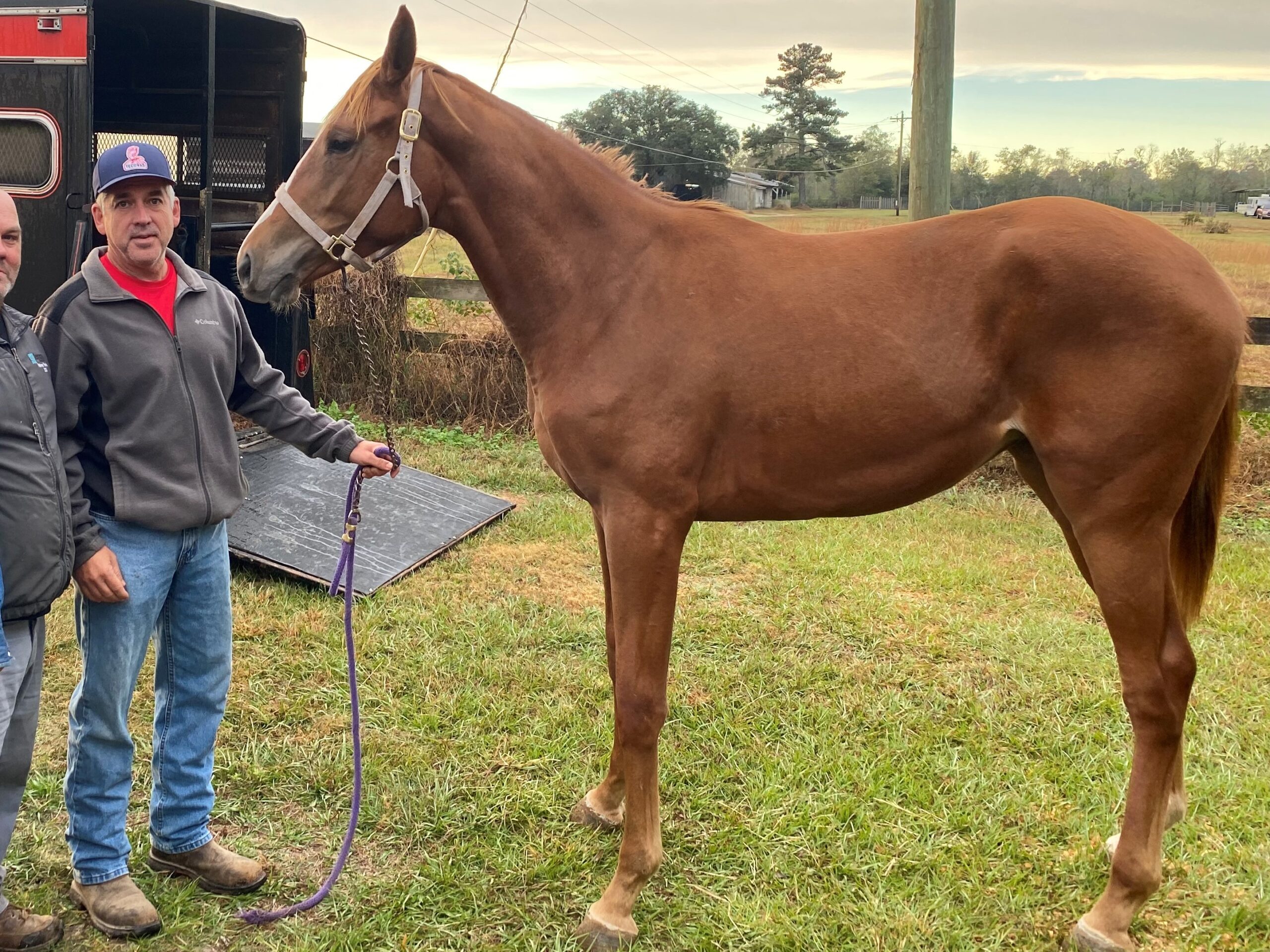
Miles Henry (legal name: William Bradley) is a professional horseman based in Folsom, Louisiana. He holds Louisiana Racing License #67012 and has spent over three decades managing Thoroughbreds at premier tracks including Fair Grounds, Delta Downs, and Evangeline Downs.
Expertise & Hands-On Experience: Beyond the track, Miles has decades of experience in specialized equine care, covering everything from hoof health and nutrition to training protocols for Quarter Horses, Friesians, and Paints. Every guide on Horse Racing Sense is rooted in this “boots-on-the-ground” perspective.
30 of their last 90 starts
Equibase Profile.

Connect with Miles: