Skip to Content

The Ultimate Breeders’ Cup Guide: Everything You Need to Know About Horse Racing’s World Championships

Last updated: November 25, 2025

By: Miles HenryFact Checked

Quick Answer: What Is the Breeders’ Cup?

The Breeders’ Cup World Championships is Thoroughbred racing’s premier year-end event—a two-day festival featuring 14 Grade 1 races with $34 million in total purses and awards. Held annually in late October or early November, it crowns divisional champions across all ages, genders, distances, and surfaces, drawing elite horses from North America, Europe, Japan, and beyond to compete for glory, prestige, and Eclipse Award honors.

About This Guide

As a racehorse owner who has followed the Breeders’ Cup for decades and researched extensively on horse racing history for my website, I’ve crafted this comprehensive resource to serve both newcomers discovering the sport and seasoned enthusiasts seeking deeper insights. This Breeders’ Cup guide covers everything from the event’s fascinating origins to practical attending advice, betting strategies, and the legendary moments that define championship racing.

Sources: Official Breeders’ Cup data, Equibase historical records, BloodHorse archives, and contemporary racing publications.

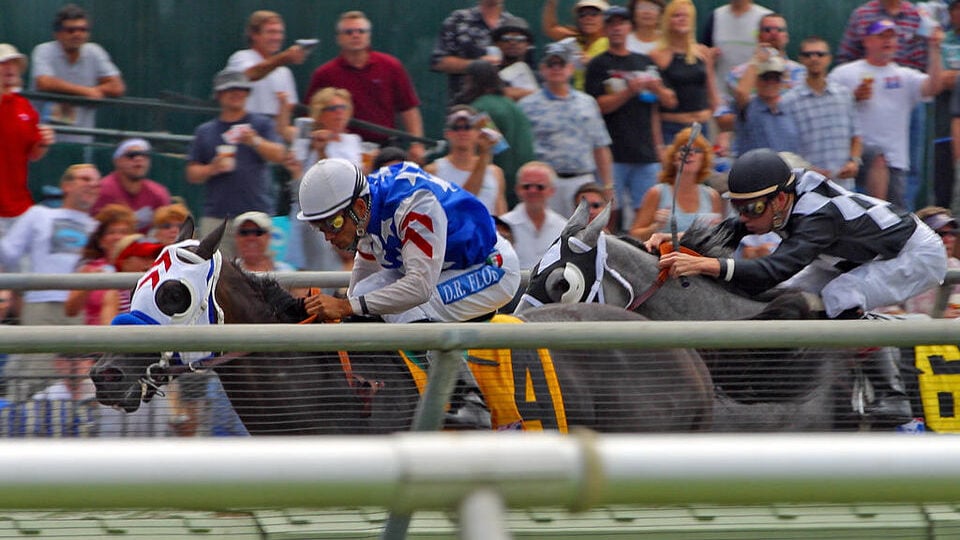
Thoroughbred horses rounding the turn on the dirt track during the Breeders' Cup World Championships at Santa Anita Park.
Thoroughbred horses rounding the turn on the dirt track during the Breeders’ Cup World Championships at Del Mar Race Track.
🏆 2025 Highlights (Recent Winners)

Classic: Forever Young (first Japan winner, record time under Ryusei Sakai).
Juvenile Turf: Gstaad (Trainer Aidan O’Brien’s 21st Breeders’ Cup victory, ridden by Christophe Soumillon).

Why the Breeders’ Cup Matters: The Championship That Crowns Champions

In a calendar packed with prestigious races like the Kentucky Derby, Preakness Stakes, and Belmont Stakes, the Breeders’ Cup stands alone as North American Thoroughbred racing’s official year-end championship series. It doesn’t simply test speed—it crowns definitive champions across 14 distinct divisions while attracting the world’s best horses to compete on a single stage.

What Sets It Apart

  • Global Competition: Unlike the Triple Crown races limited to 3-year-olds, the Breeders’ Cup features open-age competition across multiple surfaces and distances. European trainers like Aidan O’Brien and Charlie Appleby regularly challenge American dominance, particularly in turf races, creating unpredictable international showdowns that showcase different racing styles and breeding philosophies.
  • Championship Significance: Breeders’ Cup results directly influence Eclipse Award voting, North America’s year-end racing honors. Classic winners frequently earn Horse of the Year recognition, cementing their legacy and dramatically increasing their breeding value. For owners and breeders, a Breeders’ Cup victory represents both immediate prestige and long-term financial impact through stallion fees and broodmare value.
  • Economic Impact: The event generates hundreds of millions in local spending (e.g., $81M+ for Lexington 2022), international tourism, and global wagering that exceeded $180 million in 2025. The championships attract 50,000–70,000 spectators annually (65,232 in 2025) and are broadcast to more than 180 countries worldwide.
  • Purse Power: With total purses exceeding $34 million (increased from just $10 million at the 1984 inaugural event), the Breeders’ Cup offers some of the richest prizes in racing. The $7 million Longines Breeders’ Cup Classic ranks among the world’s most valuable races, while the $5 million Longines Breeders’ Cup Turf attracts elite international grass horses.
  • Future Factory: For two-year-olds, Friday’s juvenile races serve as crucial auditions for the following year’s classics. Juvenile winners earn valuable Kentucky Derby and Kentucky Oaks qualifying points (30 to the Juvenile winner), making these races essential stops on the Road to the Triple Crown.

To truly understand how the Breeders’ Cup secured its role as Thoroughbred racing’s official year-end championship, one must look back at The History: From Bold Vision to Global Phenomenon.

The History: From Bold Vision to Global Phenomenon

John Gaines’ Revolutionary Concept

The Breeders’ Cup was born from the vision of John R. Gaines (1928–2005), owner of Gainesway Farm. In the early 1980s, frustrated by American horses’ repeated failures in races like the Prix de l’Arc de Triomphe, Gaines believed U.S. racing needed a true year-end championship.

On April 23, 1982, at the Kentucky Derby Festival luncheon, he stunned the audience with a proposal for a single-day, multi-million-dollar championship — an idea so secret that even his wife didn’t know he’d been working on it for three years.

Overcoming Industry Skepticism

Many power brokers loved the concept but balked because of personal rivalries with the outspoken Gaines. In an extraordinary act of selflessness, he resigned from the board he had just created to remove any obstacle. With support from legends like John Nerud, Breeders’ Cup Limited was officially formed later that year.

The Inaugural Event: November 10, 1984

Hollywood Park hosted the first running before 64,254 fans. Seven races carried a then-unthinkable $10 million in purses. The debut delivered instant magic: 31-1 longshot Wild Again won the Classic in a three-horse photo, surviving a lengthy inquiry — the perfect dramatic birth for the Championships.

Evolution Through Four Decades

  • 1984–2006: The Single-Day Era — Seven races, one spectacular afternoon, quickly dubbed “the richest day in sports.”
  • 1996: International Expansion — Only running outside the U.S., at Woodbine in Toronto, Canada.
  • 2007–2008: Two-Day Expansion — Added Friday card (later “Future Stars Friday”); purses topped $25 million with three new races.
  • 2008–Present: Rotating Venue Pattern — Primarily Santa Anita, Del Mar, Churchill Downs, and Keeneland. Upcoming: 2026 Keeneland, 2027 Belmont Park.
  • 2018: Fourteenth Race Added — Juvenile Turf Sprint brought the total to 14 races and purses past $30 million.

John Gaines’ Lasting Legacy

Gaines passed in 2005, but his fingerprints remain everywhere: the Kentucky Horse Park, the NTRA, and above all the Breeders’ Cup, which has now distributed over $380 million in purses — forever changing how the sport crowns its champions.

How the Breeders’ Cup Works: From Qualification to Victory

The Nomination System

Entry isn’t automatic—it requires advance planning. Full details on fees and eligibility: official nomination rules.

  • Foal Nominations: One-time $400 fee by October 15 of birth year → lifetime eligibility.
  • Stallion Nominations: Annual fee = 100 % of advertised stud fee (North America), 50 % (Europe), 25 % (South America).
  • Supplementary Nominations: Late additions cost $100,000+ for major races.

Win and You’re In Challenge Series

Over 80 global races automatically qualify the winner:

  • Guaranteed starting spot in the corresponding Championship race
  • All entry fees waived
  • Travel awards: $10,000 (North America), $40,000 (international)

Challenge races now span 15+ countries; historically ~60 % of winners compete successfully at the Championships.

Pre-Entry and Final Entry Process

  • Pre-Entry (mid-October): Declare up to two races + pay fees
  • Final Entry (Monday of Championship week): Confirm race

For oversubscribed races (max 14 starters; 12 in sprints), selection order: Challenge winners → graded-stakes earnings → panel discretion.

Race Day: Format and Prize Distribution

  • Post Position Draw: ~4 days prior, live on FanDuel TV — critical handicapping clue
  • Purse Distribution: 52 % to winner (e.g., $3.64 million from $7 million Classic), 17 % 2nd, 9 % 3rd, etc.
  • Breeder Awards: Extra bonuses for top finishers’ breeders
  • Safety First: Rigorous vet checks and track monitoring

The 14 Championship Races: Complete Division Guide

Future Stars Friday: Day One (Five Races)

Friday is all about two-year-olds—these races frequently produce the next Kentucky Derby, Oaks, and European Classic contenders.

  1. Breeders’ Cup Juvenile Turf Sprint  
   
         
  • Distance: 5 furlongs on turf
  •      
  • Purse: $1 million
  •      
  • Eligibility: 2-year-olds (colts & fillies)
  •      
  • Key Insight: Precocious grass speed; Europeans have won **half of the runnings** since its inception in 2017.
  •      
  • Eclipse Division: 2YO Turf consideration
  •    
 
  2. NetJets Breeders’ Cup Juvenile Fillies  
   
         
  • Distance: 1 1/16 miles on dirt
  •      
  • Purse: $2 million
  •      
  • Eligibility: 2-year-old fillies
  •      
  • Key Insight: Usually crowns the Champion 2YO Filly; winner earns **10 Kentucky Oaks points**.
  •      
  • Eclipse Division: 2YO Filly Champion
  •    
 
  3. John Deere Breeders’ Cup Juvenile Fillies Turf  
   
         
  • Distance: 1 mile on turf
  •      
  • Purse: $1 million
  •      
  • Eligibility: 2-year-old fillies
  •      
  • Key Insight: Dominated by North American trainers like Chad Brown (6 wins), but European shippers are a constant threat.
  •      
  • Eclipse Division: 2YO Filly Turf consideration
  •    
 
  4. FanDuel Breeders’ Cup Juvenile  
   
         
  • Distance: 1 1/16 miles on dirt
  •      
  • Purse: $2 million
  •      
  • Eligibility: 2-year-old colts & geldings
  •      
  • Key Insight: Triple Crown launching pad — awards **30 Derby points** to the winner.
  •      
  • Eclipse Division: 2YO Male Champion
  •    
 
  5. Breeders’ Cup Juvenile Turf  
   
         
  • Distance: 1 mile on turf
  •      
  • Purse: $1 million
  •      
  • Eligibility: 2-year-old colts & geldings
  •      
  • Key Insight: Aidan O’Brien is the most dominant trainer with **seven victories** in this race.
  •      
  • Eclipse Division: 2YO Male Turf consideration
  •    
 

Legendary Moments and All-Time Records

The Breeders’ Cup has delivered four decades of drama—from stunning upsets to dominant champions and heartbreaking near-misses that capture the sport’s emotional core.

Historic Upsets

Arcangues (1993 Classic): Racing’s biggest shocker—a 133-1 French longshot won at $269.60 for $2, sending shockwaves through the sport and proving anything can happen on championship day. This remains the longest-priced winner in Breeders’ Cup history and stands among the greatest upsets in all of racing.

📊 More Notable Upsets
  • Order of Australia (2020 Mile): Nearly 70-1 longshot shocked the turf specialists
  • Ethical Diamond (2025 Turf): 27-1 upset in the $5 million championship
  • Da Hoss (1998 Mile): Returned after two years off to win at 12-1
  • Volponi (2002 Classic): 43-1 shocker over heavily favored Medaglia d’Oro
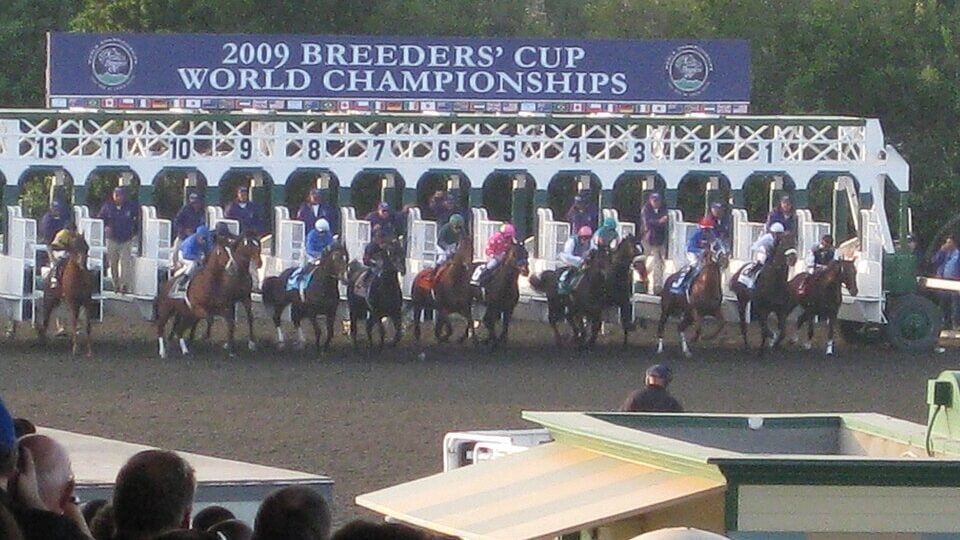
Zenyatta 2009 Breeders Cup Classic Start: Horses break from the gate in the $5 million Classic, which was won by the historic mare Zenyatta. Source:
Start of 2009 Breeders Cup Classic at Santa Anita—the race where the legendary mare Zenyatta famously defeated the best males in the world.

Legendary Champions

Zenyatta: The beloved mare captivated racing with 19 consecutive victories, including the 2009 Classic where she became the first female to win racing’s championship race. Her come-from-behind style thrilled crowds, and her heartbreaking nose-loss in the 2010 Classic remains one of racing’s most emotional moments. Zenyatta transcended the sport like few racing icons before or since.

American Pharoah: The 2015 Triple Crown winner made history by completing racing’s first-ever Grand Slam—sweeping the Kentucky Derby, Preakness Stakes, Belmont Stakes, and Breeders’ Cup Classic. His dominant wire-to-wire Classic victory cemented his legacy as one of the sport’s all-time greats.

Goldikova & Wise Dan: Goldikova achieved unprecedented success with three consecutive Breeders’ Cup Mile victories (2008-2010), showcasing European tactical brilliance. Wise Dan won back-to-back Miles (2012-2013) while earning Horse of the Year honors both years, proving that geldings competing on turf deserve championship recognition.

Forever Young: The Japanese star’s 2025 Classic victory represented a watershed moment for international racing, marking the first time a Japan-trained horse won the championship race. His victory demonstrated Asia’s arrival as a major force in global dirt racing after decades of investment in breeding and training infrastructure.

Flightline: My personal favorite—Flightline’s 2022 Classic demolition by 8¼ lengths showcased the undefeated phenom at his absolute peak. Dominating his toughest field yet with breathtaking speed and power, he evoked memories of Secretariat’s dominance before retiring undefeated with a legacy secured.

International Success Stories

European horses have dominated turf races for decades, with legendary Irish trainer Aidan O’Brien breaking the all-time Breeders’ Cup wins record with his 21st victory in 2025 (Gstaad in the Juvenile Turf). His sons Joseph and Donnacha continue the O’Brien dynasty, collectively representing Thoroughbred excellence across generations. Japan’s steady rise in international competition culminated dramatically with Forever Young’s 2025 Classic triumph, marking Asia’s breakthrough moment in global dirt racing.

All-Time Records

CategoryLeaderRecord
TrainersAidan O’Brien21 (2025)
D. Wayne Lukas20
Bob Baffert20 (2025)
JockeysMike Smith27
Irad Ortiz Jr.23
John Velazquez22
Top Trainers & Jockeys (as of 2025)

Notable Records

  • Longest Odds Winner: Arcangues (133-1, 1993 Classic) — remains the biggest upset in Breeders’ Cup history
  • Undefeated Champions: 13 horses have won Breeders’ Cup races while remaining undefeated, including American Pharoah (2015 Classic) and Flightline (2022 Classic)
  • Only Repeat Classic Winner: Tiznow (2000-2001) — the only horse to successfully defend his Classic title, winning back-to-back championships in dramatic fashion
  • Multiple Mile Winners: Goldikova (2008-2010) won three consecutive Miles, while Wise Dan (2012-2013) won back-to-back
  • Most Classic Starts: Several horses have competed in multiple Classics, showcasing sustained excellence and durability at the highest level
🏆 2025 Record Updates (Recent Milestones)

Aidan O’Brien’s 21st Victory: The Irish trainer broke D. Wayne Lukas’ long-standing record with Gstaad’s victory in the Juvenile Turf, extending his lead as the Championships’ most successful trainer.

Baffert Ties Lukas: Bob Baffert earned his 20th Breeders’ Cup victory, tying Lukas for second place all-time among trainers.

Sources: Equibase historical records, official Breeders’ Cup statistics, BloodHorse archives.

Betting the Breeders’ Cup: Strategies for Success

The Breeders’ Cup generates over $180 million in worldwide wagering annually, creating opportunities for both casual fans and serious horseplayers. Whether you’re making your first bet or crafting complex exotic wagers, understanding fundamentals and advanced betting strategies enhances both enjoyment and potential returns.

Understanding Parimutuel Wagering

Unlike sports betting with fixed odds, horse racing uses parimutuel wagering where all money bet on a race goes into pools, and winning bettors share the pool (minus track takeout) proportionally. This means odds fluctuate until post time based on betting patterns.

⚡ Key Implication

The horse you bet at 5-1 in the morning might go off at 3-1 (if others bet heavily) or 8-1 (if money shifts elsewhere). Your payout reflects the final odds at post time.

Basic Bet Types

Straight Wagers (Single Horse, Single Race)

Best for beginners — straightforward bets on one horse to finish in the money.

  • Win: Horse must finish first (highest payout, highest risk)
  • Place: Horse must finish first or second (moderate payout, moderate risk)
  • Show: Horse must finish first, second, or third (lowest payout, lowest risk)

💡 Tip: Place and Show bets on heavy favorites often return minimal profit.

Exotic Wagers (Multiple Horses/Races)

Higher payouts, higher difficulty — require selecting multiple horses in correct order or across races.

Single-Race Exotics:

  • Exacta: Pick 1st and 2nd in exact order
  • Trifecta: Pick 1st, 2nd, and 3rd in exact order
  • Superfecta: Pick 1st through 4th in exact order

Multi-Race Exotics:

  • Daily Double: Pick winners of 2 consecutive races
  • Pick 3/4/5/6: Pick winners of 3, 4, 5, or 6 consecutive races

💡 Tip: “Boxing” bets (any order) or “Wheeling” (one horse with all others) increases coverage but costs more.

Proven Breeders’ Cup Betting Strategies

As a racehorse owner who has analyzed decades of Breeders’ Cup results, I’ve identified key angles that consistently provide value:

1. Form Analysis & Handicapping

Recent performance matters, but context matters more. Master these handicapping fundamentals:

  • Class Levels: Has the horse competed successfully in Grade 1 stakes company? Breeders’ Cup races are championship-level; class matters enormously.
  • Surface Experience: Turf specialists struggle on dirt; dirt horses rarely succeed on turf. Surface switching without proven form is extremely risky.
  • Distance Suitability: Sprinters stretching out often fail; proven route horses provide better value. Check pedigree indicators for distance suitability.
  • Recent Activity: Horses racing within 30 days typically perform better than those making extended layoffs. Freshness matters, but so does race fitness.

2. International Angle Awareness

European horses have won over 60% of recent Turf and Mile races. Understanding international form is crucial:

  • Turf Supremacy: European horses accustomed to tactical racing and stamina tests often outperform American turf runners who face less competition domestically.
  • Elite Trainers: Aidan O’Brien (21 BC wins), Charlie Appleby, and other European trainers have established remarkable track records. Their runners deserve respect.
  • Shipping Experience: Horses that have shipped internationally before handle travel stress better. First-time international shippers face added challenge.
  • Japanese Emergence: Japan’s success (Forever Young’s 2025 Classic) signals Asian horses should no longer be dismissed, especially on dirt.

3. Post Position Impact

Post position advantages vary significantly by track:

TrackDirt BiasTurf Bias
Del MarSlight inside advantageOutside posts better in routes
KeenelandRelatively fairMinor rail bias
Santa AnitaRelatively fairMiddle posts favored
Churchill DownsInside posts (sprints), outside (routes)Middle to outside posts
Note: Biases vary by year based on weather, maintenance, and course setup. Always check current-year track analyses closer to race day.

4. Pace Scenario Analysis

Understanding likely pace scenarios helps identify advantageously positioned horses:

  • Speed Duels: When multiple front-runners clash early, late closers benefit from slower final fractions
  • Slow/Uncontested Pace: Front-runners or tactical speed horses prevail when no pressure exists early
  • Honest/Moderate Pace: Balanced racing typically favors horses with best sustained speed and turn of foot

5. Jockey-Trainer Combinations

Elite partnerships produce disproportionate success. Track jockey-trainer combinations with proven Breeders’ Cup records—top connections often provide confidence even with less prominent horses.

Special Breeders’ Cup Wagers

The Championships feature unique exotic wagering opportunities with massive pools:

🎯 High-Value Breeders’ Cup Bets

All-Turf Pick 3 (Friday): Links three designated turf races; $3 minimum. Strategy: Single your strongest opinion, spread others.

All-Turf Pick 4 (Saturday): Links four premier turf races; $0.50 minimum. Massive pools due to European wild cards. Strategy: Include multiple European shippers in each leg.

All-Dirt Pick 4 (Saturday): Links four dirt championship races; strategic alternative if you have strong dirt opinions.

Pick 6 (Saturday): Final six races with mandatory payout creating pools often exceeding $1 million. Strategy: Find 1-2 “single-able” races, spread wider in chaos races.

Super High 5 (Final Race): Pick first five finishers in exact order; mandatory payout generates substantial carryovers. Ultra-challenging but life-changing payouts possible.

💡 Pro Tip: Mandatory payout days create value as all carryover money distributes, often creating overlays.

Bankroll Management: Critical Rules

  • Never wager more than 1-2% of total bankroll on any single race
  • Set daily limits before betting begins — stick to them regardless of results
  • View entertainment as primary goal; profit as secondary benefit
  • Avoid “chasing losses” by increasing wagers after bad beats
  • Take breaks between races to reassess rather than betting every race

Where to Bet

At the Track

Traditional betting windows and self-service machines at host venue. Atmosphere and energy unmatched, but lines can be long before major races.

Online/Mobile ADW Platforms

  • TVG
  • TwinSpires
  • FanDuel Racing
  • BetAmerica
  • 1/ST BET
  • NYRA Bets

International Wagering: 43 jurisdictions worldwide accept Breeders’ Cup wagers through common-pool and separate-pool wagering systems.

Value Betting Philosophy: The Key to Long-Term Success

📊 Most Important Betting Principle

Successful betting identifies value—horses whose actual winning probability exceeds their implied odds probability. A 4-1 shot with 25% winning probability provides no value; a 6-1 shot with 20% winning probability offers excellent value.

Focus on finding overlays rather than simply picking winners. Over time, consistently betting overlays produces profitable results even with modest win percentages. Consider mathematical approaches like Dutch betting to minimize risk on multi-horse selections.

Responsible Betting

⚠️ Important Reminder

Gambling should always remain enjoyable entertainment. If you ever feel out of control or betting becomes problematic, help is available:

National Council on Problem Gambling: 1-800-522-4700

Confidential support available 24/7/365. You’re not alone.

Attending the Breeders’ Cup: Complete Planning Guide

Experiencing the Breeders’ Cup in person offers unmatched atmosphere—the thunder of hooves, the roar of the crowd, and the electricity of championship racing. Whether you’re a first-time attendee or seasoned veteran, proper planning ensures an unforgettable experience.

Rotating Venues: Where Will It Be?

The Breeders’ Cup rotates annually among North America’s premier racetracks, ensuring varied racing surfaces and regional accessibility. Since 2008, it has primarily rotated among four elite venues: Santa Anita Park and Del Mar Thoroughbred Club in California, and Churchill Downs and Keeneland Race Course in Kentucky.

🏟️ Upcoming Host Sites

  • 2026: Keeneland Race Course, Lexington, Kentucky (October 30-31)
    Intimate Bluegrass charm, beautiful fall foliage, bourbon country hospitality
  • 2027: Belmont Park, Elmont, New York
    Historic Triple Crown track, New York City proximity, renovated facilities

💡 Each venue offers unique characteristics—check BreedersCup.com for current year details.

Tickets and Packages

Breeders’ Cup tickets typically go on sale in late spring (April-May) through the official ticketing partner. Options range from general admission to luxury experiences.

Ticket Options

  • General Admission: Basic access, unreserved seating
  • Reserved Seating: Guaranteed seats with better views
  • Clubhouse Access: Indoor/outdoor areas, upgraded amenities
  • VIP Packages: Premium dining, climate control, paddock access
  • Luxury Suites: Private spaces for groups (10-20 guests)

Important Tips

  • ✅ Buy tickets immediately when sales open
  • ✅ Saturday is pricier and sells faster than Friday
  • ✅ Same-day tickets are extremely limited or unavailable
  • ✅ Look for early bird discounts (first few weeks)
  • ✅ VIP packages sell out months in advance

What to Wear: Dress Code Guide

The Breeders’ Cup dress code balances sophistication with accessibility. Think “elevated casual” to cocktail attire—more refined than typical race days but less formal than Kentucky Derby or Royal Ascot.

👗 What to Wear by Day & Gender

Who Friday (Future Stars) Saturday (Championship)
Women Smart casual: sundresses, stylish separates, nice jeans with blazer. Comfortable shoes essential. Cocktail attire: elegant dresses, sophisticated separates. Hats/fascinators optional but popular. Statement shoes welcomed.
Men Business casual: collared shirts, slacks or nice jeans, loafers/dress shoes. Sport coats optional. Sport coats, dress shirts, dress slacks, leather shoes. Ties recommended for premium seating.

⚠️ Always check your specific ticket/seating area for dress code restrictions. Premium areas may have stricter requirements.

Venue & Weather Considerations

  • California Tracks (Del Mar, Santa Anita): Sunny, 60s-70s°F. Bring sunglasses, sunscreen, light layers for evening. More relaxed vibe.
  • Kentucky Tracks (Keeneland, Churchill): Fall weather 50s-60s°F, unpredictable. Layers essential—rain jacket, warm coat. Slightly more traditional dress.
  • New York Tracks (Belmont): Chilly 40s-60s°F. Warm outerwear, rain gear recommended. Can be quite cold by evening.

🥿 Pro Tip: Comfortable walking shoes are non-negotiable—you’ll cover significant ground throughout the day between betting windows, paddock, seating areas, and dining venues. Fashion meets function!

Getting There: Transportation Options

Transportation logistics vary by venue. Arrive early regardless of your method—traffic is heavy, especially Saturday.

🚗 By Car & Parking

Best for: Groups, those with mobility concerns, bringing supplies

  • Reserve parking in advance—most venues require or strongly recommend pre-purchase
  • Arrive 2-3 hours early to avoid peak traffic (especially Saturday)
  • Premium parking closer to entrance available at higher cost
  • GPS works well, but follow official signage once near venue

💡 Consider carpooling to split costs and ease parking stress.

🚕 By Rideshare (Uber/Lyft)

Best for: Convenience, avoiding parking hassles, drinking responsibly

  • All venues have designated pick-up/drop-off zones—follow signage carefully
  • Expect significant surge pricing, especially post-Classic (final race Saturday)
  • Allow 15-30 minutes for pickup after races due to demand
  • Consider scheduling return ride before final race to beat rush

💡 Share rides with your group to split costs during surge pricing.

🚆 By Public Transportation / Shuttle

Best for: Avoiding traffic entirely, eco-friendly travel, budget-conscious

  • Check host track website for specific rail/bus service schedules
  • Some venues provide shuttle buses from downtown hotels or transit hubs
  • Often the most stress-free option—no parking, no surge pricing
  • Service may be limited late evening; verify last departure time

💡 Example: Keeneland often partners with Lexington hotels for shuttle service.

✈️ By Air (Flying In)

Best for: Long-distance travelers, making a weekend getaway

  • Book flights 3-6 months early—prices spike as event approaches
  • Major airports: SAN/LAX (California), LEX/CVG (Kentucky), JFK/LGA (New York)
  • Arrive Thursday or Friday morning to avoid race-day travel stress
  • Rent a car if staying outside downtown; rideshare works for city hotels

💡 Consider adding extra days to explore bourbon country (KY), wine country (CA), or NYC attractions.

Where to Stay: Accommodation Strategy

⏰ Book Early or Miss Out

Hotels near host venues sell out 3-6 months in advance. Prices increase dramatically as availability decreases. Book immediately once the venue is announced.

🏨 Near-Track Hotels

Pros: Walking distance or short drive, maximum convenience, immersed in race atmosphere

Cons: Most expensive, sell out first, limited availability

Best for: Premium experience seekers, first-time attendees

🏙️ Nearby Cities

Pros: More options, better rates, explore local attractions, dining variety

Cons: Commute time, transportation logistics, less race atmosphere

Best for: Budget-conscious, longer stays, combining with tourism

💡 Booking Tips:

  • Check official Breeders’ Cup website for partner hotels with special rates/shuttles
  • Book refundable rates when possible—plans may change
  • Consider vacation rentals (Airbnb, VRBO) for groups—often more economical
  • Some venues offer camping or RV options for adventurous budget travelers

Dining and Entertainment

At the Track: Options range from casual concessions (hot dogs, nachos) to upscale restaurants featuring local specialties. Premium seating often includes access to exclusive dining venues. Reservations recommended for sit-down restaurants.

Local Restaurants: Make dinner reservations 1-2 months in advance—restaurants near the track book solid during Breeders’ Cup week. Explore the host city’s culinary scene beyond race food.

Breeders’ Cup Festival Week: Most host cities embrace the event with special festivities throughout the week—parties, charity events, meet-and-greets with jockeys/trainers, live music, and racing-themed celebrations. Check local event listings and social media.

What to Bring: Essential & Recommended Items

🎒 Breeders’ Cup Packing Checklist

✅ Absolute Essentials:

  • Valid photo ID (required for betting, alcohol, some seating areas)
  • Cash & credit cards (some vendors cash-only; ATMs have long lines)
  • Smartphone with betting apps pre-downloaded (TVG, TwinSpires, FanDuel Racing)
  • Portable phone charger (you’ll use your phone extensively)
  • Tickets (digital or printed confirmation)

👍 Highly Recommended:

  • Binoculars (essential for general admission; helpful anywhere)
  • Sunscreen & sunglasses (even cloudy days have UV exposure)
  • Racing program (purchase at track or download digital version)
  • Pen/pencil (for marking programs, tracking bets)
  • Small bag/purse (check venue bag policy—size restrictions common)
  • Light jacket or layers (weather changes, air-conditioned venues)

📸 Optional but Useful:

  • Camera (beyond smartphone) for quality photos
  • Business cards for networking opportunities
  • Hand sanitizer and tissues
  • Pain reliever (long day on your feet)
  • Reusable water bottle (if venue allows)

⚠️ Check venue bag policy before packing—many tracks restrict bag size or prohibit certain items (coolers, outside food/drink, large bags).

Insider Tips for First-Time Attendees

  • Arrive Early: Gates typically open 3-4 hours before first race. Early arrival lets you explore, find seating, visit paddock, and avoid lines.
  • Visit the Paddock: See horses up close before each race—incredible experience to observe their condition, temperament, and beauty. Free access in most areas.
  • Pace Yourself: It’s a marathon (12-14 races over ~8 hours). Don’t feel obligated to bet every race. Take breaks, stay hydrated, eat real food.
  • Network and Socialize: Racing fans love talking horses. Strike up conversations—you’ll learn, make connections, and enhance your experience.
  • Stay for the Classic: Don’t leave early! The Classic (final race) is often spectacular, and the crowd energy peaks. You’ve come this far—see it through.

With proper planning and these insights from years of attending championship racing, you’re positioned for an unforgettable Breeders’ Cup experience. The combination of world-class competition, electric atmosphere, and racing tradition creates memories that last a lifetime.

Watching From Home: Comprehensive Broadcast Guide

Can’t make it to the track? The Breeders’ Cup delivers extensive coverage across TV, streaming, and digital—reaching 180+ countries. Typically held in late October or early November (e.g., October 30-31, 2026 at Keeneland), coverage spans Friday’s juvenile showcase and Saturday’s marquee battles.

United States Television Coverage

📺 Mainstream Broadcast (NBC Sports)

Over 10 hours of live action on NBC platforms, focusing on the main races.

Day Time (ET) Channels
Friday (Future Stars, Oct 31) 4:00 PM – 8:00 PM ET USA Network, Peacock (streaming)
Saturday (Championships, Nov 1) 2:00 PM – 7:00 PM ET USA Network (early), NBC (Classic ~6:30 PM)

Streaming Options

  • Peacock: Live races + replays (free tier highlights; premium full coverage)
  • NBCSports.com / NBC Sports App: Free with cable login; iOS/Android mobile
  • FanDuel TV: Free workouts/previews; Roku/Apple TV apps

Free Viewing Tips: BreedersCup.com and FanDuel TV stream select races free; check local racing channels for no-cost options.

International Coverage

International Broadcasters by Region
RegionBroadcaster
UK/IrelandSky Sports Racing / ITV
AustraliaSky Racing
CanadaTSN
JapanGreen Channel
FranceEquidia
Middle EastDubai Racing Channel
South AmericaESPN
AfricaSuperSport
IndiaFanCode
Europe (various)National racing channels

Special Programming

  • Post Position Draw: Monday ~7:00 PM ET on FanDuel TV / BreedersCup.com
  • Morning Shows (Oct 24-30): FanDuel TV’s “Player’s Show” – workouts, interviews, analysis
  • Post-Event: Replays/highlights on NBC / BreedersCup.com

Sources: Breeders’ Cup official, NBC Sports, FanDuel TV (as of 2025).

The Eclipse Awards Connection

Breeders’ Cup results directly influence Eclipse Award voting, North American racing’s year-end championship honors. Think of it like the Academy Awards of horse racing. Understanding this connection reveals why victories matter beyond prize money.

How Eclipse Awards Work

The Eclipse Awards recognize champions in various divisions, determined by a vote among:

  • National Thoroughbred Racing Association (NTRA)
  • Daily Racing Form (DRF)
  • National Turf Writers and Broadcasters (NTWAB)

Voting occurs in December following the racing season, with awards presented at an annual ceremony typically in January or February.

Breeders’ Cup’s Near-Decisive Impact

⚖️ Decisive Influence Rule

A horse dominating its division all year can lose championship honors with poor Breeders’ Cup performance, while late-season challengers can vault to the championship with strong performances against elite competition.

Classic’s Special Status: Horse of the Year

The Classic winner frequently earns Horse of the Year honors, especially when defeating multiple divisional champions. Recent winners include:

  • Flightline (2022): Clinched Horse of the Year with a Classic victory.
  • Knicks Go (2021): Clinched Horse of the Year with a Classic victory.
  • Authentic (2020): Clinched Horse of the Year with a Classic victory.

Division Championship Referendum

The Breeders’ Cup races serve as the undisputed final exam for nearly every division:

  • Juvenile Winners: Typically earn 2-Year-Old Male/Female Champion honors.
  • Sprint Winner: Often claims the Eclipse Award for Champion Sprinter.
  • Distaff Winner: Nearly guarantees Champion Older Female status.
  • Turf/Mile Winners: Compete directly for Champion Turf Male/Female recognition.

Statistically, over half of all recent Eclipse Award divisional champions won or finished strongly in Breeders’ Cup races.

This reinforcement solidifies the Championships’ status as the year-end referendum on excellence.

The Road to the Kentucky Derby Connection

For two-year-olds, Friday’s juvenile races represent critical Kentucky Derby and Kentucky Oaks qualification opportunities while showcasing future stars.

Derby Points System: High Stakes

The Road to the Kentucky Derby awards points through designated prep races. The Breeders’ Cup Juvenile awards substantial points to the top five finishers, significantly boosting their qualification chances:

🏇 Juvenile Points Distribution

  • Winner: 30 points
  • Second: 12 points
  • Third: 6 points
  • Fourth: 3 points
  • Fifth: 1 point

These points provide a crucial advantage, as roughly 40-50 points are usually needed for an assured spot in the starting gate.

Example: 2025 Juvenile winner Ted Noffey banked 30 points and now sits atop the early leaderboard for the 2026 Kentucky Derby.

Juvenile Winners and Derby Success

  • Historical Success: While the race provides automatic Derby consideration, its predictive value is mixed. Notable exceptions include Street Sense (2006 Juvenile, 2007 Derby winner) and Nyquist (2015 Juvenile, 2016 Derby winner).
  • Challenges: The rigorous Triple Crown campaign—three races in five weeks—tests durability. Many Juvenile winners struggle with the increased competition and racing frequency; some trainers purposely avoid the Juvenile to preserve horses for spring campaigns.
  • Oaks Connection: Juvenile Fillies success better predicts Oaks contention (Kentucky Oaks), as the female schedule often provides more recovery time and competition levels remain more consistent than the male Triple Crown trail.

Historically, the Breeders’ Cup Juvenile has been a stepping stone rather than a sure thing, but the points are essential for entry.

Oaks Connection: Juvenile Fillies success better predicts Oaks contention, as the schedule provides more recovery time and competition levels remain more consistent.

Safety and Integrity: Racing’s Highest Standards

The Breeders’ Cup maintains industry-leading safety and integrity protocols, recognizing that equine welfare and fair competition underpin the sport’s credibility. This commitment is supported by the highest standards in veterinary care, surface management, and medication enforcement. To understand the wider context, read our article on horse racing safety and integrity rules.

🛡️ The Strictest Weekend in Racing

Breeders’ Cup operates under tighter medication, vet, and surface rules than almost any other race day in America — because when the world is watching, there’s zero margin for error.

Pre-Race Veterinary Examinations

All entered horses undergo extensive veterinary examinations by the Breeders’ Cup Veterinary Team and state/HISA veterinarians:

  • Physical examinations by track veterinarians
  • Observation during morning training
  • Review of extensive medical and racing records
  • Mandatory Scratches: Vets have the non-appealable authority to scratch horses showing any signs of injury or discomfort.

Racing Surface Monitoring

Host tracks implement rigorous surface maintenance and monitoring, as the surface is critical to reducing injuries. For more detail, see our guide on racetrack surfaces:

  • Regular moisture content testing
  • Track consistency measurements using industry-standard equipment (e.g., Orono Biomechanical Surface Tester)
  • Weather-related adjustments (e.g., harrowing, adding water)
  • Real-time safety assessments by the Track Superintendent and HISA staff.

Medication Rules: The HISA Standard

The Championships enforce strict medication regulations overseen by the Horseracing Integrity and Safety Authority (HISA), which imposes uniform, national rules:

  • Banned Substances: The prohibited medication list exceeds standard state regulations and is governed by the HISA Anti-Doping and Medication Control Program.
  • Testing: Rigorous pre-race and post-race testing for all runners.
  • Out-of-Competition Testing (OOCT): Unannounced testing for entered horses (and other high-level runners) at any time leading up to the event.
  • Penalties: Penalties for violations include purse forfeiture, suspension, and severe fines.

Jockey and Equine Safety Equipment

All riders must use approved safety equipment, and horses are monitored for weight distribution. To understand the parameters of the athlete, see our article on horse and jockey size:

  • Certified safety vests and approved helmets for all riders.
  • Proper tack and equipment inspections by the Stewards and Safety Stewards.
  • Riding Crop Rules: Limited strikes allowed only for safety/correction under strict HISA guidelines (e.g., maximum 6 uses, specific technique required).

Continuous Improvement and Statistics

The Breeders’ Cup works with veterinary experts, track superintendents, and racing authorities to continuously enhance safety protocols based on latest research and best practices. A primary focus is reducing the Equine Fatality Rate—for statistics and context on these efforts, see our article on horse racing fatality rates.

Frequently Asked Questions

When is the Breeders’ Cup held each year?

The Breeders’ Cup World Championships takes place annually in late October or early November, typically the final weekend of October or first weekend of November. The 2026 event is scheduled for October 30–31 at Keeneland Race Course in Lexington, Kentucky.

Where does the Breeders’ Cup rotate?

The Championships rotate primarily among four premier venues: Del Mar Thoroughbred Club and Santa Anita Park in California, and Keeneland Race Course (2026) and Churchill Downs in Kentucky. Belmont Park in New York hosts the 2027 Championships, ensuring diverse racing surfaces, regional access, and championship-caliber facilities.

How many races are in the Breeders’ Cup?

The Championships feature 14 Grade 1 races split across two days (Friday and Saturday), with combined purses and awards exceeding $35 million. Five juvenile races occur Friday (“Future Stars Friday”); nine championship races including the Classic take place Saturday.

What time does the Breeders’ Cup Classic start?

The Classic post time is typically 5:40–6:00 p.m. local time on Saturday (e.g., 8:40 p.m. ET for 2025 at Del Mar). First post Saturday is around 12:00 p.m. local—check BreedersCup.com for exact 2026 times closer to the event.

How much are Breeders’ Cup tickets?

General admission starts at ~$30–$75 Friday, $75–$150 Saturday. Reserved seats and premium packages range from $150–$2,000+. Prices rise closer to the event; book via the host track (e.g., Keeneland for 2026) for deals.

How do I watch the Breeders’ Cup?

United States: NBC and USA Network provide television coverage; Peacock offers streaming. FanDuel TV broadcasts all races with expert analysis. International: The Championships broadcast to 180+ countries. Check local sports networks or visit BreedersCup.com for international viewing options. Online: Free highlights available on YouTube and BreedersCup.com after races conclude.

Can I bet on the Breeders’ Cup online?

Yes, numerous ADW (Advance Deposit Wagering) platforms accept Breeders’ Cup wagers, including TVG, TwinSpires, FanDuel Racing, and NYRA Bets. International bettors can wager through 43 worldwide jurisdictions.

How do horses qualify for the Breeders’ Cup?

Horses must be Breeders’ Cup nominated (fee paid). Entry is secured through:

  • Winning a Challenge Series “Win and You’re In” race (automatic entry, fees waived)
  • Accumulating the most points in the graded stakes races for their division
  • Committee selection if races are oversubscribed
What is the Breeders’ Cup Challenge Series?

Over 80 designated races worldwide serve as “Win and You’re In” qualifiers. Winners receive automatic berths in corresponding Championship races with entry fees waived and travel awards ($10,000 North America; $40,000 international).

What’s the difference between the Breeders’ Cup and Triple Crown?

Triple Crown: Three races for 3-year-olds only (Kentucky Derby, Preakness Stakes, Belmont Stakes) held in spring (May-June) on dirt. Learn more in our Triple Crown guide. Breeders’ Cup: Year-end championships in fall featuring 14 races across all ages, genders, distances, and surfaces (dirt and turf) with international competition.

Can three-year-olds win the Breeders’ Cup Classic?

Yes, the Classic is open to horses three years old and older. Three-year-olds have claimed approximately 40% of Classic victories since 2000, though older, more experienced horses often dominate. Notable 3-year-old winners include American Pharoah (2015) and Authentic (2020).

What is the purse for the Breeders’ Cup Classic?

The Longines Breeders’ Cup Classic offers a $7 million purse, making it one of the world’s richest races. The winner receives approximately $3.64 million, which is about 52% of the total purse. Purse money is paid out to horses finishing through 8th place.

Has any horse won the Grand Slam?

Yes, only American Pharoah in 2015. The Grand Slam consists of the Triple Crown (Kentucky Derby, Preakness Stakes, Belmont Stakes) plus the Breeders’ Cup Classic. American Pharoah remains the only horse to achieve this feat.

Are European horses competitive?

Extremely competitive, especially on turf. European-trained horses have dominated recent turf races (Turf, Mile, Filly & Mare Turf), winning the majority of runnings. Trainers like Aidan O’Brien and Charlie Appleby have achieved remarkable Breeders’ Cup success. Recent years have also seen Japanese horses excel, highlighted by Forever Young’s historic 2025 Classic victory.

What should I wear to the Breeders’ Cup?

Dress codes vary by venue but generally range from elevated casual to cocktail attire. Friday is typically more casual; Saturday is more formal. Premium seating areas may have stricter requirements. Always check specific venue guidelines, consider the weather, and wear comfortable shoes for walking.

Is the Breeders’ Cup family-friendly?

Yes—it’s welcoming for all ages with family zones, kids’ activities, and educational exhibits at most venues. Alcohol is served (21+), but expect a vibrant, inclusive vibe. Check host track policies for stroller access and family tickets.

Championship Moments and Recent Trends

The Breeders’ Cup keeps delivering unforgettable moments that redefine racing history:

Forever Young’s Historic Classic Victory (2025): Japanese star Forever Young became the first from his country to conquer the $7M Classic, edging defending champ Sierra Leone by a half-length at Del Mar. This triumph spotlights Asia’s rising dirt power through innovative breeding and training.

Flightline’s Epic Domination (2022): The unbeaten phenom demolished the field by 8¼ lengths, shattering the track record in a display evoking Secretariat. His flawless career ended too soon, but the performance endures as a benchmark of brilliance.

Turf Takeover by Internationals: Europeans and Asians have owned the grass in recent years, with Aidan O’Brien and Charlie Appleby building empires via tactical mastery and elite turf-breds.

Aidan O’Brien’s Milestone (2025): The Irish maestro eclipsed D. Wayne Lukas’ record with his 21st win—Gstaad’s Juvenile Turf triumph—proving the O’Brien dynasty (including sons Joseph and Donnacha) is racing’s gold standard.

The Breeders’ Cup’s Economic and Cultural Impact

Economic Benefits

The Championships pump massive value into host regions, from direct cash flow to long-term tourism boosts.

Key Economic Drivers (Click to expand)
  • Direct Spending: $200M+ on hotels, dining, transport, and retail
  • Global Tourism: International crowds spark repeat visits and city promotion
  • Wagering Surge: $180M+ handle fuels taxes and track upgrades
  • Media Exposure: Broadcasts worth $50M+ in free advertising

Cultural Significance

It’s more than money—it’s a cultural phenomenon blending style, community, and racing’s soul.

Cultural Highlights (Click to expand)
  • Fashion Forward: Saturday rivals the Derby for hats, suits, and bold ensembles
  • Social Ritual: Families and crews turn it into an annual tradition
  • Local Festivities: Host cities host week-long events celebrating heritage and horses
  • Industry Bond: Unites owners, breeders, pros, and fans in rare harmony

Technology and Innovation

The Breeders’ Cup leverages cutting-edge tech to elevate the fan vibe, betting action, and horse safety.

Broadcast Innovation

Viewing Upgrades (Click to expand)
  • Multi-Platform Reach: Streams on NBC, Peacock, FanDuel TV, YouTube, and X for global access
  • Cinematic Production: HD cams, drones, jockey cams, and live stats overlays
  • Worldwide Feed: 180+ countries tuned in, democratizing elite racing

Wagering Technology

Betting Boosts (Click to expand)
  • Mobile-First: Bet from anywhere via apps like TVG and TwinSpires
  • Global Pools: Common wagering inflates odds and exotics
  • Year-Round Action: Futures markets keep the buzz alive pre-event

Safety Technology

Safety Tech (Click to expand)
  • Track Sensors: Real-time moisture and firmness data for ideal footing
  • Vet Screening: AI-assisted pre-race health scans
  • Analytics Edge: Data dives predict risks and refine rules

Thoroughbred Aftercare: Life After Racing

Breeders’ Cup stars often pivot to rewarding post-racing lives, backed by a growing aftercare ecosystem.

Aftercare Organizations

Thoroughbred Aftercare Alliance (TAA): Funds and accredits rehoming/retraining for retirees.

Stable Initiatives: Top owners/trainers like Godolphin run in-house retirement programs for their grads.

Second Careers

Popular Paths (Click to expand)
  • Show jumping and eventing
  • Dressage
  • Polo
  • Trail/pleasure riding
  • Therapeutic programs
  • Breeding (for top earners)

How Fans Can Help

Get Involved (Click to expand)
  • Donate to TAA-accredited groups
  • Adopt a retiree
  • Join fundraisers
  • Share aftercare stories online

Planning Your Breeders’ Cup Experience

First-Time Attendees

Rookie Roadmap (Click to expand)
  1. Venue Scout: Map layout, seats, and perks
  2. Tickets ASAP: Prime spots vanish early
  3. Travel Smart: Lock in parking/transit
  4. Prep Races: Know contenders for max fun
  5. Energy Check: Pace your wallet and stamina
  6. Soak It In: Revel in the vibe beyond the track

Experienced Fans

Pro Tips (Click to expand)
  1. Network: Rub elbows with insiders
  2. VIP Perks: Grab paddock/meet-greet access
  3. Bet Sharp: Target races you love
  4. Capture It: Snap epic shots
  5. City Dive: Extend for local flavor (e.g., Keeneland’s 2026 Bluegrass charm)

Making It a Bucket List Experience

From Del Mar’s ocean breeze to Keeneland’s rolling hills, it’s history in motion—and your story too.

Conclusion: Why the Breeders’ Cup Defines Championship Racing

The Breeders’ Cup World Championships transcend elite racing: It’s a global fusion of breeding genius, equine athleticism, strategic brilliance, and raw passion—crowning true champions while honoring the sport’s roots.

From John Gaines’ bold vision to 2025’s international breakthroughs, it delivers drama, legacies, and that electric “what if” every autumn. Whether wagering, watching, or wandering the infield, it’s where preparation collides with destiny.

See you at the Championships.

Sourced from Breeders’ Cup archives, Equibase stats, and top racing outlets. For live entries, odds, and updates, head to BreedersCup.com. Updated November 2025.

Additional Resources

Handy Links (Click to expand)

When is the Breeders’ Cup held each year?

The Breeders’ Cup World Championships takes place annually in late October or early November, typically the final weekend of October or first weekend of November. The 2026 event is scheduled for October 30–31 at Keeneland Race Course in Lexington, Kentucky.

Where does the Breeders’ Cup rotate?

The Championships rotate primarily among four premier venues: Del Mar Thoroughbred Club and Santa Anita Park in California, and Keeneland Race Course (2026) and Churchill Downs in Kentucky. Belmont Park in New York hosts the 2027 Championships, ensuring diverse racing surfaces, regional access, and championship-caliber facilities.

How many races are in the Breeders’ Cup?

The Championships feature 14 Grade 1 races split across two days (Friday and Saturday), with combined purses and awards exceeding $35 million. Five juvenile races occur Friday (“Future Stars Friday”); nine championship races including the Classic take place Saturday.

What time does the Breeders’ Cup Classic start?

The Classic post time is typically 5:40–6:00 p.m. local time on Saturday (e.g., 8:40 p.m. ET for 2025 at Del Mar). First post Saturday is around 12:00 p.m. local—check BreedersCup.com for exact 2026 times closer to the event.

How much are Breeders’ Cup tickets?

General admission starts at ~$30–$75 Friday, $75–$150 Saturday. Reserved seats and premium packages range from $150–$2,000+. Prices rise closer to the event; book via the host track (e.g., Keeneland for 2026) for deals.

How do I watch the Breeders’ Cup?

United States: NBC and USA Network provide television coverage; Peacock offers streaming. FanDuel TV broadcasts all races with expert analysis.
International: The Championships broadcast to 180+ countries. Check local sports networks or visit BreedersCup.com for international viewing options.
Online: Free highlights available on YouTube and BreedersCup.com after races conclude.

Can I bet on the Breeders’ Cup online?

Yes, numerous ADW (Advance Deposit Wagering) platforms accept Breeders’ Cup wagers, including TVG, TwinSpires, FanDuel Racing, and NYRA Bets. International bettors can wager through 43 worldwide jurisdictions.

How do horses qualify for the Breeders’ Cup?

Horses must be Breeders’ Cup nominated (fee paid). Entry is secured through:
Winning a Challenge Series “Win and You’re In” race (automatic entry, fees waived)
Accumulating the most points in the graded stakes races for their division
Committee selection if races are oversubscribed

What is the Breeders’ Cup Challenge Series?

Over 80 designated races worldwide serve as “Win and You’re In” qualifiers. Winners receive automatic berths in corresponding Championship races with entry fees waived and travel awards ($10,000 North America; $40,000 international).

What’s the difference between the Breeders’ Cup and Triple Crown?

Triple Crown: Three races for 3-year-olds only (Kentucky Derby, Preakness Stakes, Belmont Stakes) held in spring (May-June) on dirt. Learn more in our Triple Crown guide.
Breeders’ Cup: Year-end championships in fall featuring 14 races across all ages, genders, distances, and surfaces (dirt and turf) with international competition.

Can three-year-olds win the Breeders’ Cup Classic?

Yes, the Classic is open to horses three years old and older. Three-year-olds have claimed approximately 40% of Classic victories since 2000, though older, more experienced horses often dominate. Notable 3-year-old winners include American Pharoah (2015) and Authentic (2020).

What is the purse for the Breeders’ Cup Classic?

The Longines Breeders’ Cup Classic offers a $7 million purse, making it one of the world’s richest races. The winner receives approximately $3.64 million, which is about 52% of the total purse. Purse money is paid out to horses finishing through 8th place.

Has any horse won the Grand Slam?

Yes, only American Pharoah in 2015. The Grand Slam consists of the Triple Crown (Kentucky Derby, Preakness Stakes, Belmont Stakes) plus the Breeders’ Cup Classic. American Pharoah remains the only horse to achieve this feat.

Are European horses competitive?

Extremely competitive, especially on turf. European-trained horses have dominated recent turf races (Turf, Mile, Filly & Mare Turf), winning the majority of runnings. Trainers like Aidan O’Brien and Charlie Appleby have achieved remarkable Breeders’ Cup success. Recent years have also seen Japanese horses excel, highlighted by Forever Young’s historic 2025 Classic victory.

What should I wear to the Breeders’ Cup?

Dress codes vary by venue but generally range from elevated casual to cocktail attire. Friday is typically more casual; Saturday is more formal. Premium seating areas may have stricter requirements. Always check specific venue guidelines, consider the weather, and wear comfortable shoes for walking.

Is the Breeders’ Cup family-friendly?

Yes—it’s welcoming for all ages with family zones, kids’ activities, and educational exhibits at most venues. Alcohol is served (21+), but expect a vibrant, inclusive vibe. Check host track policies for stroller access and family tickets.